
2026 Mitsubishi Destinator 1.5T GLS CVT
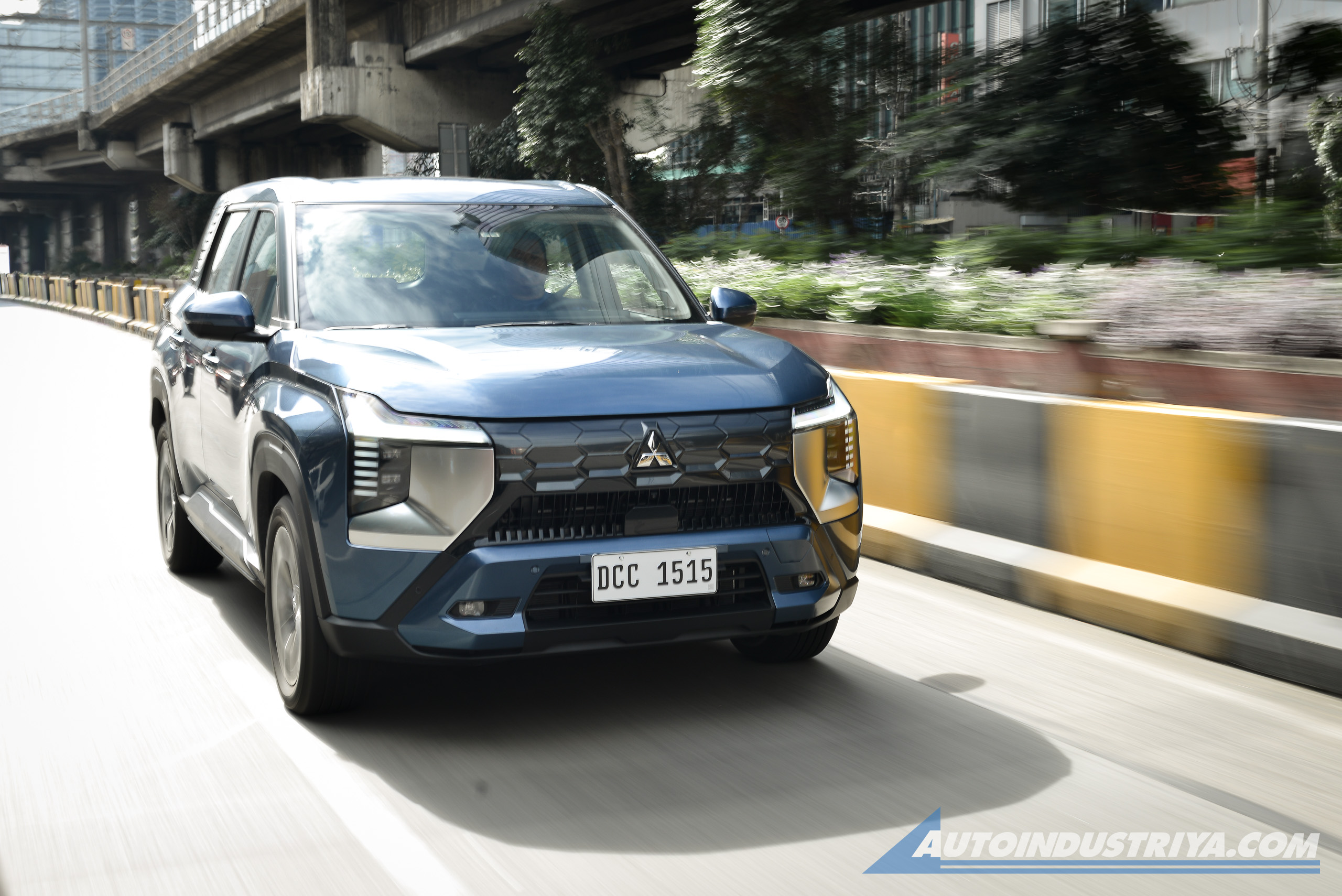
2026 Mitsubishi Destinator 1.5T GLS CVT
Victim of Circumstance

I have always been a Mitsubishi fanboy.
When I was selecting my first car as a young (and fairly broke) college student in 2002, what I picked was a cheap but serviceable Mitsubishi Lancer from the early 90s. Yes, the one affectionately called “itlog” for the egg-shaped indicators (or hotdog, if you look at the whole rear) on the back. I chose it over the other second-hand cars I could afford at the time because I felt that Mitsubishi just felt better to drive.
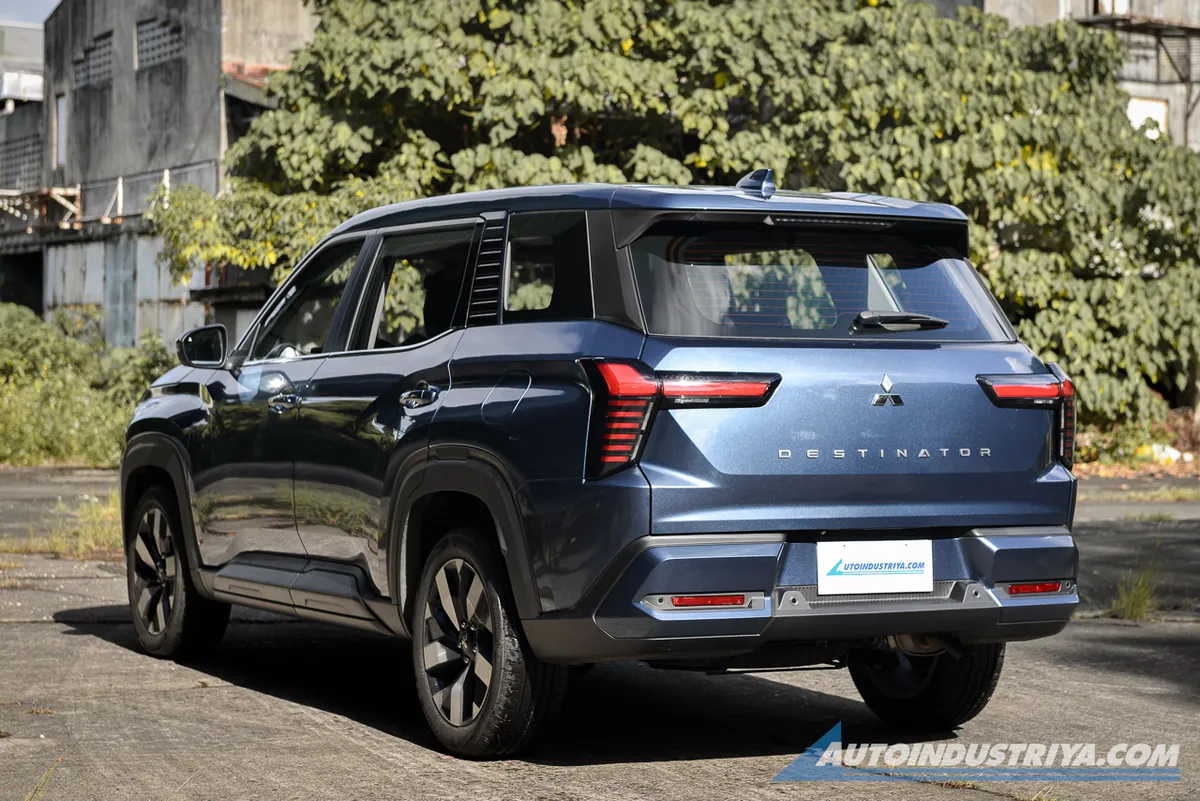
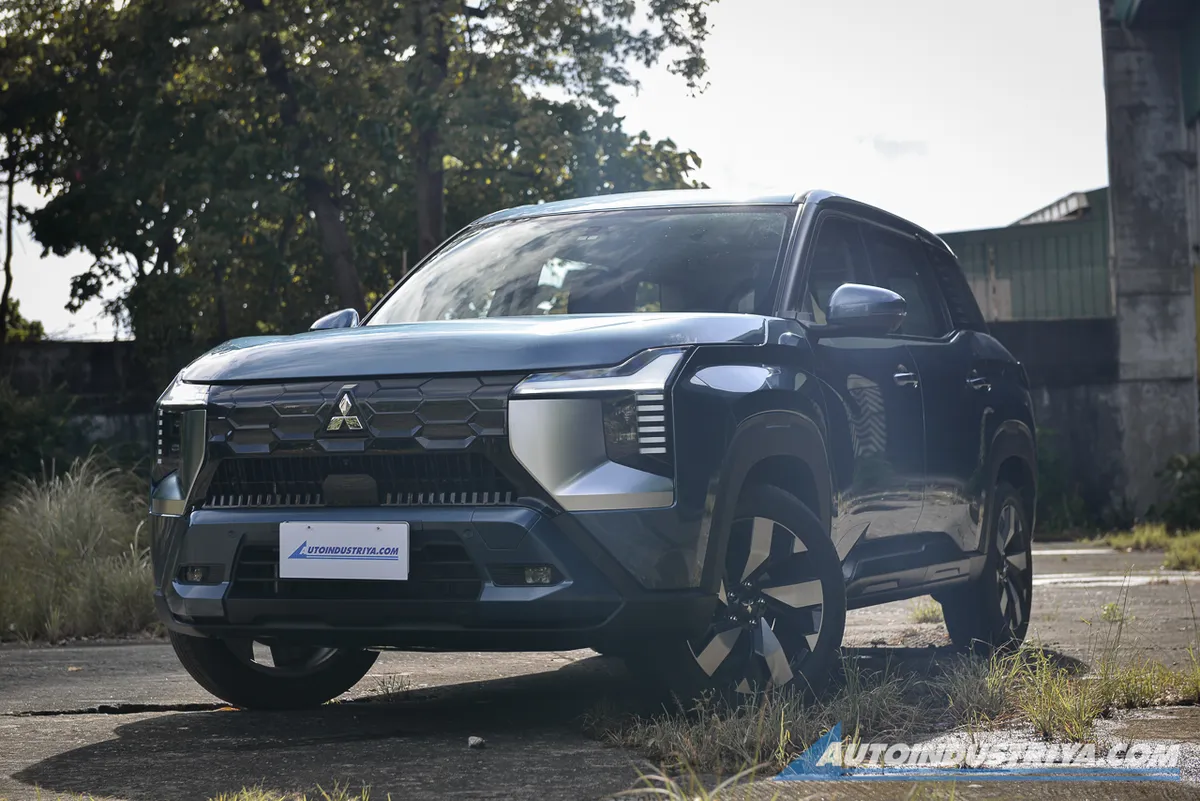
Fast forward to late 2025, and that still holds true for me. Argue as many would, I found the Destinator to be a very enjoyable, good-looking, and practical everyday family SUV, so much so that we felt that it deserved to be our top pick from last year.
The Destinator is an entirely new nameplate for Mitsubishi that builds on the strong seven-seat cred of the company over many decades with models like Space Wagon (aka Chariot), Montero Sport, and Xpander. The GLS variant we’re looking at is in the middle of the Destinator model range, with the GT at the top and the GLX as the entry variant.
Personally, I like mid- and low-grade models over top-of-the-line ones. The reason is that I think the mid- and low-grade variants tend to show how good a vehicle is without much of the fluff you may not need. It’s about the fundamentals.
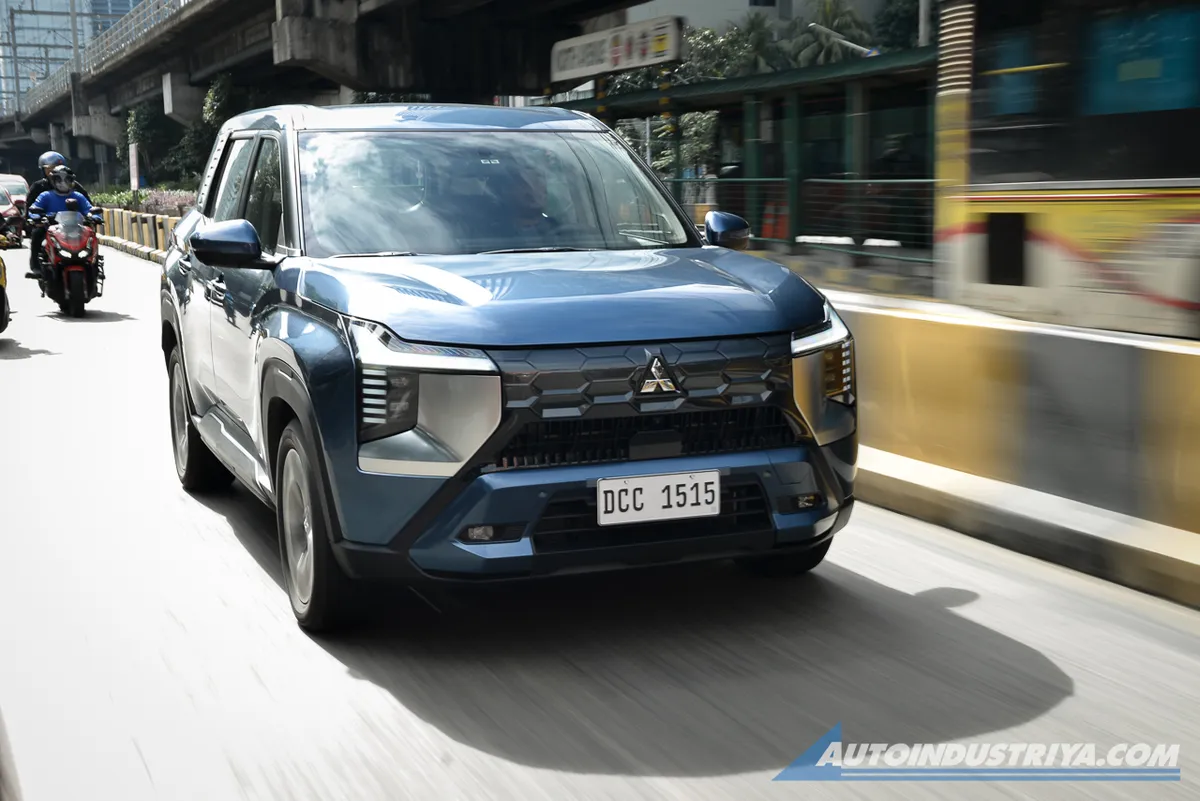
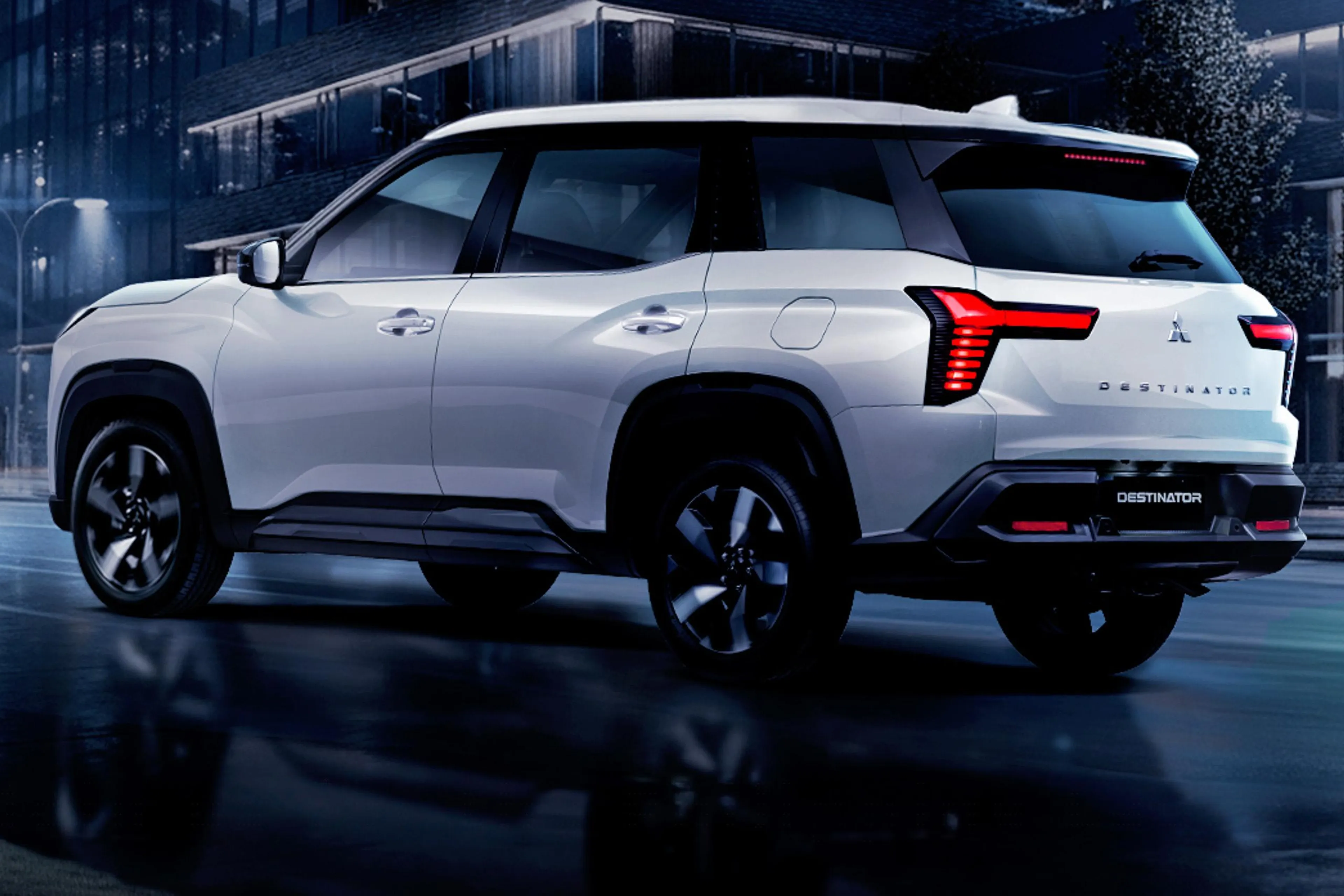
Mid- and low-grade variants tend to get watered down to what we would call ‘poverty spec’ in terms of the looks and exterior details, but that doesn’t seem to be the case for the GLS. This Destinator looks every bit the part and every bit as premium as the GT, and does look quite large despite its actual dimensions of 4.7 meters long.
All you really lose by going GLS is the panoramic glass roof and power tailgate, but I would contend those are unnecessary, and the mechanism for the roof sometimes has a tendency to leak and add extra complexity. For long-term ownership, simpler is just better.
The cabin is indeed a pleasant place to be in. If you drew the short straw and ended up in the third row, you’ve actually got space and some features. The A/C vents are on the ceiling, so you’ll be comfortable. There are cupholders there too, along with a USB and USB-C port. The third row can even recline a bit for comfort. Even the fold and tumble of the middle row makes it easy to get in and out of the third row.
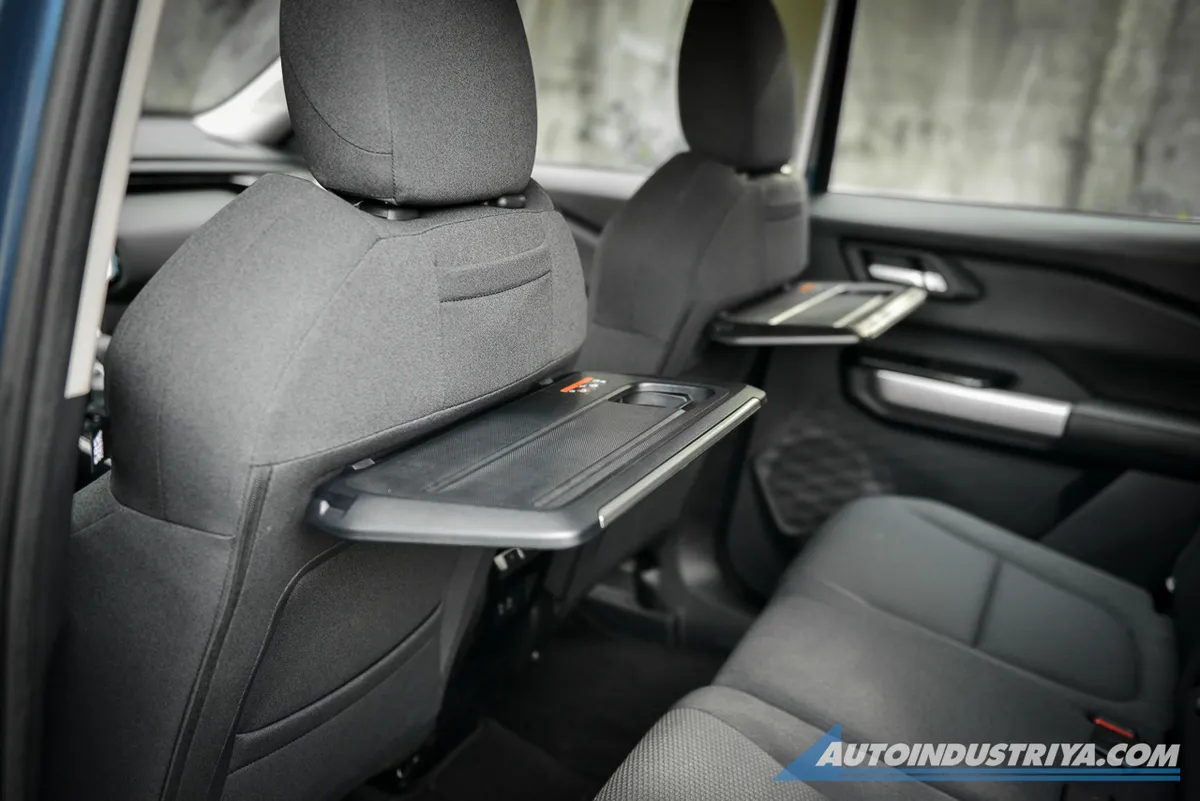
The middle row is a nice place to be in too for a long drive or long hours in traffic. The middle seat folds down to become a very generous armrest. There’s plenty of legroom here, and you also get your own A/C controls and ceiling vents. But the best part is that the GLS has dual tray tables that fold up from the seats in front.
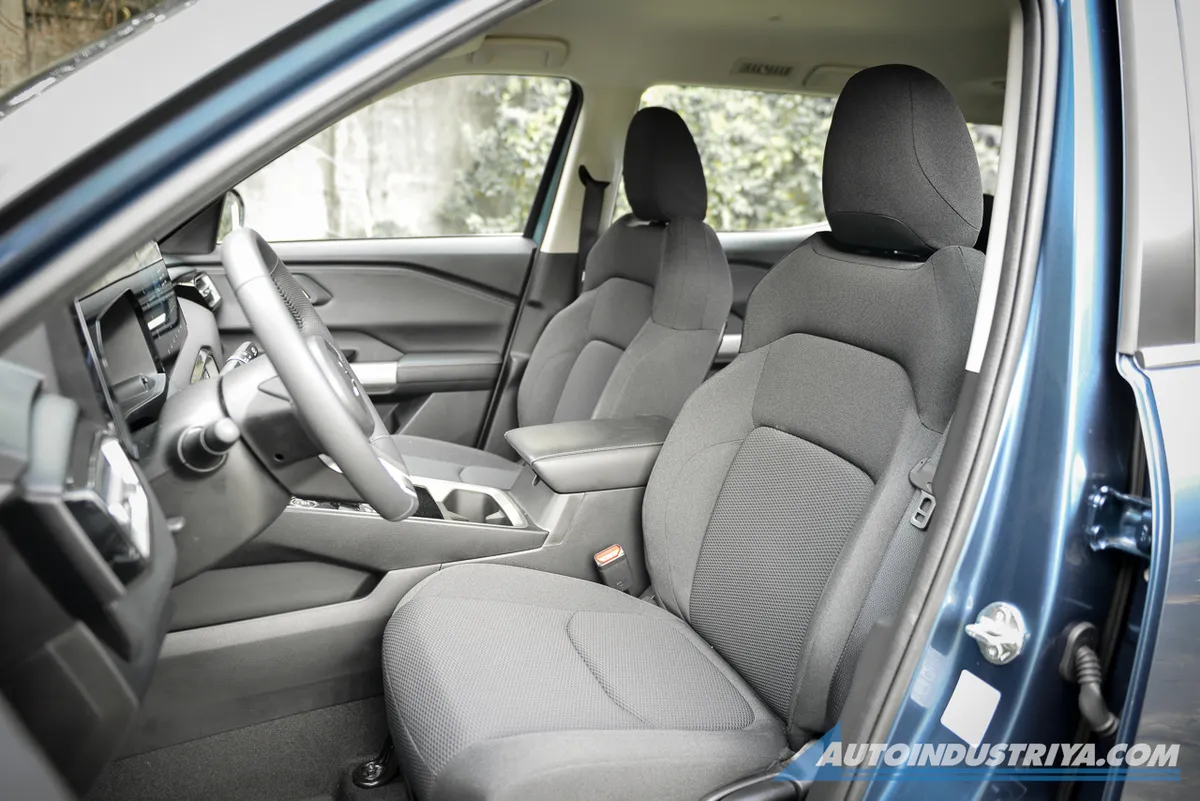
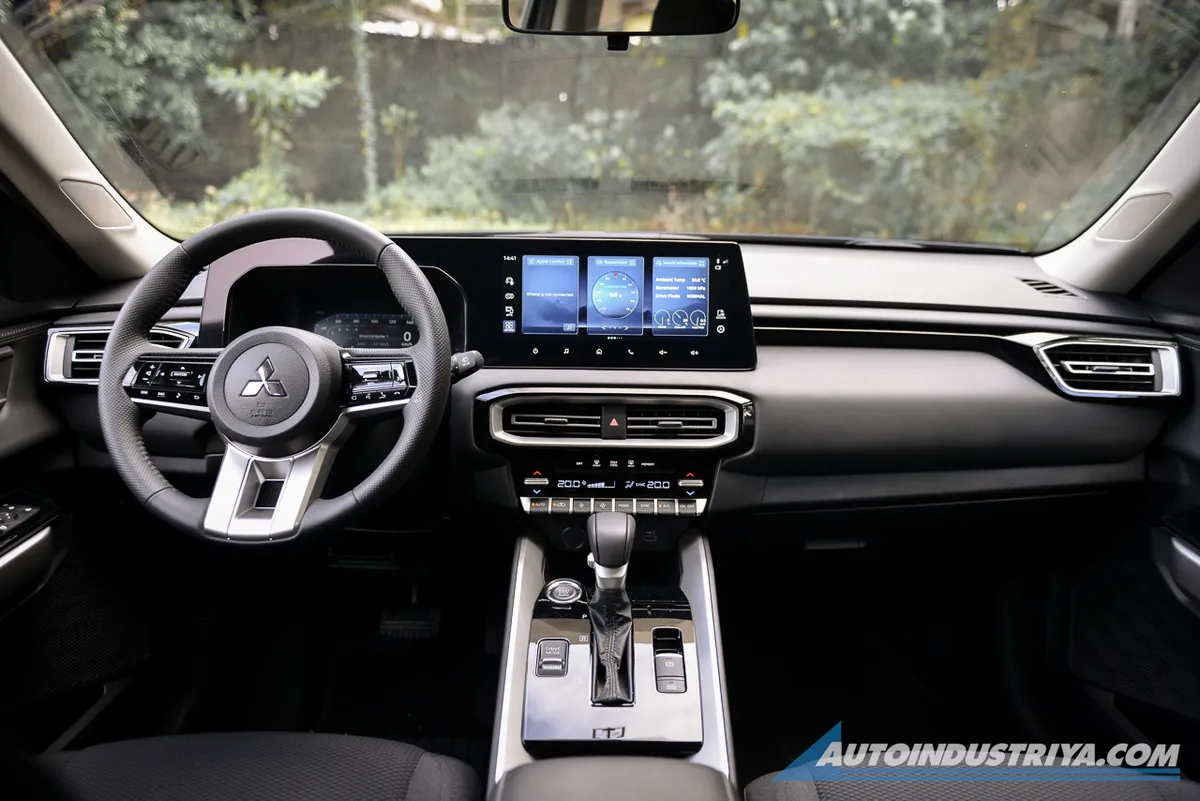
From the driver’s seat, I knew I was going to enjoy this crossover. For one, the seats remind me of the seats in the Pajero Evolution minus the super sporty feel and the Recaro badging, but it does feel good and soft. The dashboard is neatly and logically laid out, with a digital driver display unusually recessed in front, along with a 12.3” touchscreen audio system. It does lose the 8-speaker Yamaha speaker system for a standard 6-speaker system, but thankfully it still has wireless Apple CarPlay and wired Android Auto.
6 photos
What really got to me was how natural the ergonomics felt. Sure, I would have preferred a more modern layout with a column drive selector to free up the center console for a better placement of the wireless charging pad and cupholders, but the classic layout ain’t bad. The transmission lever is still where it would normally be, as are the cupholders and other buttons for certain controls like the drive modes, electronic parking brake, and so on and so forth.
The GLS doesn’t get as many of the features in the advanced driver assist department, but it’s all OK. I still have blind spot warning, rear cross-traffic alert, stability control, ABS, 4 airbags, and the 360 camera system. I mean, the resolution isn’t the best on the 360 camera package, but it is definitely useful in the metro and beyond.
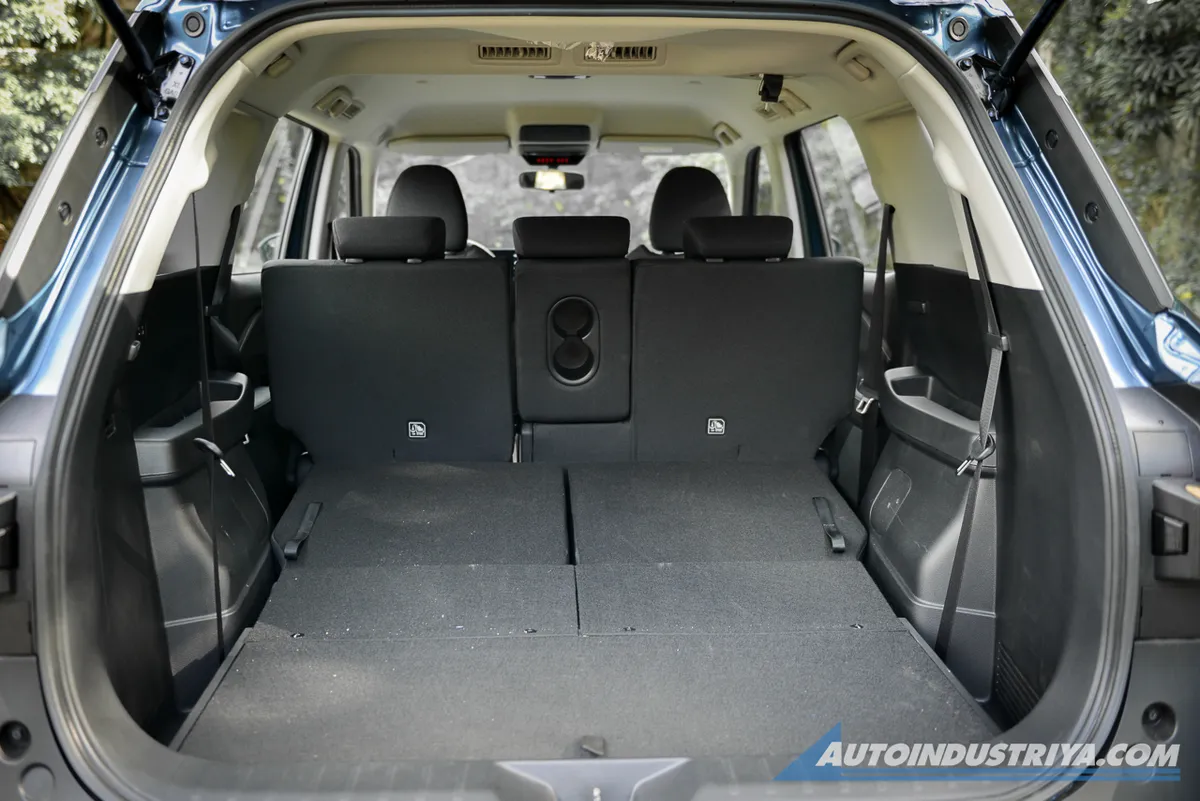
Where the Destinator excels is how configurable the cabin is. If you need cargo space and not seats, the 50:50 third row folds very easily, and the same goes for the 40:20:40 middle row. If you still need more space for smaller items like shoes (if you went to the local basketball court or golf course), there is a tray underneath the floor behind the third row.
4 photos
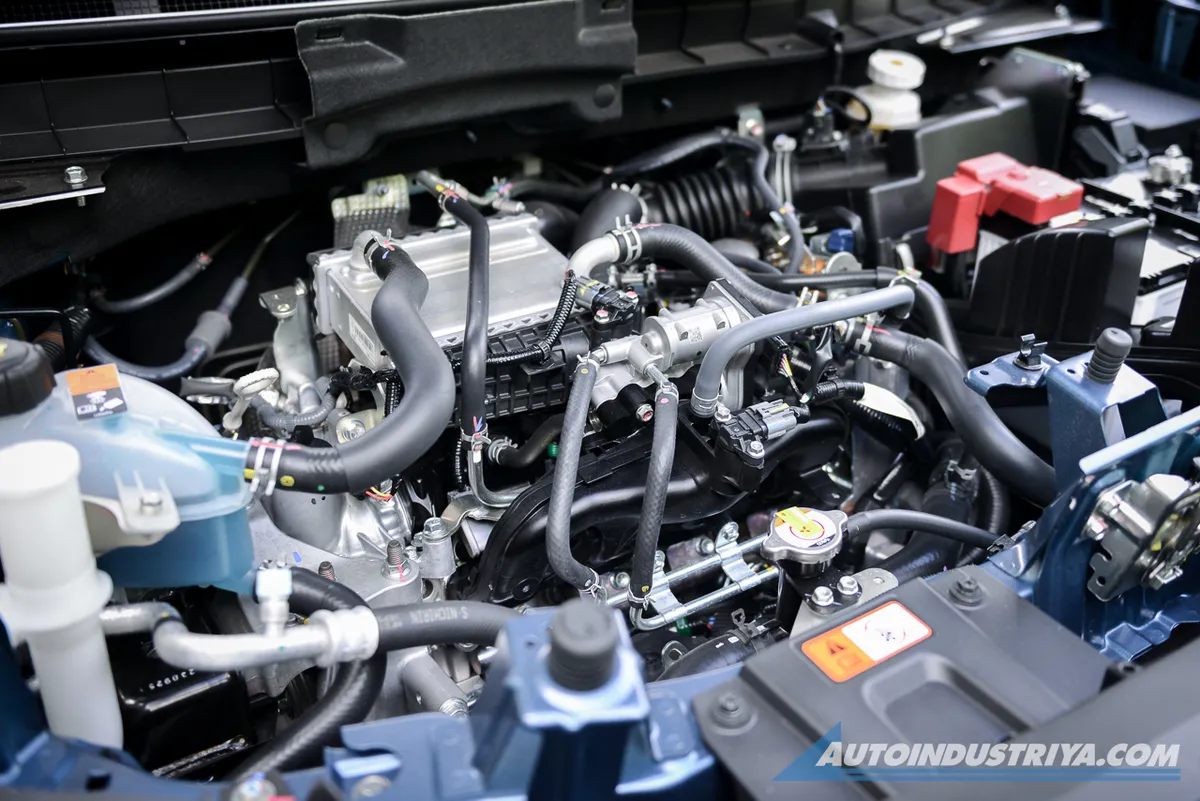
The polarizing part is under the hood: Mitsubishi fitted all variants of the Destinator with a 1.5-liter turbo gasoline engine that makes 163 PS and a sweet 250 newton meters of torque. Driving the Destinator around, clearly Mitsubishi focused on how good it would feel. The electric power steering ain’t great, but the vehicle feels great around corners. This is a fun seven-seater. The throttle response too is quite good, as Mitsubishi seems to have tuned it to deliver a fairly eager drive.
The GLS retains the GT’s 4 drive modes that are optimized for different terrain (Normal, Wet, Gravel and Mud), but it’s best to keep it on pavement. All variants of the Destinator are front-wheel drive (FWD) only with a CVT. There is no provision for AWD because they selected MacPherson front and torsion beam rear suspension. Vehicles that use that suspension layout generally don’t have the architecture underneath for all-wheel drive.
The problem, though, is that it can be a little on the thirsty side if you’re too eager with it. In the city at an average of 20 km/h, we were getting 8.7 km/l. On the highway, if you’re being really smooth with the vehicle at an average of 70 km/h, expect about 15.6 km/l.
6 photos
Overall, the Destinator GLS offers a lot. It’s big on space, practical, good-looking, easy to drive, well equipped, and for about PHP 1.6 million it’s good. The problem for the Destinator is that the buzz it would have had was thrown out the window by certain global events.
Mitsubishi was on track to get back on form to be the best of the rest in our market. Sure, Toyota will likely remain number one, but we felt that Mitsubishi was going to cement its number two status if all things stayed stable and they kept the course with models like the Destinator.
But Mitsubishi was a victim of circumstance. Global events beyond our control drove fuel prices up so much that the market questions the relevance of vehicles that run on pure internal combustion. That’s why BYD has been outpacing Mitsubishi. And if it continues, the automotive marque we love and grew up with could move down to third overall in the Philippines.
They need Destinator HEV, Xpander HEV, and XForce HEV. And they need these models fast.
Related Posts
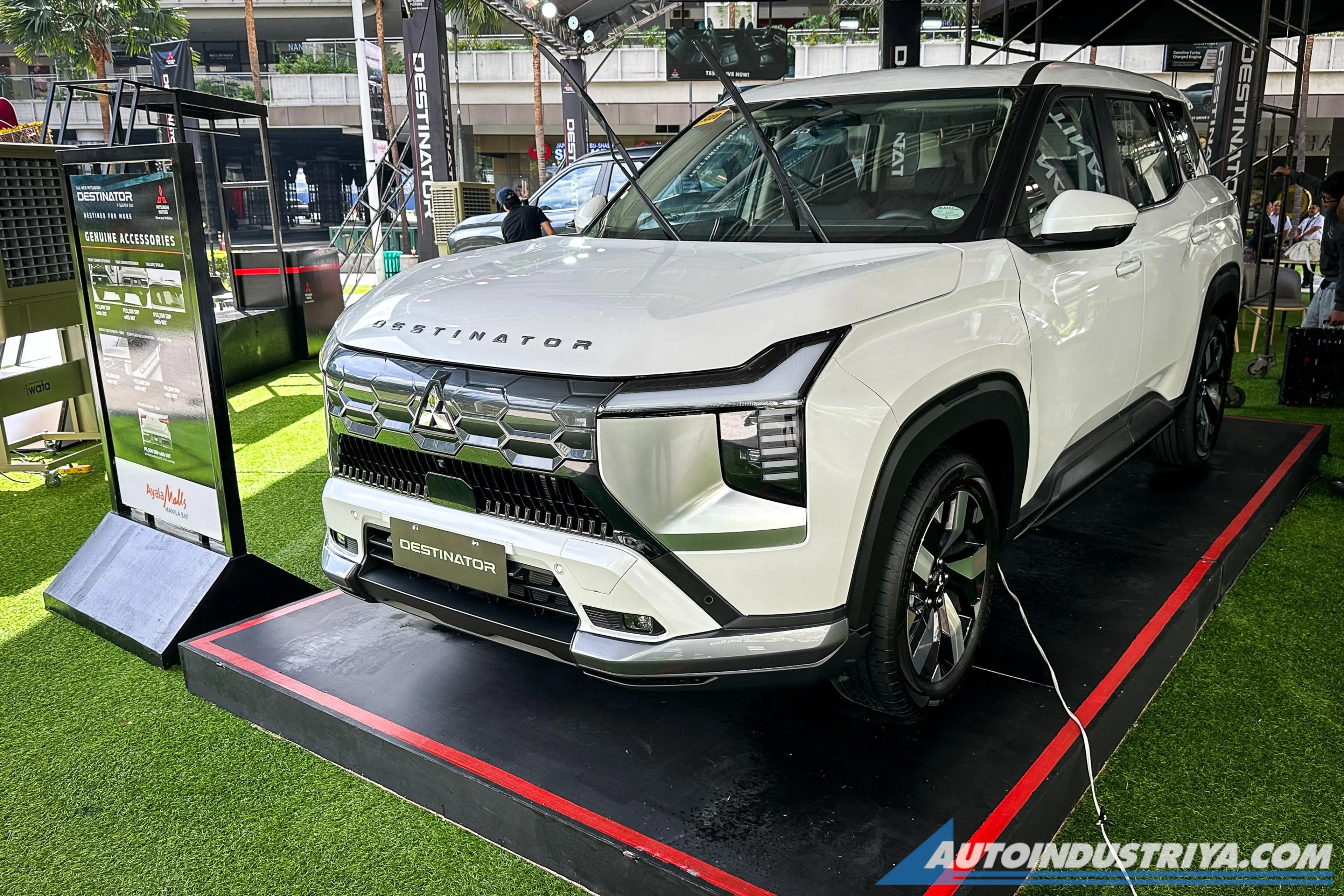
Check out the accessories for the 2026 Mitsubishi Destinator
All-new Mitsubishi Destinator is available with three accessory packages
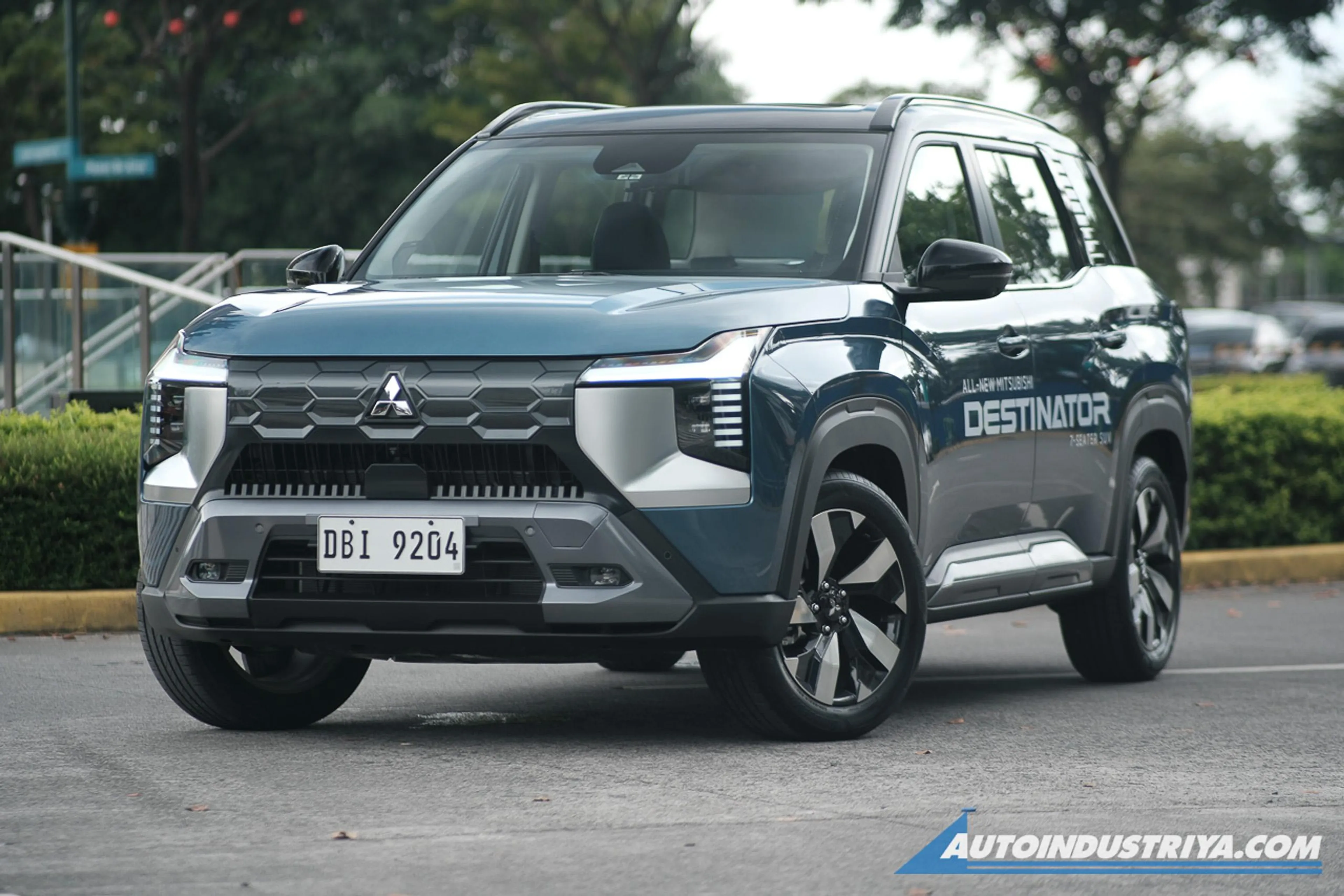
Premium SUV Driving meets MPV practicality: 2026 Mitsubishi Destinator
The Mitsubishi Destinator has Confident Looks, All-Around Capability, and Prestige Features
2026 Mitsubishi Destinator: Introductory prices start at PHP 1.289M
MMPC announces introductory pricing and opens pre-booking for 2026 Mitsubishi Destinator
All-new 2026 Mitsubishi Destinator launching in PH this November
Mitsubishi's turbocharged 7-seater crossover is about to make its debut in the country
Did Mitsubishi PH just confirm the Destinator?
It looks like we can expect the Mitsubishi Destinator on PH shores in the future
Mitsubishi reveals all-new 7-seat Destinator with 163 PS MIVEC Turbo CVT
Mitsubishi Destinator to make public debut in 2025 Gaikindo Indonesia International Auto Show