
7 things you need to know about dual-clutch transmissions
7 things you need to know about dual-clutch transmissions
Dual-clutch transmissions don't deserve all that flak. Here's why

The automatic transmission has come a long way. These days, you have automated manuals, continuously variable transmissions, and dual-clutch transmissions. They all shift on their own but they're all different in operation.
Perhaps the one that needs better understanding is the Dual-clutch Transmission. It's had a bit of a bad rap over the years but we think it doesn't deserve that. There's a lot to learn about this transmission and, the more you get to know about it, you might be able to appreciate the tech behind it too.
How does it work?
To simplify, there are two sets of clutches that handle two different sets of gears. One takes care of gears 1-3-5 while the other is responsible for 2-4-6. Think of it then as two manual transmissions controlled by a computer and automated clutch. To ensure reliable and smooth operation, clutch packs and various mechanisms allow it to engage the next set of gears, be it one higher or lower with little to no delay.
Motorsports roots
Some of the first applications of the dual-clutch transmission actually on the race track. It was in the early '80s when it saw competition use and race cars such as the Porsche 956 and 962, as well as the Audi Sport Quattro were among the pioneers of this tech. It's proven itself there too as Porsches and Audis bagged several wins and championships using DCTs.
Rapid-fire shifts
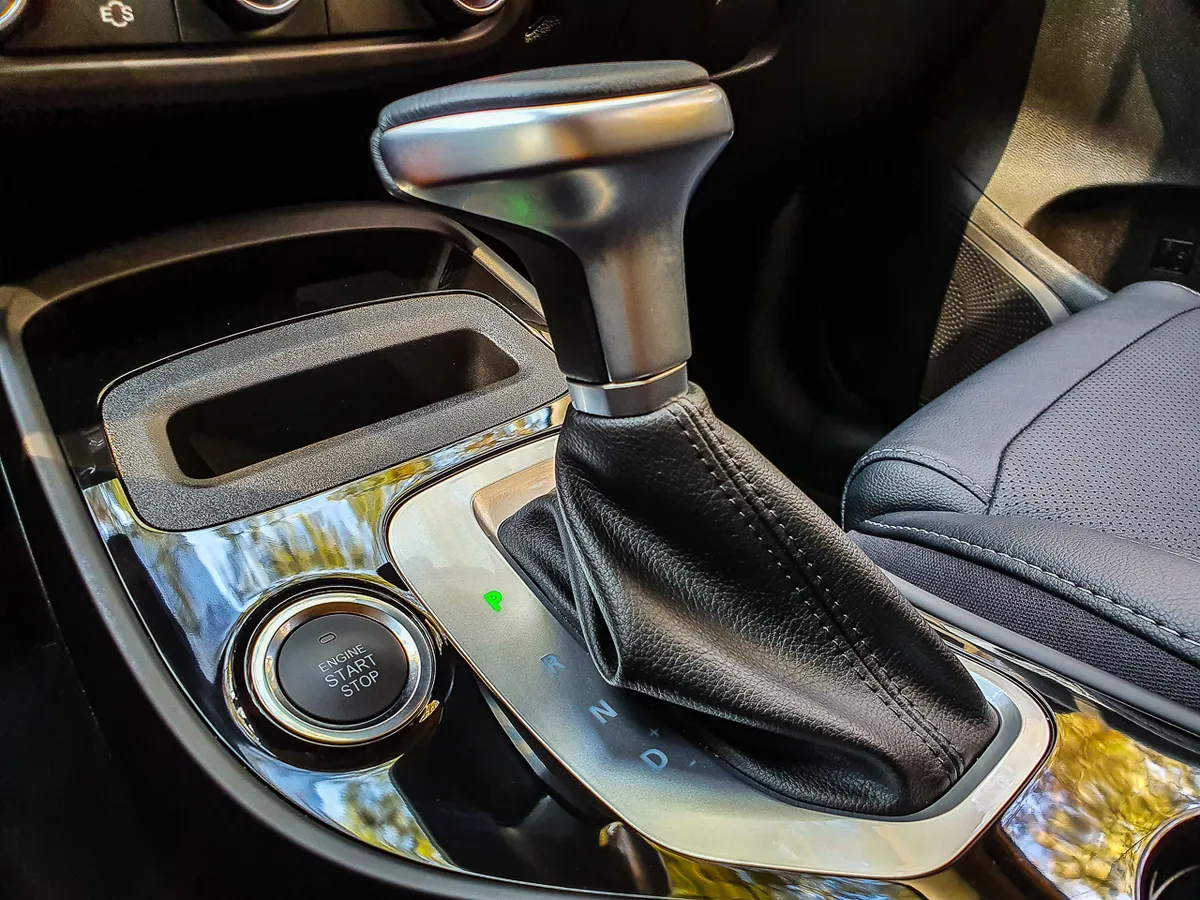
Think of the DCT as two manual transmissions controlled by a computer and a pair of automated clutches. To ensure reliable and smooth operation clutch packs and various mechanisms allow it to engage the next set of gears, be it one higher or lower with little to no delay. Because of the way it's designed, the dual-clutch transmission can 'anticipate' upshifts and downshifts.
It's smooth
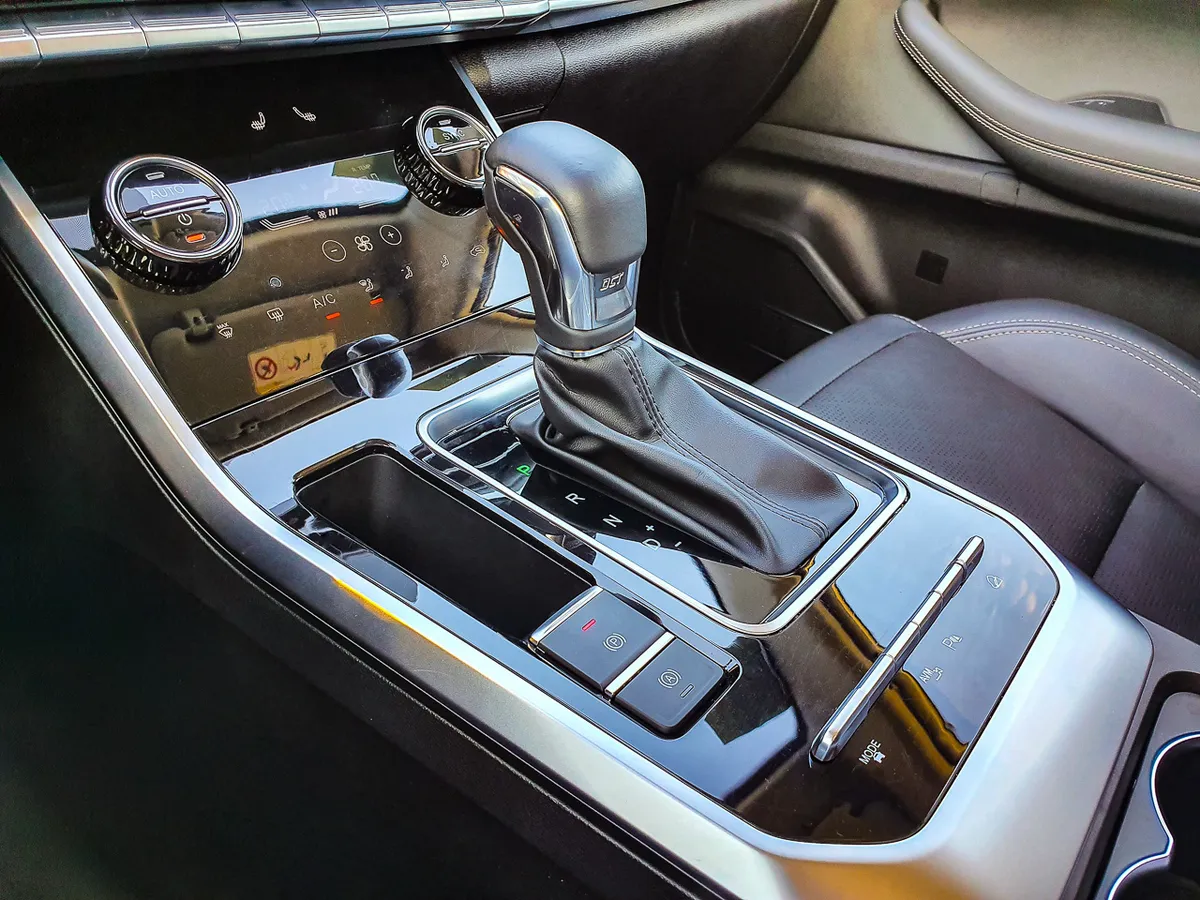
Thanks to advances in technology, modern DCTs are much smoother to operate and engage these days. Because of that, the clutches engage in a more seamless manner, reducing the 'jerkiness' these transmissions were associated with. All of these make the DCTs driving, and riding, experience a lot less jarring. The key to making it smooth is to avoid 'creeping' forward in traffic jams and leaving it 'hanging' on inclines. And because the transmission reverts to neutral when you're stopped, you don't have to keep putting it in neutral all the time.
You can accelerate faster with a DCT
Because it can 'anticipate' the next upshift or downshift, it can deliver power to the next gear almost immediately. An automatic would typically slur to the next gear while a manual requires you to momentarily cut power in order to shift which, in turn, takes time. Because DCTs can shift directly up or down, there's little in the way of power loss and that means you accelerate faster.
They're great for fuel economy too
The key to getting good fuel economy is lessening the load on the engine. The process of shifting interrupts the power, which in turn can cost you fuel economy. That's where rapid shift action of DCTs gives you an advantage. Because power flow isn't interrupted, it doesn't require extra effort from the engine. So not only can you accelerate quicker, you get to save fuel too.
DCTs are more accessible now
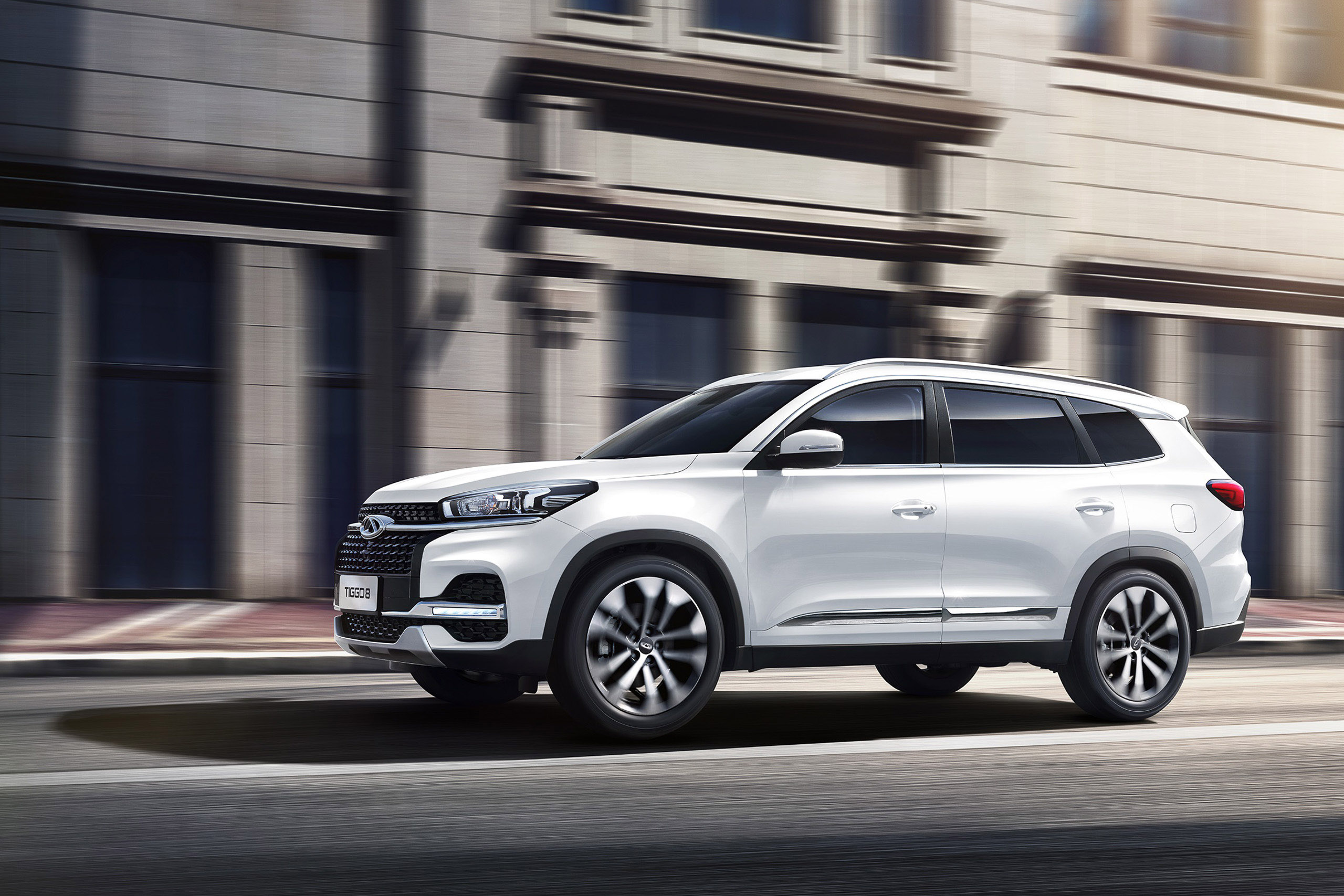
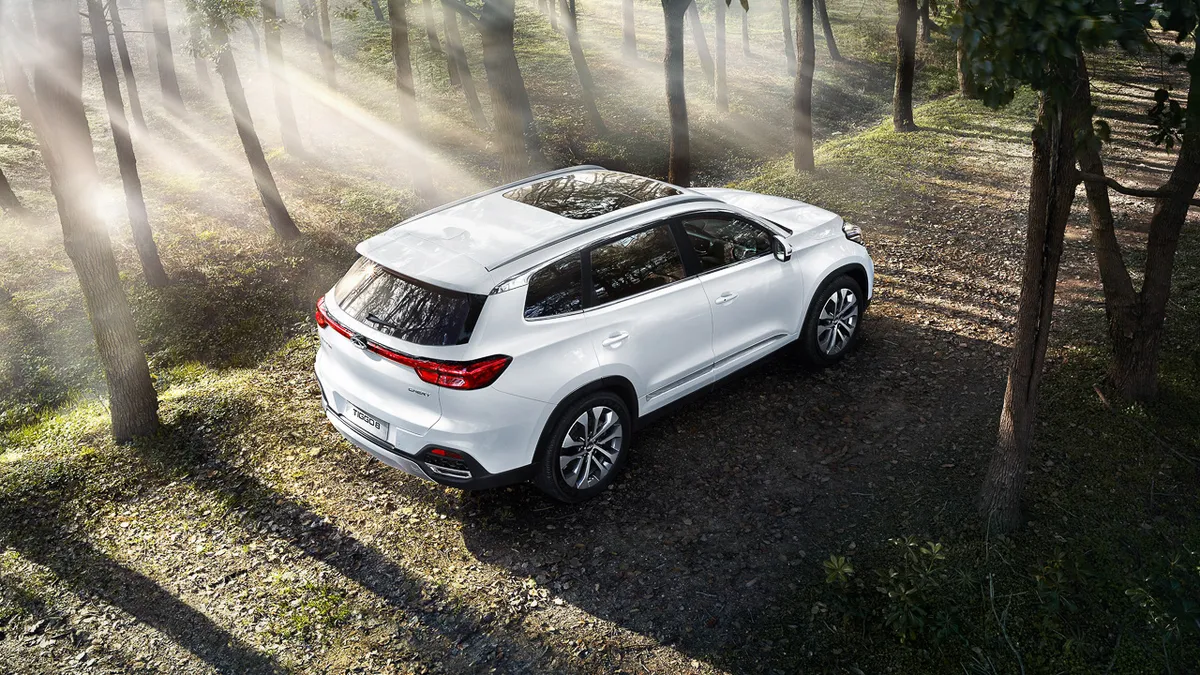
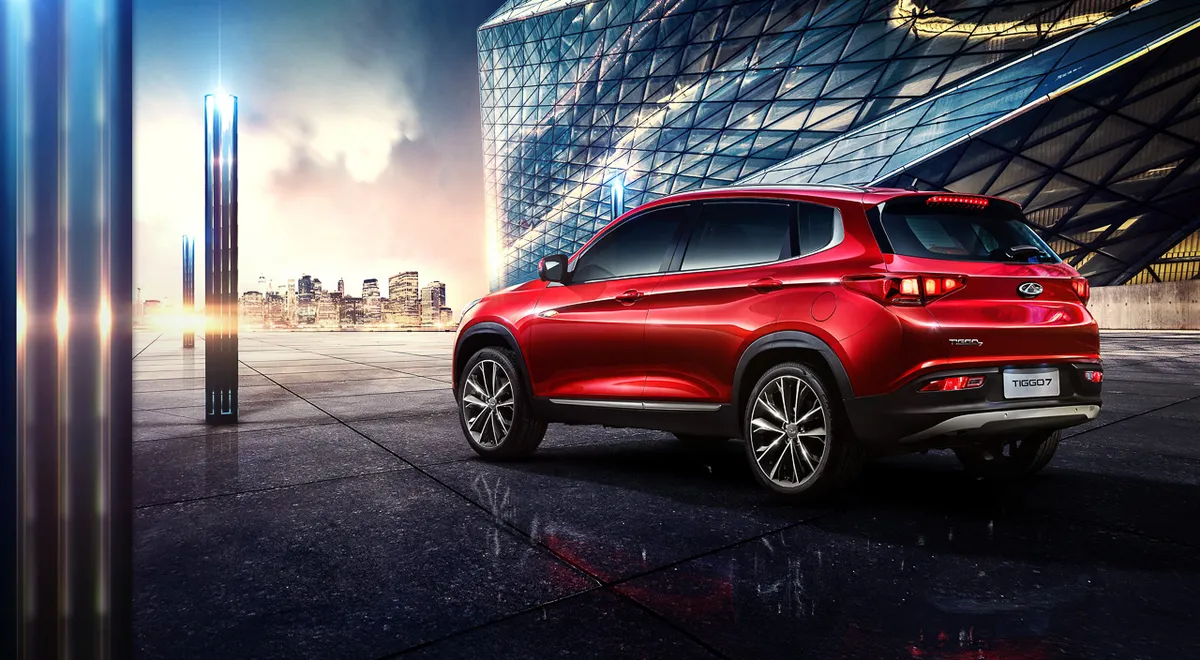
DCTs used to be reserved for performance cars and luxury vehicles. But over the years, it's trickled down to more affordable cars. Even Chery is in on it these days. Their crossovers, namely Tiggo 7 and Tiggo 8 use a dual-clutch transmission these days and that's to make it deliver a smooth relaxing drive while delivering ample acceleration and good fuel economy. This transmission may have started out in the field of motorsport, but its uses today are more commonplace in production cars these days.
The Dual Clutch Transmission gives the driving feel of a manual transmission, yet provides the ease of a fully automatic transmission.
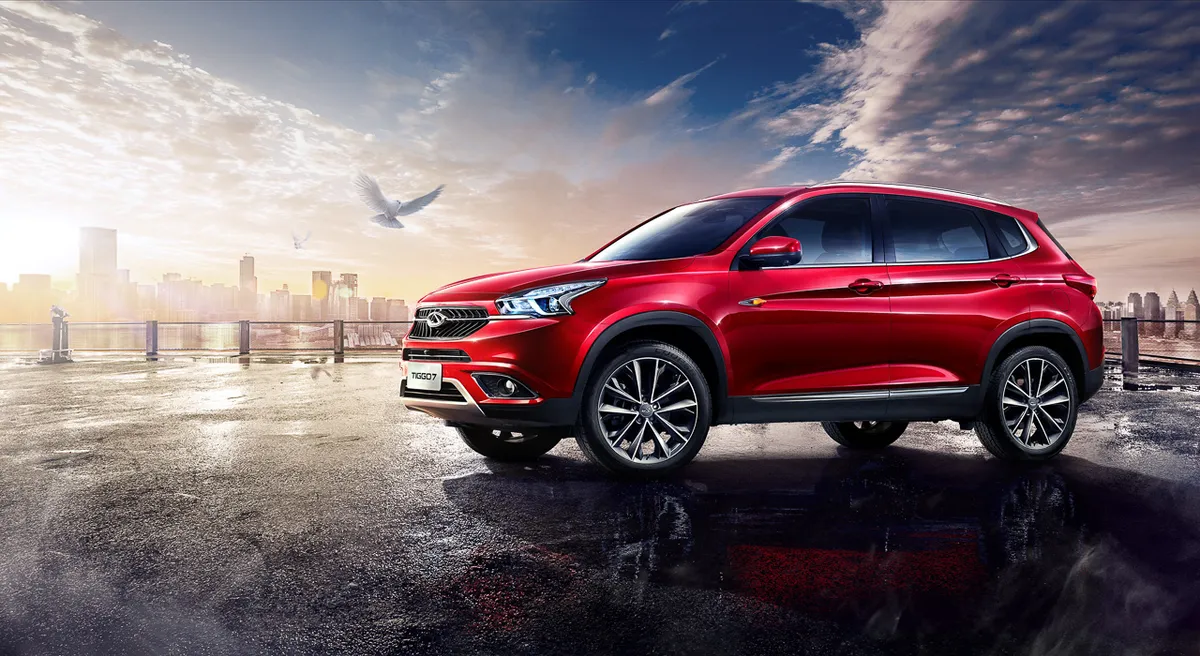
You don't have to pay through the nose to get your hands on a modern DCT these days either, as the Chery's latest crossover offerings start at Php 1,195,000 for the Tiggo 7, and Php 1,280,000 for the Tiggo 8. So not only do you get one of the most advanced kinds of transmissions out there, you get good value from those two offerings as well.
Related Posts
Ferrari (sort of) brings back the manual for 12Cilindri Manuale
Ferrari 12Cilindri Manuale will only be limited to 1,499 units
Toyota LC 300, Lexus LX recalled over transmission issue; PH affected?
Transmission issue caused by a solenoid that can fail and cause the gearbox to over-rev
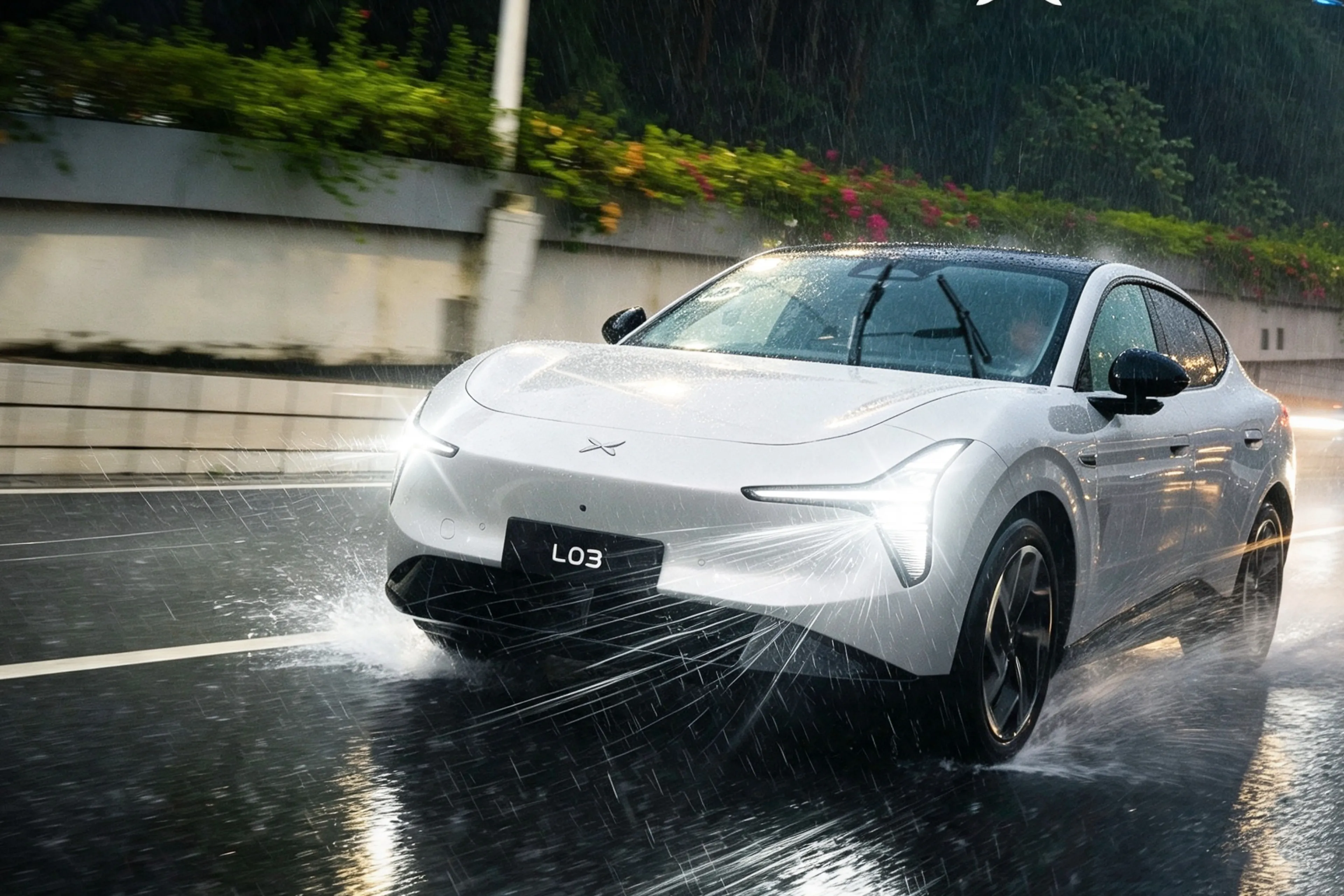
XPeng: Driving into a New World Order
XPeng is establishing itself in the Philippines. What can we expect from this AI-driven auto manufacturer?
Honda and Nissan join forces to build ECUs, OS for next-gen vehicle tech
Honda and Nissan have signed a joint agreement to co-develop shared vehicle computers and operating systems for their next-generation smart vehicles arriving from 2029 onward.
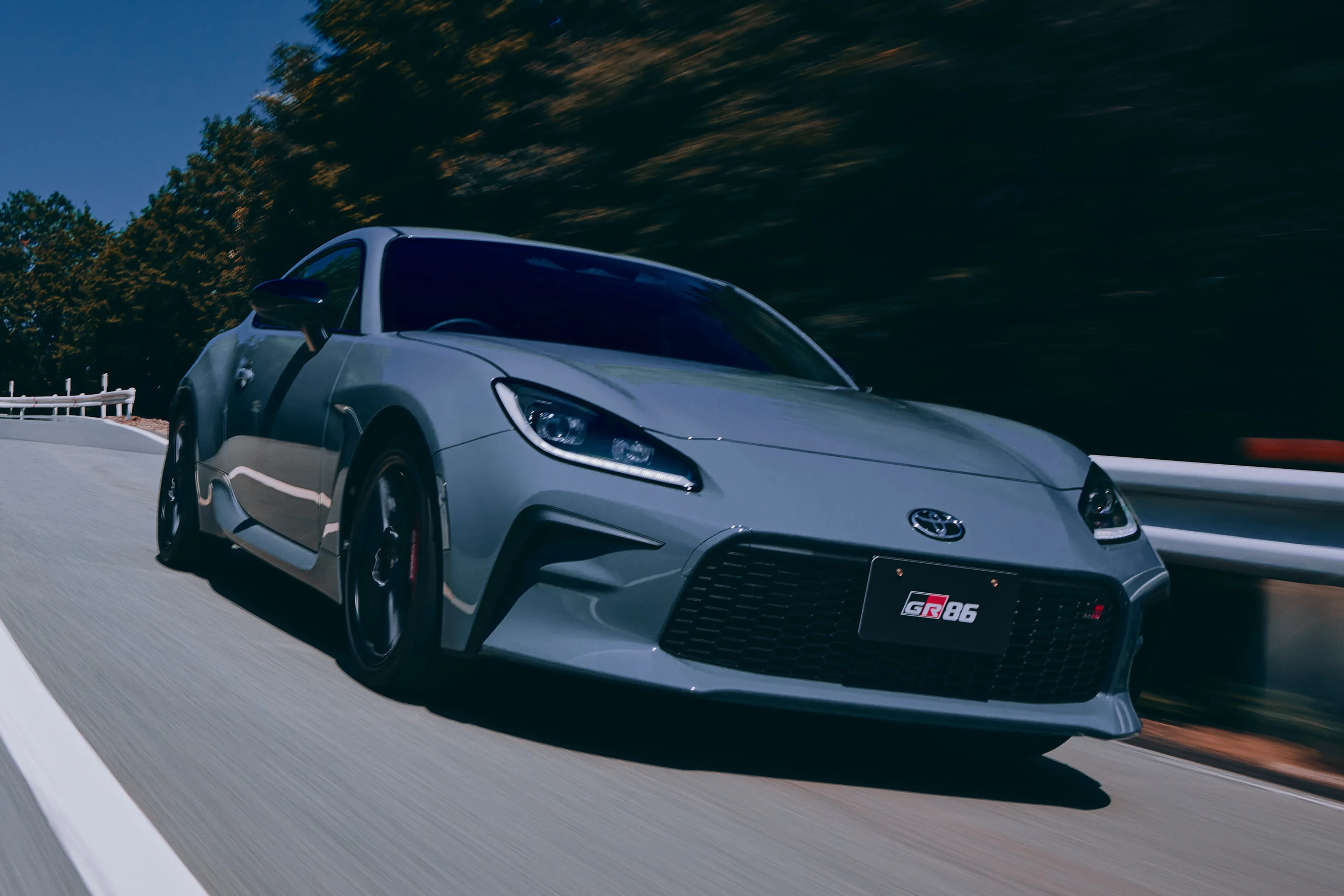
Toyota reveals upgraded GR86 on 8-6 day with smoother shifts and more
Toyota continues to refine and improve the GR86 with better ergonomics and driving performance
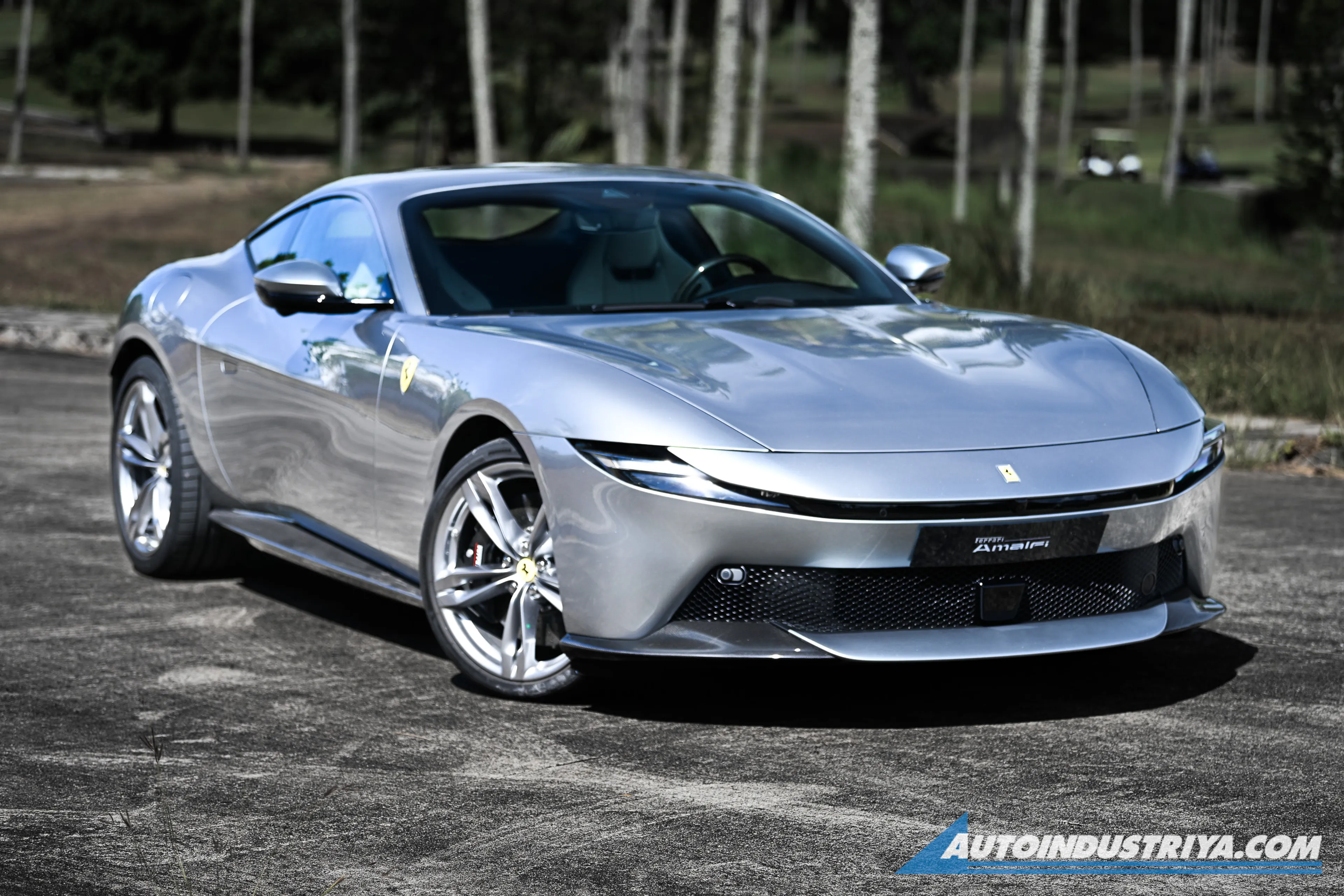
La Dolce Vita hits local shores: 2026 Ferrari Amalfi arrives in the Philippines
The successor to the Roma brings a sharper edge, more power, and a refined interior to the streets of Manila.