
Basic fuel jargon you need to know
Basic fuel jargon you need to know
How do you know which fuel is right for you car?
We often see and hear from ads about the different kinds of fuel available in the market. With several petroleum players, each one of them would have their own unique product proposition. But, do you really understand the terminologies they use? With words such as Euro4, Euro 5, octane rating, and RON popping out, it's easy to get lost with all the fuel-related jargon.
We can learn something new everyday. To serve as a guide, we’ll be going through some of the more commonly used words in petroleum.
RON? Octane? Cetane?
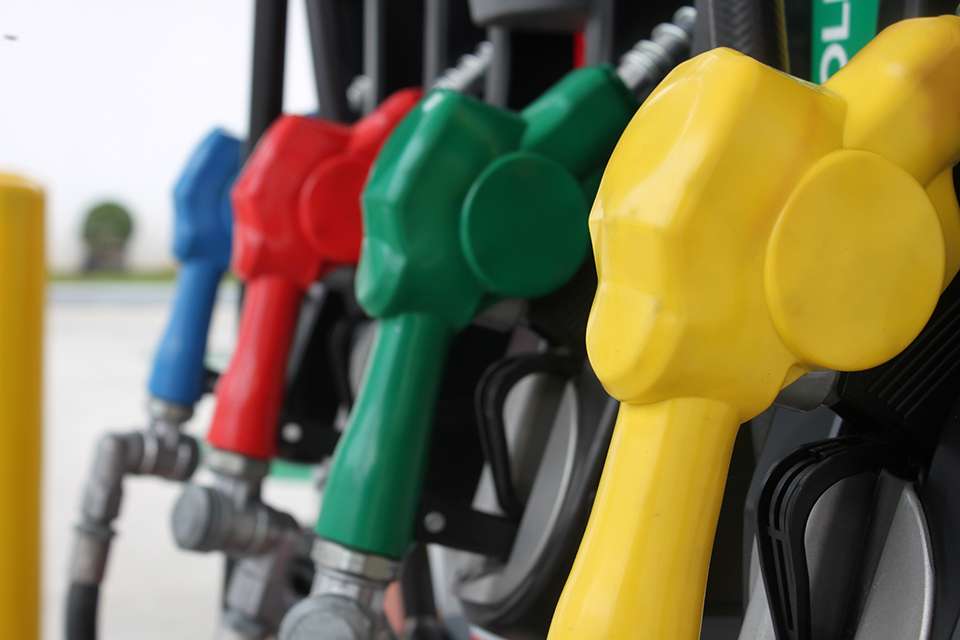
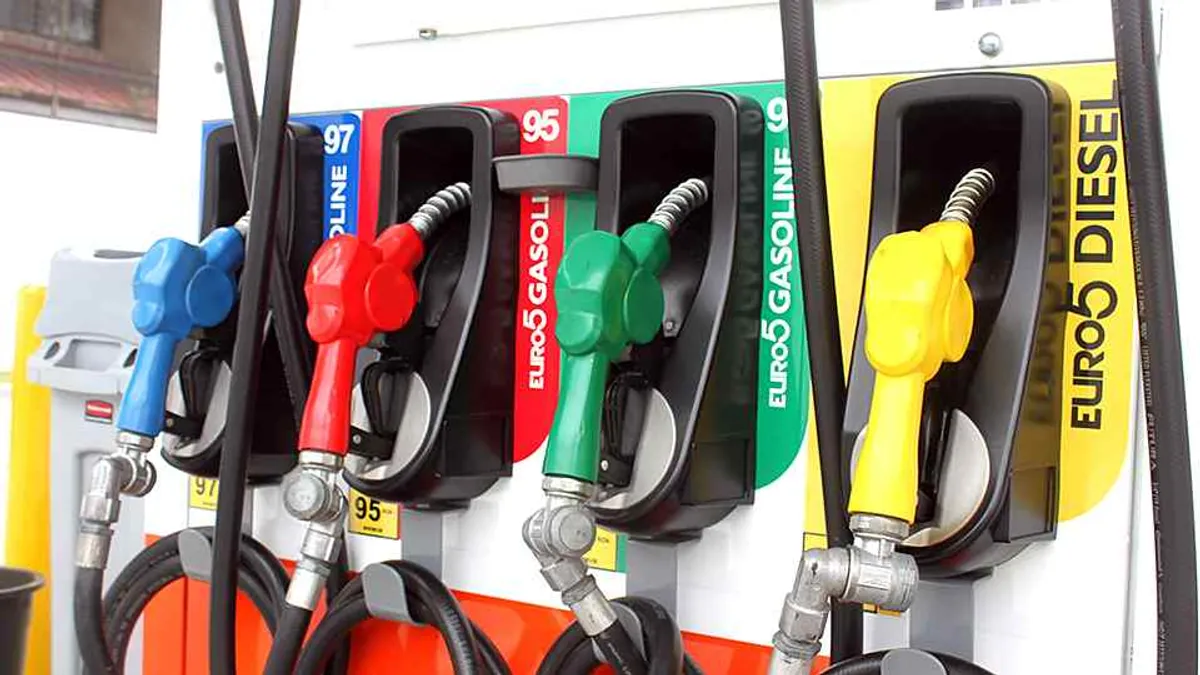
Pulling up to the pumps, you may have noticed the bright yellow stickers indicating the minimum Research Octane Number (or RON) of each gasoline fuel. But what does really RON mean? Simply put, RON is a way of measuring the performance of gasoline fuel. This is gauged by how much compression a gasoline fuel can withstand before detonating. Gasoline vehicle engines with higher compression ratios require fuels with higher RON numbers.
The Department of Energy (DOE) has mandated all fuel companies to label their gasoline pumps according the three approved specs: Regular (91 RON), Premium (95 RON), and Premium Plus (97 RON). These are the minimum requirements for gasoline that each station must comply with.
While octane is for gasoline, cetane is used to measure the properties of diesel fuel. Similar to how octane is rated, the higher the cetane rating, the better it is for diesel engines. Contrary to gasoline, the DOE does not require fuel companies to indicate the cetane number of diesel fuel on the pumps.
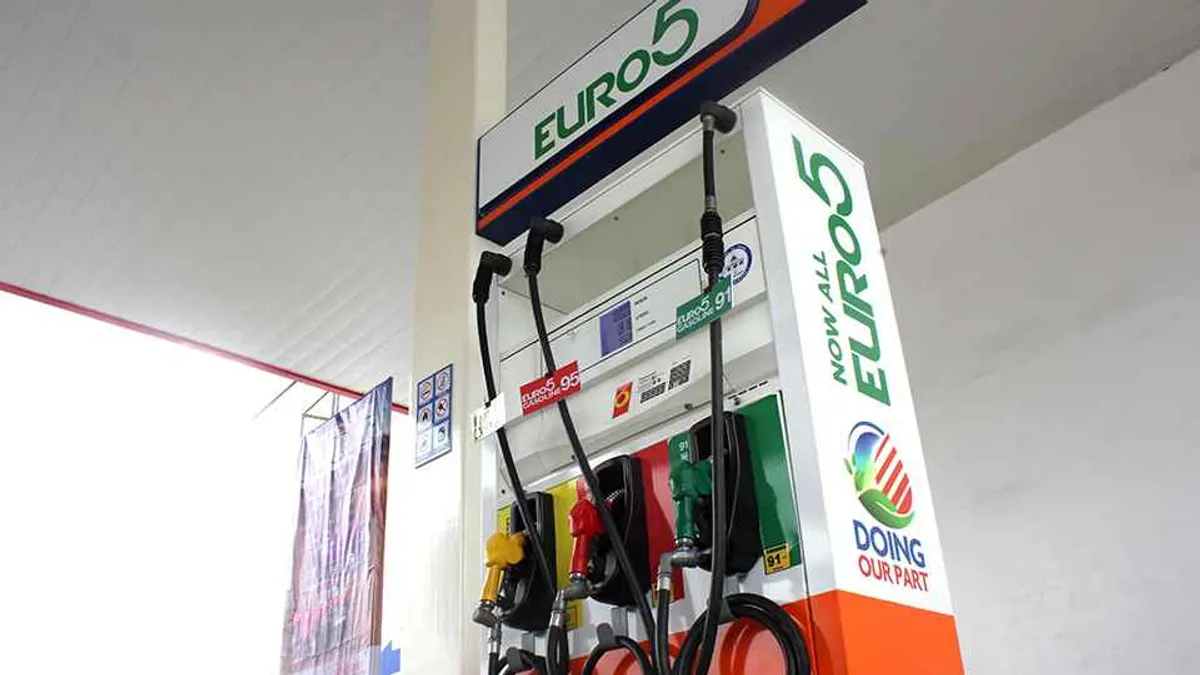
The Philippines follows European (Euro) standards when gauging vehicle emissions. These standards measure the amount of exhaust emissions of brand new vehicles produced in the European Union (EU) and European Economic Area (EEA) member states. The higher the Euro standard in fuels, the cleaner our environment will be thanks to the reduced harmful emissions which are caused by the fuel’s sulfur content. The higher the Euro fuel standard, the closer we get to addressing one of the major causes of global warming.
Currently in the Philippines, the minimum requirement set by the government for fuels and vehicles is Euro 4. However, some oil companies choose to go the extra mile by producing and selling fuels which are above the minimum standard. An example of these are Euro 5 standard fuels. Euro 5 standard fuels have been a standard in the European Union since 2009 and since then many other countries like South Korea, Japan and China have adopted this as their standard. Euro 5 lowers the sulfur content from 50 PPM to 10 PPM, effectively 5x cleaner than Euro 4.
Know what your car needs
Now that you already got a good grasp of the language, it’s high time that you put to practical use your newfound wisdom and find out what your car really needs. It’s not as simple as putting in the gasoline with the lowest octane rating because you just want to thrift out and take advantage of the low price. Depending on the vehicle, your lifestyle, need for speed or power, you may need either RON 91, 95 or 97.
The best thing to do is to check and consult your vehicle owner’s manual, which is probably sitting just inside your glove compartment. Often, gasoline-powered motors have a particular minimum octane rating which should be met especially for high-performance vehicles.
Choosing the right fuel
Among the petroleum players in the country, Unioil is the only company that offers a complete range of Euro5 standard fuels, the cleanest range of high performance fuels. Unioil provides consumers the option to choose a fuel that is helpful for the environment. Unioil’s Euro 5 fuels are 5x cleaner and have been tested to reduce harmful emissions by up to 70%. What makes this choice even better is that Unioil’s Euro 5 fuels are priced the same as other Euro 4 fuels. You not only experience the cleanest range of high-performance fuels at Unioil, but you also help make a difference to the environment at no extra cost.
Here’s a helpful tip:
With the rising cost of fuel these days, you should take advantage of Unioil’s Loyalty Card and S&R Partnership. Unioil’s Loyalty Card allows its customers to earn points and exchange them for fuel purchases or rewards. If you are an S&R member, you may simply show your membership card and enjoy outright discounts. Save P2.50 on diesel per liter and up to P5.00 on gasoline.
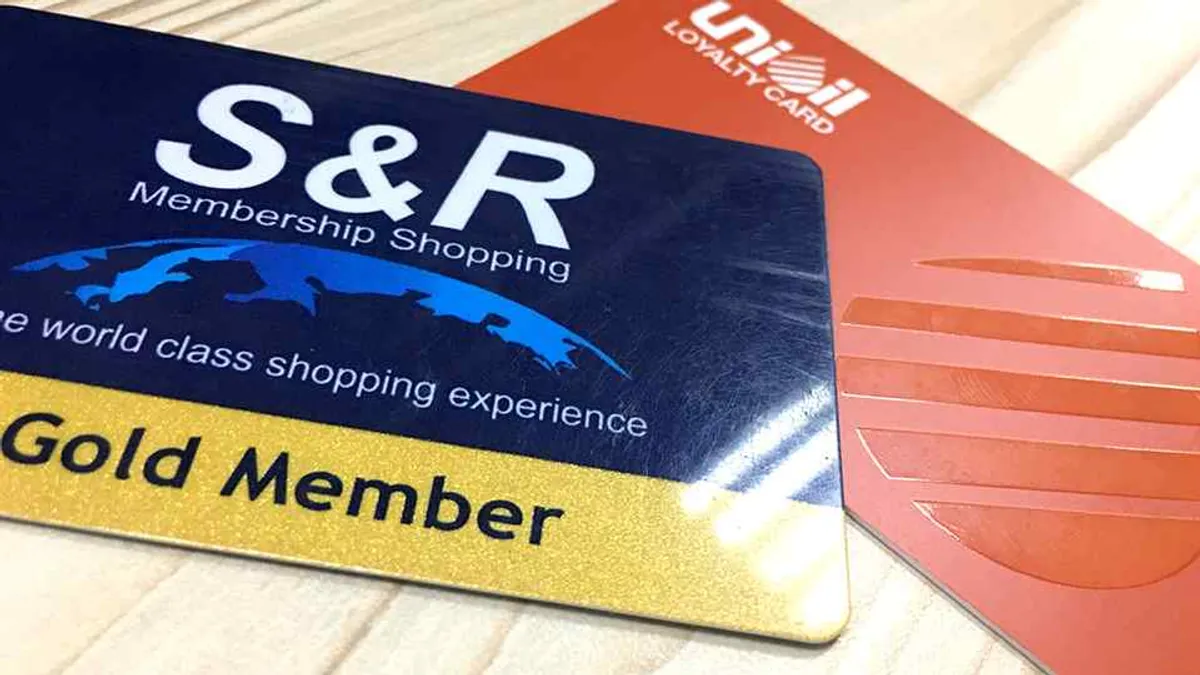
Knowing is already winning half the battle. Simply remember these pointers and you’ll do just fine the next time you visit a station to gas up.
Related Posts
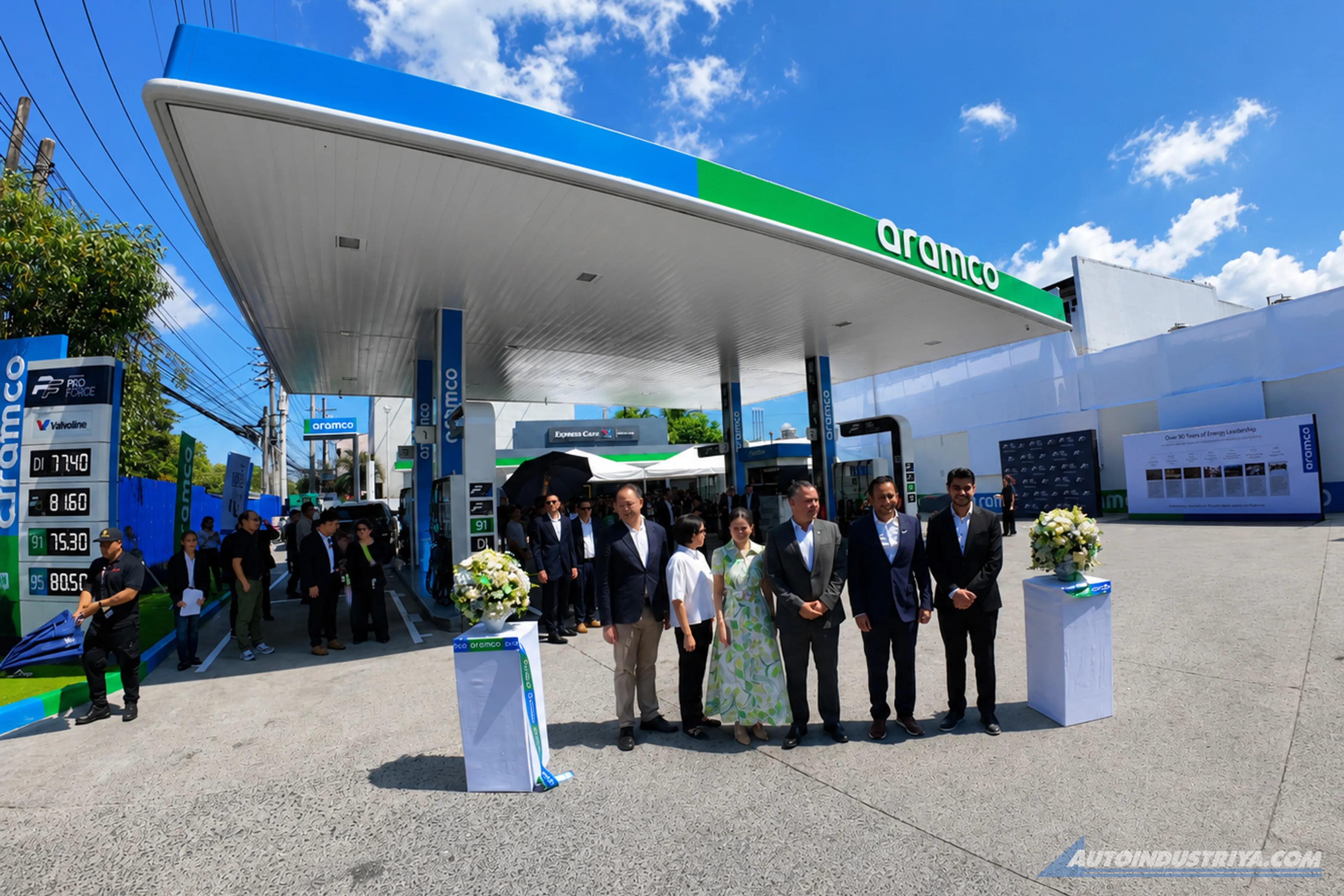
Aramco opens flagship station in Parañaque; S&R fuel discounts remain available
Saudi oil giant Aramco opens flagship station in Parañaque
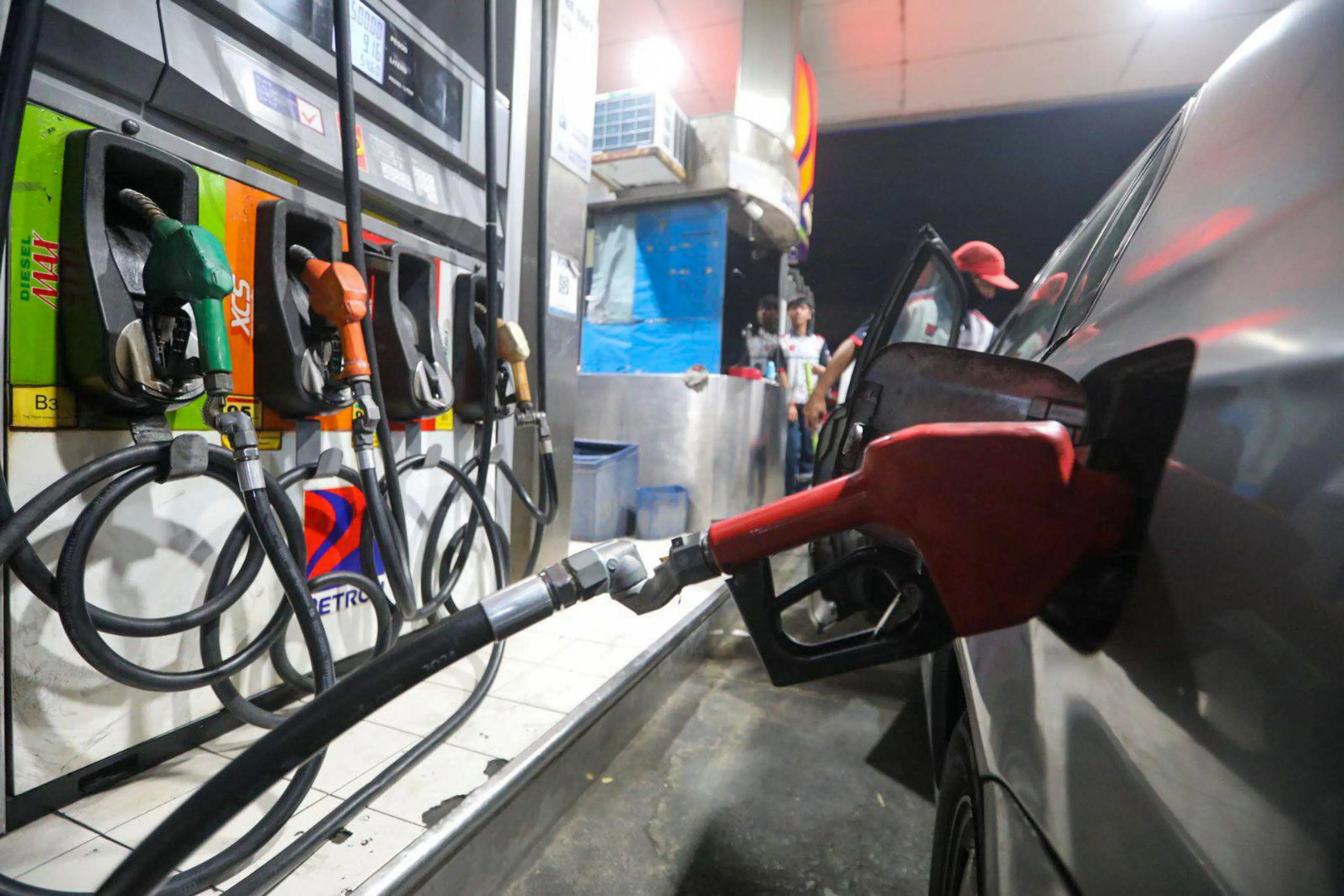
DOE issues warning vs hoarding, profiteering amid fuel price swings
Report irregularities to the Department of Energy
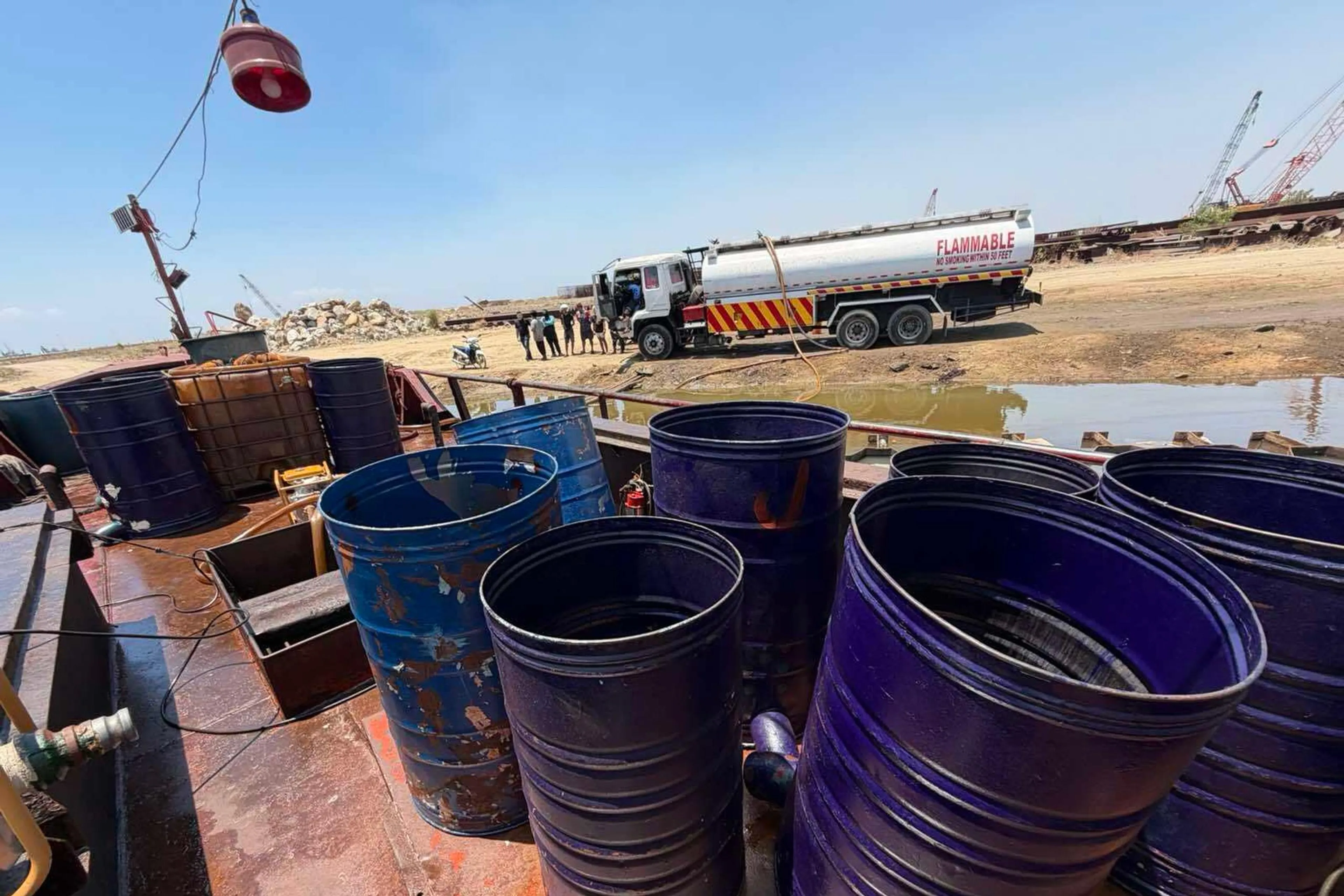
Almost PHP 10M worth of smuggled diesel seized in Navotas
That's 65,000 liters of diesel
PH truck manufacturers issues caution over use of Euro 2 diesel
TMA also calls for "clear and accessible information made available to the public"
Malacanang: President has no power to suspend VAT on fuels
Congress needs to amend or create a new law before VAT on fuels can be suspended
PBBM certifies as urgent a bill to ease limits on importation of biofuels
More imported biofuels to help with high fuel prices