
Electrified vehicle prices are rising in China, and PH should prepare for it
Electrified vehicle prices are rising in China, and PH should prepare for it
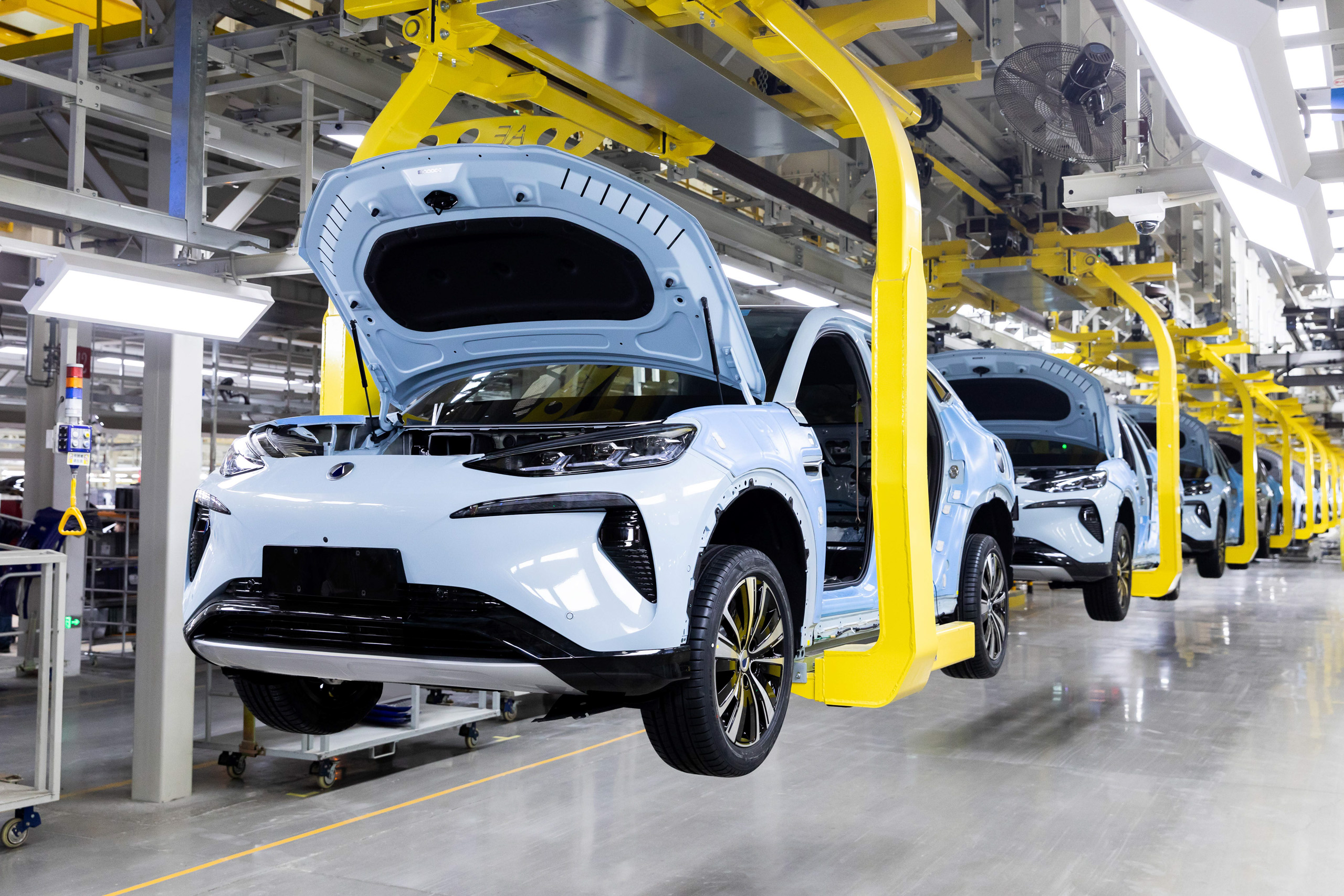
China EV industry facing cost crisis

The brutal price competition in China’s New Energy Vehicle (NEV) market is still ongoing, but the industry is about to face a new adversary.
According to Carnewschina, more than 15 automakers - including BYD, Xiaomi, and several joint-venture brands - have started raising vehicle prices or increasing the cost of optional equipment in China due to rising raw material and semiconductor costs.
Battery-grade lithium carbonate, which is one of the key materials used in EV battery production, has reportedly surged from around USD 11,000 per ton in mid-2025 to nearly USD 29,400 per ton in less than a year. Prices of aluminum and copper have also climbed sharply, which further adds to increasing manufacturing costs.
At the same time, the boom of generative AI and the expansion of AI data centers are putting pressure on semiconductor production, squeezing the supply of automotive-grade storage chips. Reports claim storage chip prices have risen by as much as 180 percent in recent months, with some high-end memory products increasing even further.
While the changes are happening overseas for now, the effects could eventually ripple into the Philippine market as well.
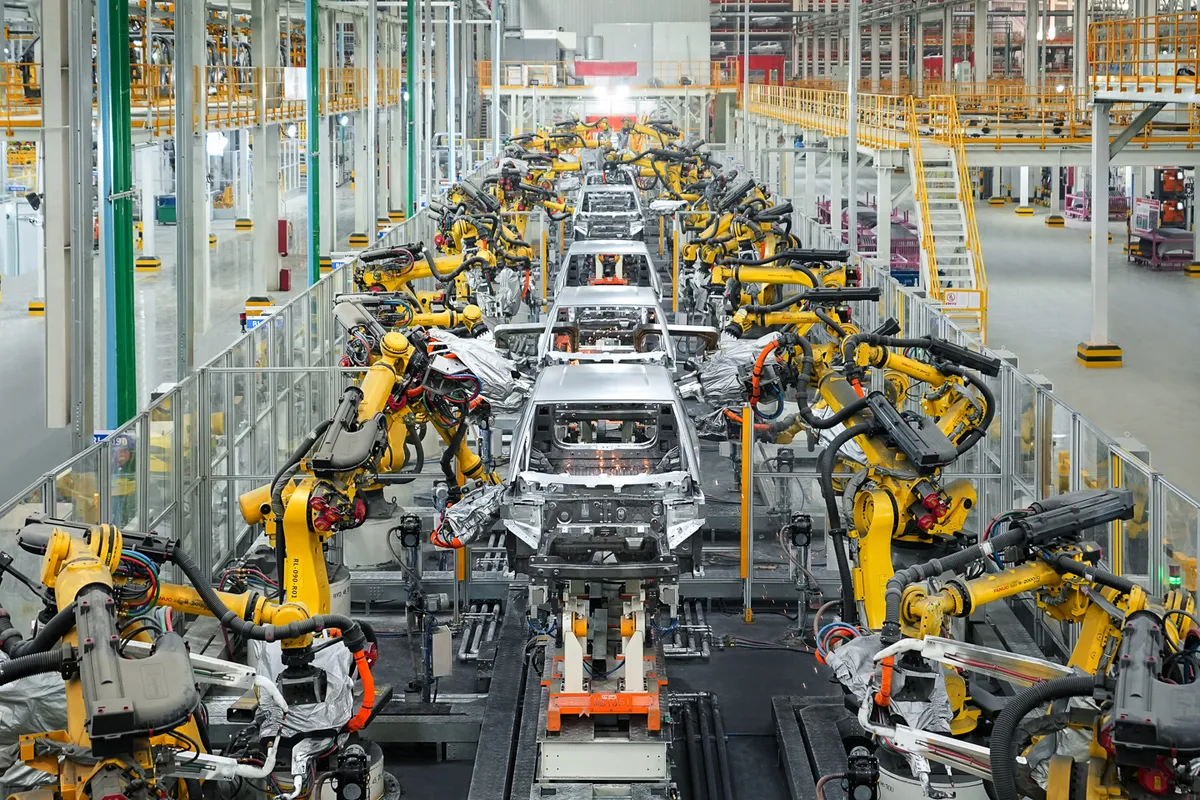
Over the past few years, the local automotive industry has seen a rapid influx of competitively priced new energy vehicles from Chinese brands like BYD, Chery, Jetour, Geely, MG, and Omoda Jaecoo. Many of these vehicles entered the market with aggressive pricing and generous feature lists.
But if supply chain costs continue rising globally, these brands could eventually be forced to adjust pricing in export markets, and that includes us.
Likewise, the impact may not necessarily be limited to new energy vehicles alone. Vehicles equipped with advanced driver assistance systems, large infotainment displays, high-end connectivity features, and intelligent driving technologies could also become more expensive due to rising chip costs.
Some manufacturers may instead choose to keep prices down by reducing equipment levels or limiting advanced features to higher variants.
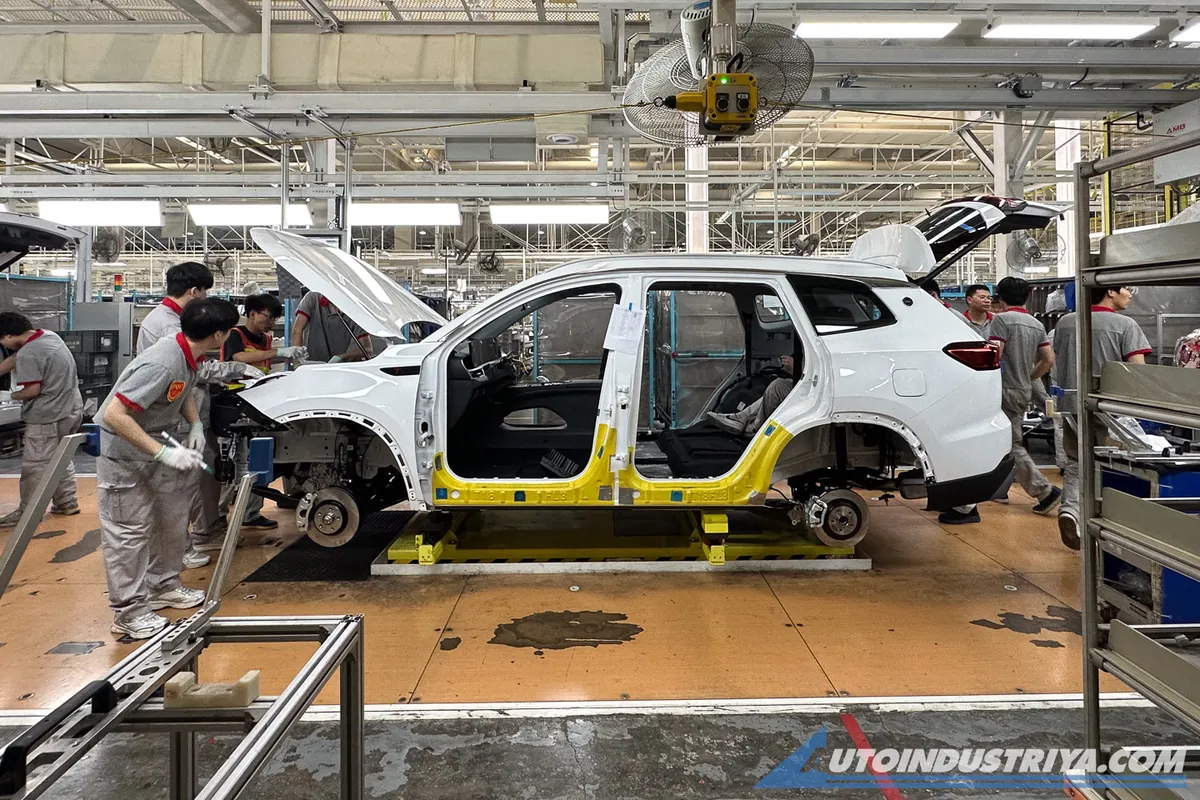
On the other hand, the situation could also strengthen the position of hybrid vehicles in the country. Compared to BEVs and PHEVs, hybrids typically require smaller battery packs, which means they can be less exposed to fluctuations in lithium prices.
Given the country’s still-developing charging infrastructure and price-sensitive market conditions, hybrids may continue to appeal to buyers seeking electrified mobility without the higher acquisition costs of full EVs.
Despite the ongoing adjustments, the intense price war between brands in the PRC might prevent widespread dramatic price increases, at least in the short term. But still, the latest developments suggest that the bubble of aggressive NEV pricing from Chinese brands might eventually burst.
In such a price-sensitive market, this matter is something that distributors and buyers of new energy vehicles in the country should keep an eye on as electrification continues to expand in the Philippines.
Related Posts
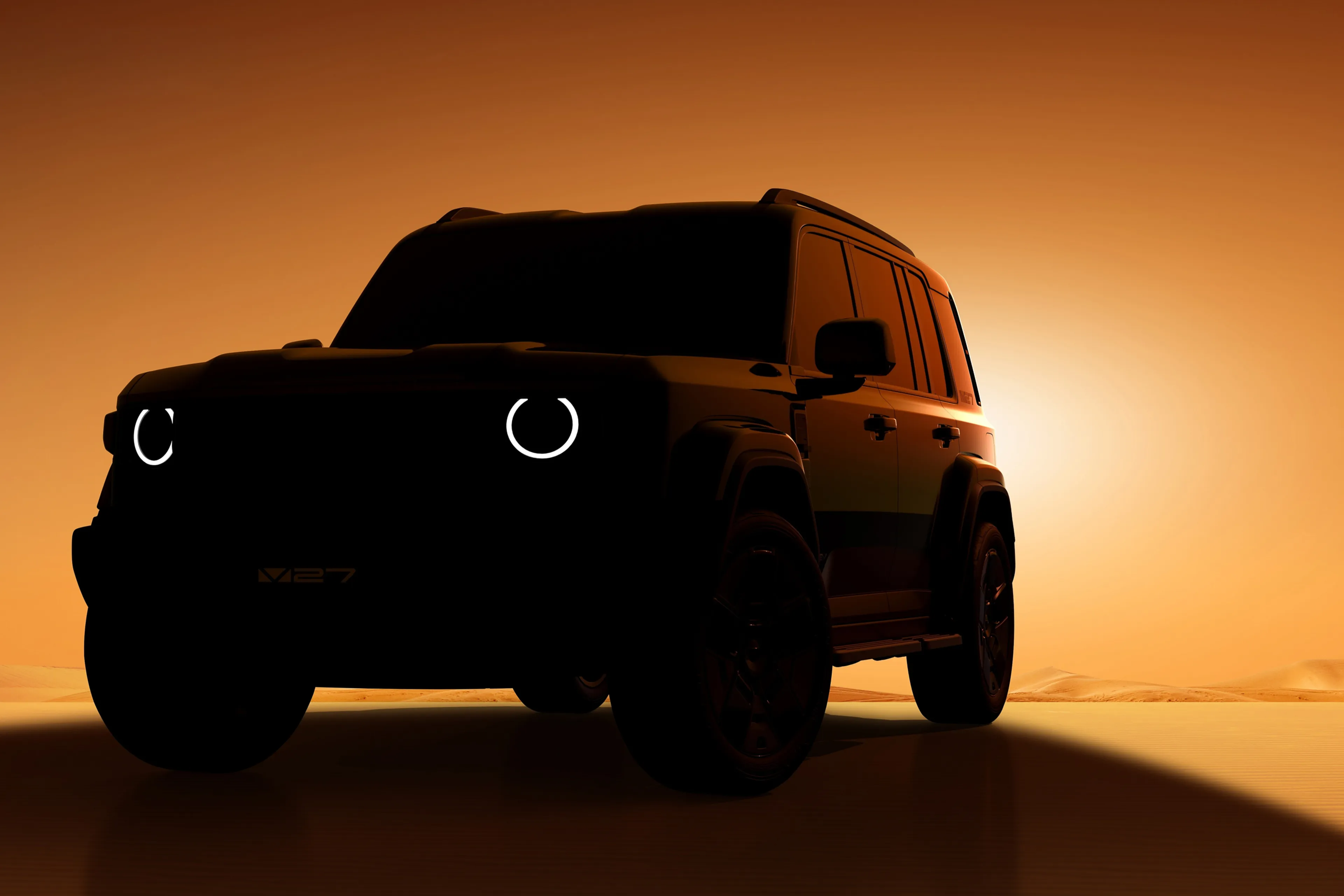
iCaur to launch V23 EV and V27 REEV in the Philippines this October
Omoda Jaecoo Philippines to officially bring NEV brand iCaur to the market this October, debuting with the V23 all-electric crossover and the V27 range-extended hybrid SUV.
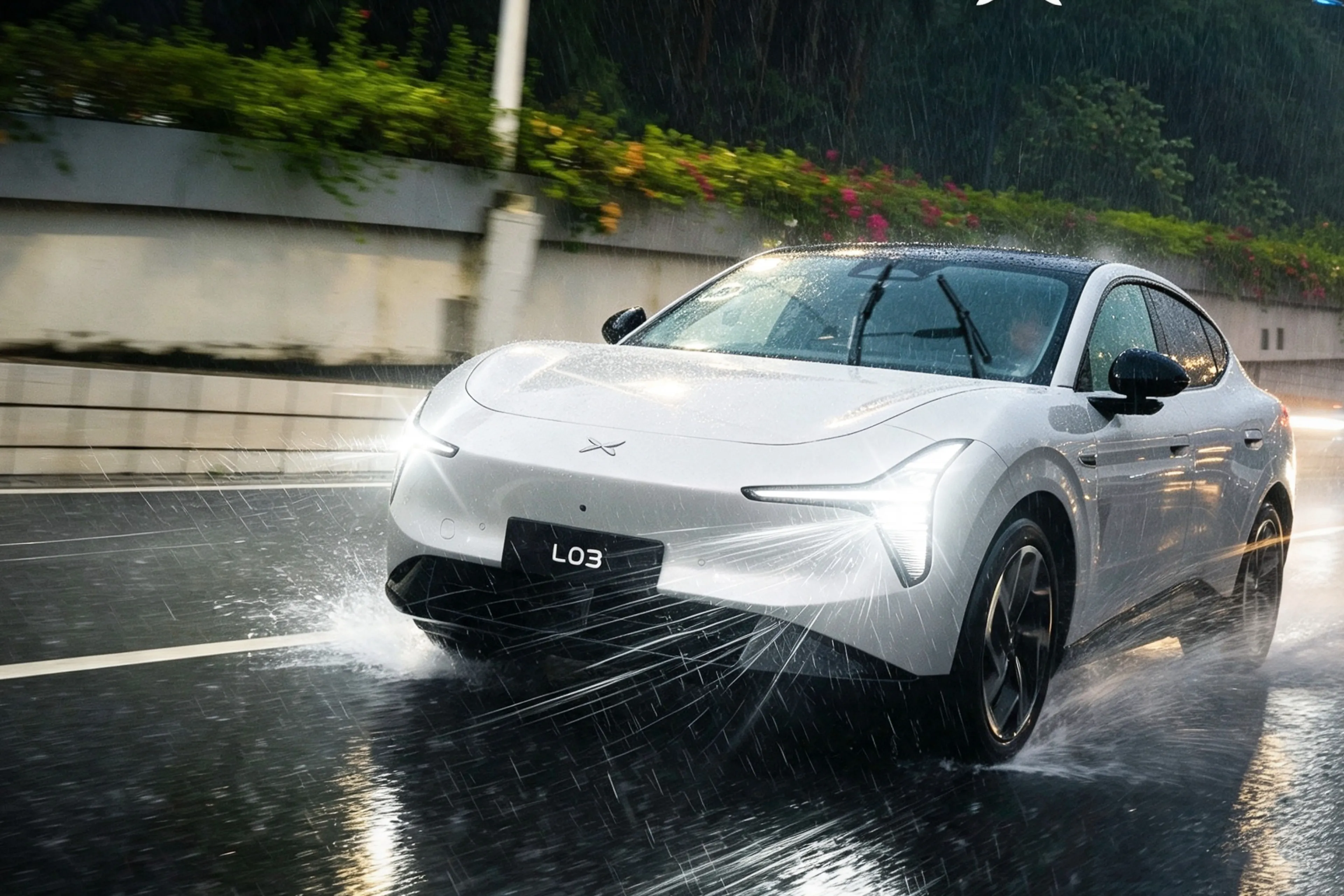
XPeng: Driving into a New World Order
XPeng is establishing itself in the Philippines. What can we expect from this AI-driven auto manufacturer?
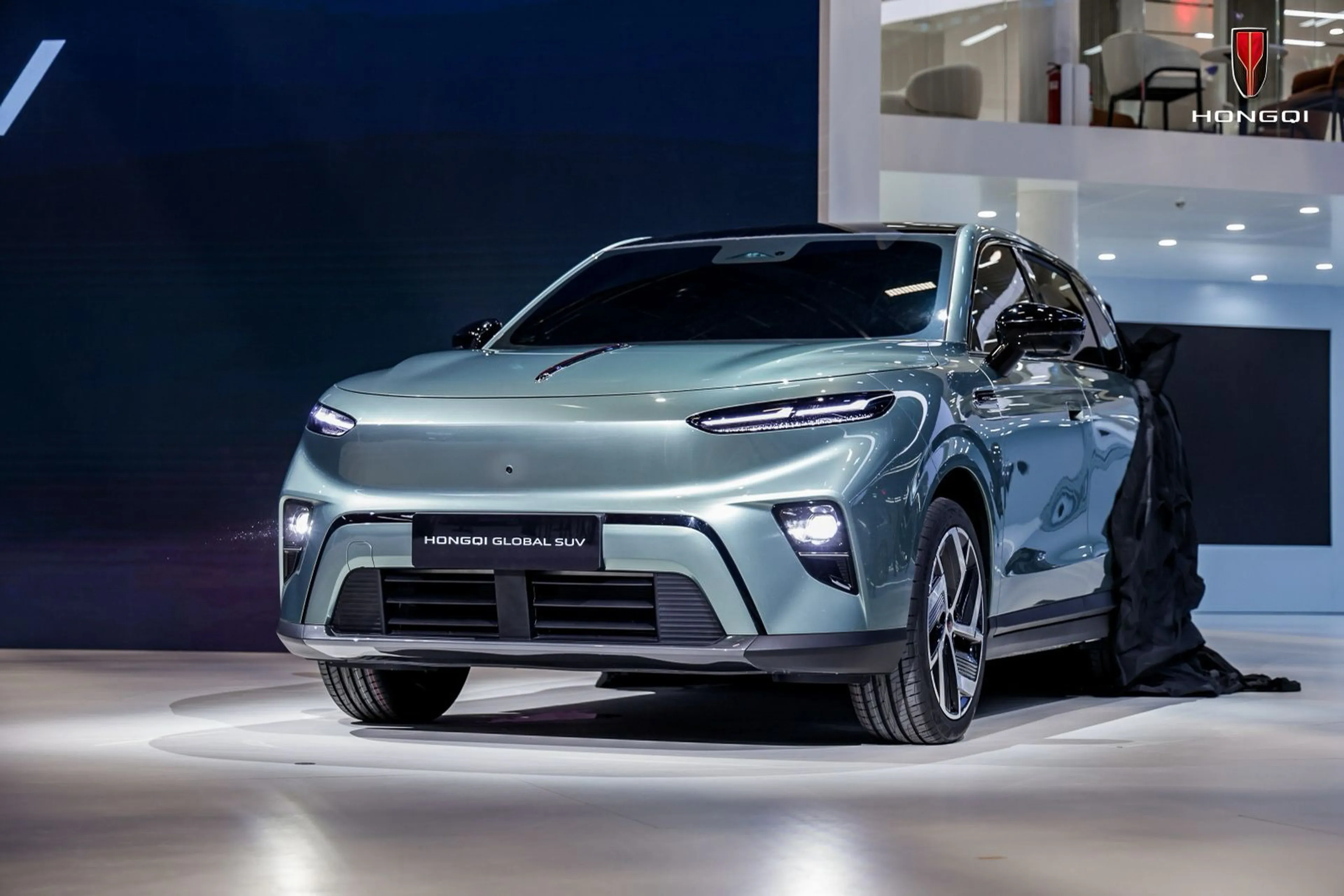
Hongqi unveils its new and upcoming SUVs at 2026 Beijing Auto Show
From new-generation models to upcoming nameplates, Hongqi showed its growing EV portfolio
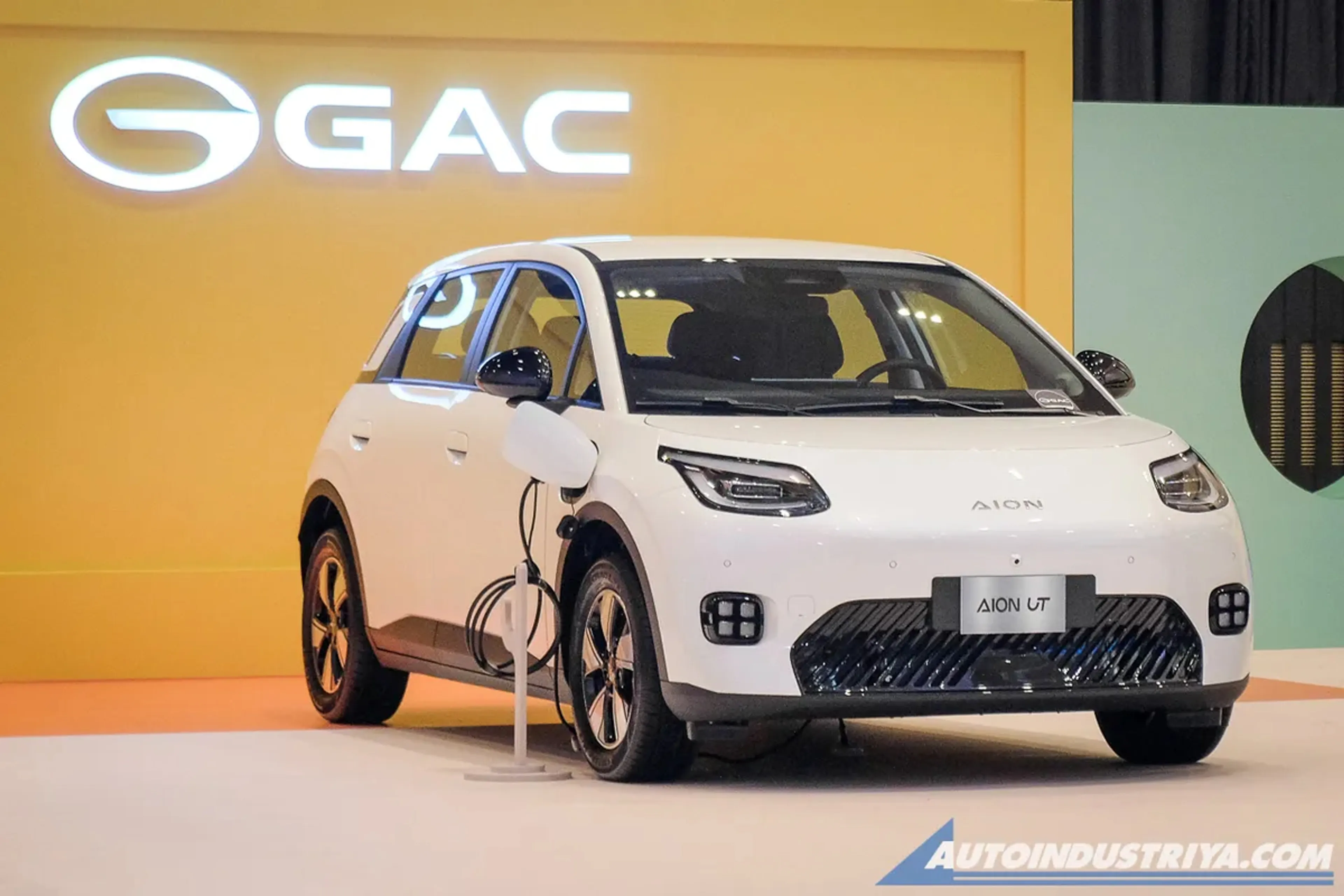
GAC extends AION UT PHP 998K introductory price until July 31
AION UT stays under PHP 1 million as GAC extends launch promo
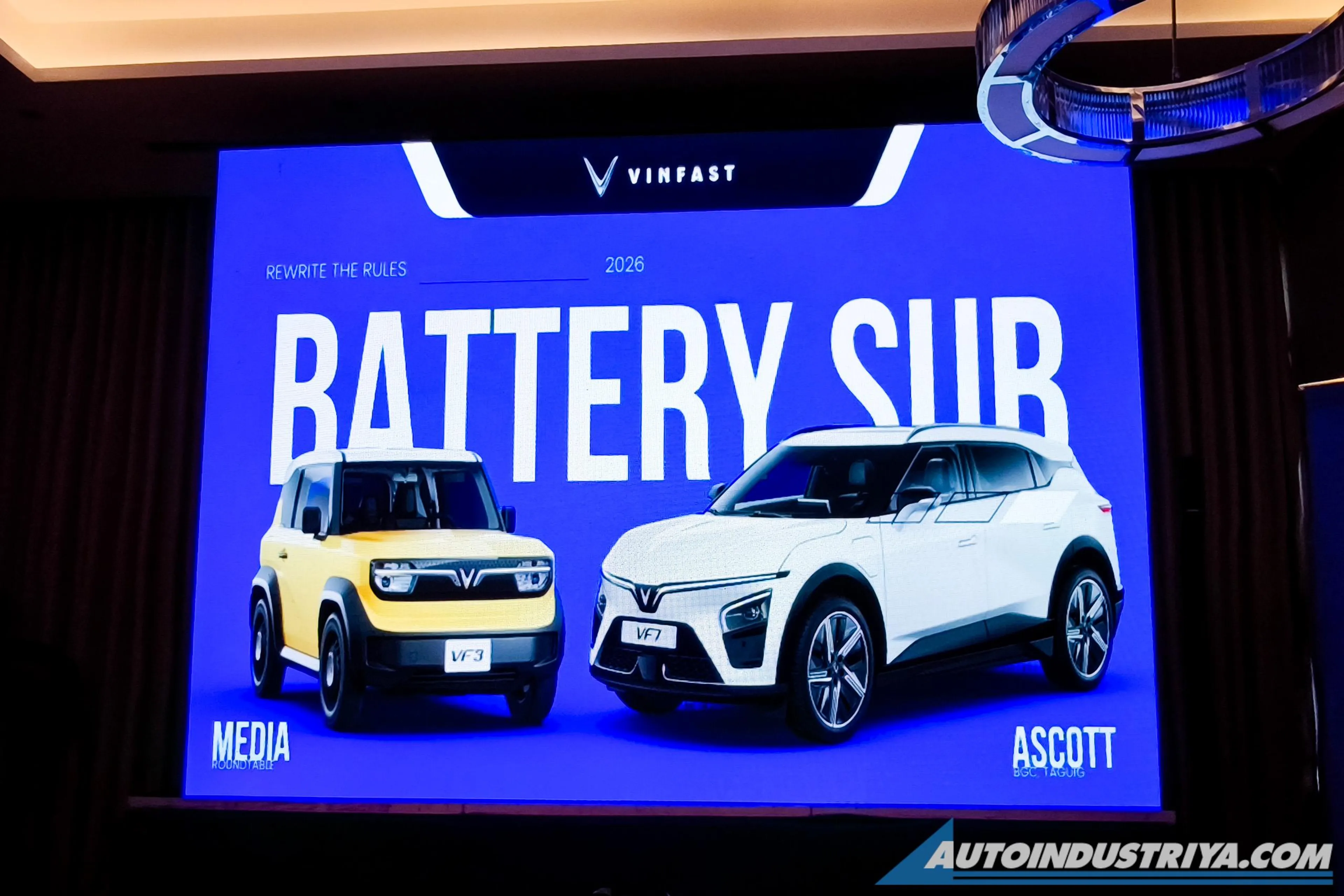
Discounts & peace of mind: VinFast PH relaunches battery subscription service
VinFast Philippines reintroduces battery subscription program with more perks and peace of mind to customers
Chevrolet Ends New Car Sales in China, But What Does It Mean for the Philippines?
General Motors is sunsetting Chevrolet in China amid fierce local EV competition, leaving questions for overseas markets like the Philippines that rely on regional sourcing.