
Freight shock: Global tanker shortage pushes up fuel costs for drivers
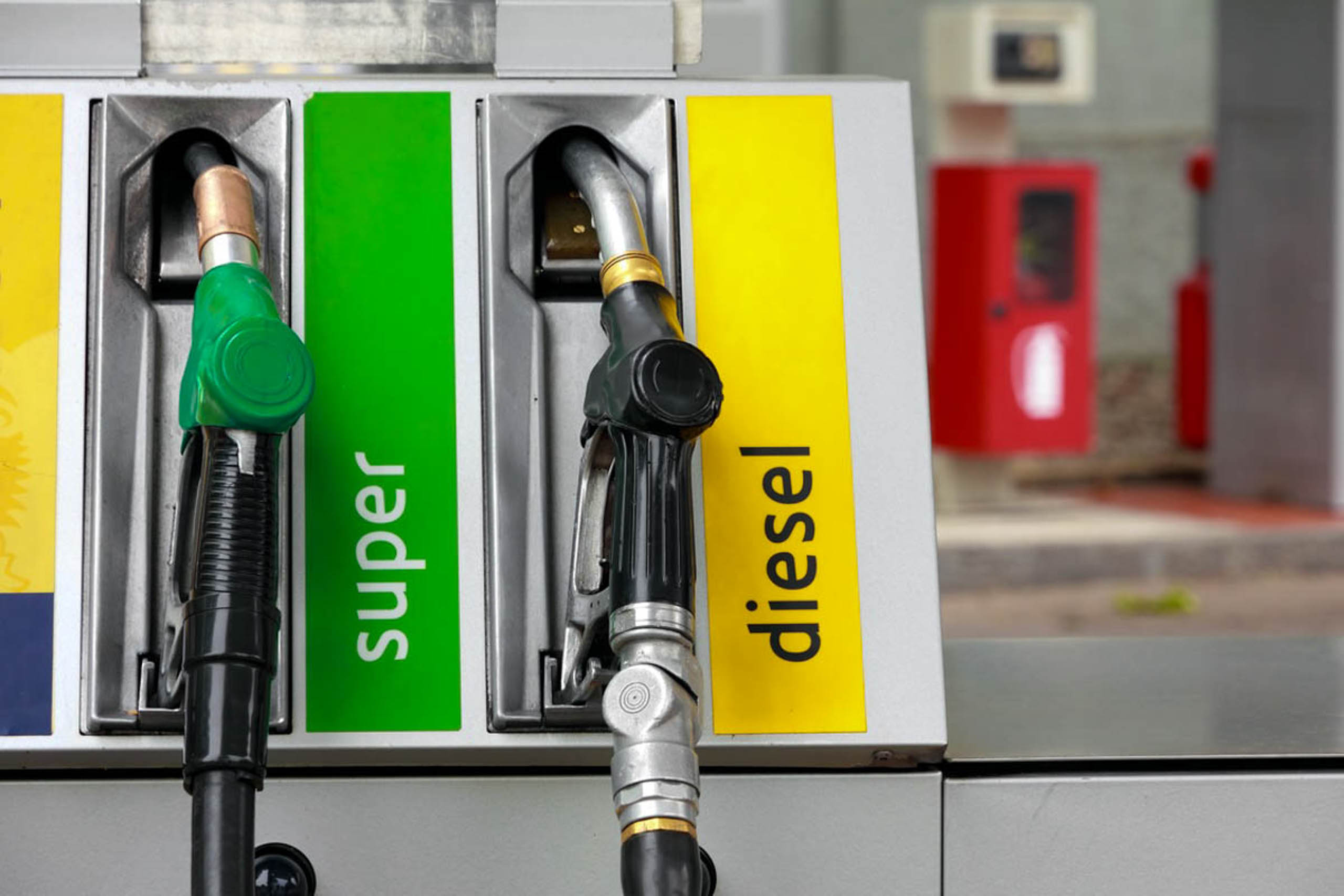
Freight shock: Global tanker shortage pushes up fuel costs for drivers
Tanker shortage sends oil shipping costs soaring, pushing global fuel prices

While everyone is watching crude oil futures, the physical oil market is facing a crisis of its own.
Oil prices aren't being driven by crude alone; the cost of shipping it has skyrocketed, adding another layer of pressure on fuel prices worldwide. Shipping 2 million barrels of crude from West Africa to China now costs an average of USD 23.59 per barrel, up from roughly $6.50 in July; that’s a staggering 258% increase in just two months.
The problem is a growing shortage of oil tankers.
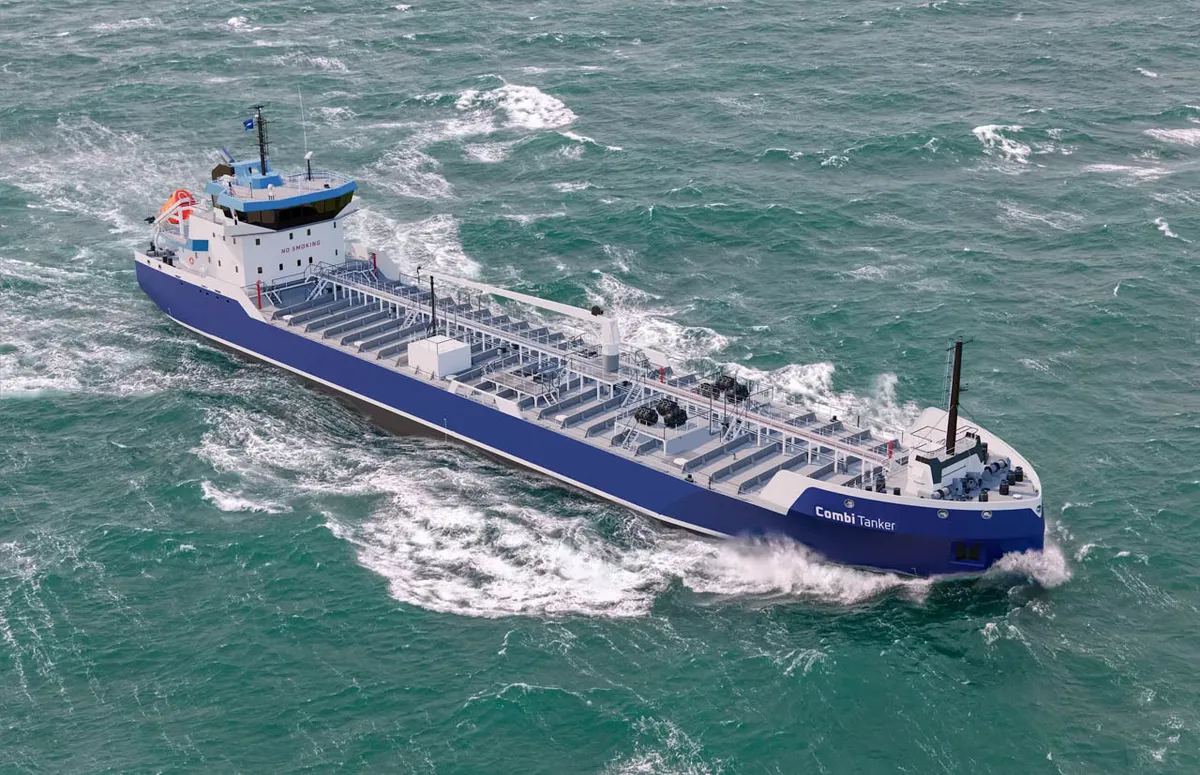
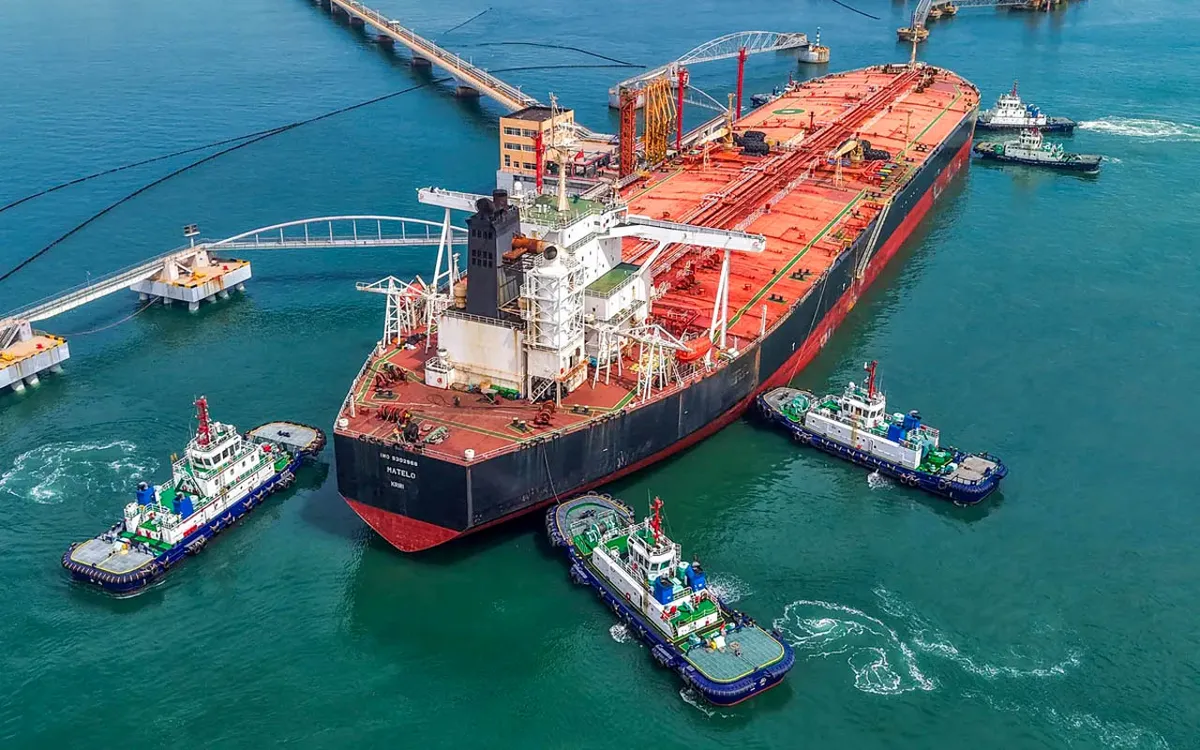
Conflict involving Iran, attacks on regional energy infrastructure, and disruptions around the Strait of Hormuz have forced more crude onto an already stretched tanker fleet.
With vessels spending more time on longer routes and ship-to-ship transfers, tanker availability has tightened significantly, pushing freight rates to record levels. With fewer tankers available, shipping costs rise, making every barrel of oil more expensive to transport.
That means fuel prices could remain elevated even if crude oil prices fall, because refiners have to pay more to get the oil delivered.
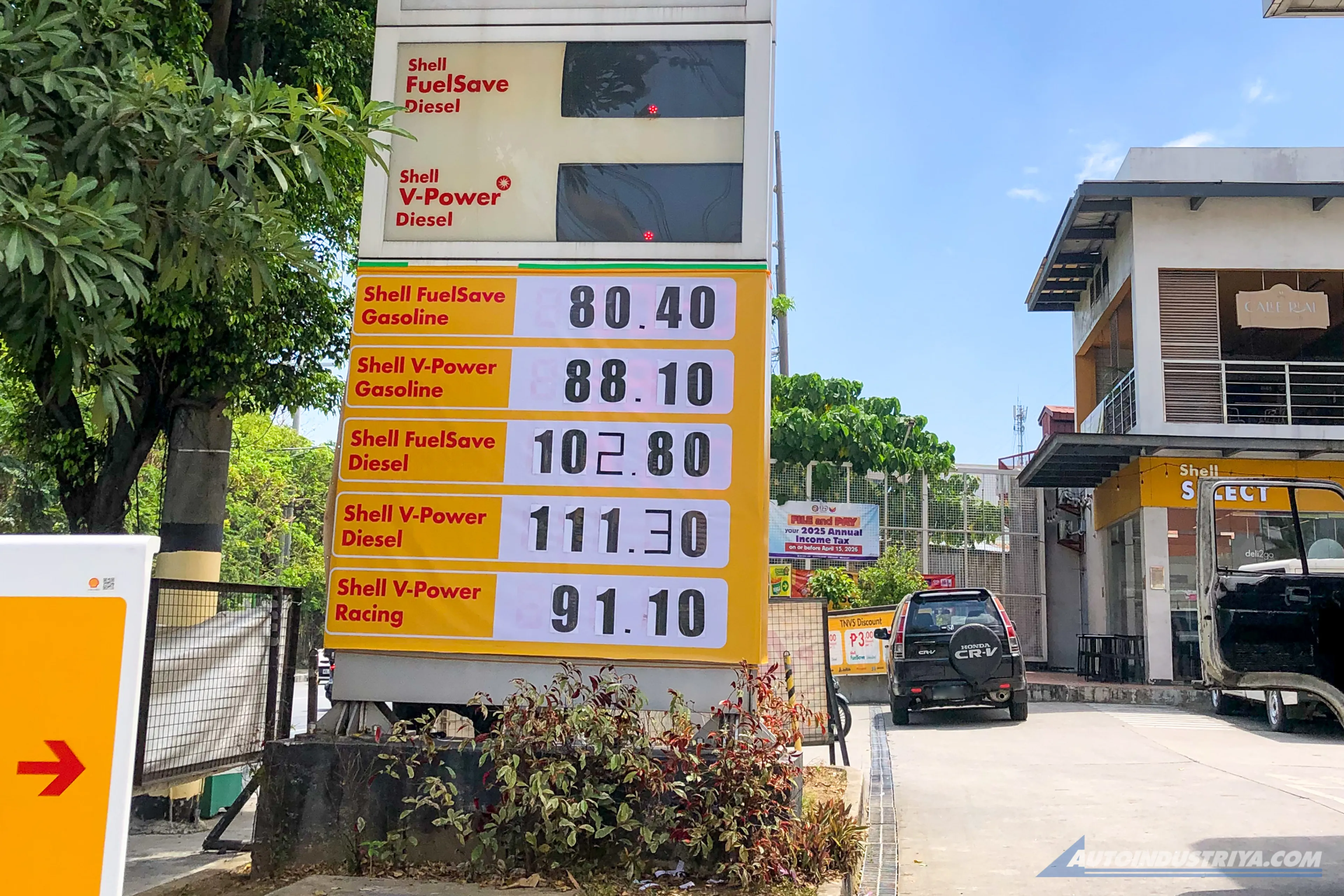
The Philippines is particularly vulnerable because it relies heavily on imported crude and petroleum products. Global oil movements feed directly into the country's weekly pump-price adjustments that have weighed heavily on Filipino motorists.
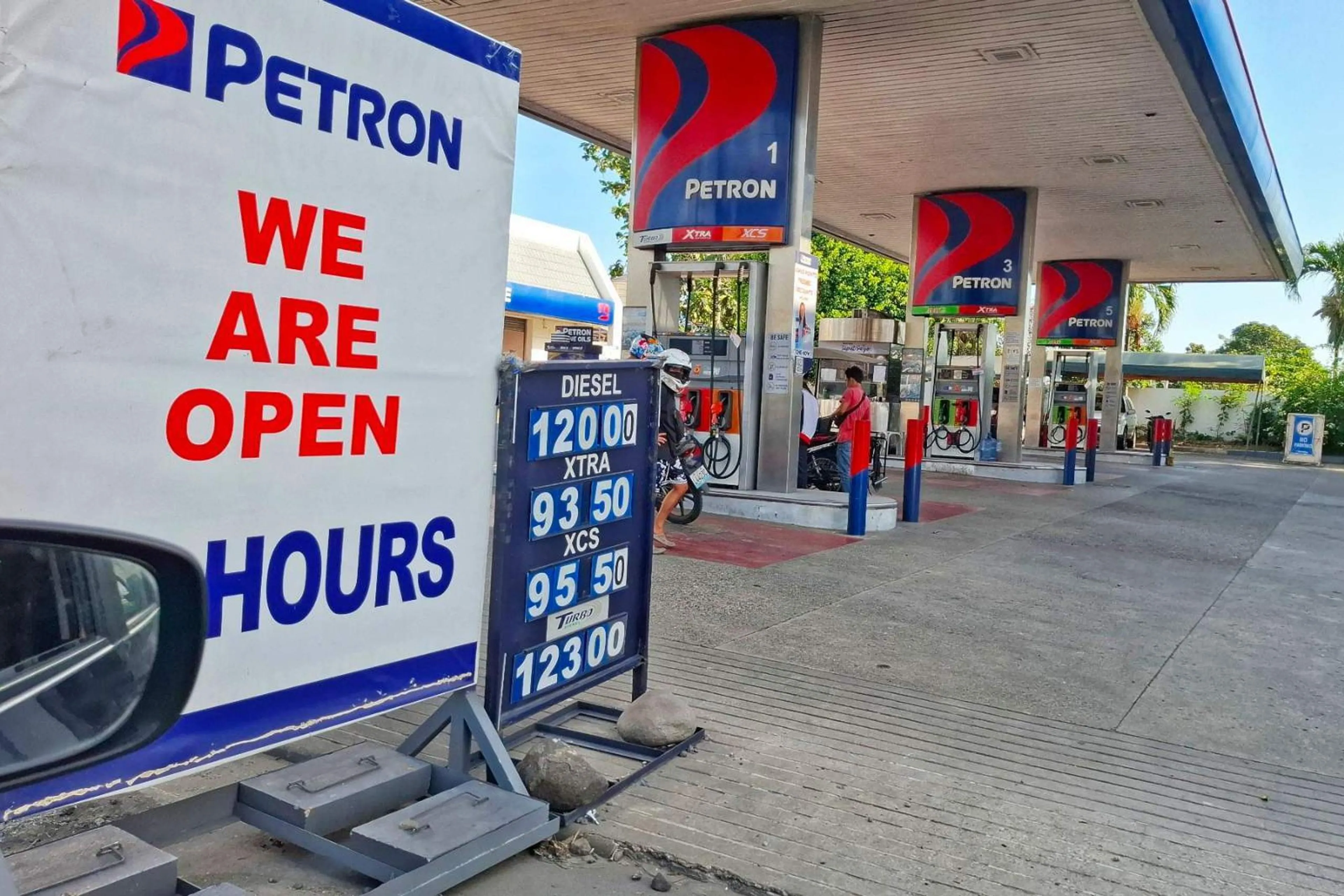
The impact continues to be felt as another round of fuel hikes was imposed today, with diesel fuel up by PHP8.82 and gasoline by PHP4.88. However, some fuel companies have conducted staggered price hikes to help motorists adjust to the new round of price hikes.
For Filipinos and motorists around the world, the takeaway is simple: it's not just the price of oil that matters and dictates gas pump prices; the cost of hauling it matters, too.
Related Posts
Iran closes Strait of Hormuz again, will PH fuel prices skyrocket once more?
New Hormuz closure could trigger another fuel price surge due to US-Iran strikes
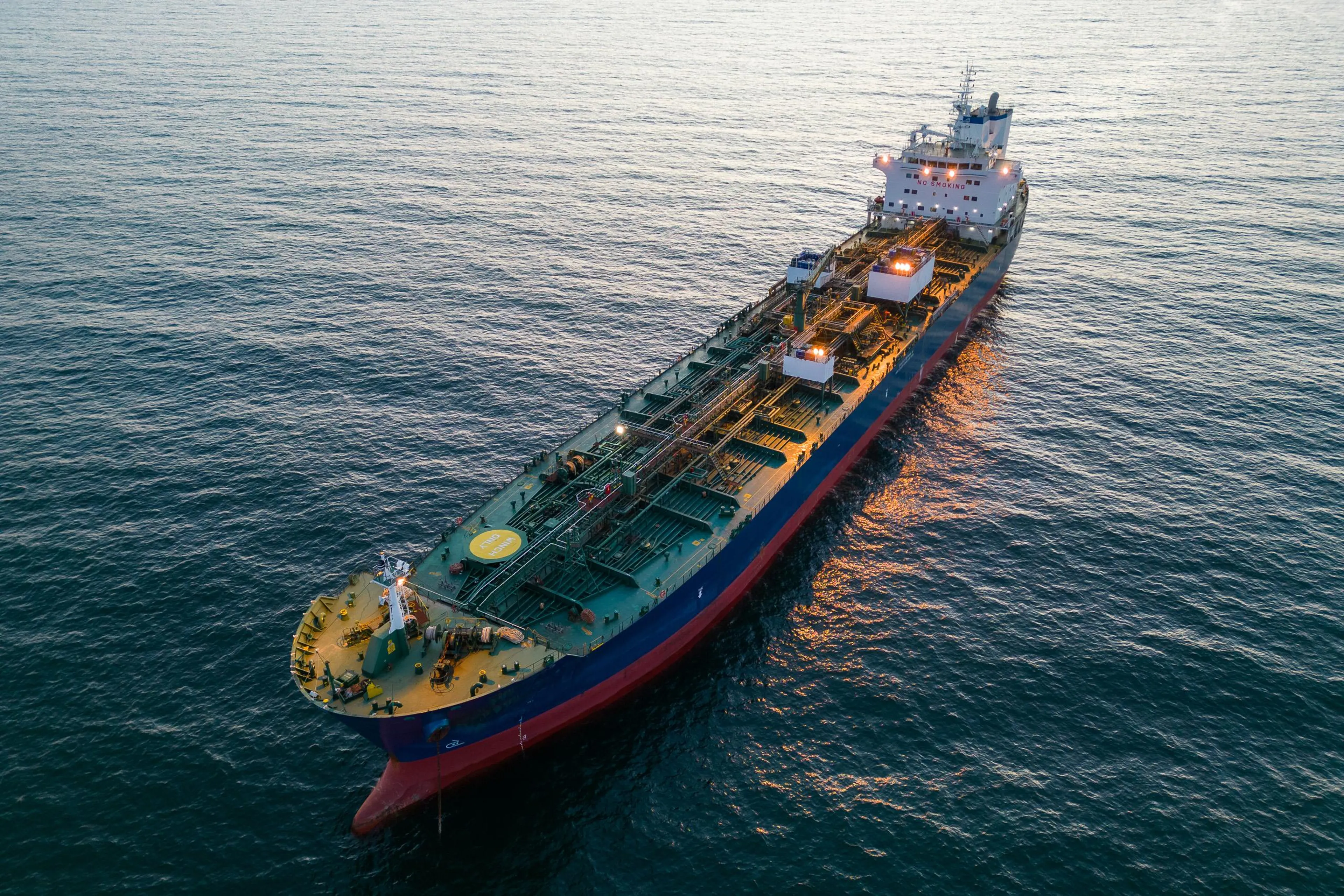
PBBM: PH gov't looking for alternate sources of oil amid Middle East tensions
The Philippines may soon buy oil from other countries as tensions in the Middle East continue
Palace: Still no fuel subsidy program for private motorists
Private motorists are left out as the government continues to roll out fuel assistance program for PUVs only
Bridgestone Ecopia EP300: Making every kilometer count
For those who require tires built for everyday efficiency, meet the Bridgestone Ecopia EP300
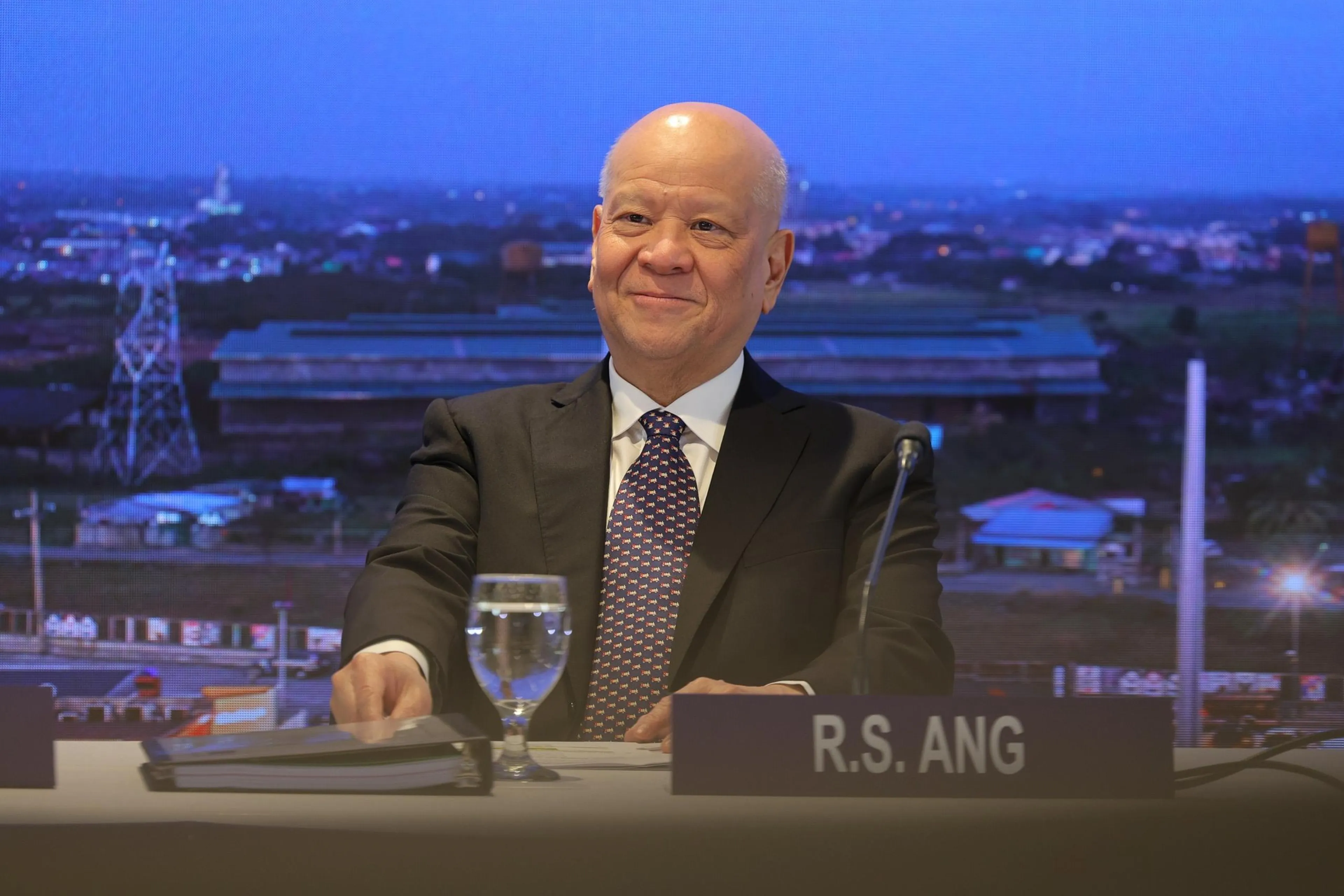
Petron's RSA says fuel crisis not the time to make larger profits
Ramon S. Ang of Petron Corporation says they will do everything they can to help motorists amidst the energy crisis
Executive Order No. 110: Ayuda, accelerated EV adoption, and more
The President stresses that it is an emergency for the country's energy sector only