
Hyundai to slash half of combustion engines from lineup?
Hyundai to slash half of combustion engines from lineup?
Hyundai is preparing to say goodbye to the internal combustion engine

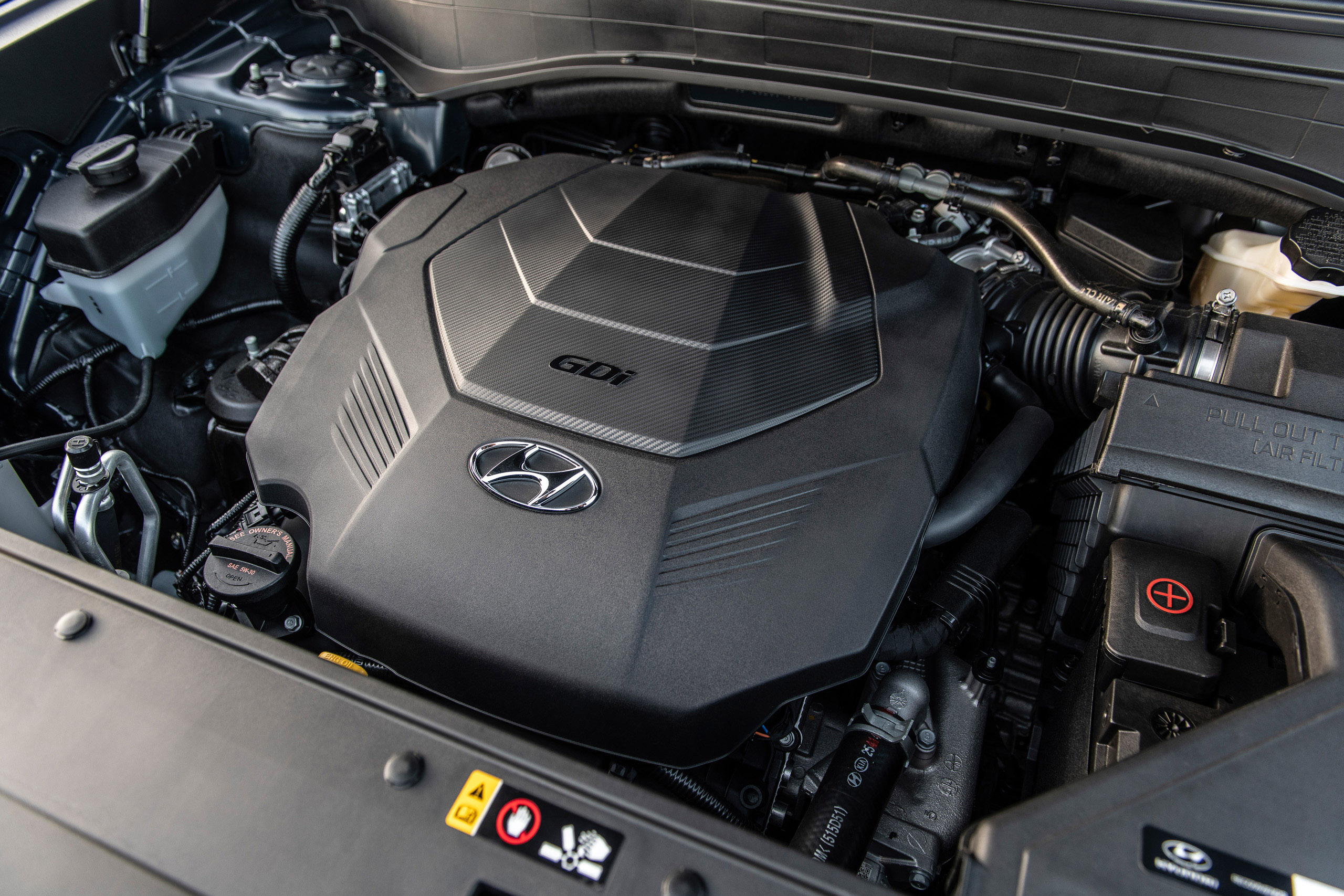
It looks like Hyundai is ready to move forward from the internal combustion engine (ICE). After reportedly halting the development of new diesel engines earlier this year, the Korean automaker is now set to reduce its combustion engine lineup.
According to a report by Reuters, Hyundai Motor Group will slash the number of its internal combustion engines (ICEs) by 50%. This is to free up resources that Hyundai can invest in electric vehicles. The move has supposedly been approved by top management as early as March according to two people close to the matter.
“It is an important business move, which first and foremost allows the release of R&D resources to focus on the rest: electric motors, batteries, fuel cells,” the person close to the matter said to Reuters.
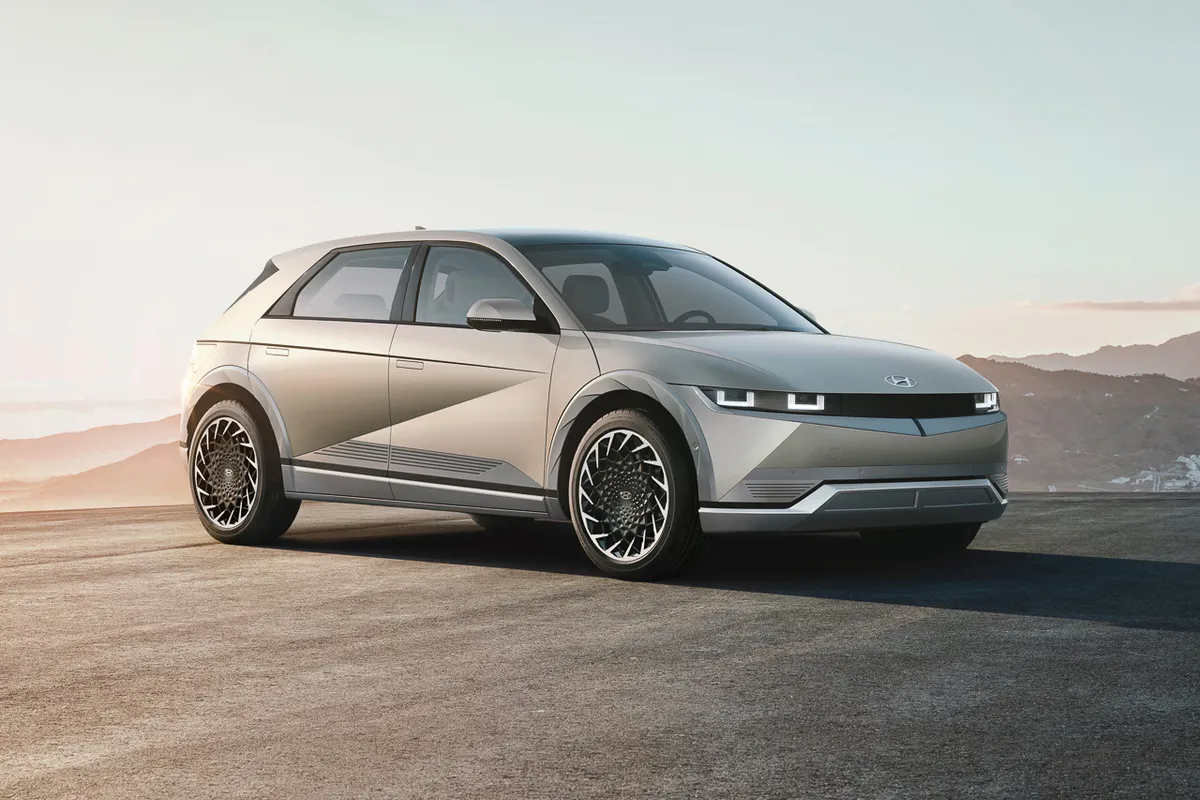
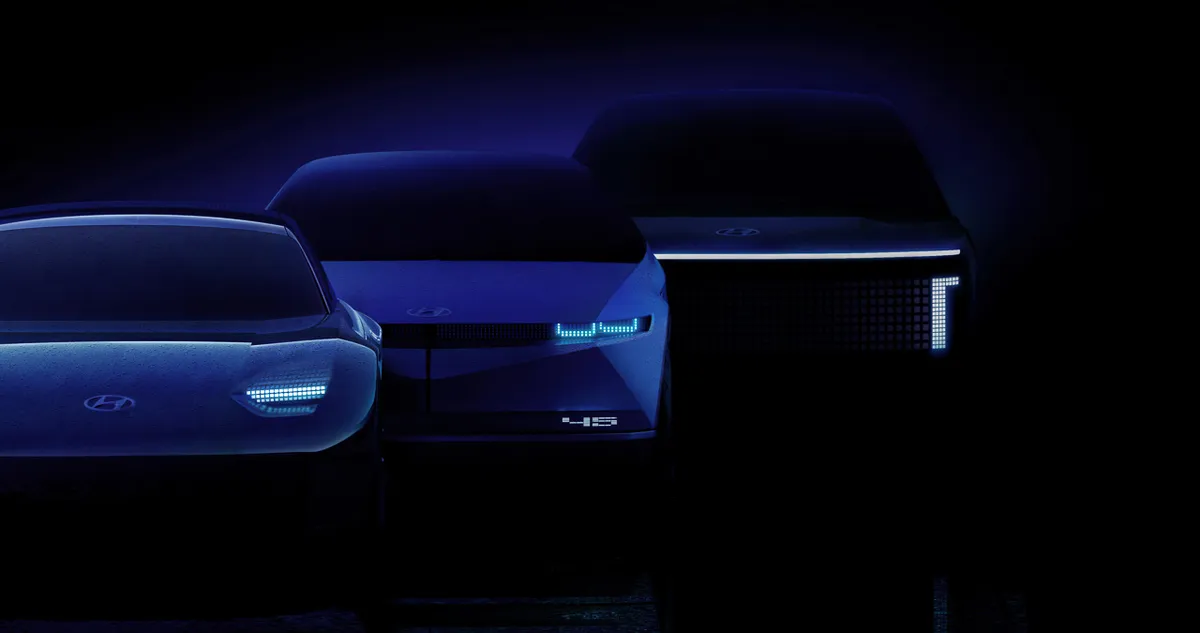
This news about Hyundai planning to cut its combustion engine lineup doesn't come as a surprise. With the Korean automaker already having the Ioniq EV sub-brand, they are looking to launch more electric vehicles soon. Currently, they now have the Ioniq 5 which serves as their first-ever dedicated EV crossover. In the future, they will launch the Ioniq 6 and the Ioniq 7 which will become the brand's first-ever electric sedan and large SUV.
Under the company's Strategy 2025, Hyundai also plans on becoming a smart mobility solution provider via two core pillars: smart mobility devices and smart mobility services. The company is looking to target younger demographics with affordable battery-electric vehicles (BEVs). By 2025, Hyundai aims to sell 670,000 EVs annually (560,000 BEVs and 110,000 fuel-cell vehicles).
By cutting its ICE lineup, the Korean automaker will be able to accelerate its adoption of making eco-friendly vehicles such as EVs and fuel cell vehicles. Moreover, the company aims to gradually expand its battery EV offerings in key markets like the US, Europe, and China. By 2040, Hyundai's goal is to have fully transitioned into electrification.
As Hyundai looks towards the future of zero emissions and electrified mobility, it seems the days of developing new ICEs are coming to a close. With strict emission standards on the horizon, more and more automakers are slowly making the switch to developing EVs.
Will the Philippines be able to keep up with the times? There are already automakers offering EVs and hybrids in the country. But with most of the market still hesitant about hybrids/EVs, combined with the lack of tax incentives for greener vehicles, it might take the Philippines some more years before buyers actually prefer hybrids over cars with combustion engines.
Related Posts
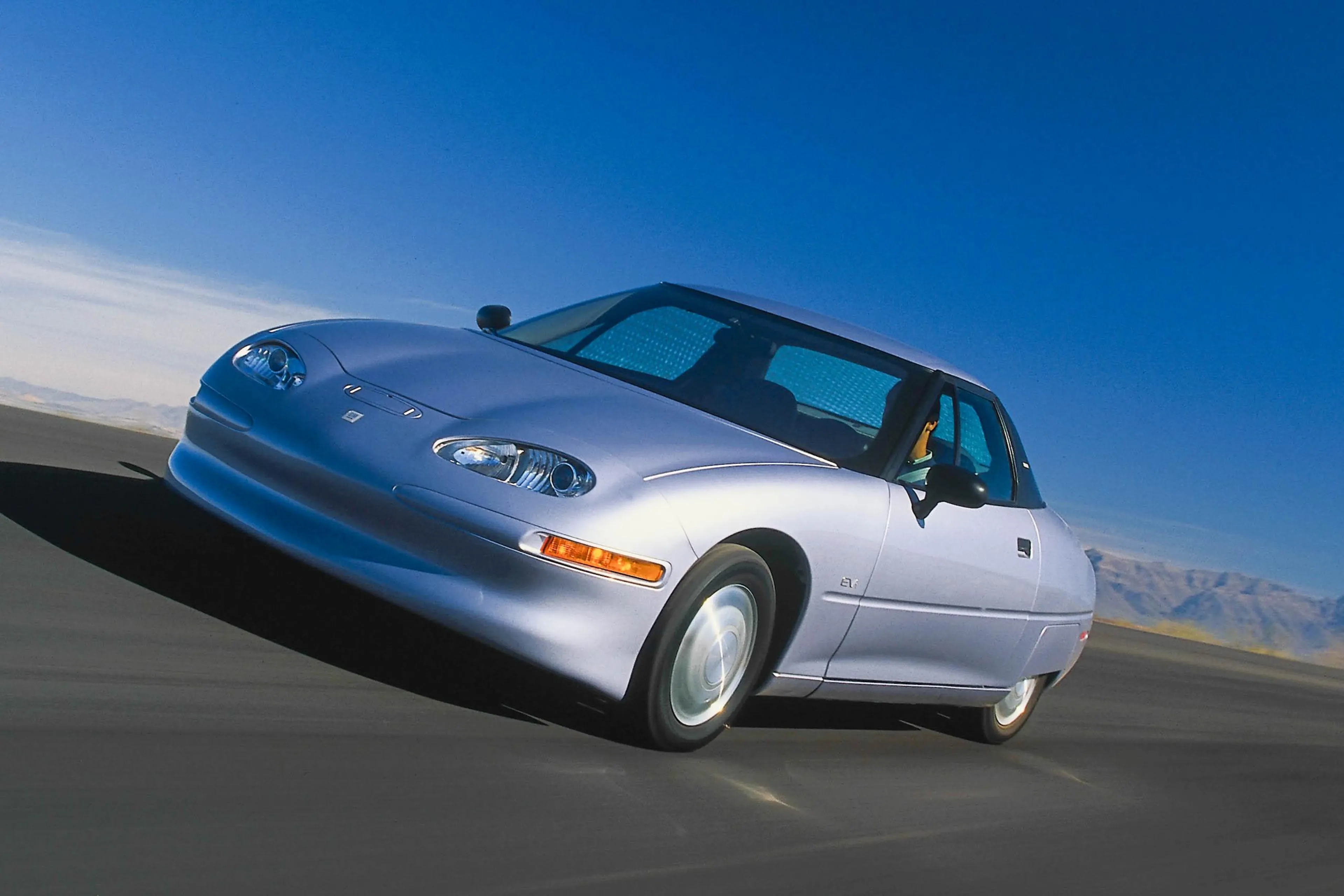
How the 1997 GM EV1 shaped modern EVs today
1997 General Motors EV1 and its innovations paved the way for today's electric vehicles.
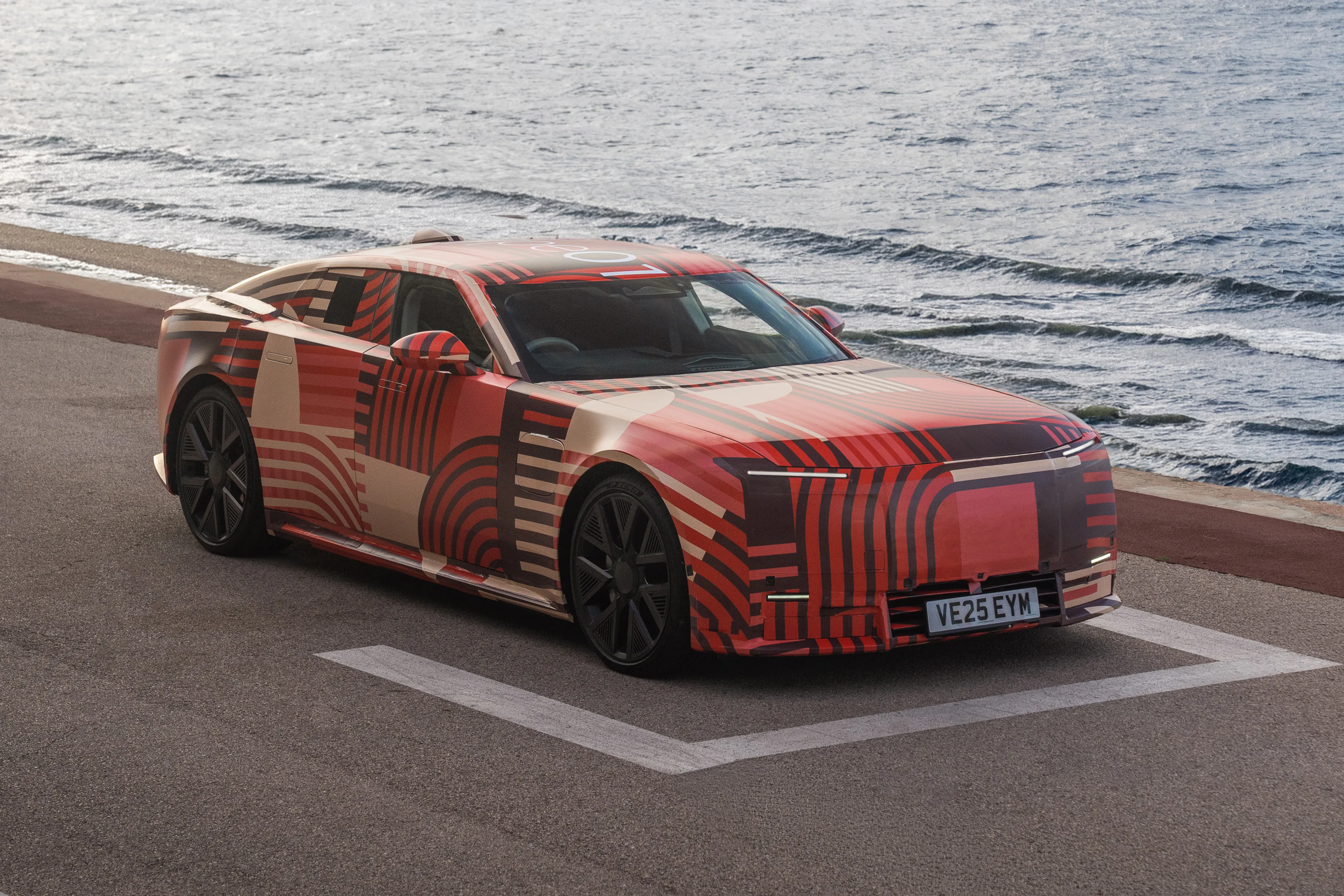
Type 01 is Jaguar's ambitious 1,000 HP super EV
Jaguar Type 01 makes over 1,000 HP and more than 1,300 Nm of torque
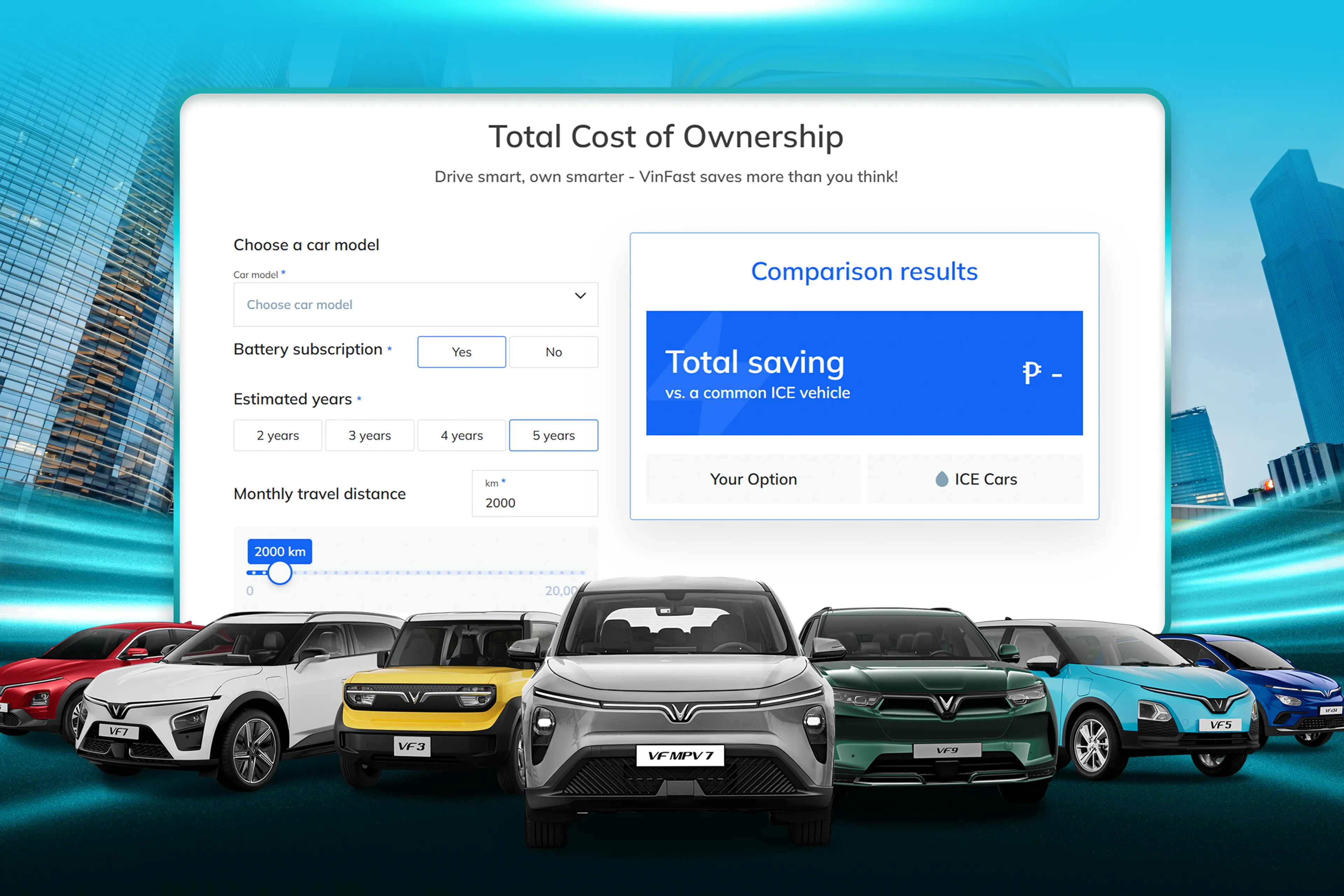
EV savings? VinFast’s Total Cost of Ownership calculator does the math
VinFast’s new calculator lets buyers see how EV ownership costs compare.
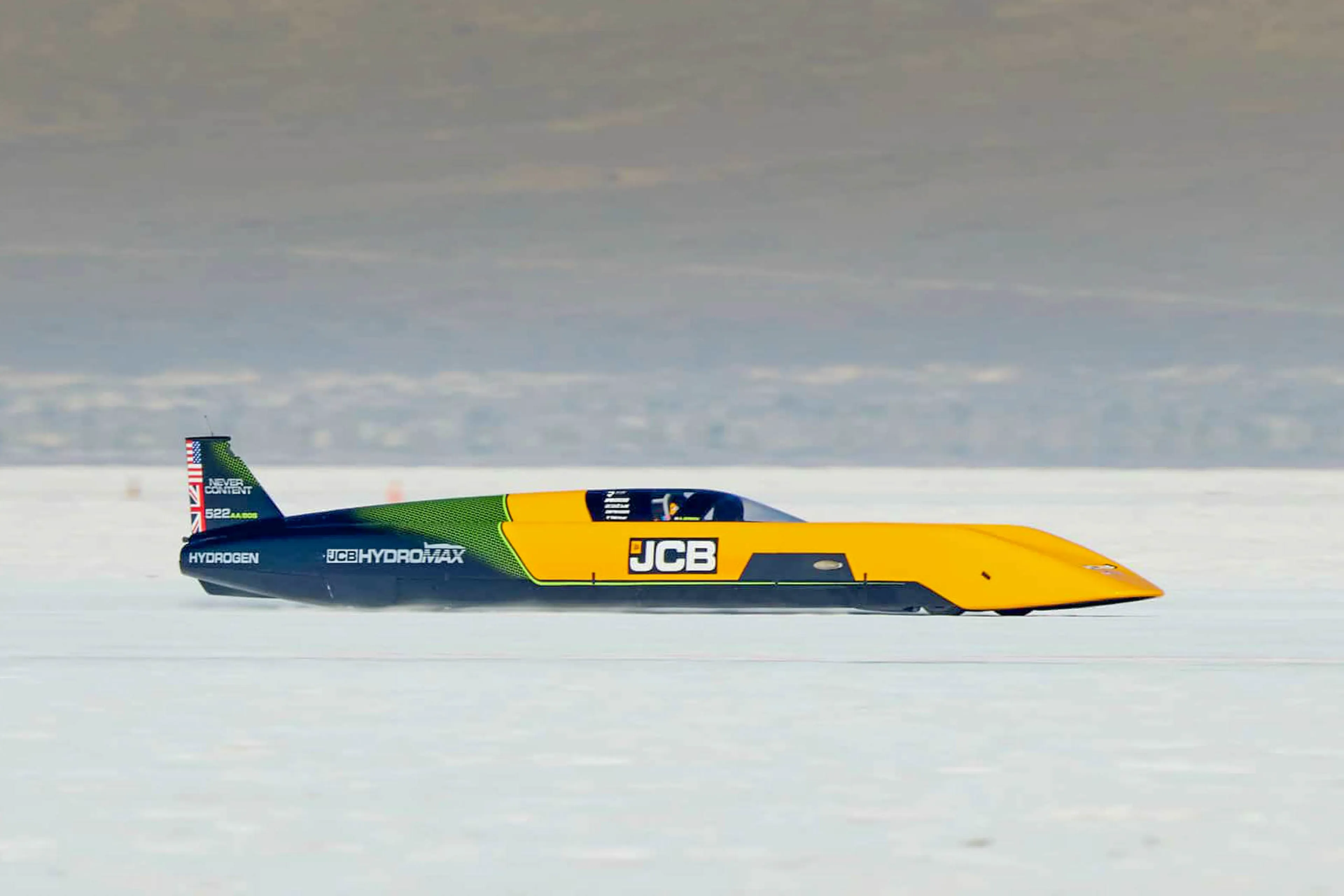
JCB Hydromax sets Hydrogen Land Speed Record at 653.90 km/h
JCB Hydromax streamliner has achieved a provisional flying-kilometer average speed of 406.320 mph (653.90 km/h) at the Bonneville Salt Flats in Utah, setting a world land speed record for a hydrogen-powered vehicle
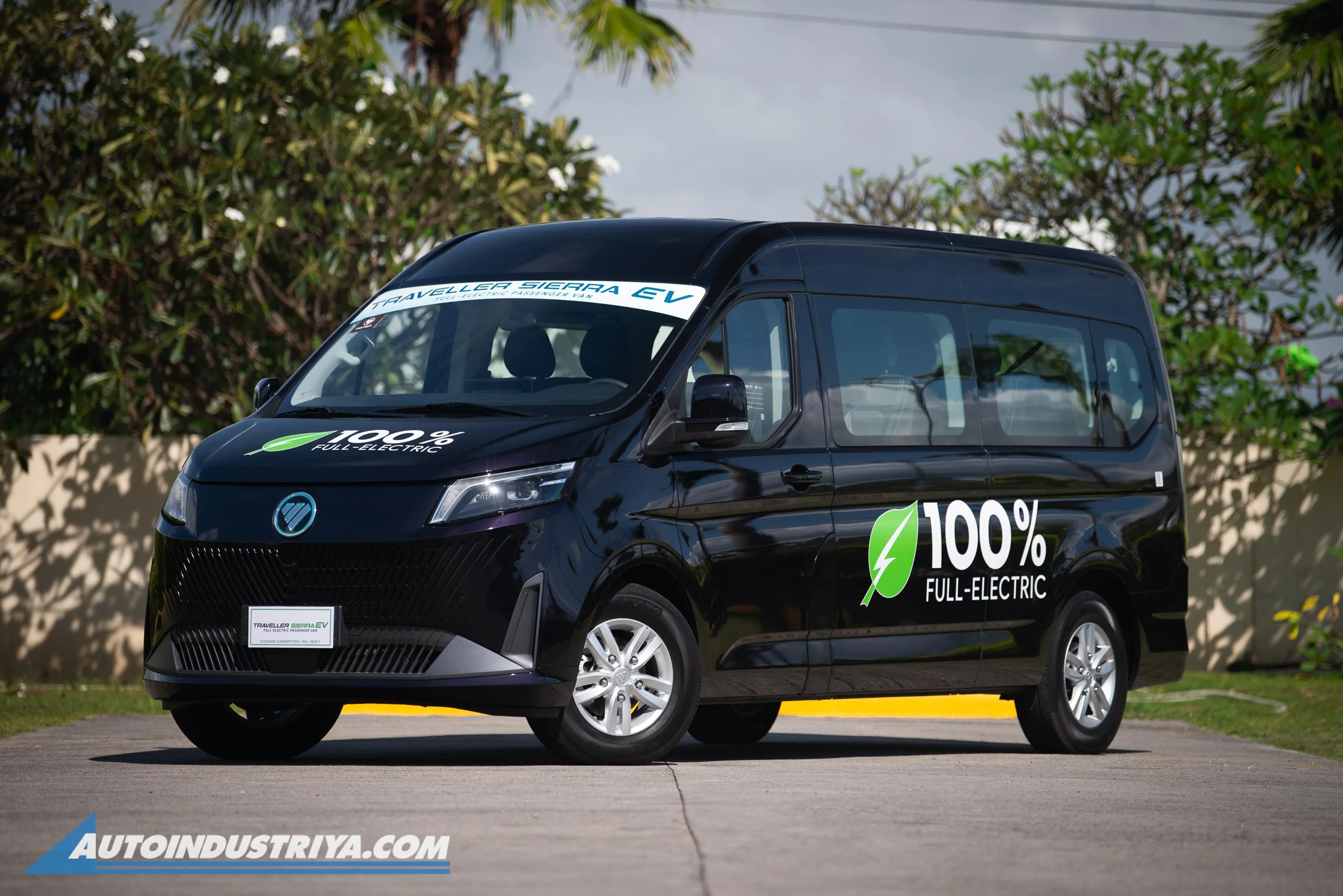
Embracing Electric Mobility: Foton Traveller Sierra EV
Experience the quiet revolution in people moving with the Foton Traveller Sierra EV
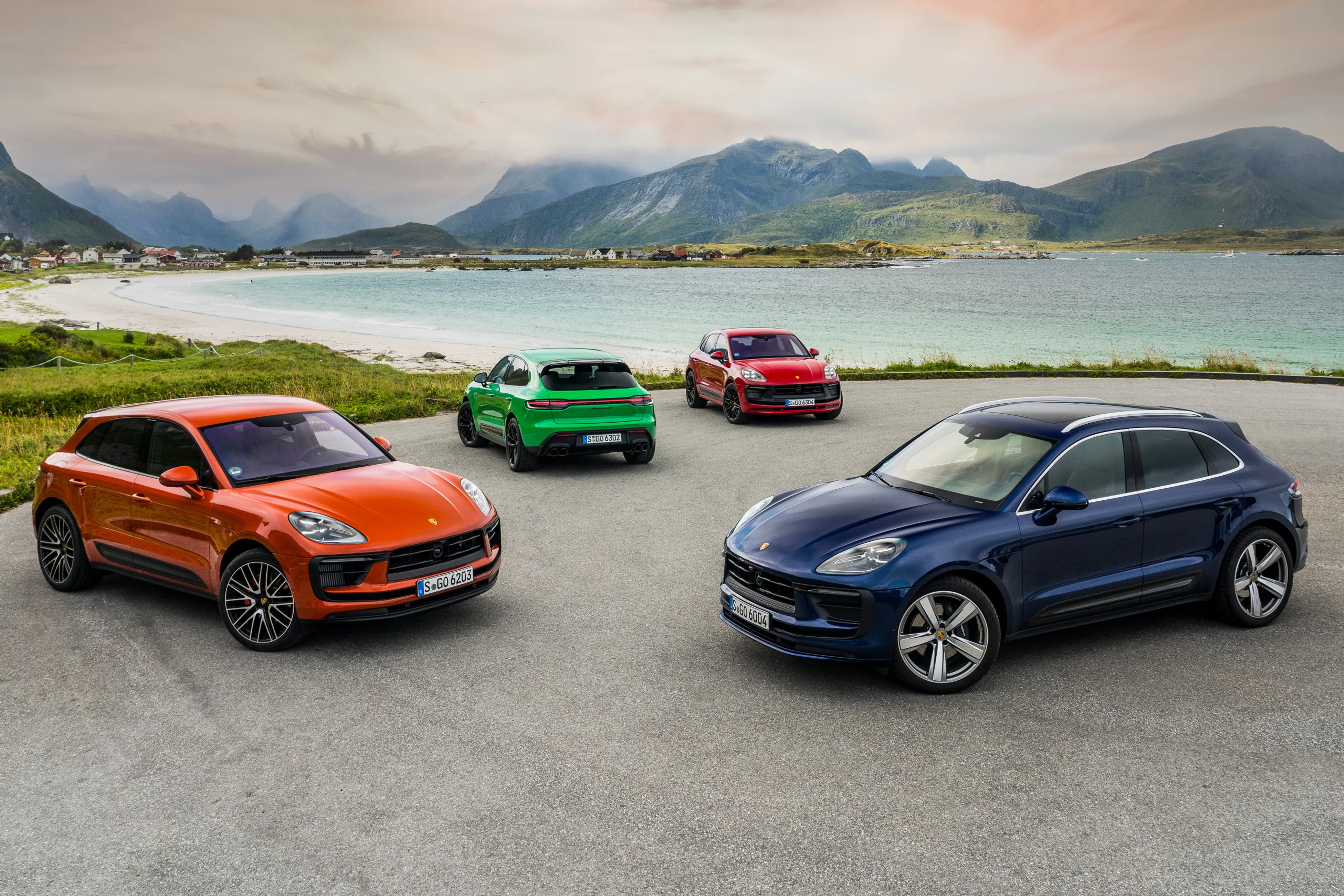
Porsche ending production of gas-powered Macan by mid-2026
Porsche ending production of first-gen ICE Macan by mid-2026, successor expected by 2028