
Hit and Run: What to do if the other guy gets away
Hit and Run: What to do if the other guy gets away
What the LTO says you should do after a hit-and-run

Driving in the Philippines can be stressful. You know, PUVs creating traffic because they decided a street corner is their terminal, motorcycles dangerously cutting in and out of traffic, drivers who refuse to give way, convoys acting like they have exclusive rights to the highway, pedestrians suddenly appearing in the middle of the road. It can feel like a circus out there.
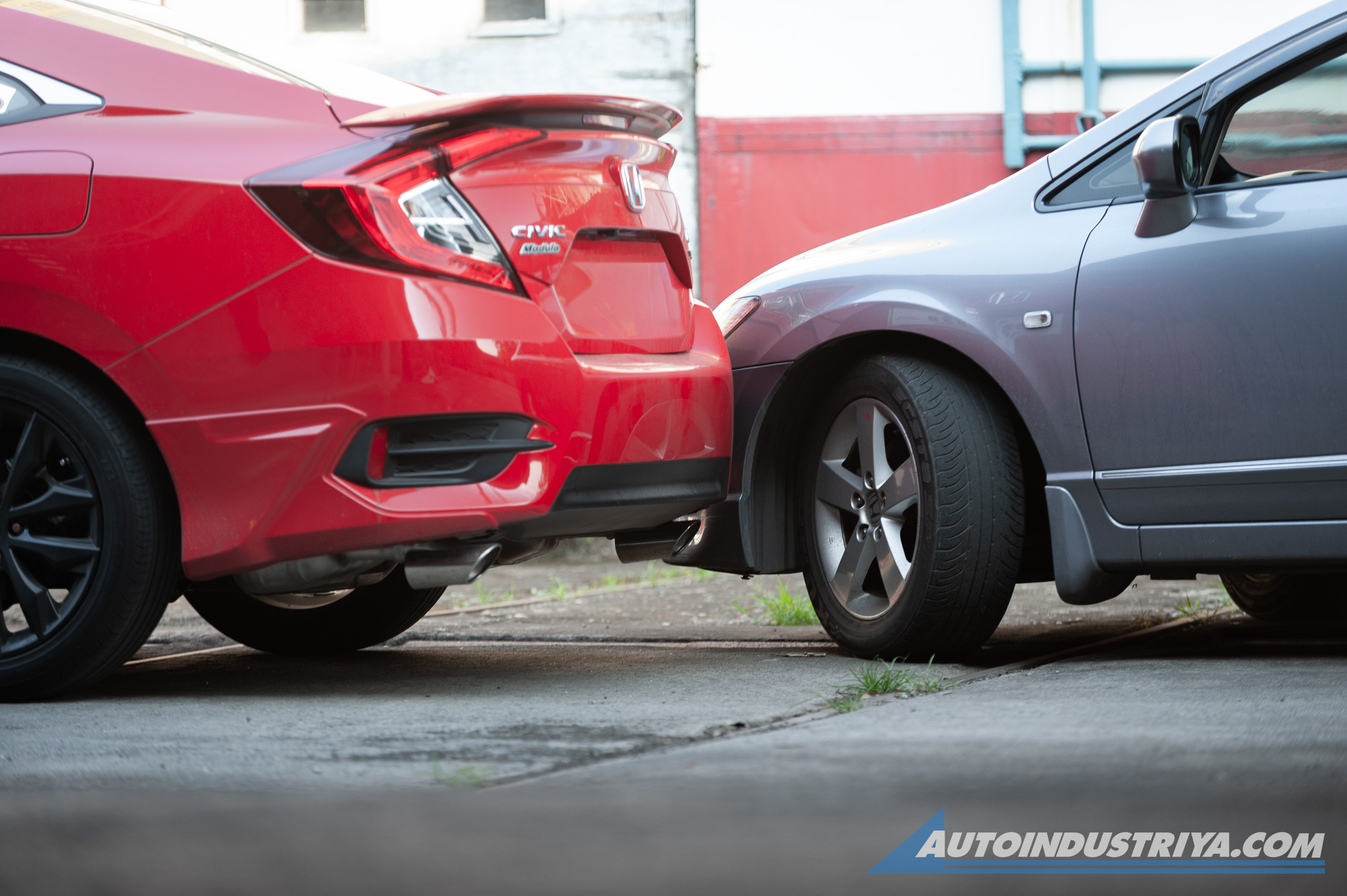
Then someone rear-ends your vehicle or sideswipes you. Instead of pulling over to sort things out, the other driver steps on the gas and tries to get away.
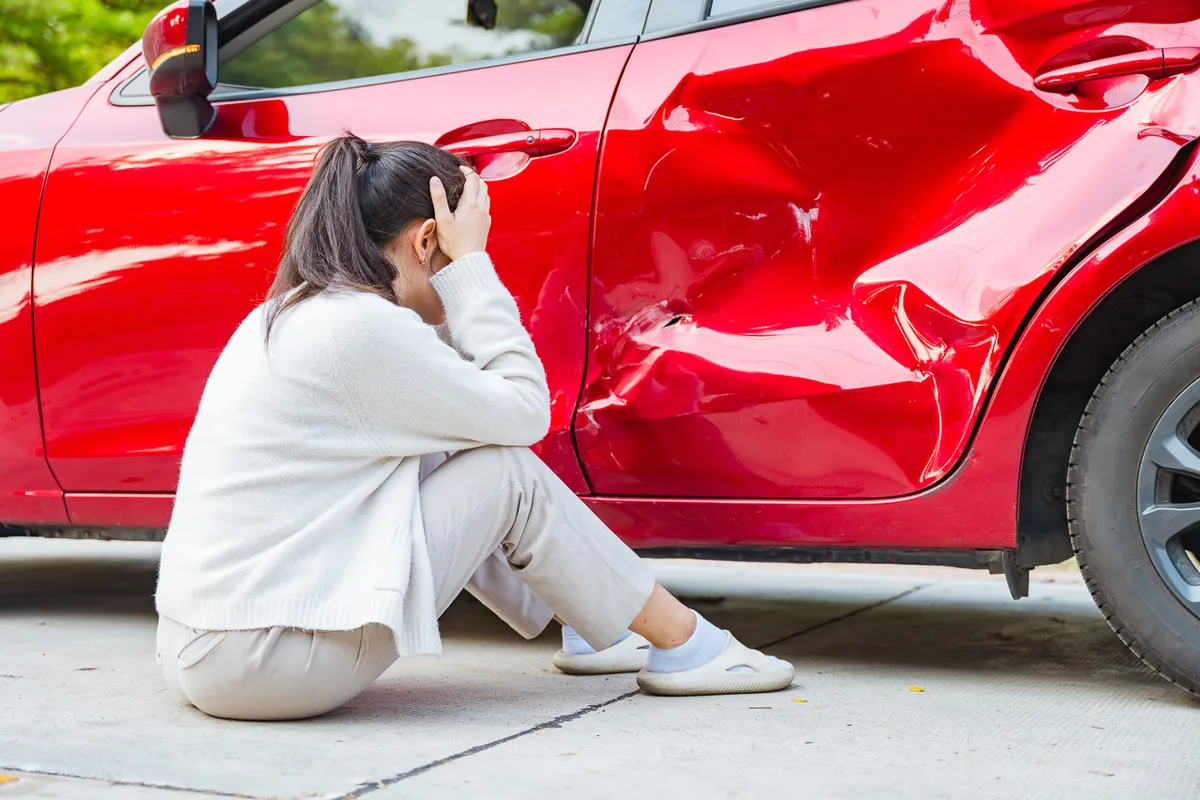
That can be incredibly frustrating, and the natural reaction for many drivers is to chase after the other vehicle. But trying to catch a hit-and-run driver yourself can quickly turn a simple case of vehicle damage into a road-rage incident, putting you, the other driver, and innocent road users at risk.
We’re all human, and emotions can get the better of us. You may have been the victim when the incident happened, but the moment you start aggressively chasing the other driver and making dangerous maneuvers, the situation can take a very different turn. What started as a dent or a damaged bumper could end up becoming something far more serious, far more expensive, and potentially something you could regret for the rest of your life.
So, what should you actually do?
We asked Land Transportation Office (LTO) Assistant Secretary Markus Lacanilao, what motorists should do when they become victims of a hit-and-run.
Remain calm
It’s easier said than done, especially when another driver has just damaged your vehicle (that you love more than your wife) and driven away. But Asec. Lacanilao says remaining calm should be the first step.
Keeping a clear head allows you to make better decisions, gather evidence, and avoid turning the situation into another road-rage incident.
Gather evidence
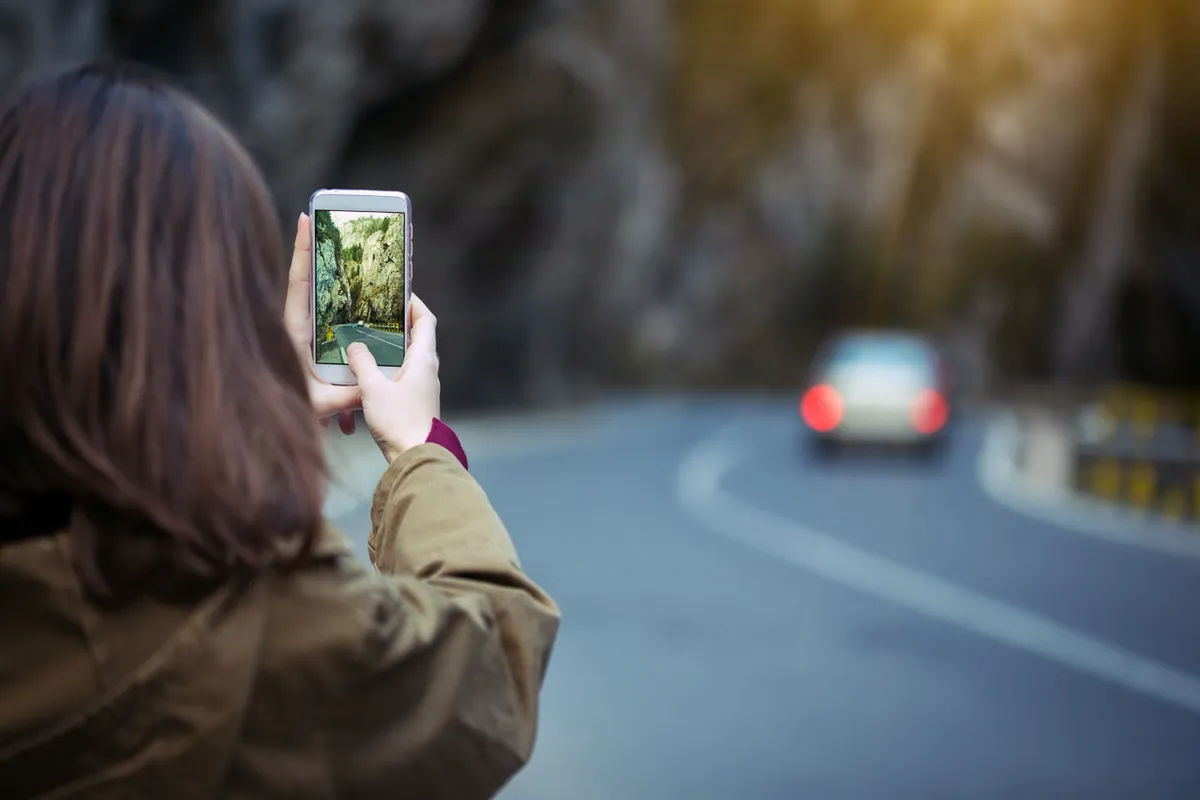
Once you’ve composed yourself, gather as much evidence as possible. Take photos and videos using your smartphone, particularly of the other vehicle and its license plate. Having a reliable dashcam can also make a big difference. Make sure to secure the footage so authorities can identify the vehicle’s make, model and plate number.
If there are CCTV cameras nearby, such as those operated by the MMDA or installed by establishments in the area, try to secure a copy of the footage to help build the case.
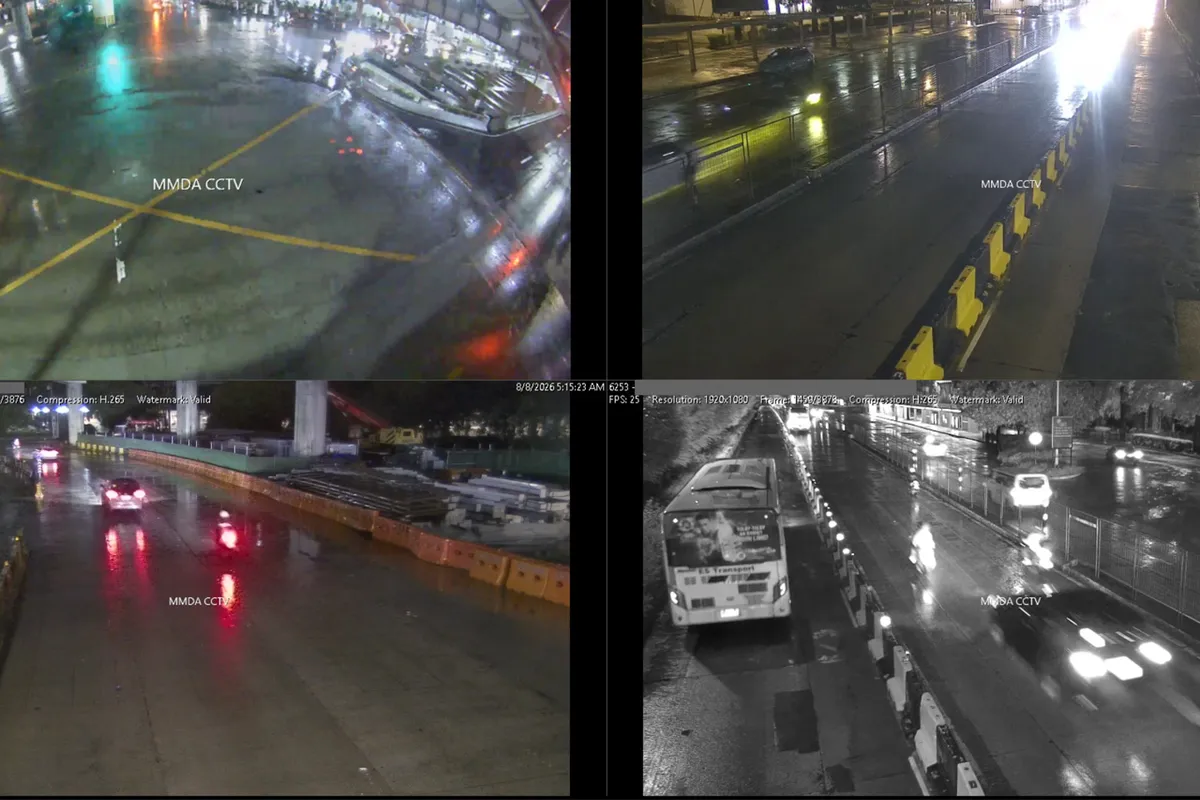
Actually, you can request a copy of CCTV footage from the MMDA. According to the agency, requests can be made by calling its CCTV operator hotline at (02) 8898-4200 loc. 2108. For administrative record-keeping purposes, you may also be asked to submit a letter addressed to MMDA Chairman Don Artes, detailing the incident and the CCTV footage being requested.
Visit the nearest LTO District Office
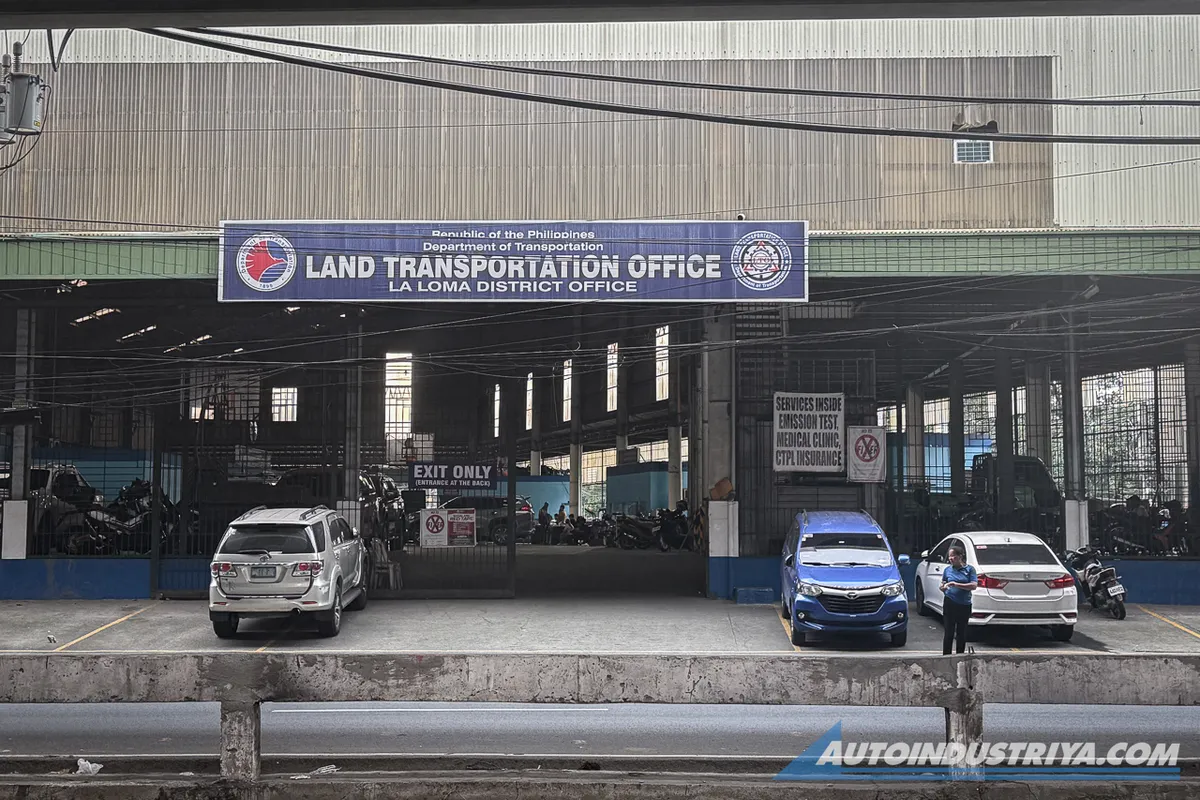
With the evidence in hand, Asec. Lacanilao advises motorists to visit the nearest LTO office and file an affidavit.
You may be wondering why the LTO comes before the police. According to Asec. Lacanilao, a police report is not required for the LTO to act on a hit-and-run complaint.
Motorists can proceed to the LTO and inform the public assistance desk that they want to report a hit-and-run. LTO personnel can then assist with the necessary affidavits and submission of evidence. The agency can use the information to place the vehicle under alarm status.
Once a vehicle is placed under alarm, the LTO can send a Show Cause Order (SCO) to its registered owner to answer the allegations through due process. If the owner fails to respond or settle the matter, the vehicle remains under alarm, and transactions such as registration renewal cannot proceed until the case is resolved.
What about the police report?
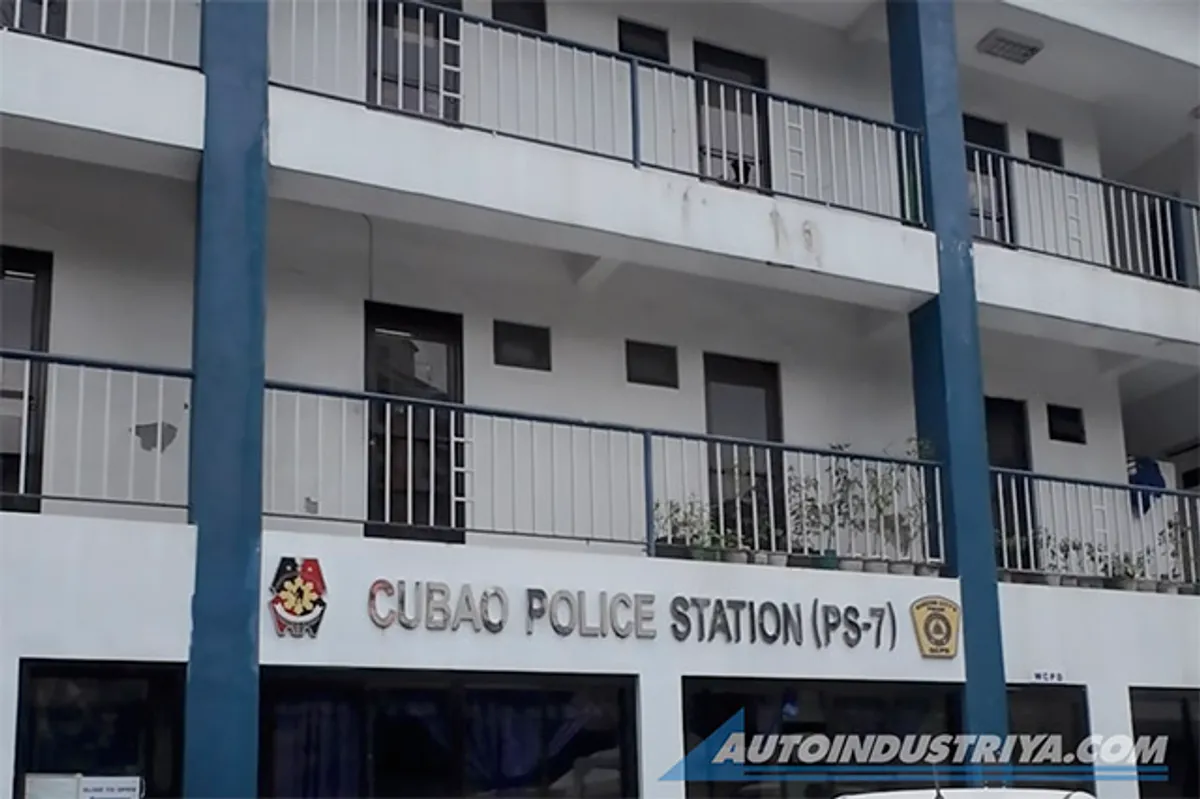
This is where things can depend on the circumstances. While Asec. Lacanilao says a police blotter or report is not required for the LTO process, motorists may still need one when filing an insurance claim. In that case, going to the nearest PNP station to document the incident can still be necessary.
The most important thing, however, is not to take matters into your own hands. You may have been the victim when the hit-and-run happened, but aggressively chasing the other driver can put you in a situation where you could end up facing consequences yourself.
A damaged vehicle can be repaired. Losing your license or putting other people’s lives at risk is a different matter. Let the authorities track down the other driver, and let your insurance handle the damage.
Related Posts
e-Power Drive: Can Nissan turn the tide with all-new Kicks and X-Trail?
Nissan takes us on a 700 km drive to test the all-new X-Trail and Kicks e-Power
Blocking an emergency vehicle? You could face license revocation
Drivers are required by law to give way to responding emergency vehicles
Rumble On! Subaru’s boxer engine turns 60
For Subaru, it all began 60 years ago when the company took a different path from much of the automotive industry, introducing a horizontally opposed, flat-four 1.0Lr engine producing 55 hp in the front-wheel-drive Subaru 1000
XPeng: Driving into a New World Order
XPeng is establishing itself in the Philippines. What can we expect from this AI-driven auto manufacturer?
Battery Drain: Why is my car losing charge?
From an aging battery to a charging-system problem or an electrical component quietly draining power overnight, here are some of the most common reasons why your car battery keeps losing charge
De Sais: What we liked (and didn’t like) in Ford Ranger, Everest V6
Ford still believes that you can go big when it comes to pickup trucks and midsize SUVs with Ranger Wildtrak X and Everest Platinum