
2018 Subaru WRX 2.0L DIT CVT
It's been four years since we last drove the WRX. Is this slightly updated new model better?

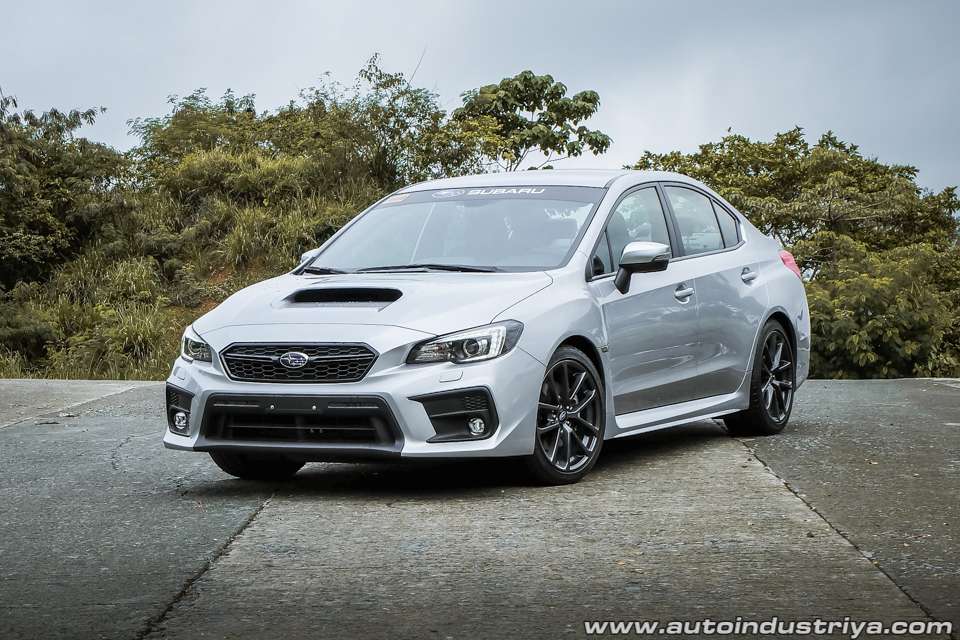
Daily drivable and performance are often at odds on the same spectrum.
If you want a daily driven car, you sacrifice things like handling, engine response, and outright power, among other things. If you want a performance car, you'll have to uncheck things like comfort, noise suppression, trunk space, and more.
In the case of the 2018 Subaru WRX, particularly this version with the CVT, you don't have to choose whether you'll exclusively use it for the daily grind or only on weekends when traffic has cleared up for an early morning fun run.
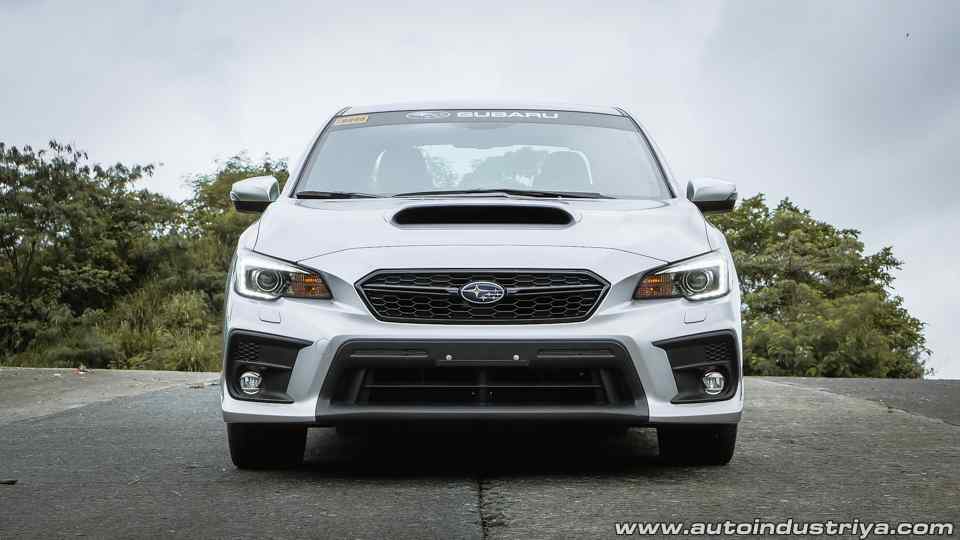
Just to be clear, the Subaru WRX is not entirely new for the 2018 model year. That's the odd bit because the standard non-turbo Impreza is already on the fifth generation mode; this one is still based on the fourth generation platform. By all indications, the WRX (and STI) which will be based on the fifth generation Impreza is expected sometime in 2020 but are still to be separate non-Impreza badged performance models.
For the meantime, we have this. Technically it's a minor model change, meaning Subaru changed a few external pieces just to keep the car fresh. In fact, all we can spot are the new front bumper and wheels on the exterior, that's about it. If there are any other changes, you'd have to compare it to the 2014 WRX we drove a while back.
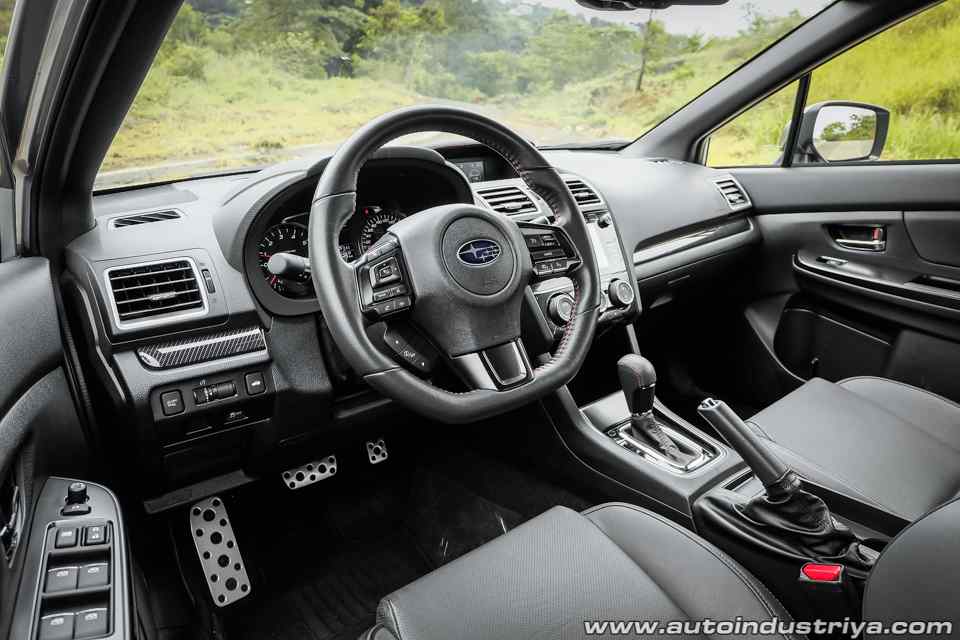
Inside, the changes are even more subtle. The major update for the 2018 WRX is really the touchscreen infotainment unit; the one on the 2014 model was already outdated by 2014 standards, so this new unit is much better. The only other difference we can easily spot is the absence of the motorized sunroof; it's not necessary and certainly adds complexity and weight, but sometimes driving with the roof open can be refreshing. I actually half expected that Subaru would put in EyeSight for this model, but found it absent instead. Unfortunately there is no WRX variant for the local market that comes with the advanced safety package.
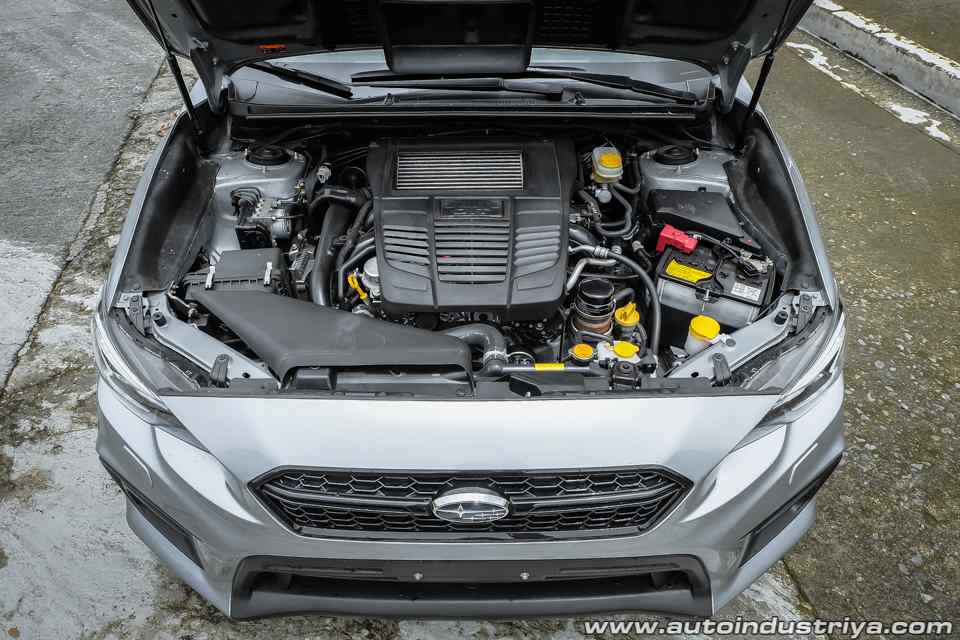
There are also no changes to the powertrain, not that they needed to anyway. The engine is the same FB20; a 2.0-liter flat four that has direct injection and turbocharging, pumping up to 268 horsepower and 350 Newton-meters of torque. Technically speaking, the FB20 is actually a newer and more advanced motor than the 306 horsepower EJ25 in the STI; the latter doesn't even have a direct injection. As it stands, the WRX's engine makes 134 horsepower per liter, while the STI's engine makes 122 horsepower per liter of displacement. The Lineartronic CVT on this version remains unchanged, though it seems the 6-speed manual version has an upgraded synchromesh. Of course, being a WRX, the powertrain is symmetrical for balance, and drives all four wheels.
So far, the changes we've spotted that make the WRX a 2018 model are really minor; the equivalent of adding croutons (not even bacon bits) to a salad. But in true Subaru tradition, the changes they've made go far beyond skin deep, and you have to drive the WRX thoroughly to understand them.
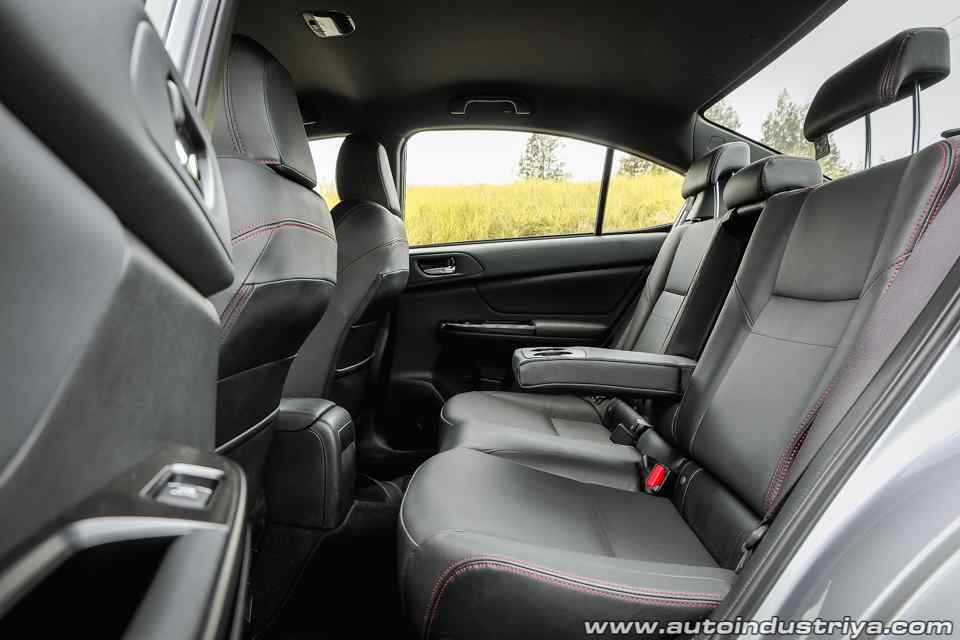
The true changes are about improving urban comfort. Noise suppression is better; something you'll notice if you're stuck in traffic with plenty of open mufflers all around. Subaru did this by thickening the glass, using more insulation like foam inside the windshield top beam, as well as new door seals. And the suspension was retuned too, and the result was a slightly more comfortable ride. I wish they improved the fuel economy though: 5.4 kilometers to a liter in traffic (20 km/h) could be improved upon. Coupled with the CVT, it makes for a good daily drive that's far more exciting than your average saloon car. But if you thought the WRX has just gotten soft, well, it's still every bit as brash and fun as before.
Most local mountain roads are tight and very twisty, making bigger performance cars like the GT-R seem too heavy and unwieldy, but the WRX is just right. It actually encourages you to shake off the rust from driving it in traffic all week long and enjoy applying more throttle and entering corners with speed. Those big rotors do scrub speed well, and the Pilot Sport tires are worth every peso, especially when matched with the active nature of the all-wheel drive's torque vectoring system.
The more you spend time on a winding road with the WRX, the more you'll enjoy playing with the other features. Many do lament having a CVT in something like the WRX, but it does respond very well, and the paddles add a “manual” touch, albeit somewhat simulated. Overtaking is not a problem at all, though you do have to time it right because there's a slight lag for the turbo to spool up and give you boost. Thankfully, drive modes such as Sport and Sport Sharp (or hashtag) can be activated for quicker response when overtaking.
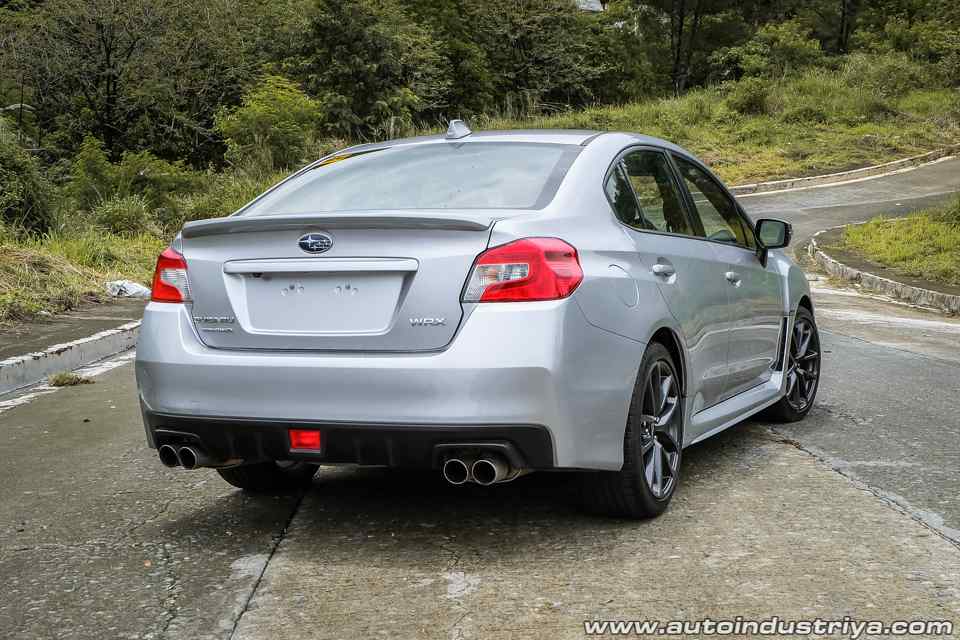
When we first drove the WRX four years ago, many scoffed at the fact that we actually liked how this car, one that's a direct descendant of a famed rally machine for a championship winning team, performed with the CVT. Many believed that manual was the way to go, and I do agree; nothing compares to the direct nature of do-it-yourself, three-pedal driving. But the domestic sales split doesn't lie: only 15-20% of WRX customers opt for the 6-speed manual, the remaining 80-85% get the WRX CVT.
We still like the WRX CVT for what it delivers: a daily-drivable sports sedan. You can use it to take your family out for trips to the mall. You've got the trunk space for groceries. And it's fairly comfortable. And when the traffic does ease up and you want to go a little faster, the WRX CVT will gladly oblige, regardless of how tricky the road conditions may be.
11 photos
Related Posts
2026 Mazda BT-50 4x2 AT
At PHP 1.6 million, the Mazda BT-50 4x2 A/T is quite the bargain for a family workhorse
2026 Ford Mustang Mach-E Premium AWD BEV
Ford took a while to launch the Mach-E. Was the wait worth it for this Mustang-branded BEV?
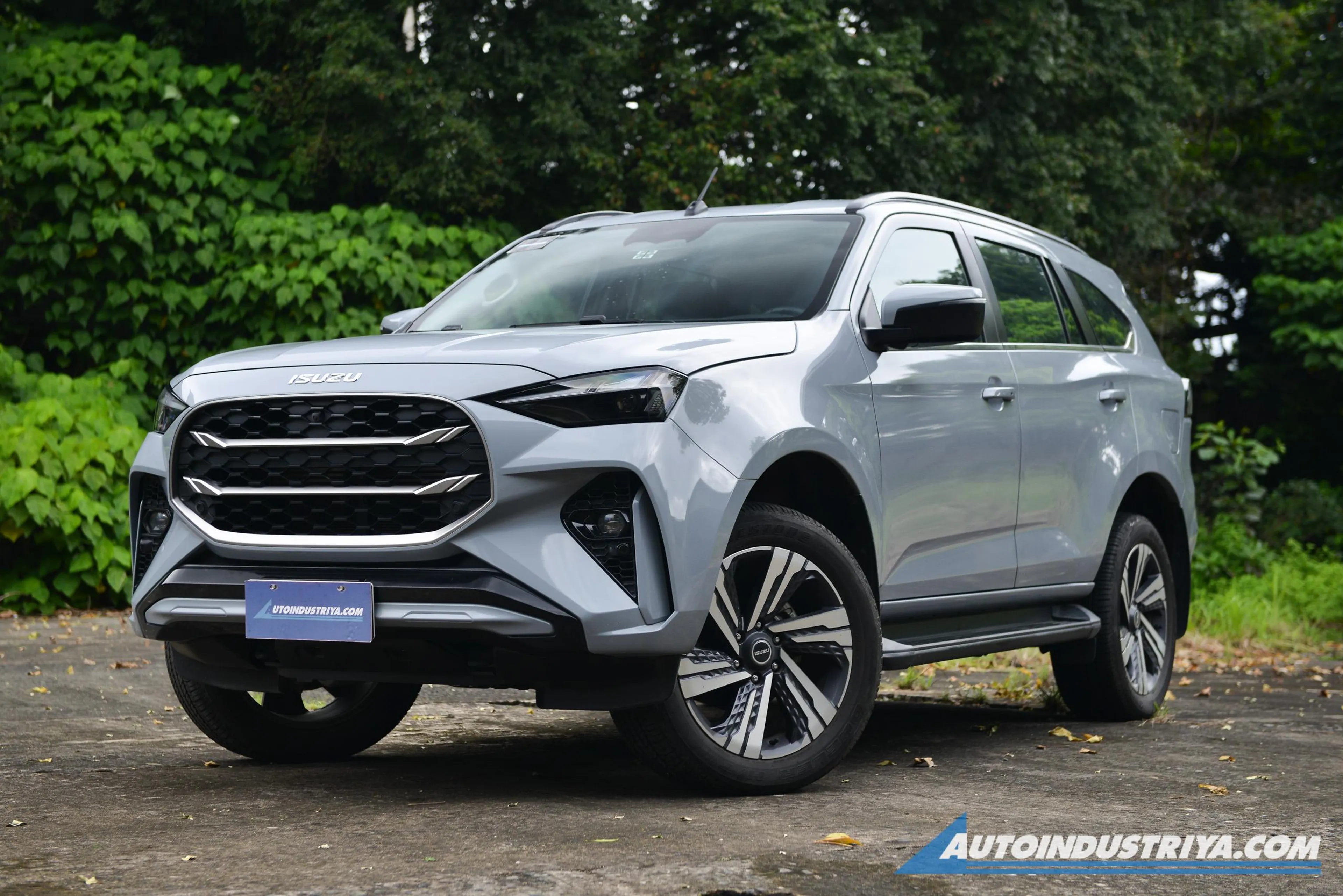
2026 Isuzu mu-X 3.0L LS-E 4x4 AT
At PHP 2.67M, is the top-of-the-line Isuzu mu-X 3.0 LS-E 4x4 still worth it for the SUV-savvy crowd?
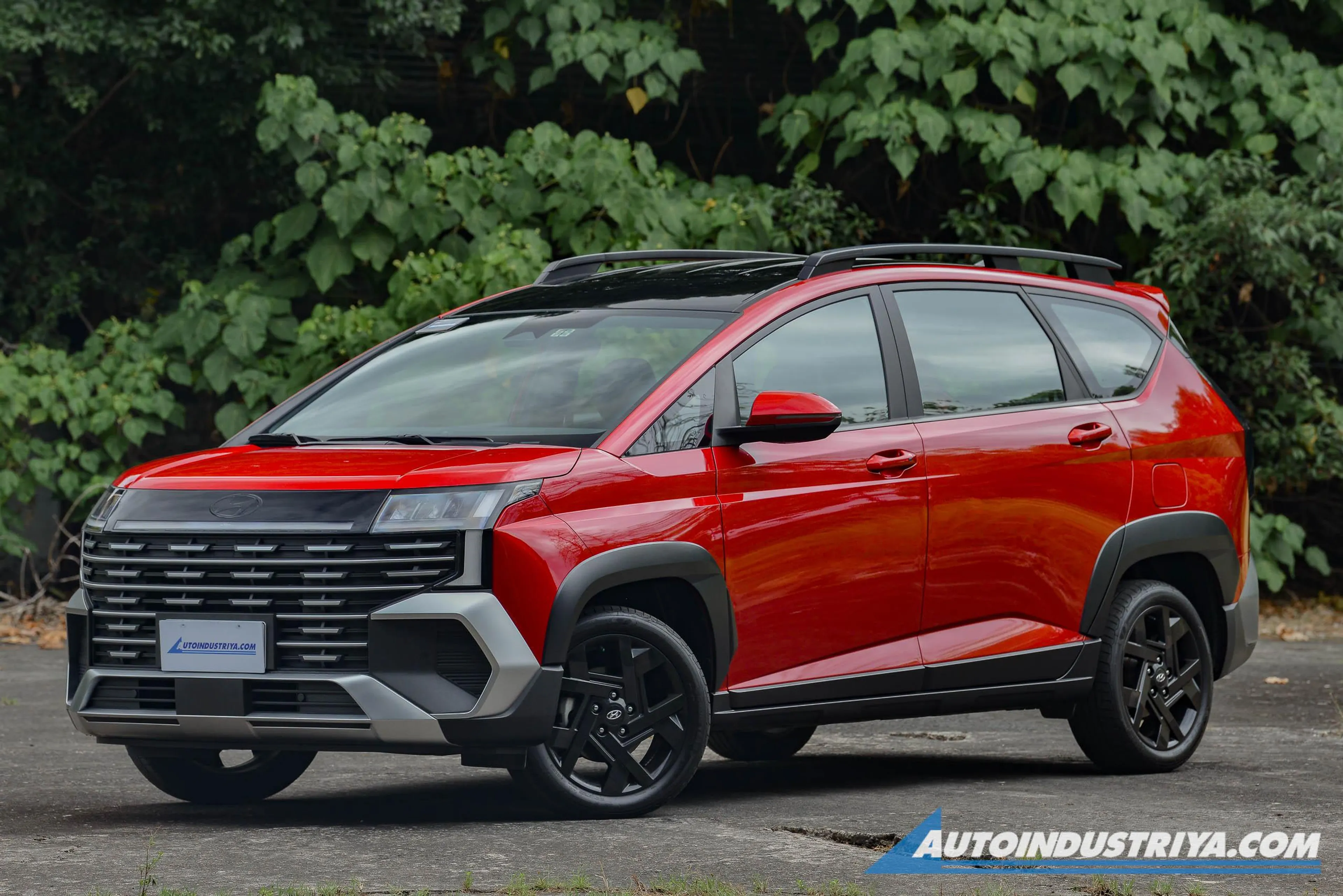
2026 Hyundai Stargazer X 1.5L Premium
The 2026 Hyundai Stargazer X Premium deserves more attention
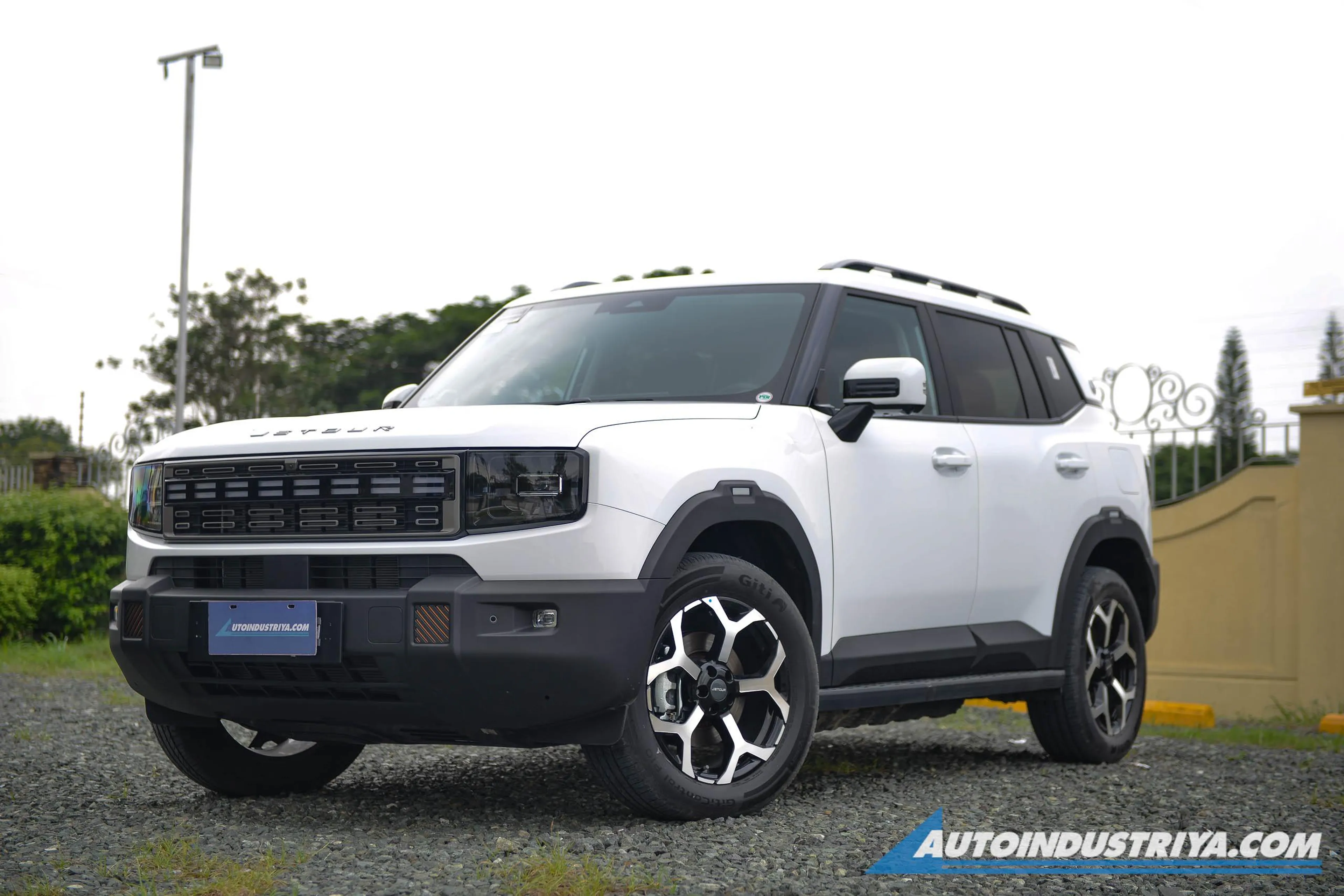
2026 Jetour T1 Lightning i-DM 1.5T PHEV FWD
The Jetour T1 really won us over last year. Can this PHEV win over you too?
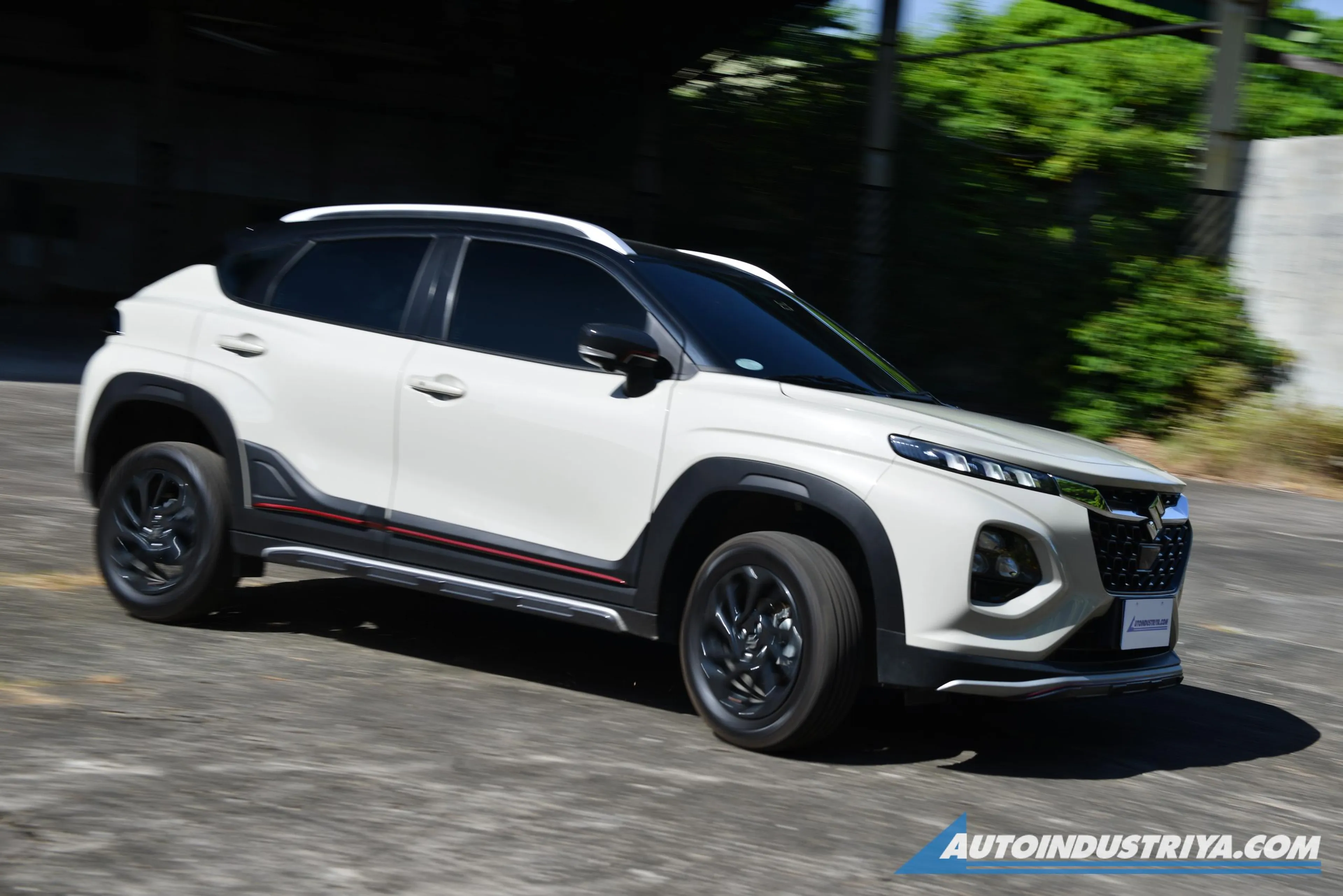
2026 Suzuki Fronx SGX 1.5L AT MHEV
The Suzuki Fronx is positioned at a slightly higher price point for the segment but comes with paddle shifters, advanced safety features, and a more upscale, well-finished interior