
The Crane and the Dragon: Nissan’s China strategy for the Philippines
The Crane and the Dragon: Nissan’s China strategy for the Philippines
What Nissan PH plans to do

Do a quick search for Nissan, and there’s a good chance that recent news search results won’t be good.
You’ll probably find a series of articles about plant closures, declining sales, financial pains, restructuring, layoffs, the failed merger with Honda, Carlos Ghosn, and the fact that there is still no new GT-R.
It’s easy to say that Nissan has fallen from the ranks of Japan’s and the world’s great automakers. Some may even say that they’re finished, and that it’s a matter of time before they restructure or are bought off by another company.
Yeah, it certainly looks like they’ve hit rock bottom, but Nissan may be playing a smart game of chess. It may look like they’re down and out, but really what they seem to be doing is preparing for a comeback of the ages.
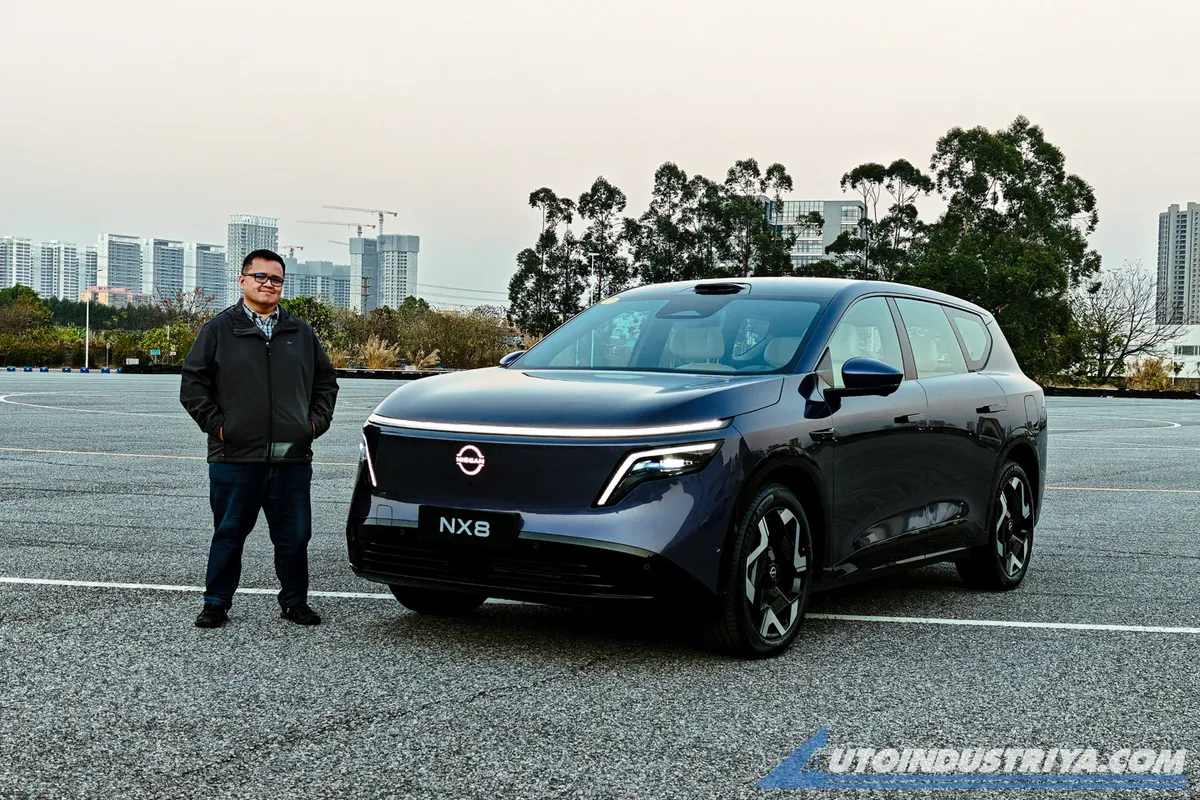
In February, I found myself in Guangzhou not for BYD, not for GWM, not for Chery, not for SAIC, not for BAIC, not for GAC or any other Chinese automaker. I was there because Nissan wanted to show us something. For a Japanese automaker to go to China, you know there’s something special cooking.
Decades ago, every major automaker from around the world who wanted a piece of the Chinese market and the potential it holds had to establish a joint venture (JV) with a local partner. That’s why you have GAC Honda, Dongfeng Honda, GAC Toyota, FAW Toyota, and Changan Mazda. With Nissan, their partner is Dongfeng. And Nissan grew to be very strong in the Chinese market.
In recent years, however, saw the emergence of Chinese brands. Sales numbers for the JV-built models from the Japanese brands in China declined sharply. That was also true of the Kia and Hyundai JVs there, and definitely true of the former number one in the market: VW. For many years, Wolfsburg's JV was the king of the auto market in China, but no more. Incentives from the government pushed the China's manufacturers who have been absorbing all the technology and learning the processes from their JV partners, and so their domestic brands started to grow. They're (mostly) done with copycats; their industry is on the rise.
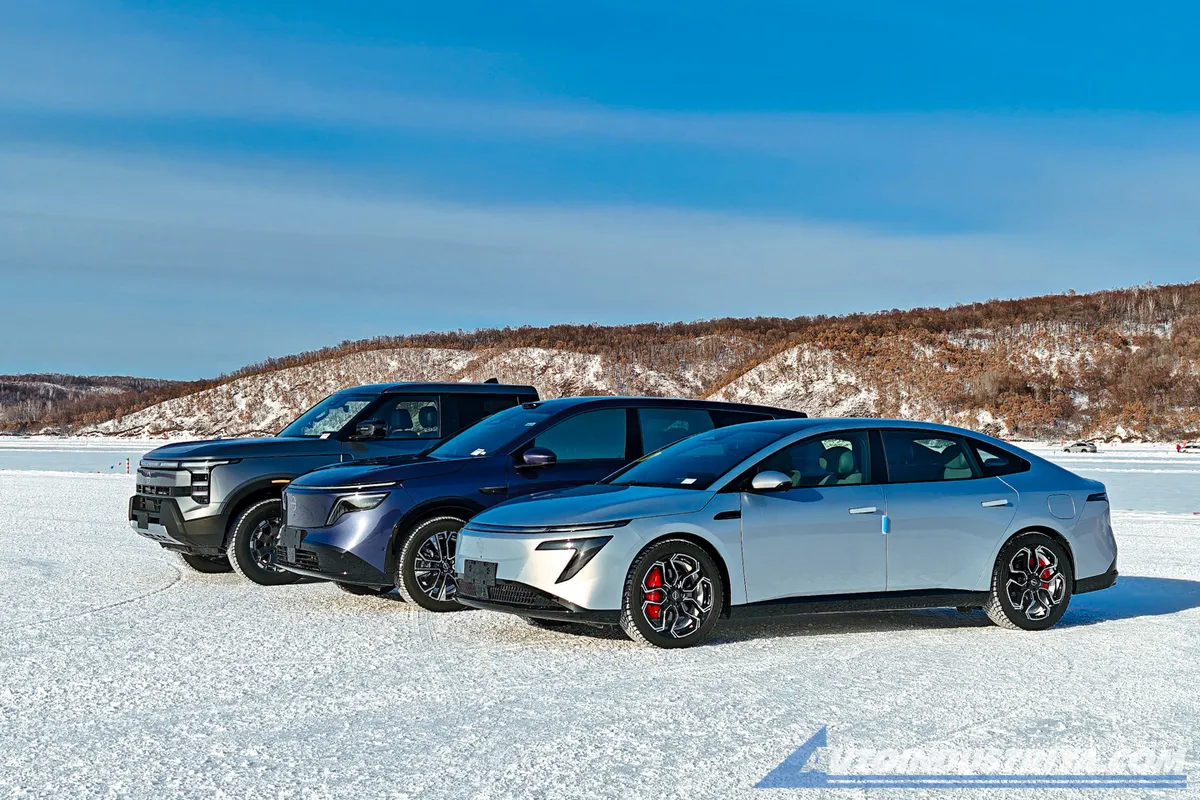
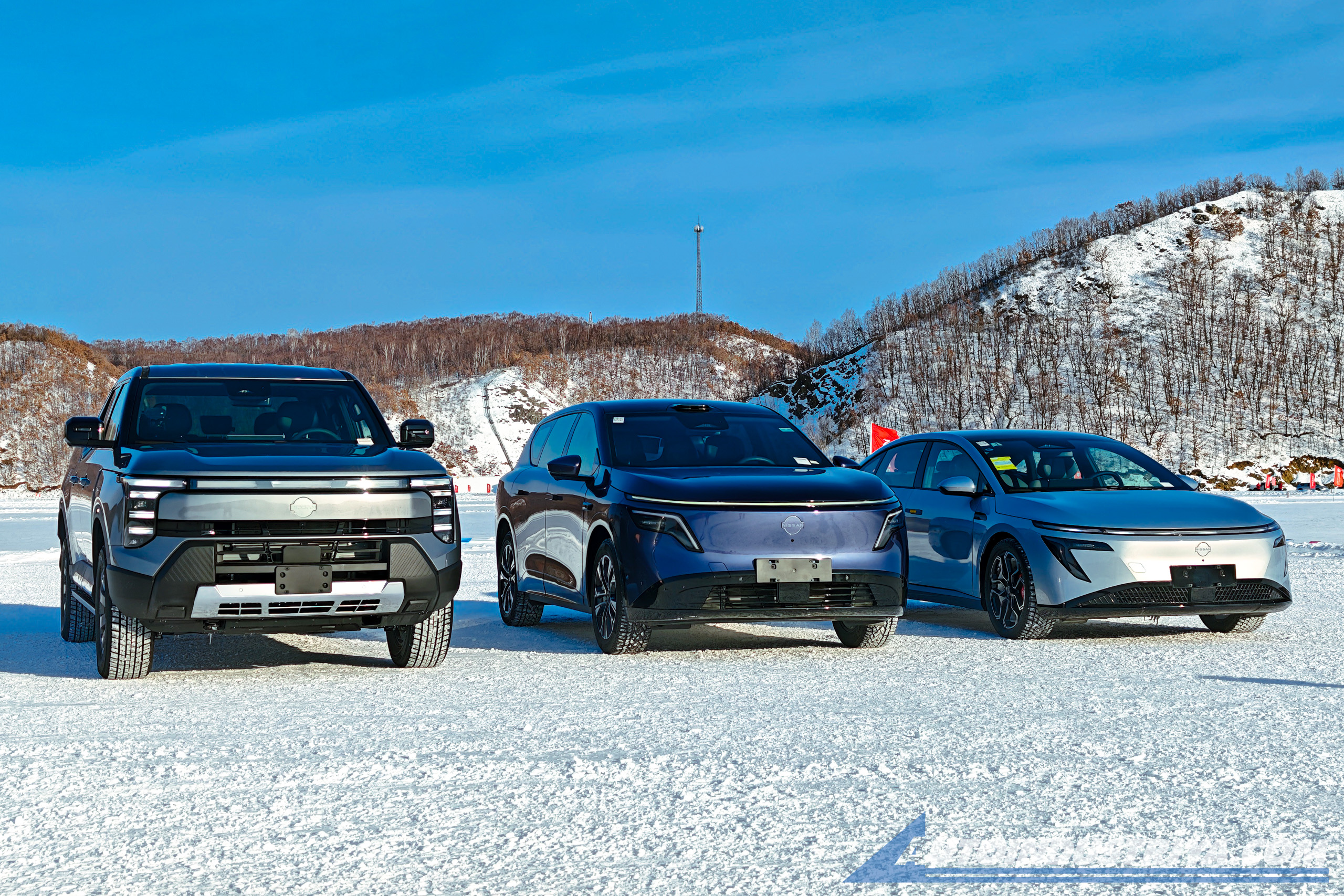
Nissan had to pivot, and so they began plotting what no Japanese automaker (AFAIK) had ever attempted: officially export vehicles from their Chinese manufacturing bases. And they wanted to show us three models. You already saw two of those models if you went to PIMS last month: the Navara Pro PHEV pickup (AKA Nissan Frontier Pro in China) and the Primera BEV sedan (AKA Nissan N7). The third was the NX8 BEV crossover; a model that still doesn’t have an export or international name as it wasn’t even publicly revealed yet at the time.
3 photos
To be honest, we still cannot disclose our driving impressions of those models, but what really struck me as different this time around was how excited Nissan’s executives in China were. Isao Sekiguchi, someone familiar to us in the Philippines because he was formerly the head of Nissan in Southeast Asia, is now the head of Nissan in China. He and his team of Japanese executives, engineers, and product specialists couldn’t contain their excitement; so much so that if Nissan GHQ in Yokohama gave them the green light, they would gladly drive the cars personally onto the boat for export to the two markets that would get these LHD Nissans from China first. Those markets would be us and Mexico.
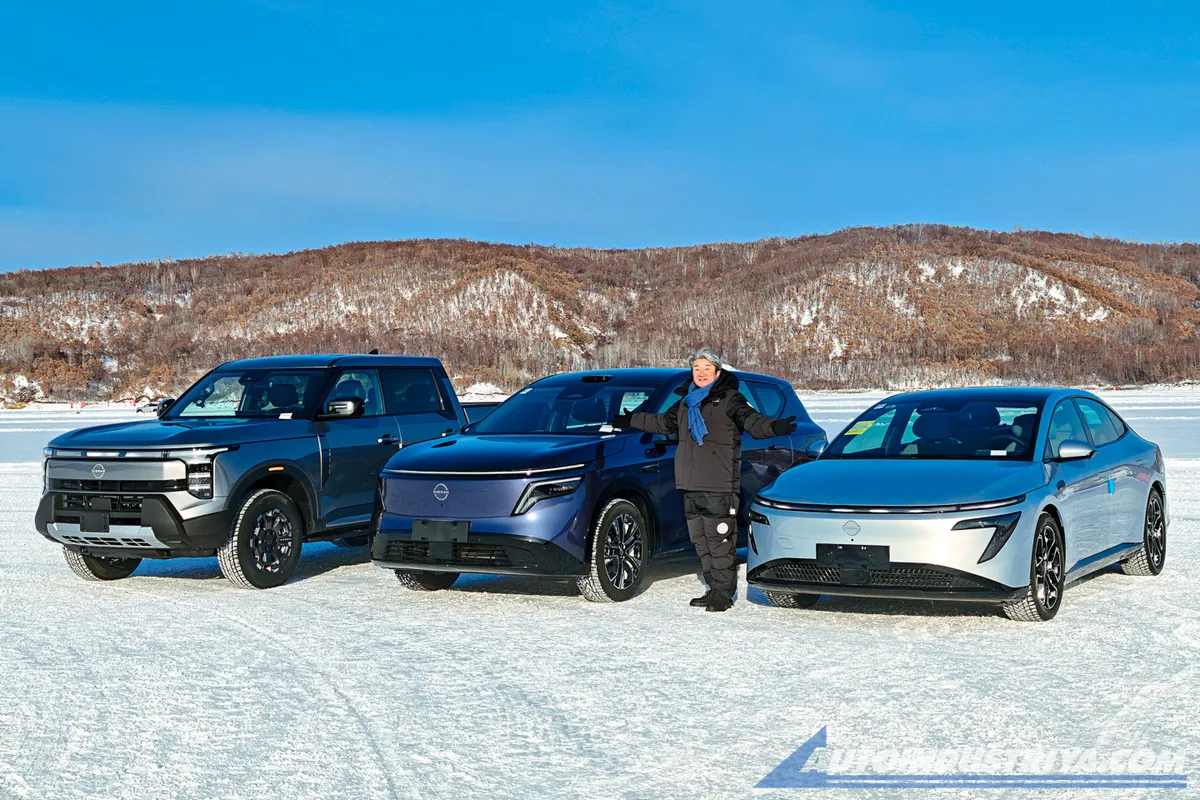
Sekiguchi was instrumental in making this happen because he sees the potential. Can you imagine the advantage of having vehicles that have the technology available in China (PHEV, BEV, ADAS), at prices competitive to Chinese brands (BYD in particular), and with the quality standards of a Japanese brand?
Of course, this is all dependent on the condition that the vehicles Nissan builds in China can somehow meet the standards we expect from a Japanese brand. All three vehicles seem to be very well made, and you know I tend to pore over details like the materials used, how the buttons feel when you use them, how solid the build feels, and if there are squeaks, how the doors align and how well they close. And of course, the vehicles drove well; again, we have to save it for later because of the embargo, but these are just the things we expect of any vehicle with the Nissan badge: quality, and no excuses.
Nissan was able to do this with their partner in Dongfeng because Nissan changed the way they approached the vehicles from the start. Many Japanese JV partners are happy and content to let their Chinese JV partners lead the way and run the program, so to speak. That means the local partner does most of the heavy lifting in designing, engineering, testing, quality control, working out the parts network, so on and so forth.
Nissan changed that.
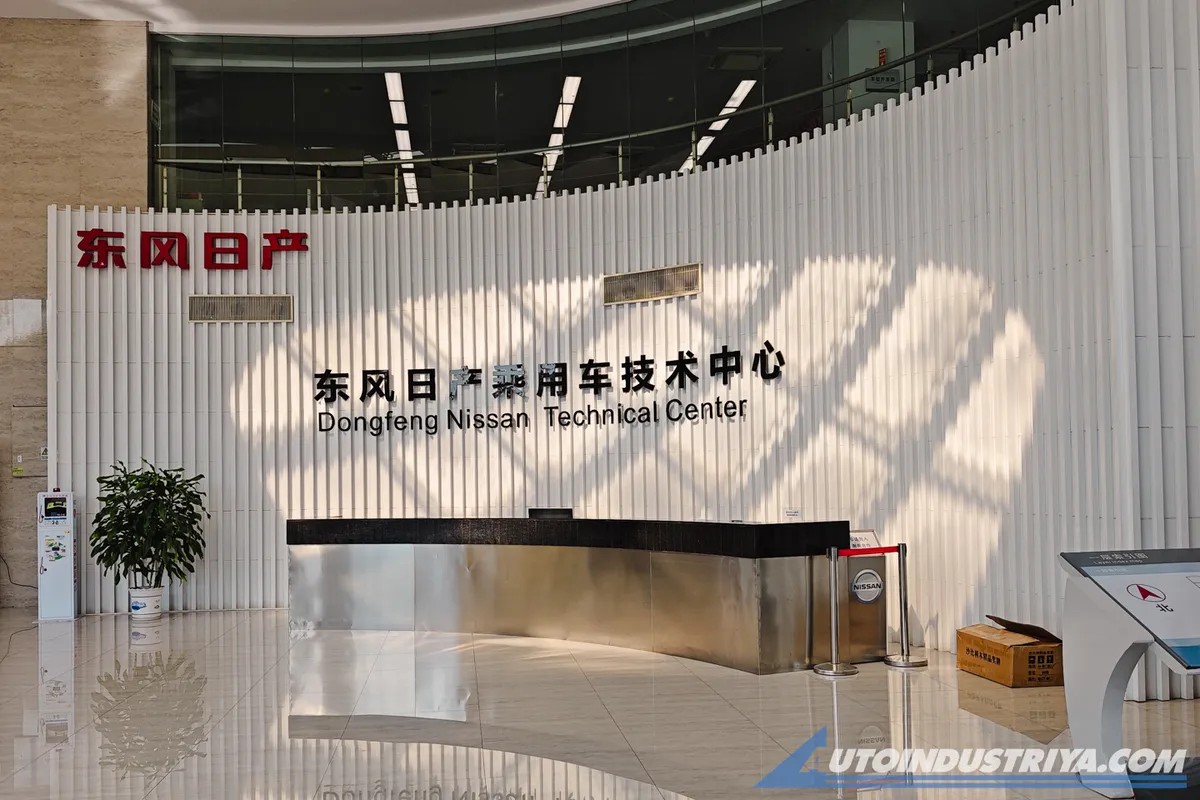
One key thing they did was that -early in the process- they initiated a lot of dialogue with the local suppliers directly to build a better working relationship. That has always been the strength of Japanese automakers: they work with their parts suppliers not just for years, but for decades. And they work together to improve parts quality and consistency, because the rationale is easy to understand: you give me good building blocks so I can build a good car that sells, and we all prosper together.
The goal of Nissan: bring their Chinese-made vehicles up to Nissan’s quality standards so much so that we will not be able to distinguish Made in China from Made in Japan. And clearly, they’ve taken that step forward. These vehicles are light years ahead of the Dongfengs we drove here about 7 years ago.
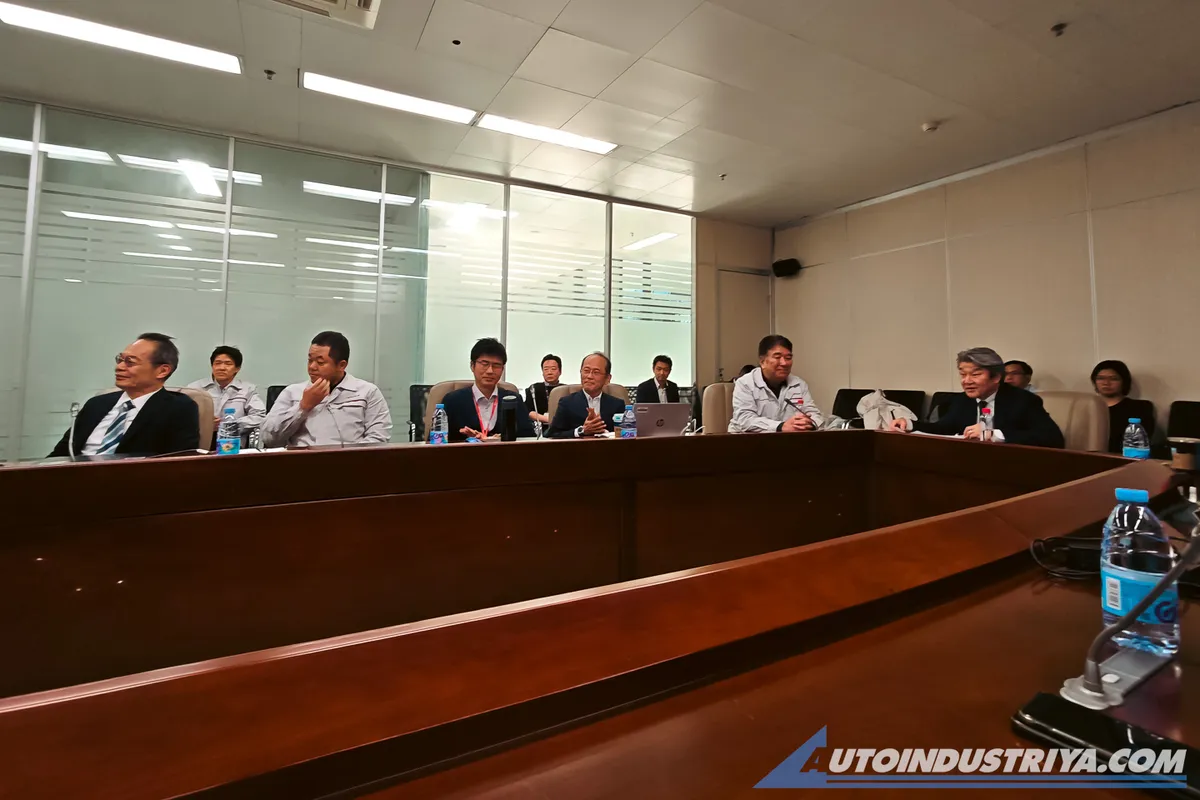
When we flew back from China in February, I can’t help but think that the problem Nissan has is time. The market is moving at a fast pace, and the influx of Chinese brands in markets worldwide -not just the Philippines- is eating up bigger chunks of the auto market pie. And certain world events didn’t do them any favors, as just 2 weeks after driving those Nissans in the northern frontier of China in -25C weather, the world heated up with the war in the Middle East.
The result: all automakers still heavily reliant on ICE are getting hammered in the sales charts because of fuel. Electrified is king. Markets that have good charging infrastructure are turning to Chinese BEVs. Markets that still have limited charging infrastructure are turning to PHEVs or REEVs. The Japanese brands, Korean brands, and definitely the American brands are feeling it. And Nissan is too. They have the plan, but now they have to accelerate it.
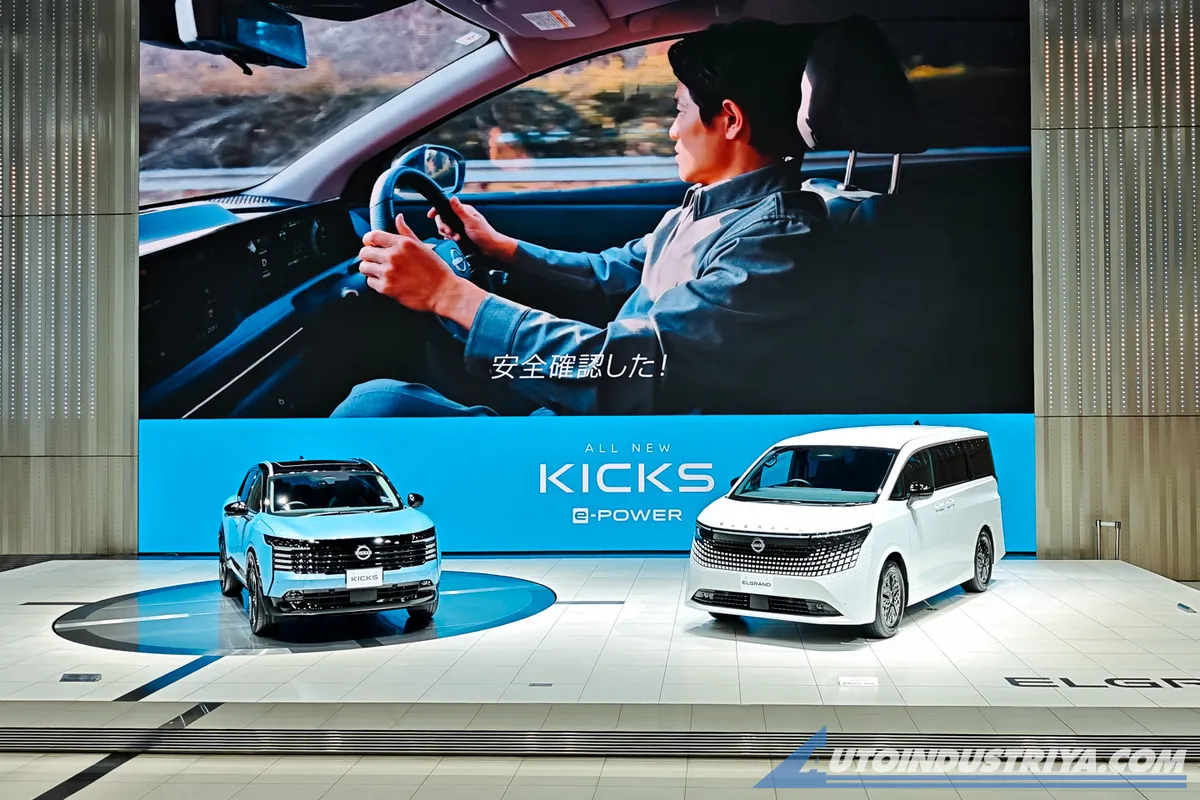
Last month, we paid them a visit at their GHQ in Yokohama. Nissan doesn’t own the building anymore. Such were their troubles that they sold it to make some money, and then rented it from the group they sold it to.
Walking into the building again, it feels a little different. The halls up where the meeting rooms were felt a little quieter, even for a Friday where normally employees would be scurrying around, probably rushing to get the signature of their manager, department head, or shacho before the weekend. But not this time.
Just as we sat down in a meeting room and exchanged pleasantries with the Nissan communications team, their Chief Performance Officer walked in. It was Guillaume Cartier, and he is the man with the plan.
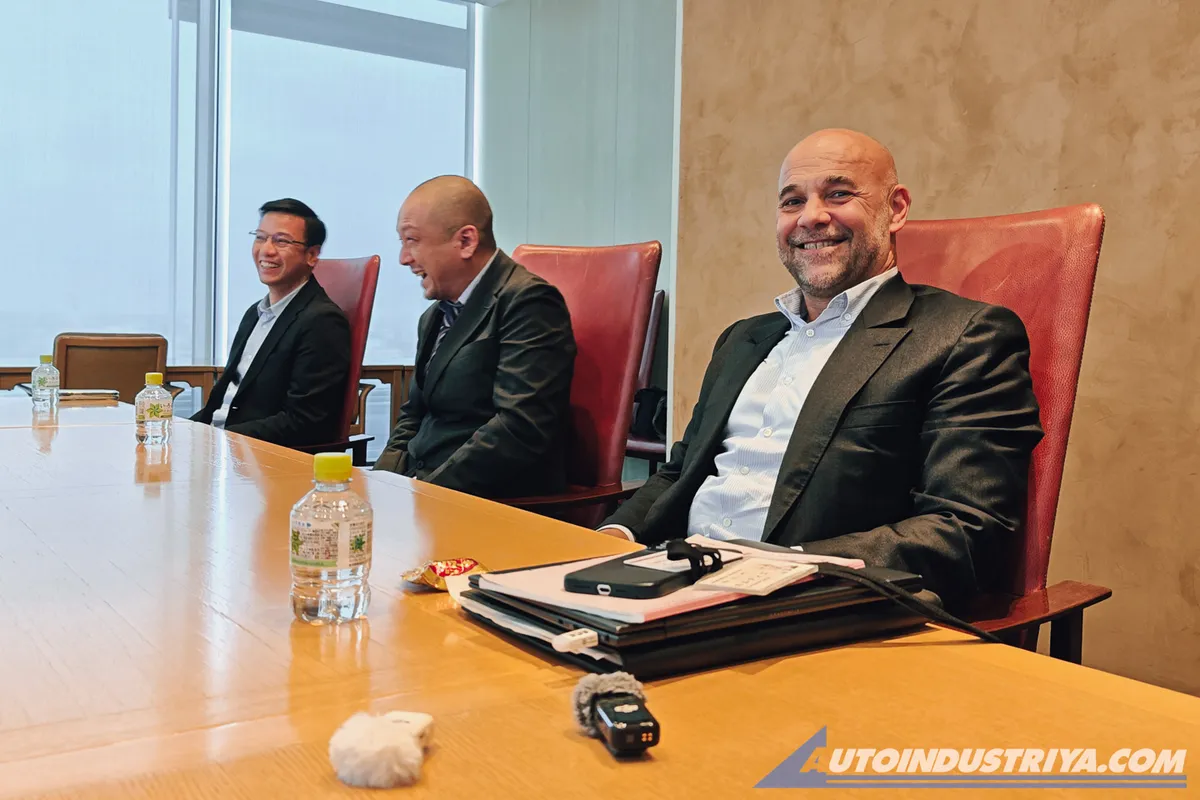
Boy, was he eager. He laid it out in front of us: electrified vehicles from China will be exported to us, beginning with the models we drove. He just needed the EV and hybrid rules to be clearer, so they can start exporting and maximizing that advantage. Cartier even told us of several models that we will get from China beyond Navara Pro, Primera, and NX8. What we heard was so advanced that the current president of Nissan Philippines, Yoshinori Kanazawa, started jumping and smiling uncomfortably in his seat. He knew it was too early for the boss to say anything to us in the media about the models we spoke about.
Clue: Starts with a T, ends with an O. And it will share a platform with one of the vehicles mentioned above.
We are in the preparation stages of what could be a rebirth from Nissan. That’s the thing about going through a rough period; it makes you adjust and adapt to survive. And you learn to play smarter and not just work harder. The Chinese market may have moved on from the Japanese JVs, but China will become their advantage for the region, as it gives Nissan the ability to produce more for less, makes more powertrain technologies available, and they can bring them to market fast. If Nissan can continue to keep the quality up, then that is the advantage.
The challenge for Nissan in the markets where they will eventually export their Chinese lineup will be gaining market acceptance.
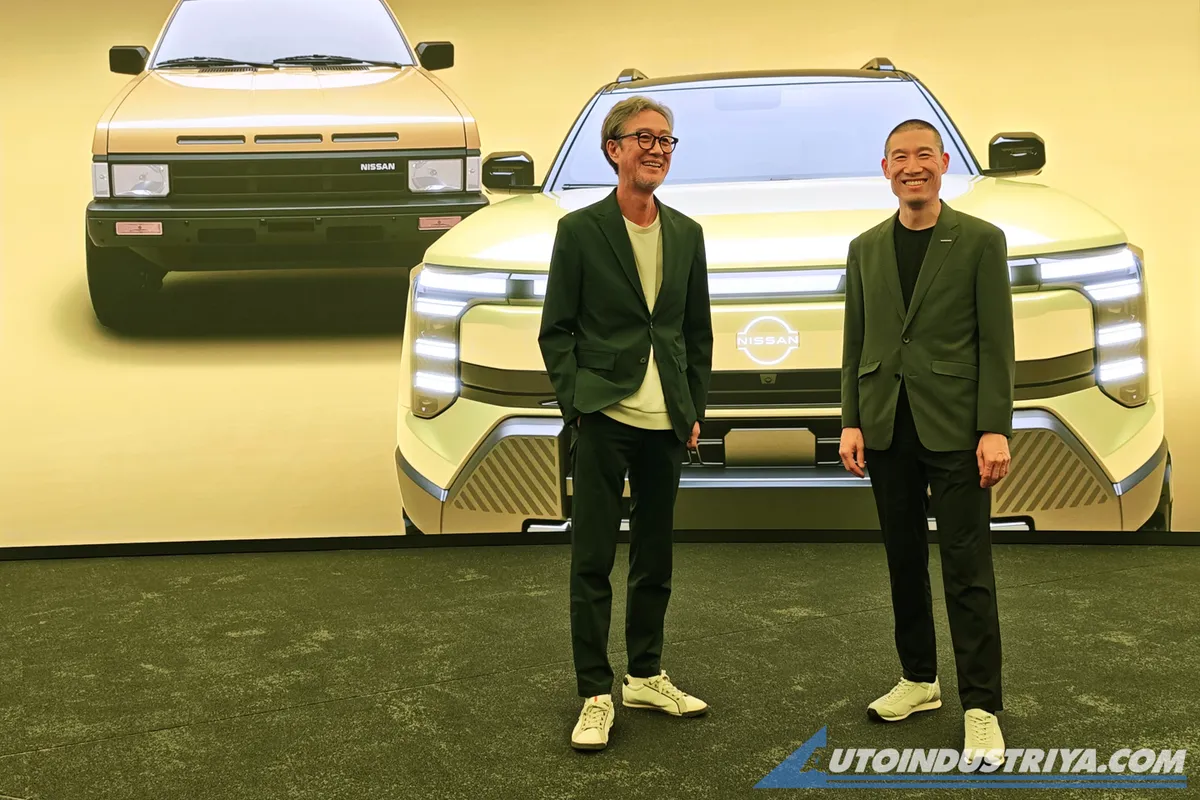
Let’s be honest: we hold a brand like Nissan to a higher quality standard than BYD, Geely, GAC, Dongfeng, and so on and so forth. Any product from Japan tends to get propped up onto a pedestal above all similar products from China, Taiwan, and Korea. There is no doubt that customers will be a bit skeptical and perhaps scrutinize the model more in showrooms, so it has to be good. If Nissan says they can achieve that in China and charge prices that we would find attractive or even cheap, why not?
More importantly, Nissan Philippines opening up to Chinese-made Nissans brings several big advantages, one of which is a fully developed aftersales program. The mindset of many Chinese automakers is that they’re good at selling and capturing market share, but aftersales support is neglected. We’ll sell you the car now, but we’ll worry about parts ordering and logistics later. That has always been the folly of many brands that come in as a subsidiary of the Chinese automaker, rather than a local distributor that knows what the customer needs. Look at how many of the experienced Filipino-owned distributors of Chinese brands operate, and you’ll see what I mean.
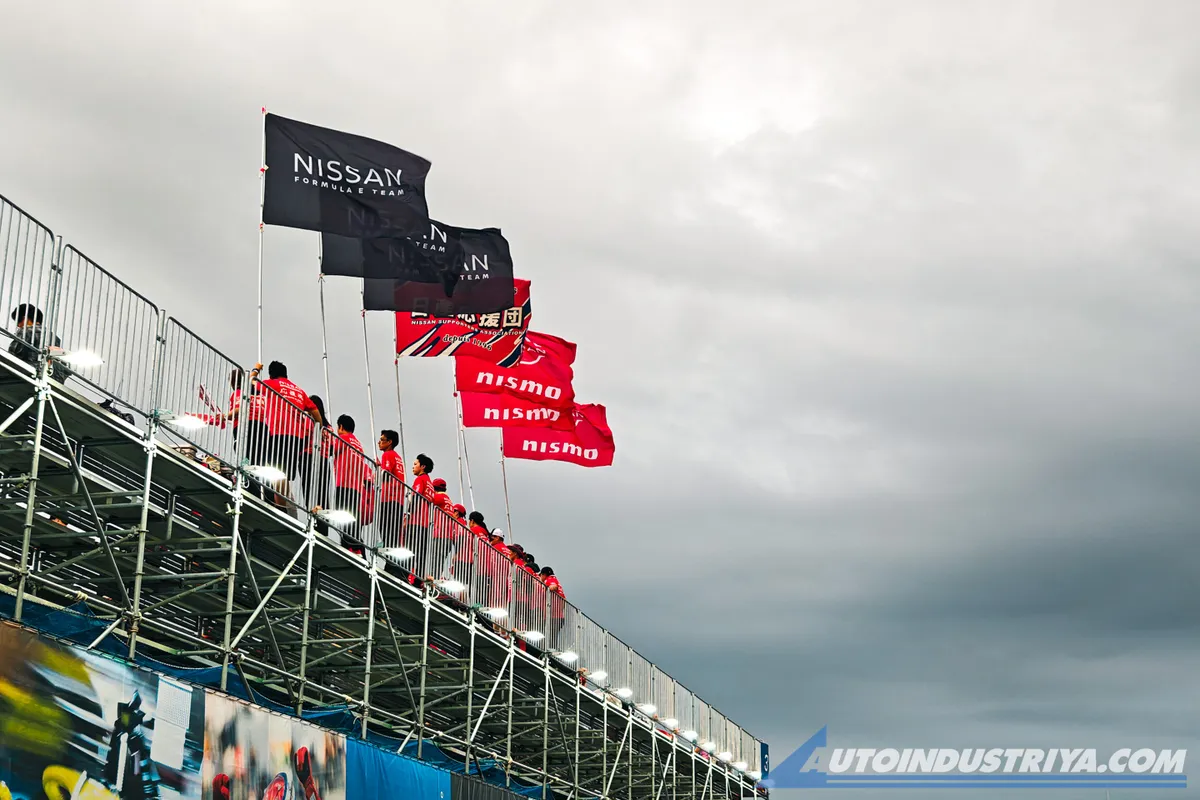
Nissan knows this, and they make sure as many critical parts are available at any given time. When they fill up order sheets for inventory of cars, the order sheet for parts is right beside it.
The other critical edge of Nissan Philippines is stability. We’ve seen all too often that Chinese brands change distributors faster than college kids change relationships. That instability and uncertainty are never good for customers looking to buy multi-million peso cars. Nissan is stable, and despite what some may say, they’re not going anywhere, even with their wider financial problems and dropping sales. They just needed to endure this tough period.
4 photos
The third is going to be their heritage. By that, I don’t mean the historical models like you would in the Nissan Heritage Collection, but rather the connection that Nissan has to us. The brand and the cars mean a lot to us who grew up with them, and that is something a lot of the new automakers have trouble building with Filipinos in the day and age where cars are seen as just appliances. The connection is waning, but Nissan still has that, and it can play a key role in how their pivot will be received.
Some may think that no Japanese automaker should pivot to China, and that it may devalue the perception of the brand. But the problem is building in Japan is getting more and more expensive, and the reality is that China is where auto manufacturing is logically going with the EV, hybrid, and parts ecosystem already there. For export markets, it definitely makes sense especially for us. LHD is a minority in the Southeast Asian RHD majority. Japan is also RHD. China is LHD, and that grants Nissan a lot of flexibility to get from there, and I'm sure Toyota, Mitsubishi, Honda, and the other Japanese brands will be keeping a keen eye on how things turn out for Nissan in the Philippines.
Time and circumstances may not be friends of the crane, but the dragon is, and that may be enough for Nissan to get back to where it should be.
Related Posts
XPeng: Driving into a New World Order
XPeng is establishing itself in the Philippines. What can we expect from this AI-driven auto manufacturer?
How China’s auto industry is going to win the Philippines (and the world)
A ground-level look at how China can dominate the global auto market (and ours)
Ford PH to get HEV, PHEV models from Changan joint venture?
It looks like Ford is banking on bringing more electrified vehicles via the Changan joint venture
Nissan PH will launch Frontier Pro PHEV and N7 BEV
Nissan PH to begin procuring from China beginning with N7 and Frontier PHEV pickup
2027 Honda Avancier (UR-V) to lead brand as new flagship SUV in SE Asia?
Honda to produce Chinese-developed Avancier midsize SUV in Thailand?
The Truth Unfolding at PIMS
Did you notice something unusual at PIMS?