
Barely Legal Speed: The Ariel Atom 4RR and its insane power-to-weight ratio
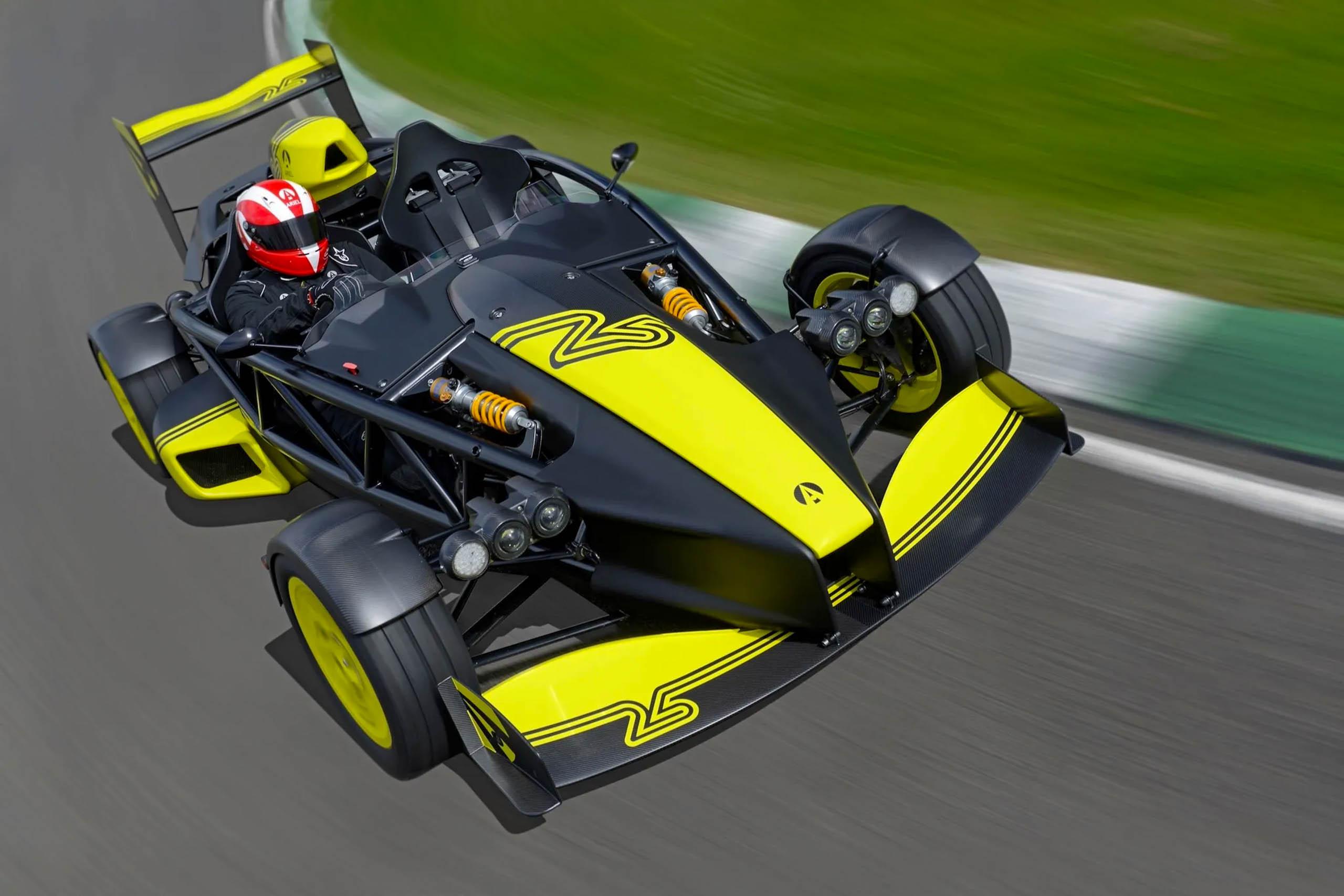
Built to celebrate 25 years of the Atom, the 4RR is the quickest and most powerful production Atom in the model’s history.

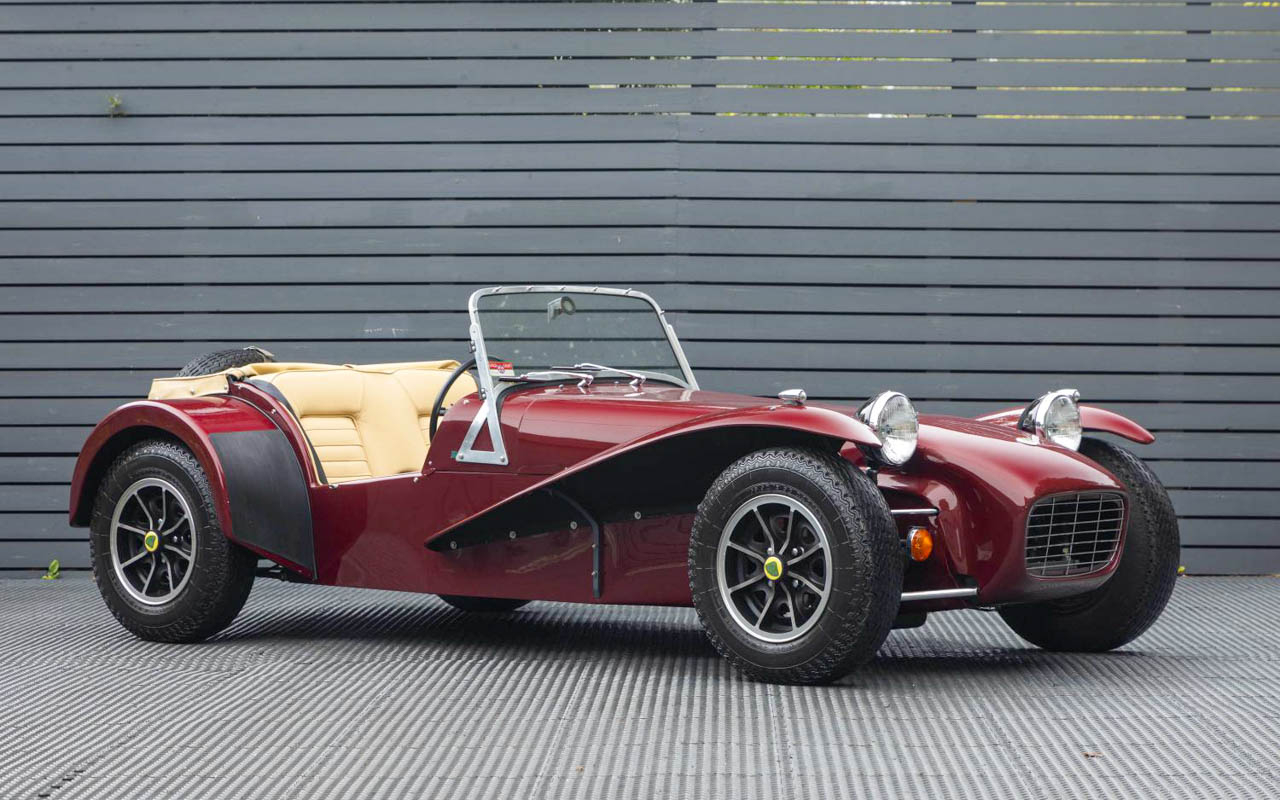
Colin Chapman, founder of Lotus Cars, prioritized reducing weight over simply increasing power. His philosophy, often summarized as “Simplify, then add lightness,” showed that removing unnecessary mass improves all aspects of performance.
A lighter car is not only faster in a straight line, but also performs better in every way.
This is where power-to-weight ratio comes into play. Also known as specific power or power-to-mass ratio, it measures how much power a vehicle produces relative to its weight.
By dividing engine output by vehicle mass, this creates a standardized performance metric that allows fair comparisons between different vehicles regardless of size.
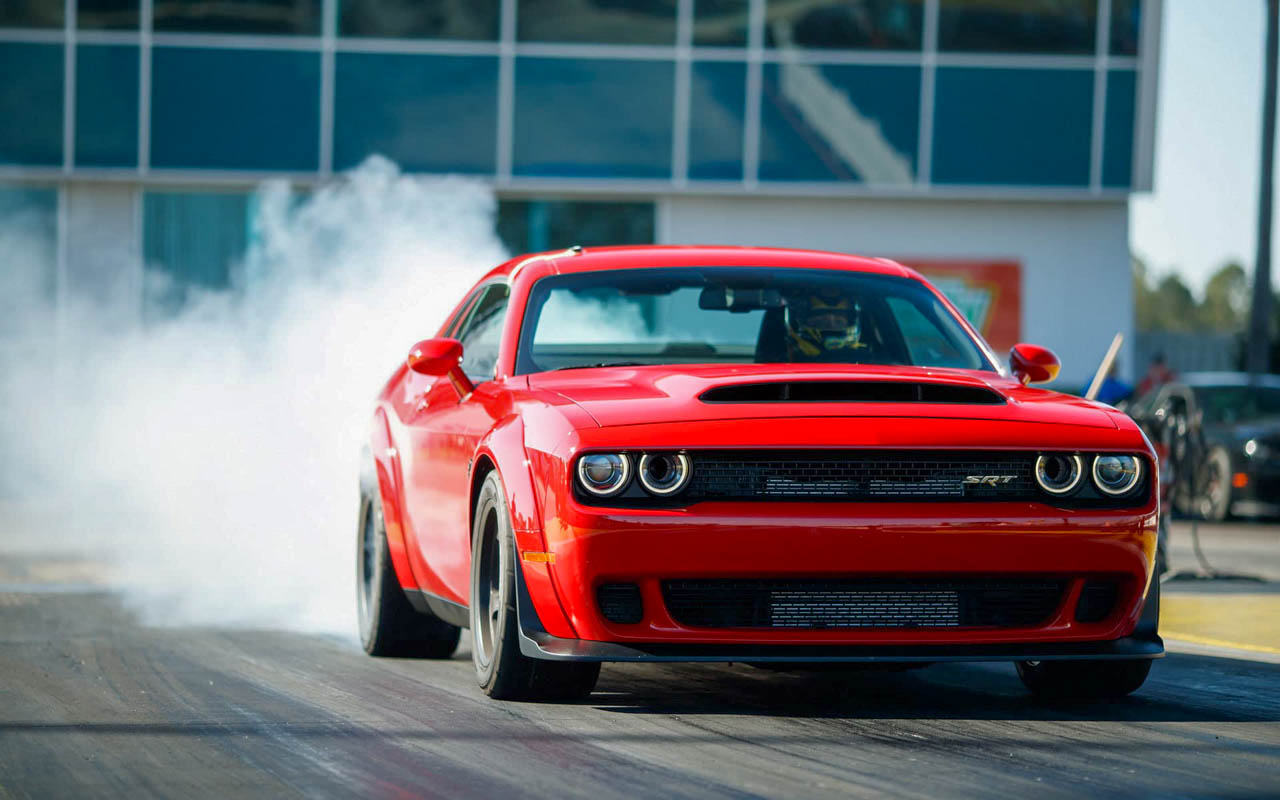
That’s why horsepower alone doesn’t tell the full story. A car may boast an impressive 4-digit horsepower engine, but if it’s burdened by excess weight, its real-world performance can fall short.
Power-to-weight ratio cuts through that illusion of sheer horsepower, offering a clearer picture of how quick and responsive a vehicle truly is. Simply put, the higher the ratio, the better the performance.
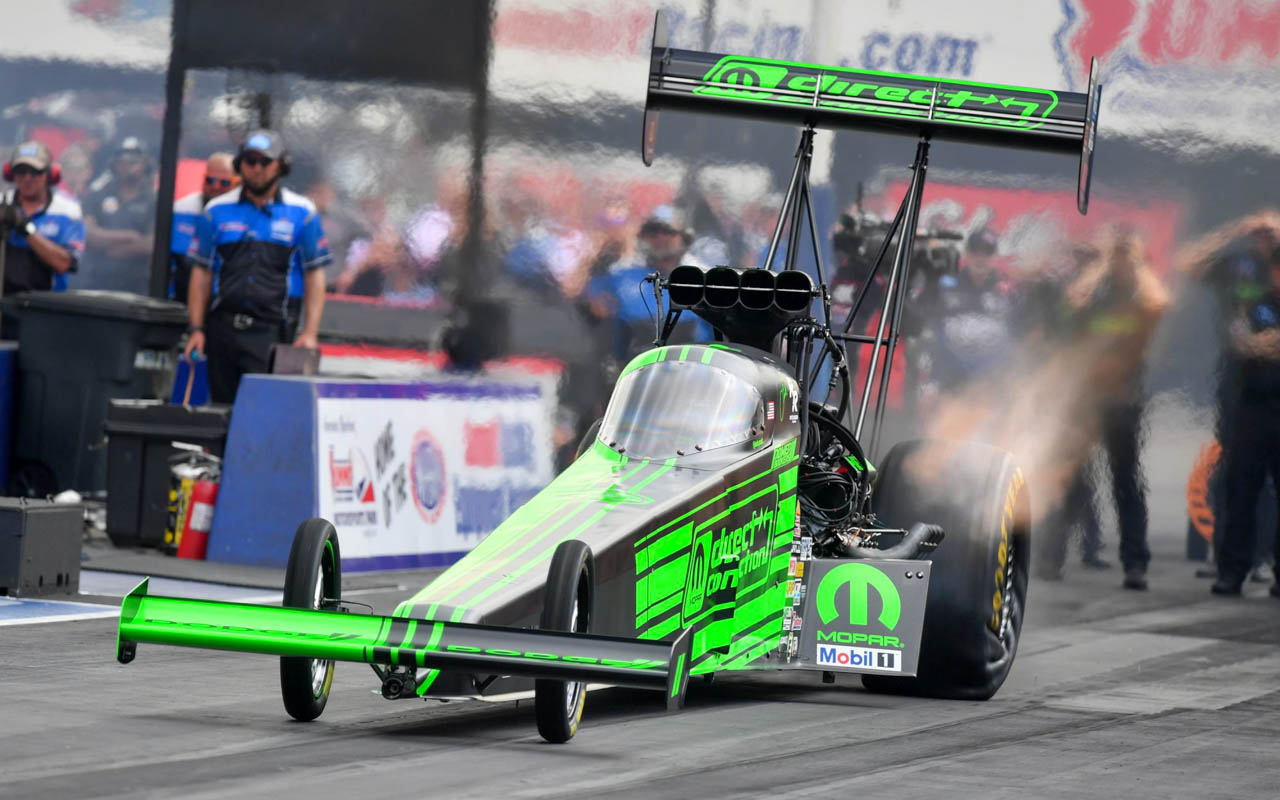
Such levels of performance are typically found in race cars and elite hypercars. A modern Formula 1 car, for instance, weighs around 768 kg and produces 1,000 horsepower, resulting in a staggering power-to-weight ratio of about 1,328 hp per tonne. At the extreme end, an NHRA Top Fuel dragster generates close to 11,000 horsepower while weighing 2,320 kg, delivering an almost unbelievable ratio of 4,700 hp per tonne. Cutting-edge hypercars like the Ferrari F80, with 1,184 horsepower and a weight of 1,525 kg, achieves around 787 hp per tonne.
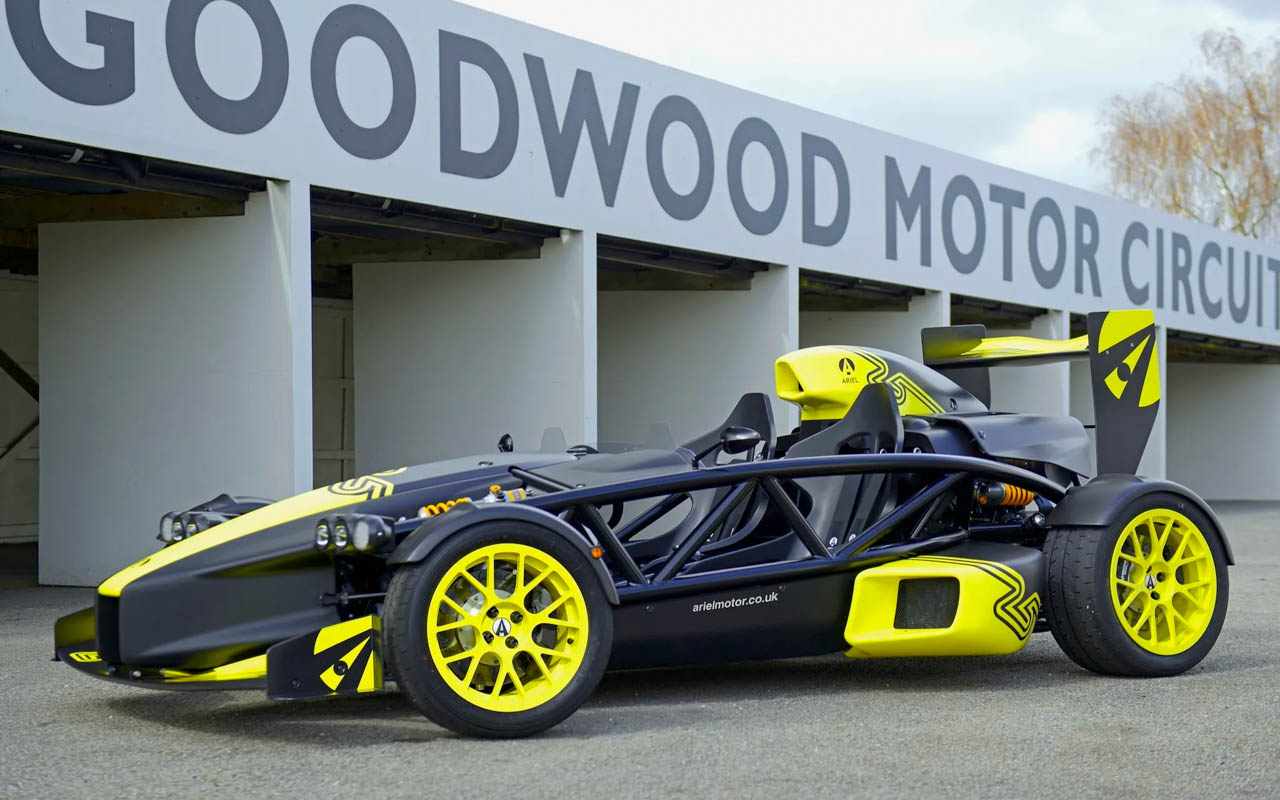
While race cars are rarely street-legal, there are a few exceptions, specially built enthusiast cars that blur the line between race-bred performance and road usability with extreme power-to-weight ratios. One of the most striking examples is the latest Ariel Atom 4RR.
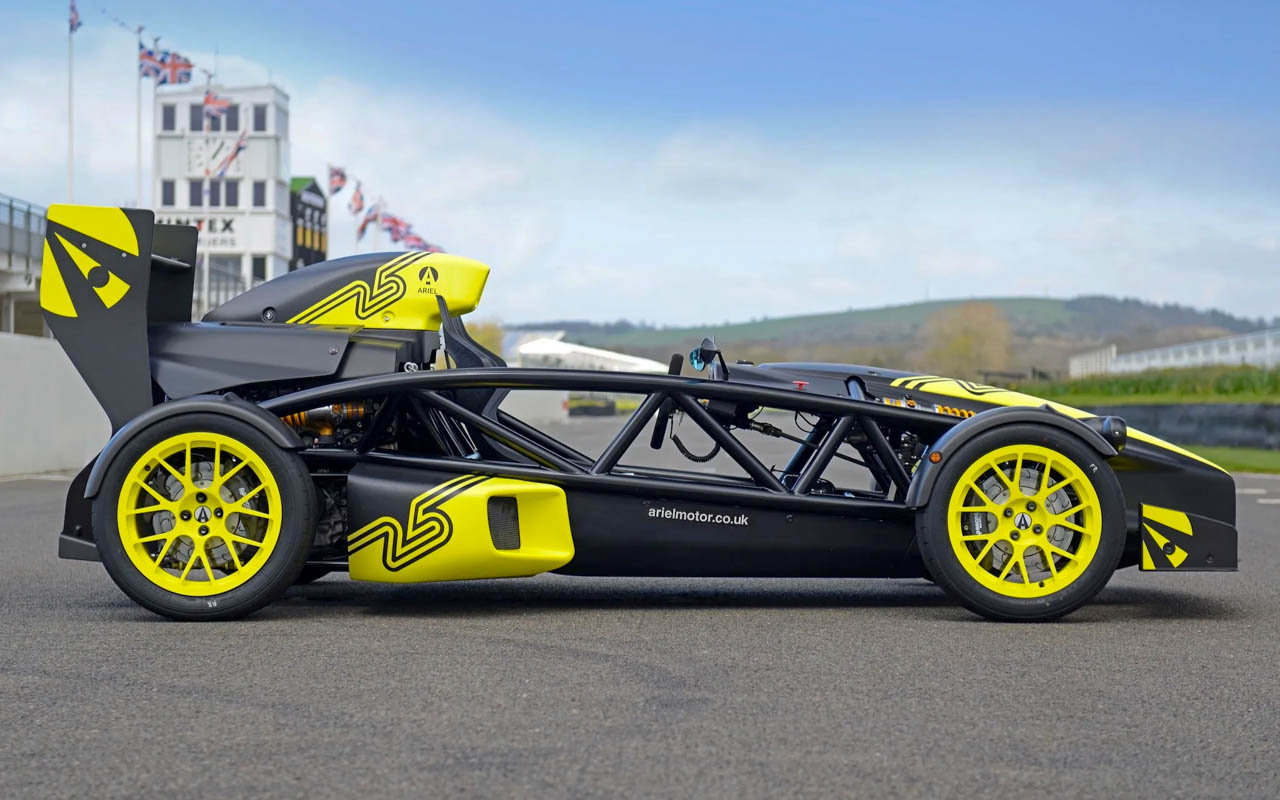
Built to celebrate 25 years of the Atom, this latest version produces 525 horsepower and 549 Nm of torque while weighing just 668 kg. The result is a staggering power-to-weight ratio of around 780 hp per tonne.
Performance is equally extreme, with 0–100 km/h in 2.4 seconds, 0–160 km/h in 5.1 seconds, and a top speed of 281 km/h, making it the quickest and most powerful production Atom in the model’s history.
At the heart of the Atom 4RR is a Honda K20C 2.0-liter, turbocharged, four-cylinder engine, the same one found in the Civic Type R and Integra Type S.
Fully rebuilt by Ariel to put out 500-plus hp, it features forged pistons and rods, a revised cylinder head, stronger valve train components, aggressive camshafts, and a larger turbo producing up to 1.7 bar of boost, supported by 1,400-cc fuel injectors. Air enters through a carbon-fiber intake and exits via a titanium exhaust.
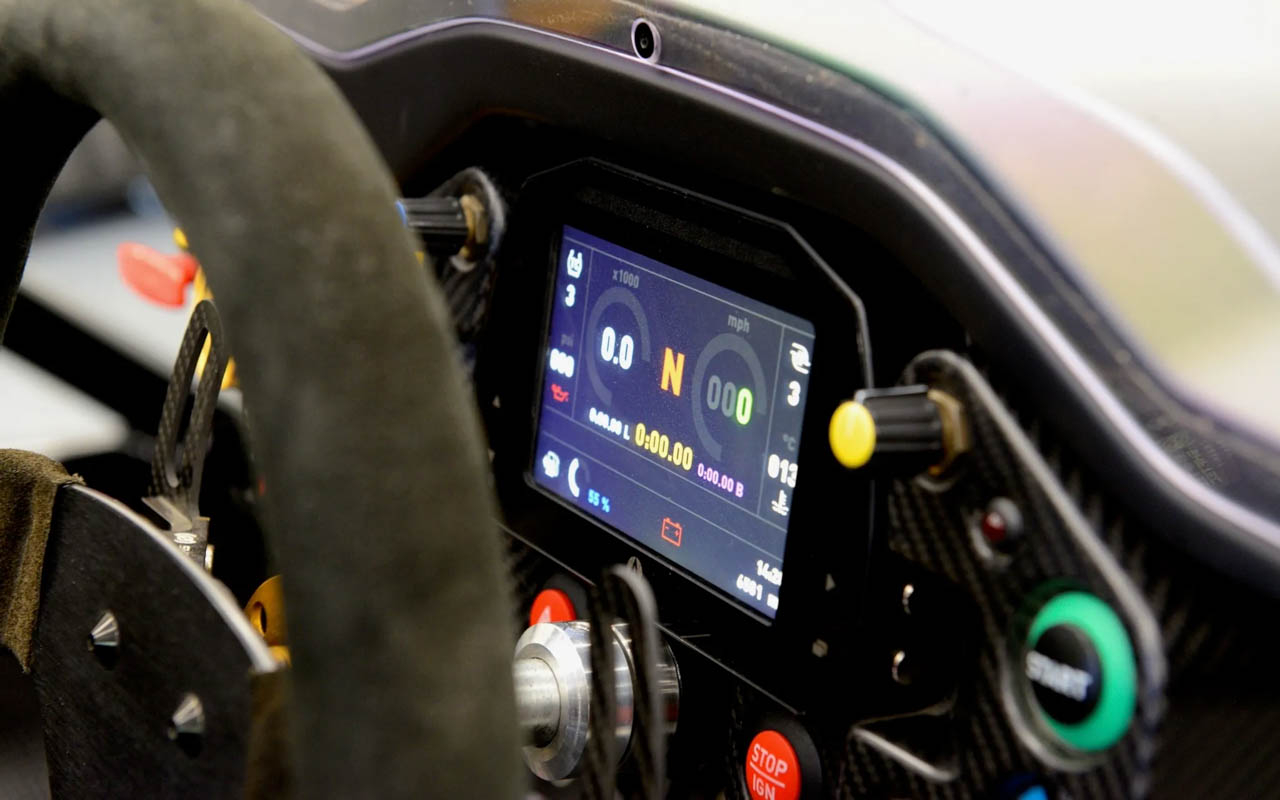
Power is delivered to the rear wheels through a Quaife six-speed sequential gearbox with pneumatic paddle shifters, the clutch is only used for pulling away from rest and features an auto-blip system for smoother downshifts.
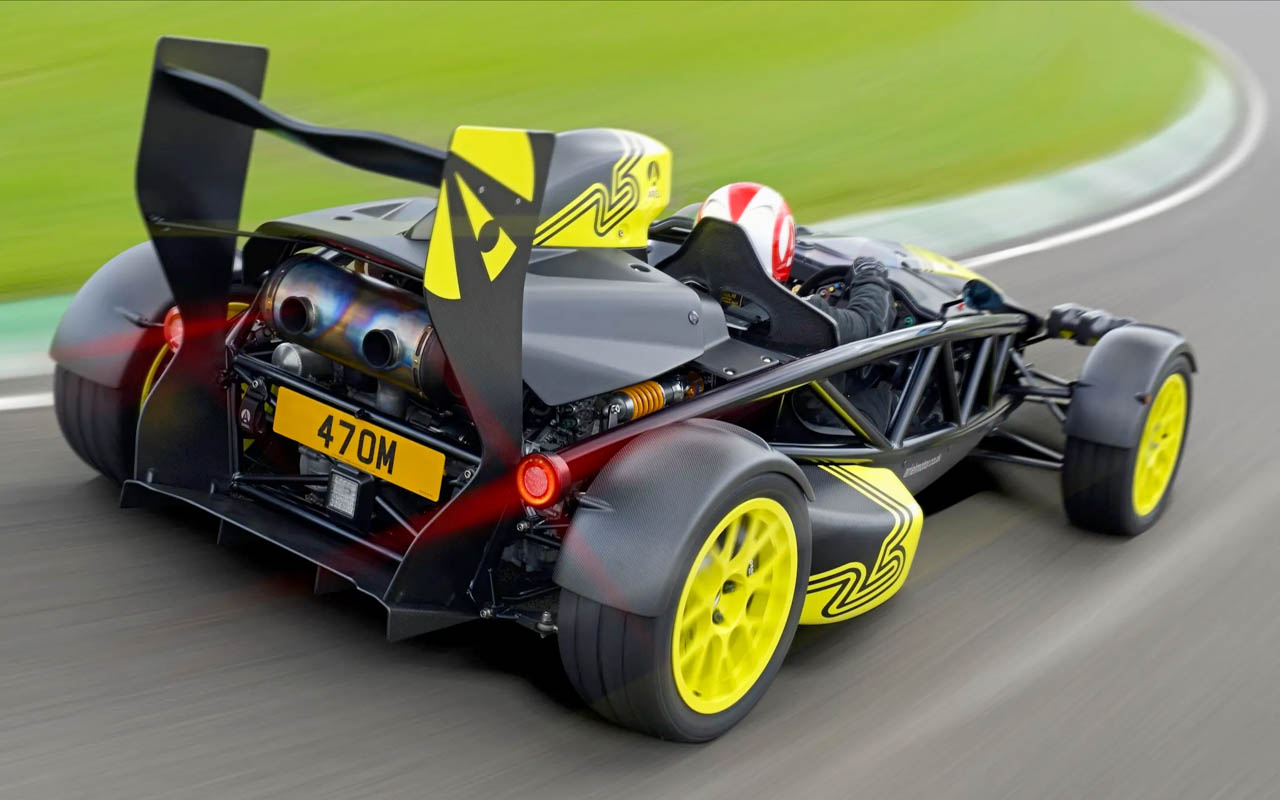
Hugely responsible for its light weight, the Atom retains its signature exoskeletal chassis, now paired with adjustable Öhlins coilover dampers for precise handling.
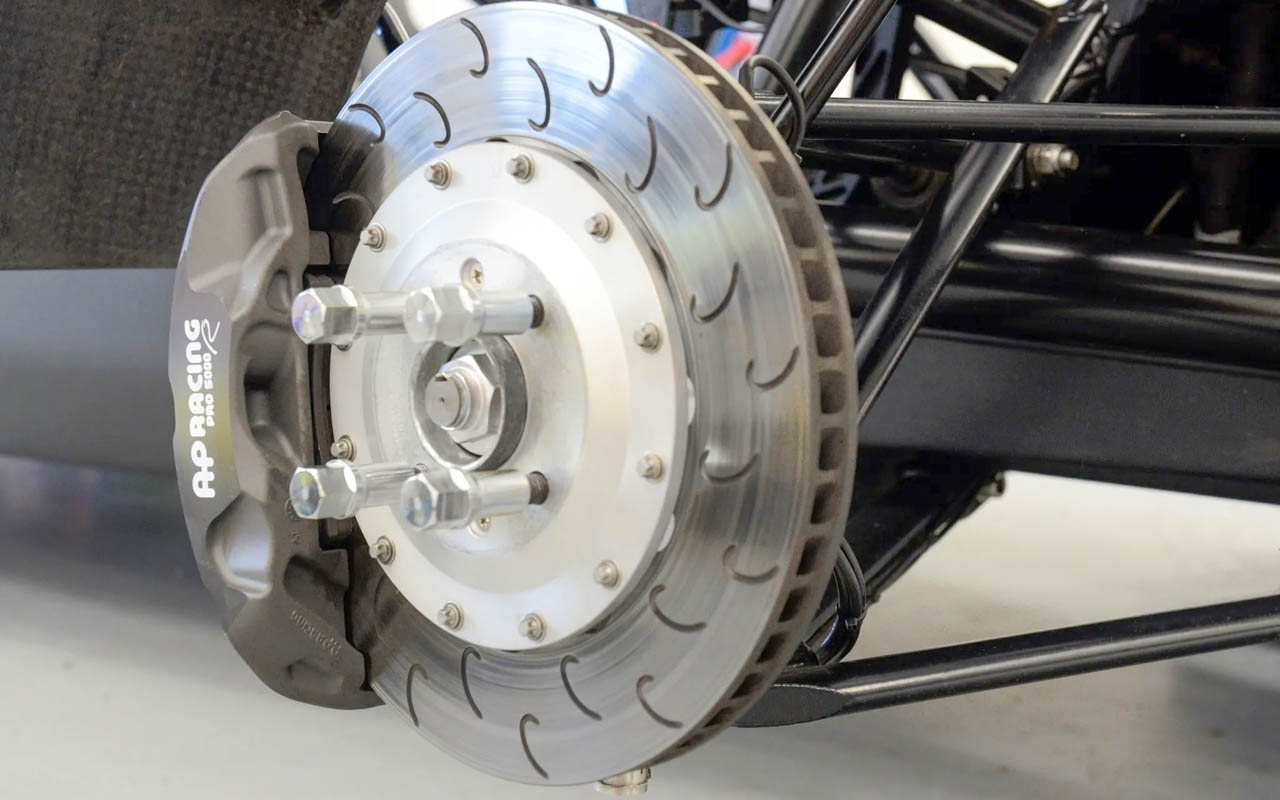
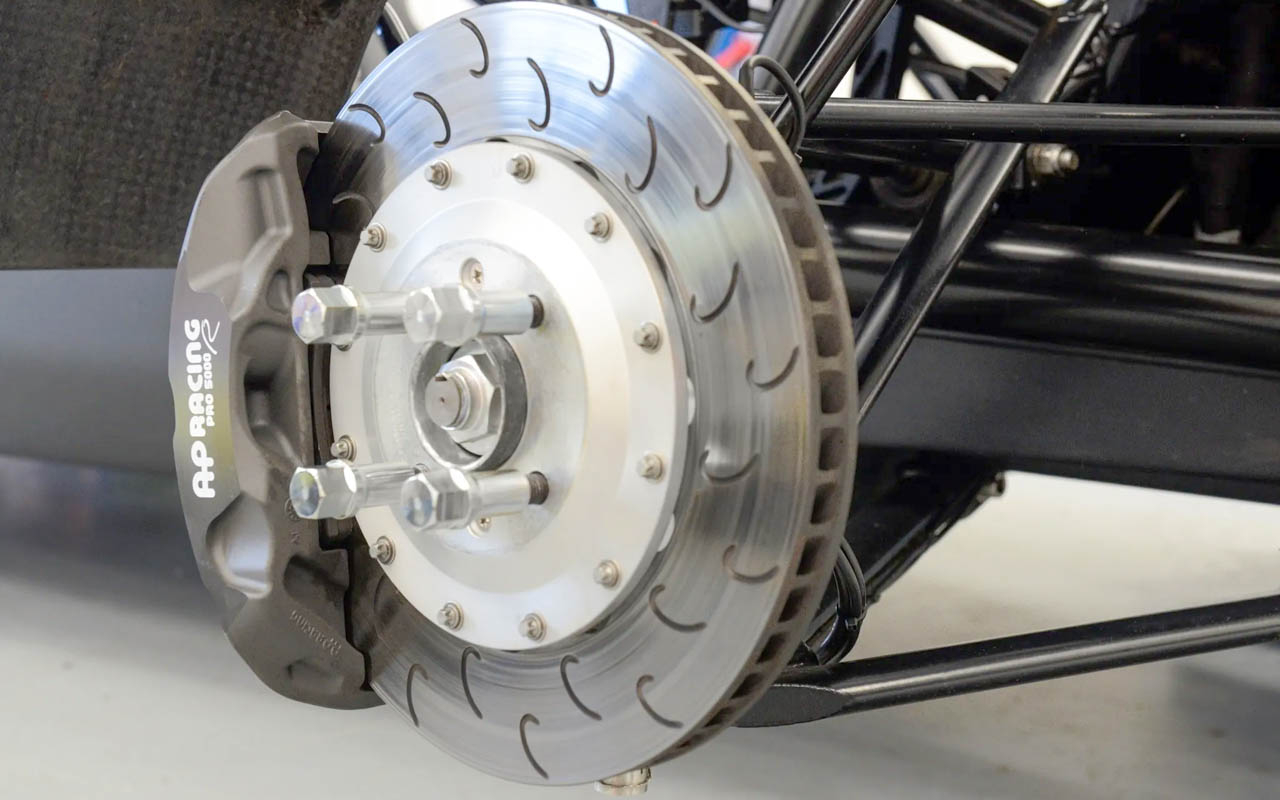
Braking is handled by AP Racing brake set, with ventilated two-piece rotors and four-piston calipers, supported by a driver-adjustable ABS system with 11 settings, including the option to switch it off. For traction, it uses a staggered wheel set up, 16 inches up front and 17 inches at the rear in sticky Yokohama A052 tires.
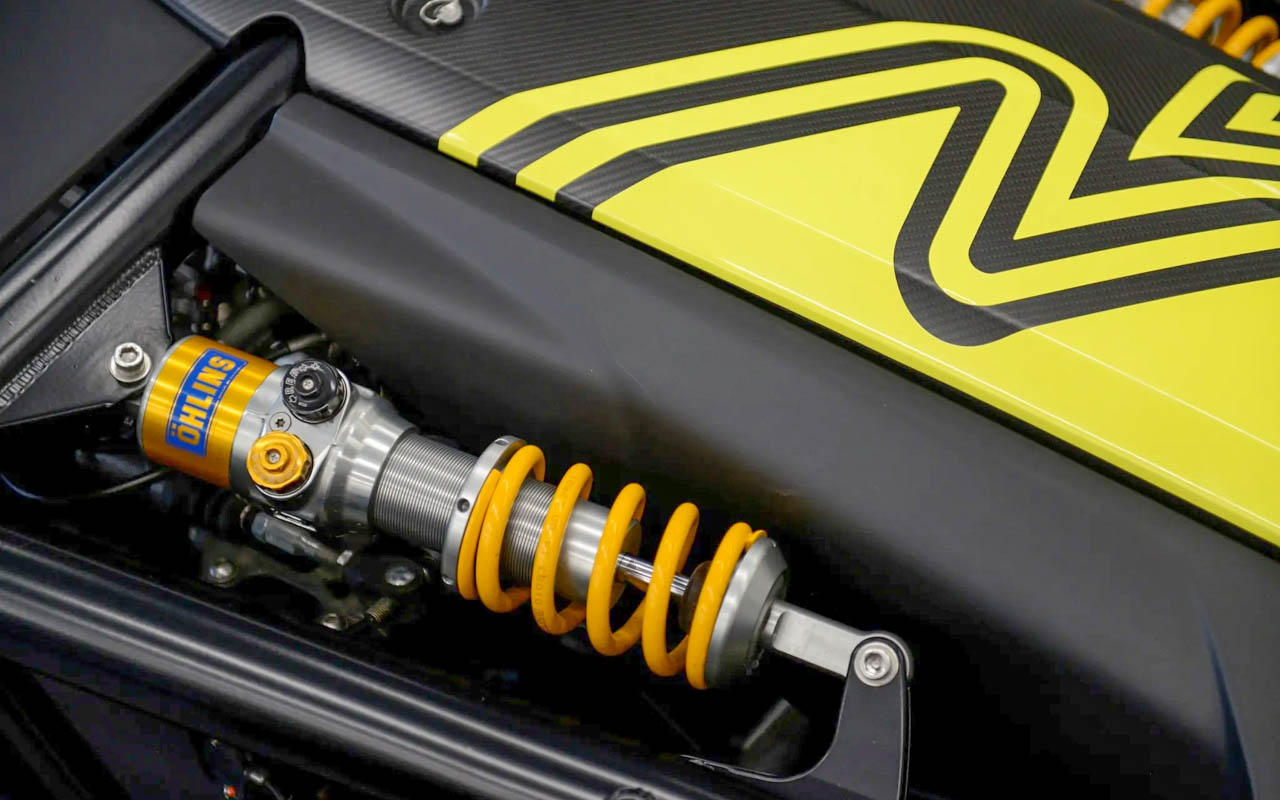
Carbon-fiber components play a major role in both performance and design. The side pods, derived from the previous Atom 4R, feature enhanced cooling channels for the engine and gearbox, while an aggressive rear wing and additional aerodynamic elements help generate downforce.
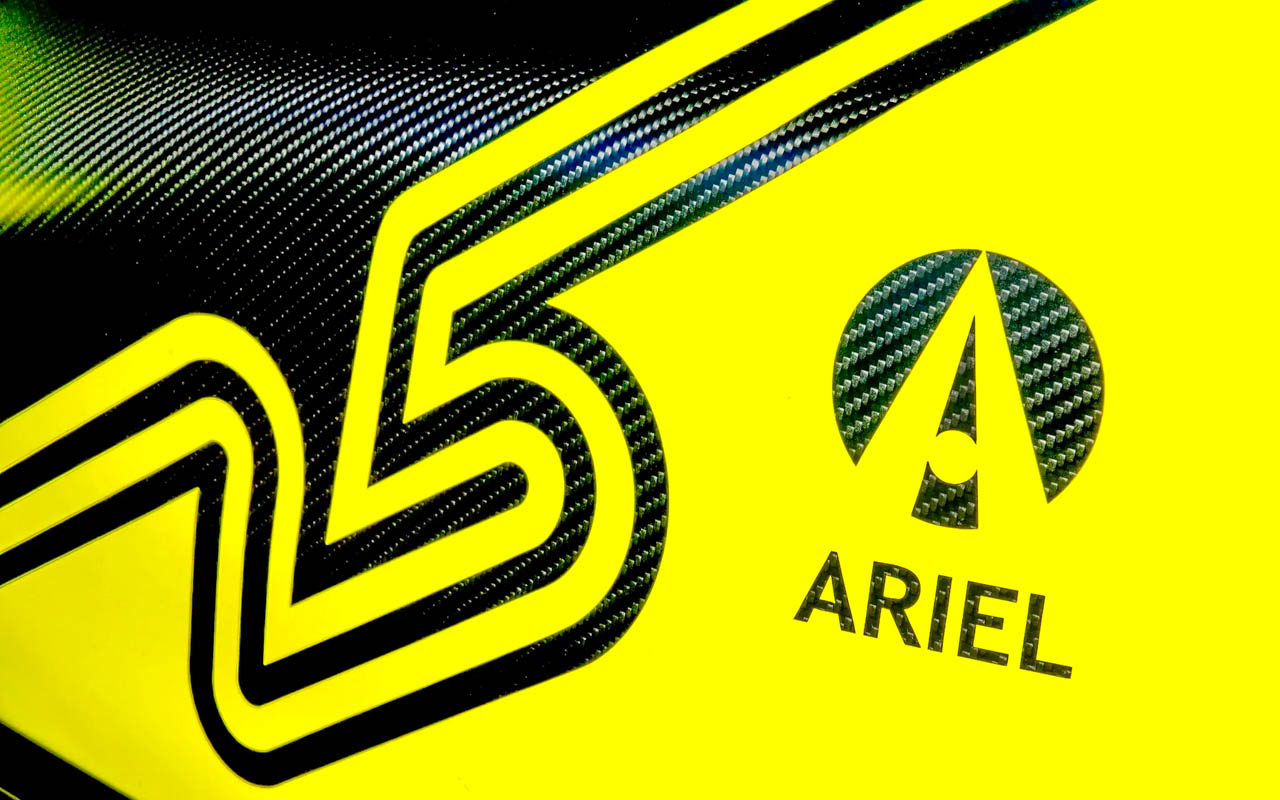
Despite its track-focused intent, Ariel maintains that the 4RR remains street-legal, with subtle touches like mudguards and distinctive 25th anniversary graphics completing the package.
The only catch? Production will be extremely limited, with Ariel having no plans for mass manufacturing.
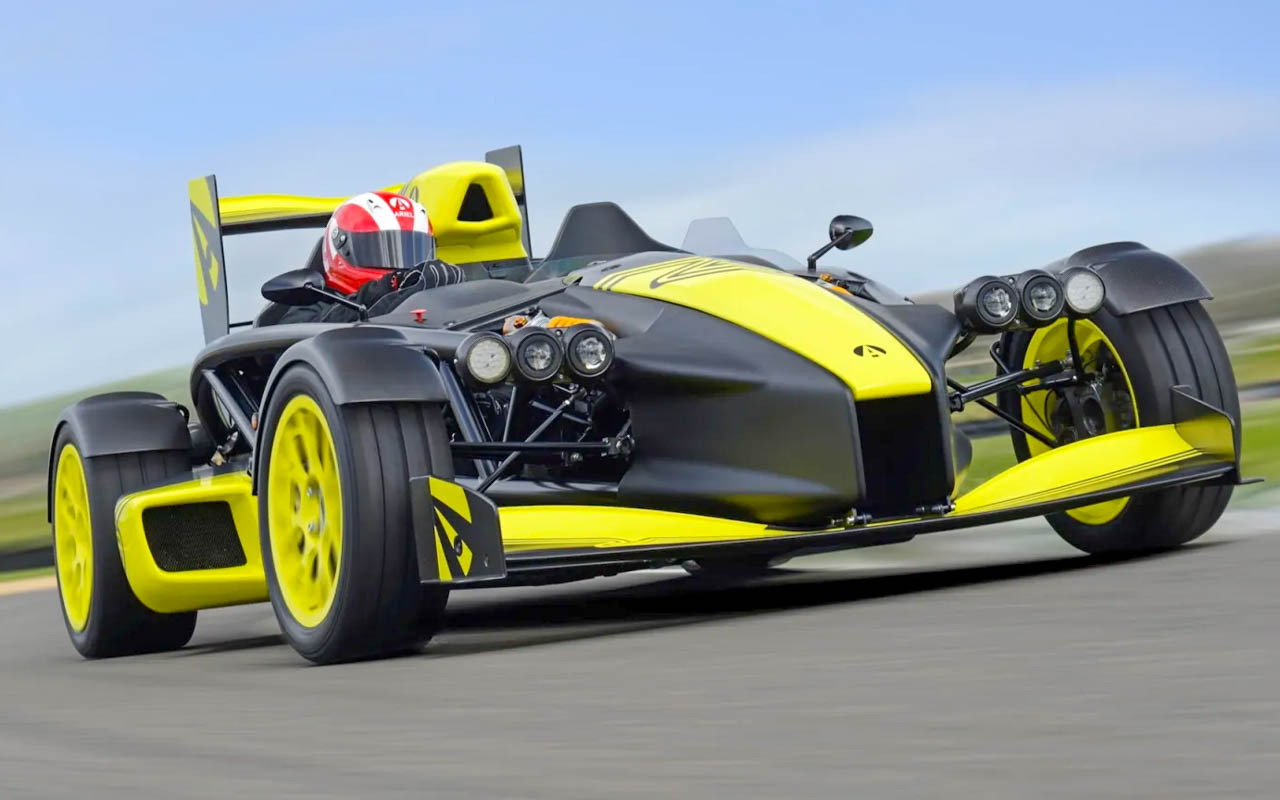
The Ariel Atom 4RR reinforces a key lesson in performance engineering: speed isn’t just about big horsepower figures.
True performance comes from balance and often, the most effective gains come from reducing weight as much as adding loads of power.
Related Posts
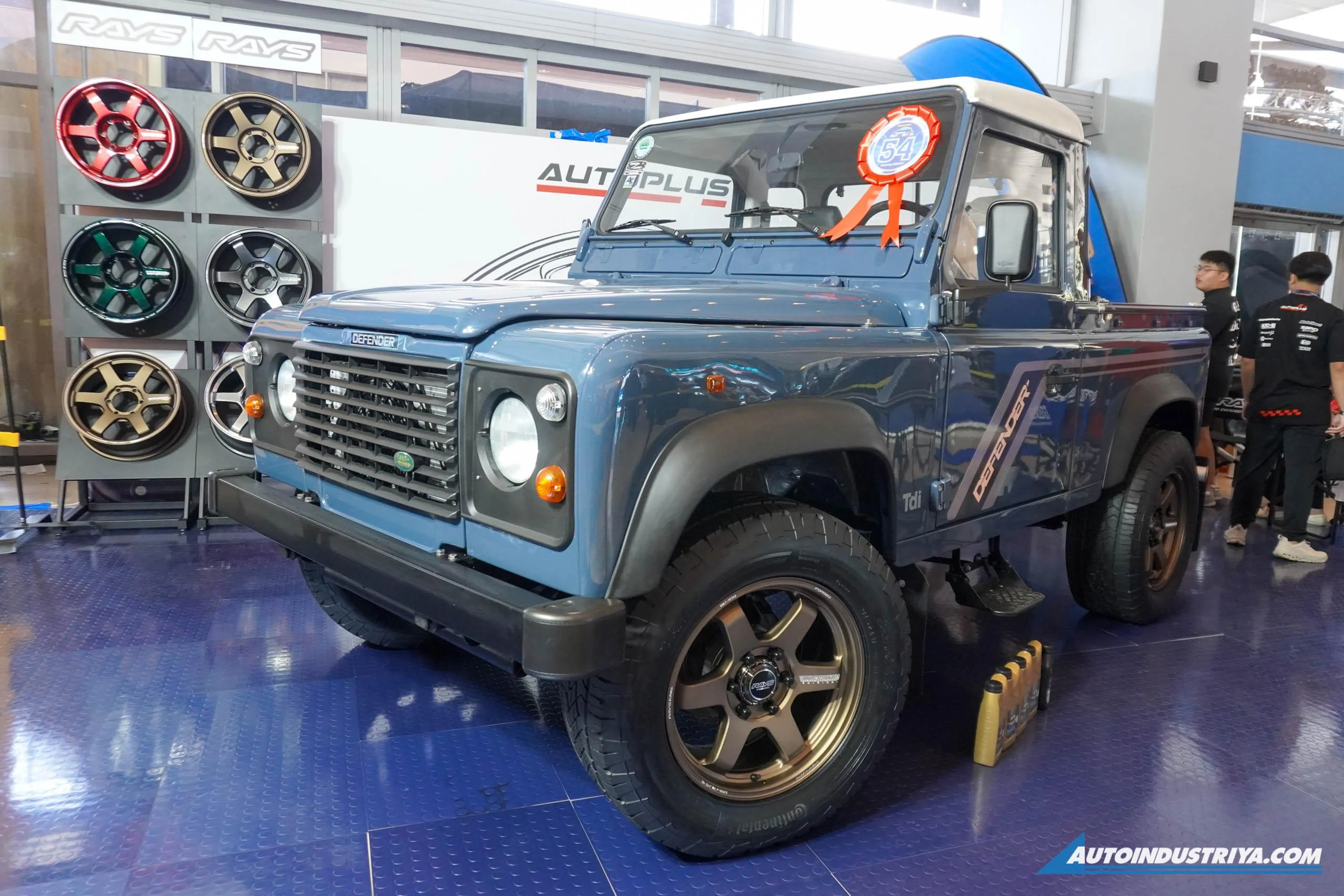
MIAS 2026: A shopper's delight for parts, accessories, and tools
The aftermarket section at MIAS showcases options for car enthusiasts to personalize, enhance, and maintain their vehicles
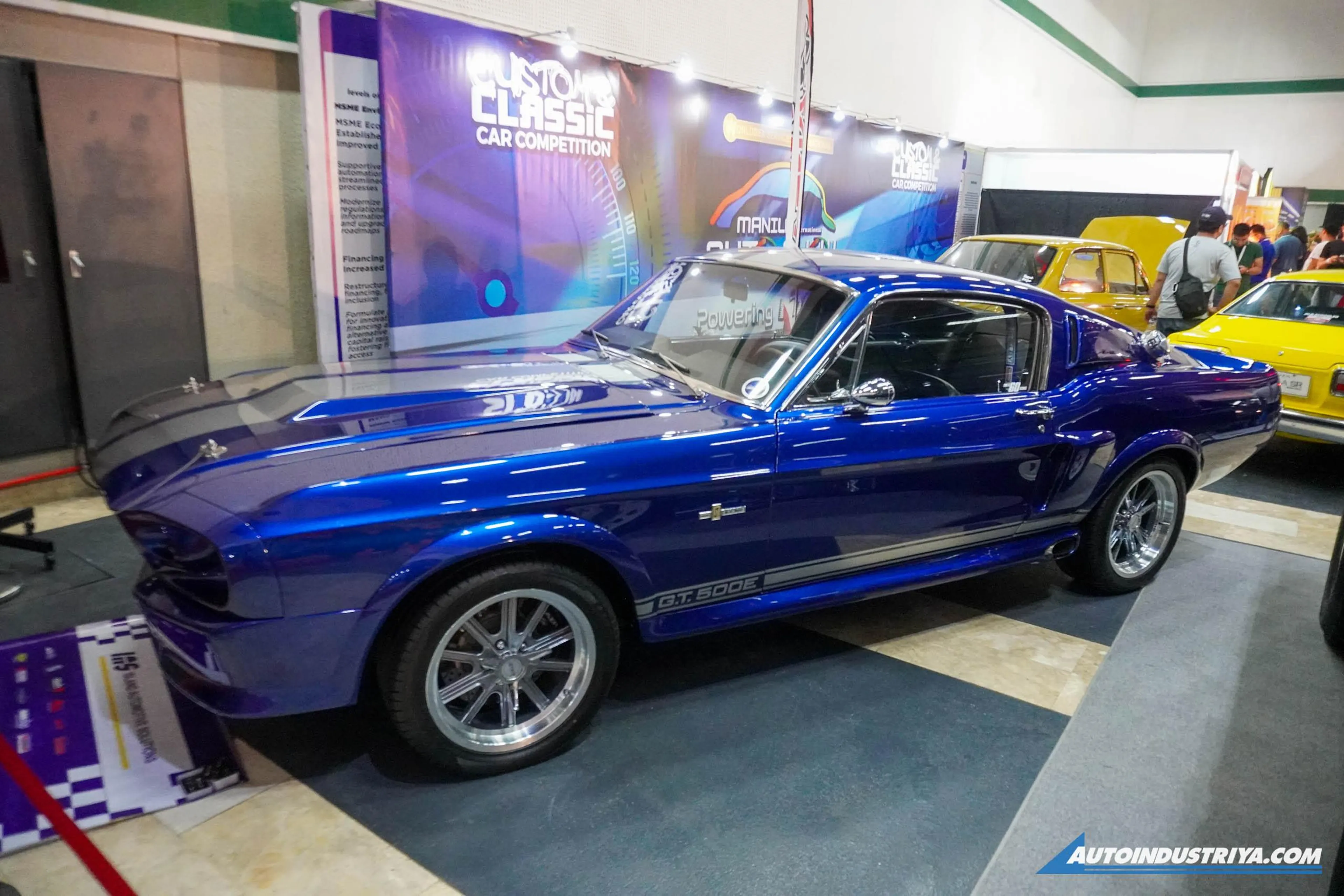
MIAS 2026: What we saw at the Classic and Custom Car Competition
We take a look at some of the entries at this year's MIAS Classic and Custom Car Competition
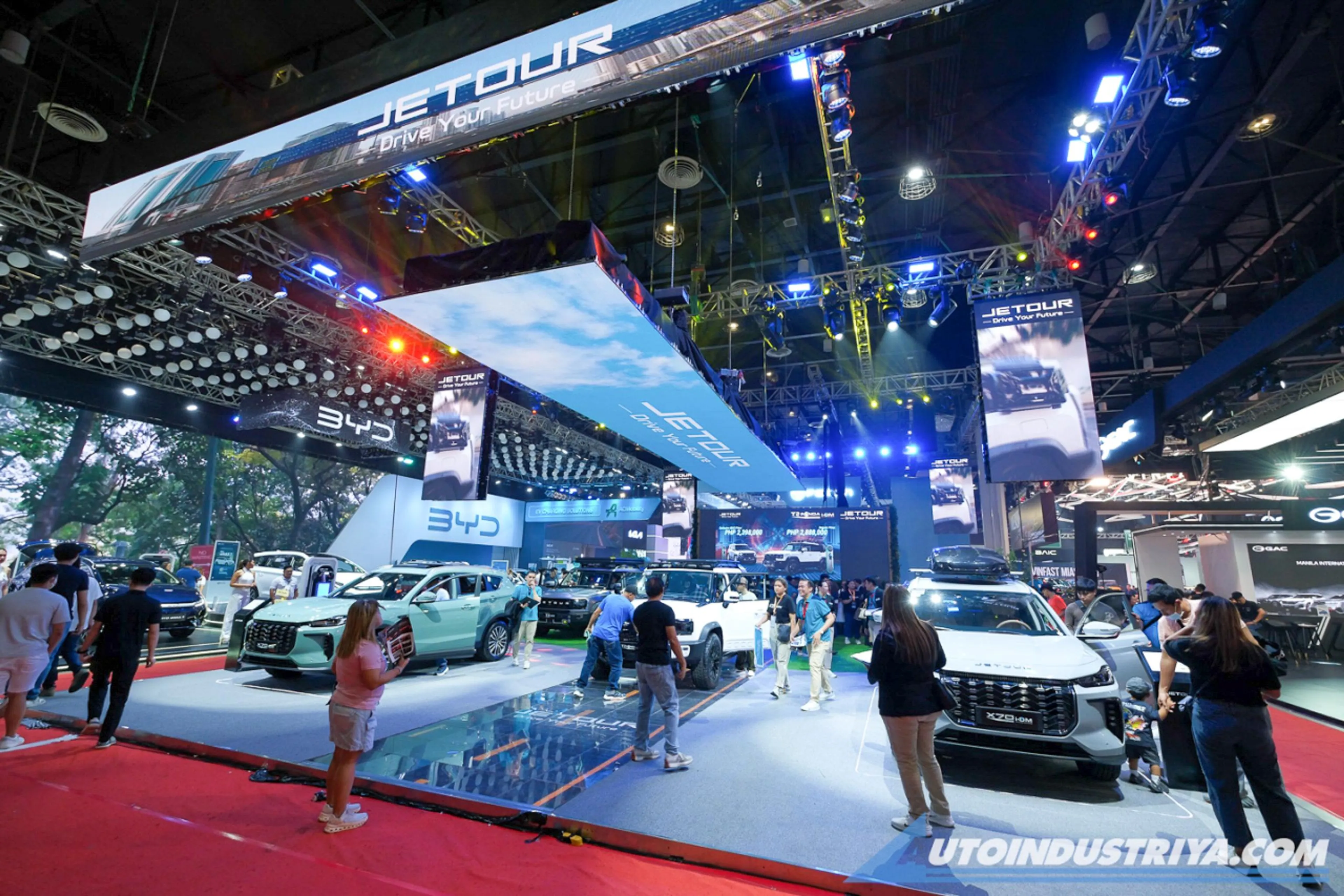
Six things to plan ahead for 2026 Manila International Auto Show
Heading to the 2026 Manila International Auto Show? Here are some tips to make sure you maximize the experience at World Trade Center
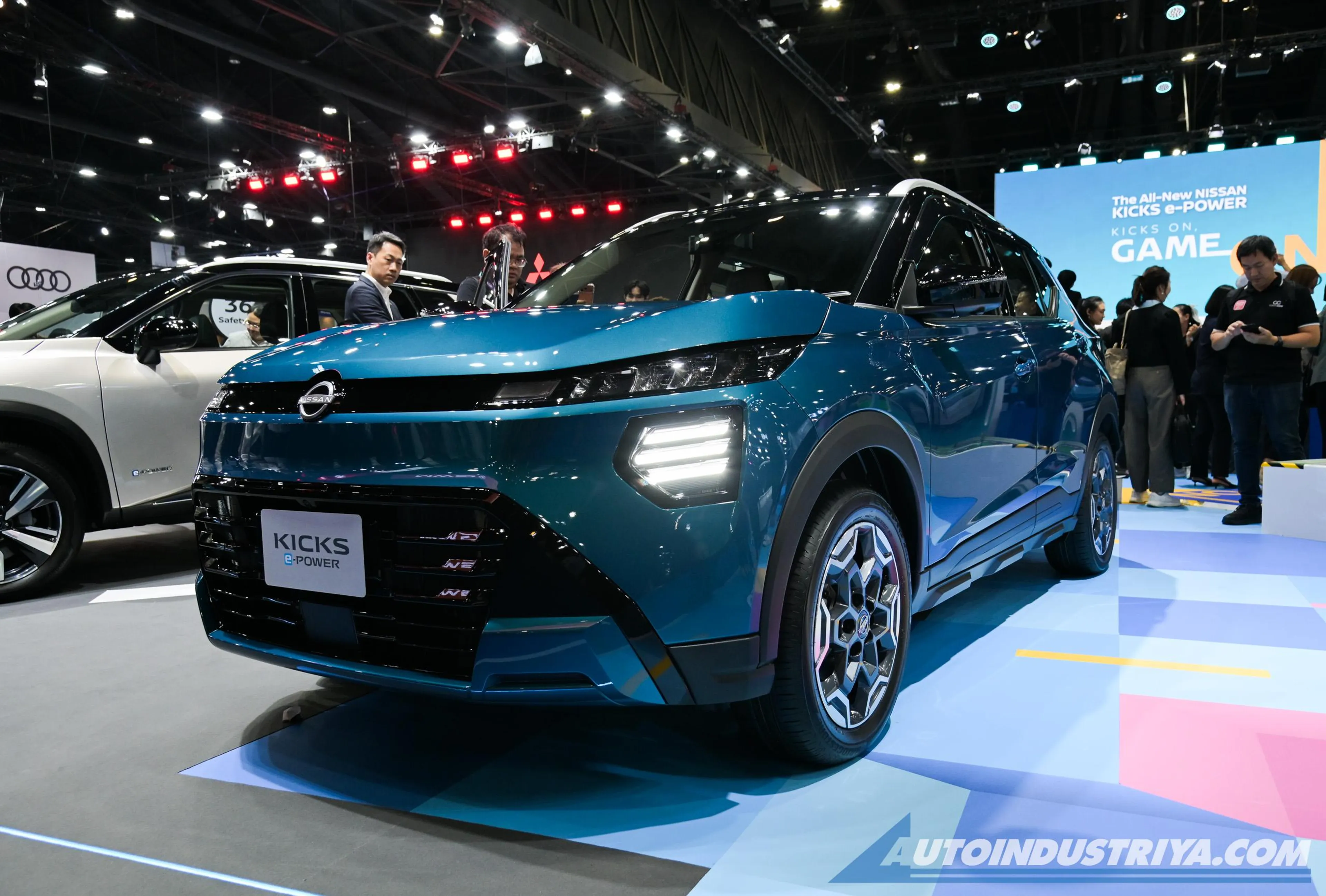
First Impressions: Did 2026 Nissan Kicks e-Power get the right updates?
Did Nissan do enough to keep the Kicks e-Power competitive in the hybrid crossover segment with its new update?

2026 Toyota RAV4 HEV: The promised hybrid?
Is the all-new sixth-generation Toyota RAV4 HEV worth it at a starting price of PHP 2.183M?

Switching to Electrified Drive: How do you pick the right one?
Fuel price surges are naturally pushing buyers to look for alternatives, but how do you know if it's the right electrified vehicle for you?