

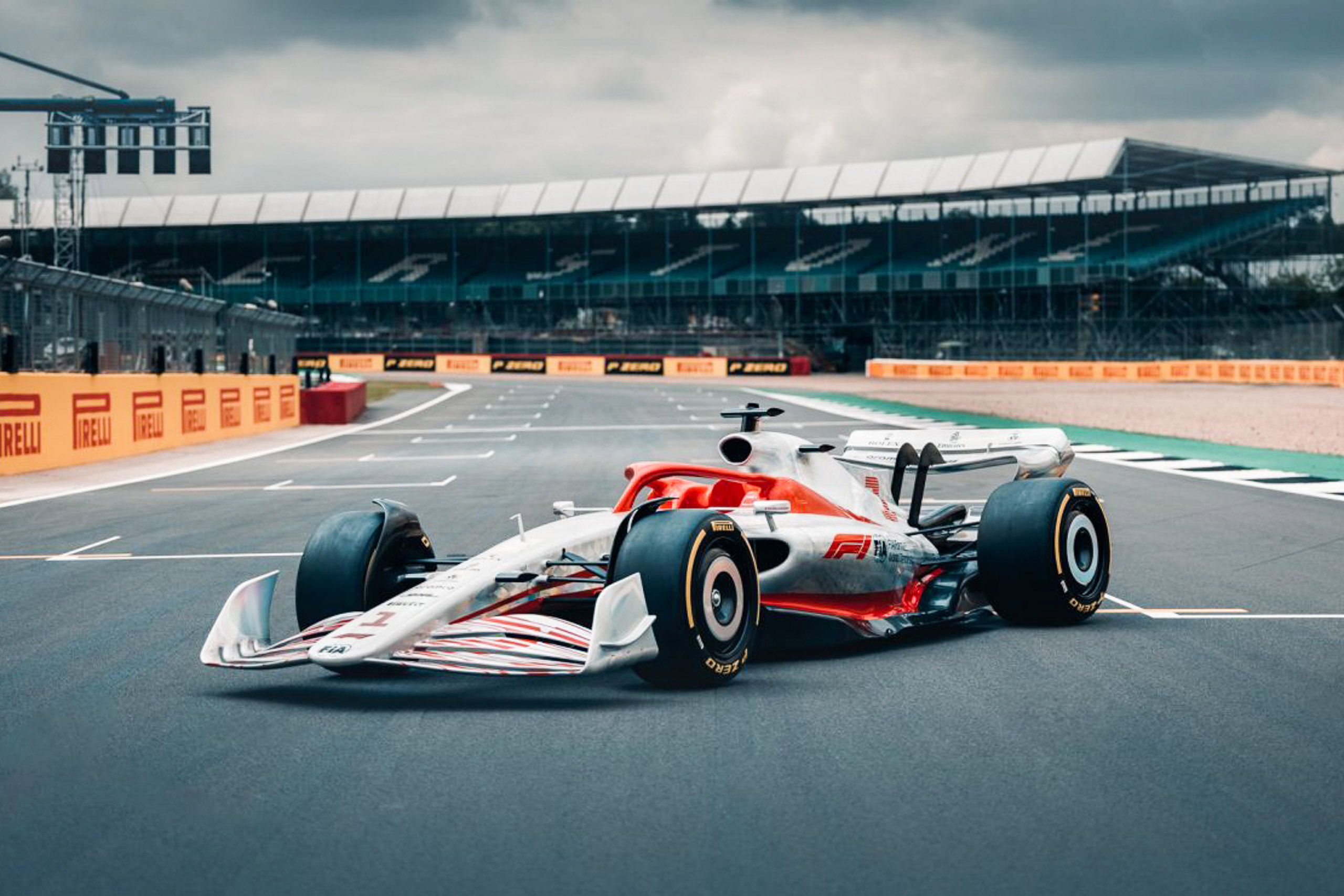
The future of Formula 1 racing has been revealed. After years of development, Formula 1 has taken the covers off the 2022 F1 car. Built and designed to meet with the new rules and regulations, the next-generation racecar is set to revolutionize the sport, as well as promote better racing.
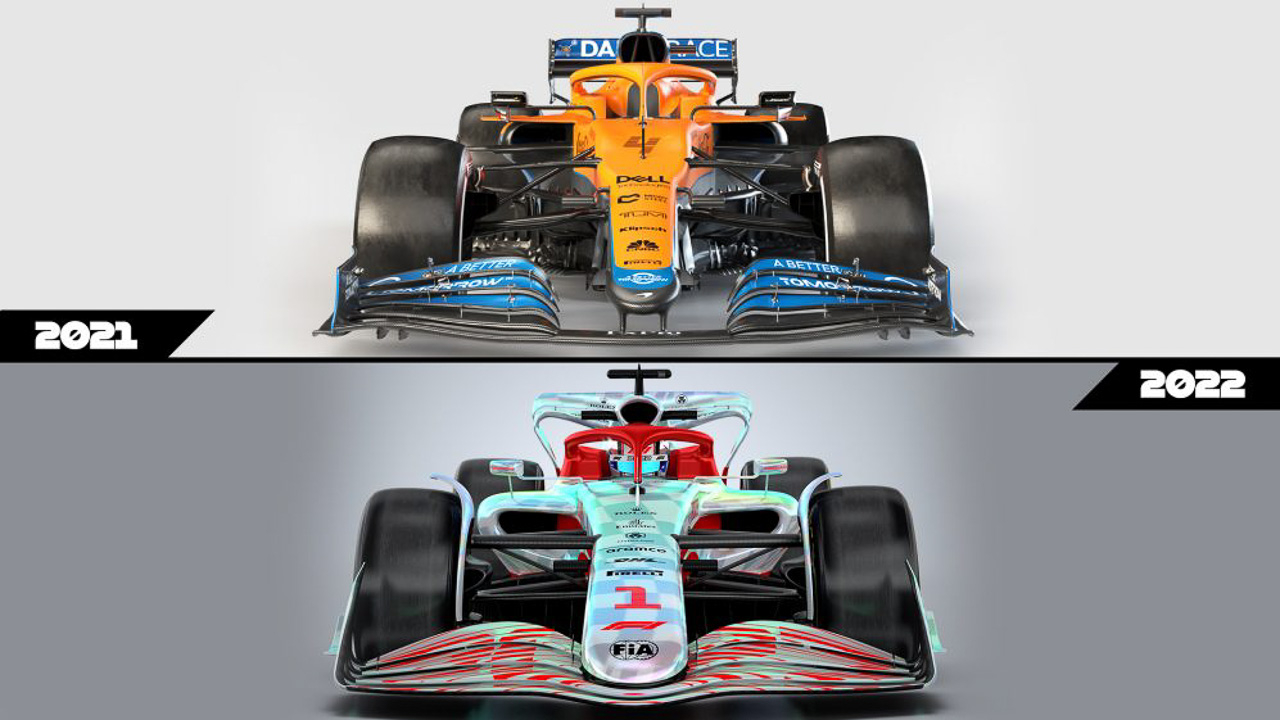
Immediately noticeable on the new car is its redesigned front wing. Unlike the current design, the new one has a more neutral appearance. According to the engineers, this makes the front wing less aerodynamically sensitive should a driver be running close behind another car's airflow. This will allow a driver to make faster overtakes should the opportunity arise.
Aside from the front wing getting a makeover, engineers were also busy changing up the rear of the 2022 racecar. While it appears they only made minor changes, the revised wing now has upper rolled tips that were specifically designed to draw airflow up and over the following car rather than directly into it. This allows more 'clean air' to pass over it, rather than having 'dirty air' (disrupted airflow) flow behind the racecar. Thanks to the more aerodynamic airflow, drivers can take advantage of the clean air behind an opponent's car.
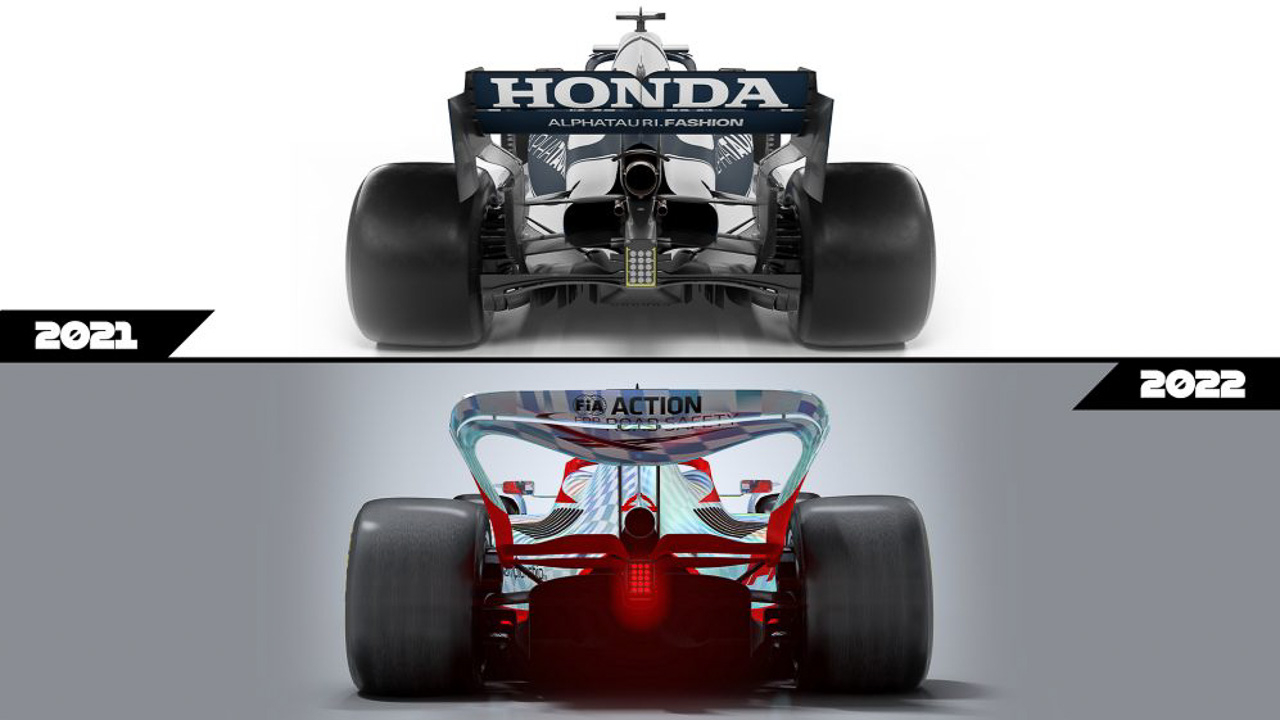
Currently, the design of the rear wing means drivers at the back have to contend with dirty air which actually makes it difficult for drivers to overtake at times. The new design, however, negates that which will allow for more exciting races in the next season.
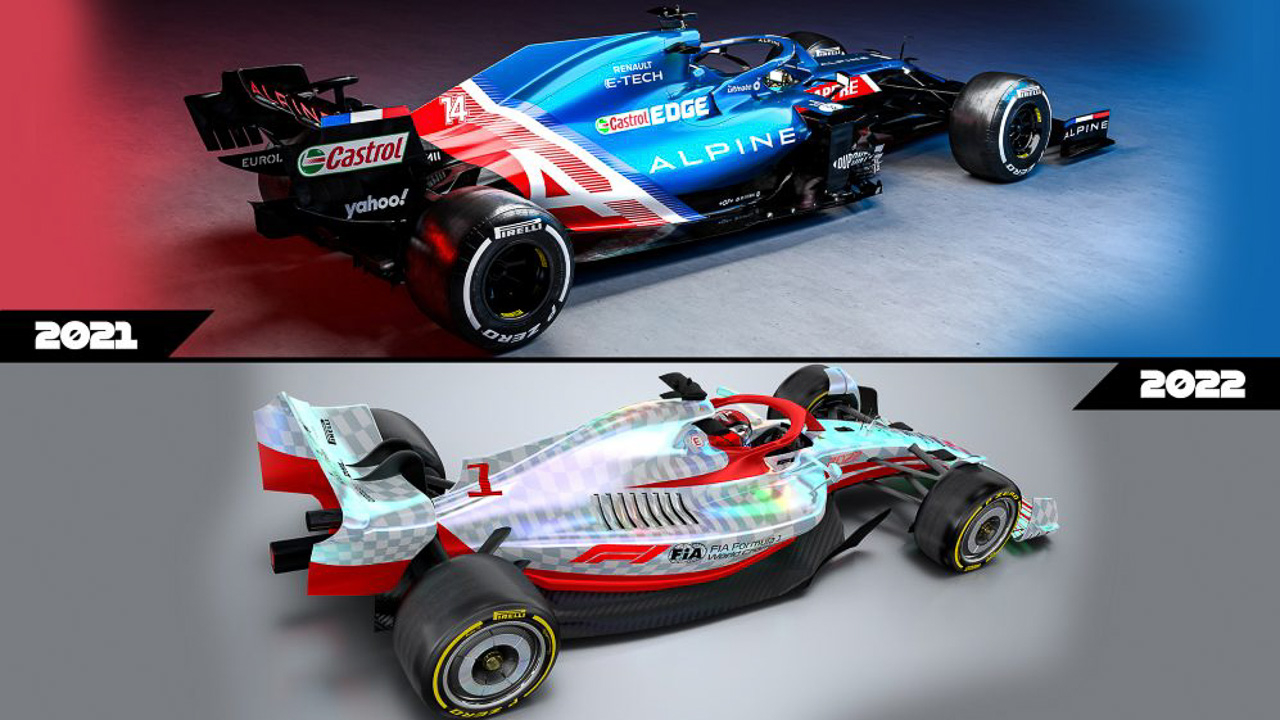
Another noticeable change F1 made on the new car is the bigger wheels and tires. Whereas the current car rolls on 13-inch wheels with thick tires, the 2022 car will switch to bigger 18-inch wheels wrapped in low-profile tires. F1 also brought back the wheel covers which are now mandatory to keep the airflow clean and limit what teams can do to make tires more aerodynamic. Last but not least, there are over-wheel winglets which they claim will help in keeping the airflow clean.
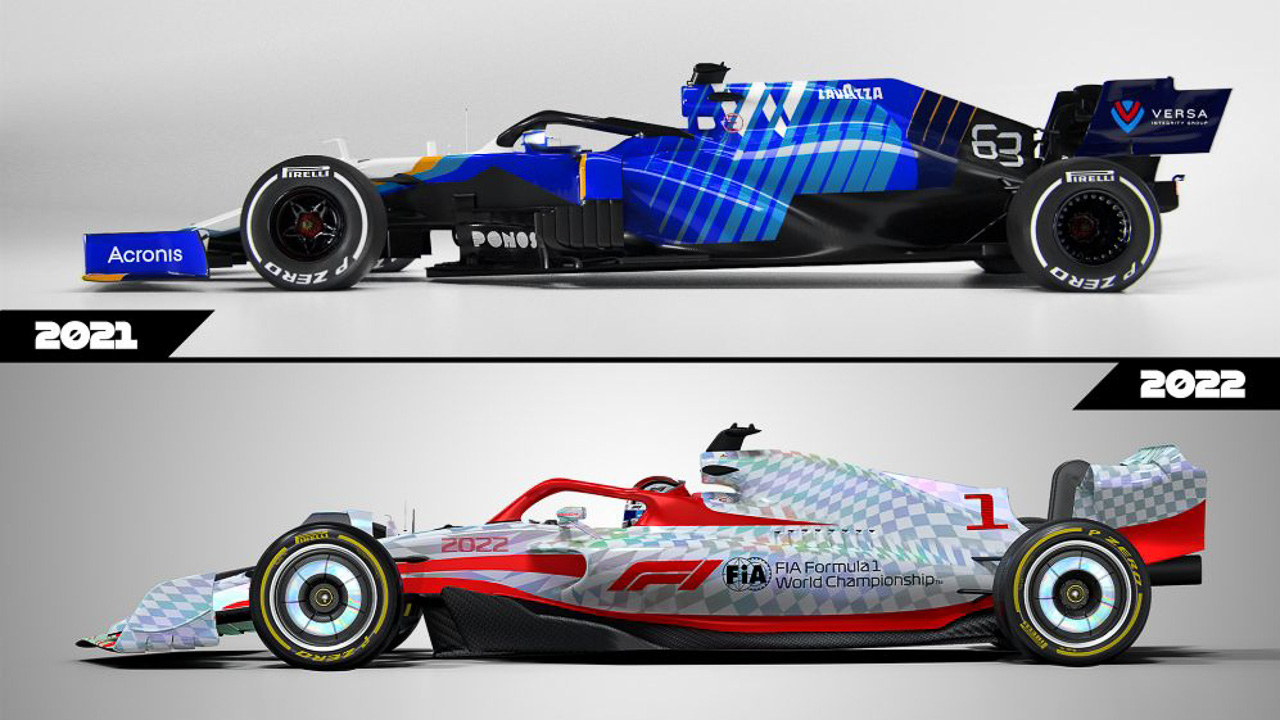
As for the bodywork, the new racecar has a cleaner overall design. This is noticeable on the area on either side of the cockpit, as well as on the air intake itself. While it's hard to differentiate, the engineers changed up the design of the car's floor, too. The 2022 car has a fully-shaped underfloor rather than a stepped floor used currently.
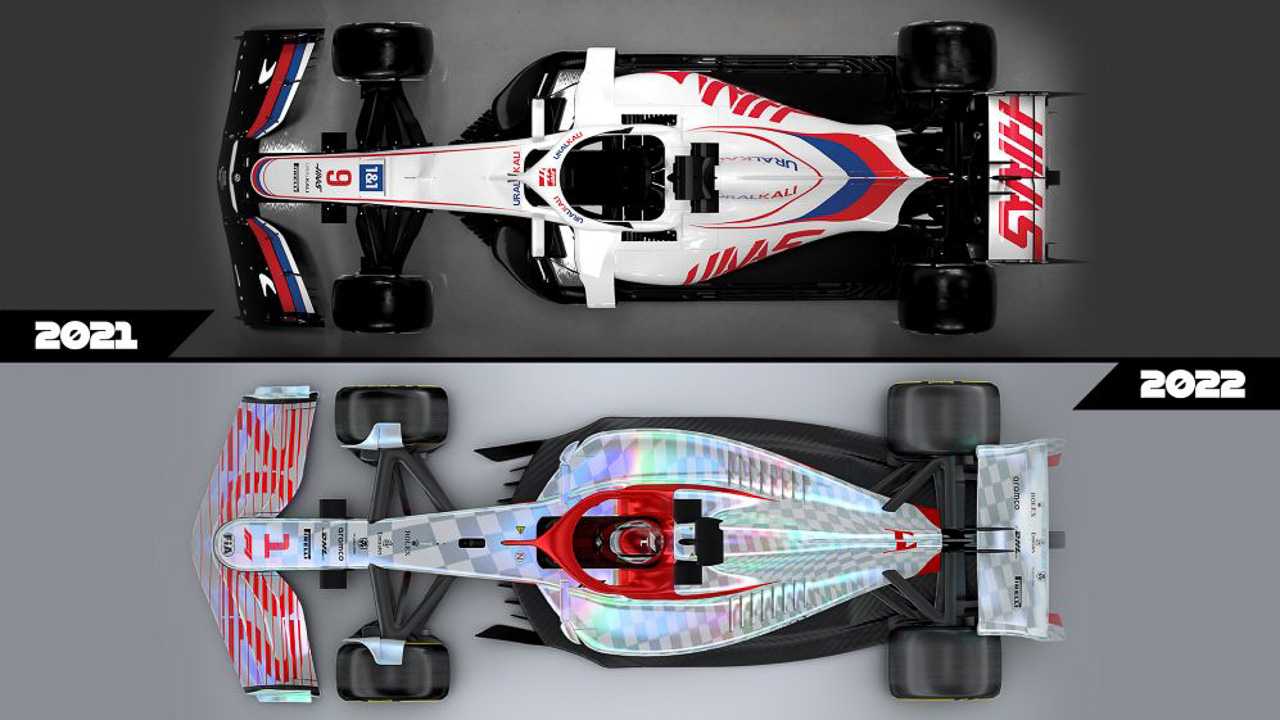
The change in the floor design will actually allow teams to create large amounts of downforce through ground effects. This type of downforce will be less impacted when following another car, and at the same time produce less disruptive airflow for the car behind.
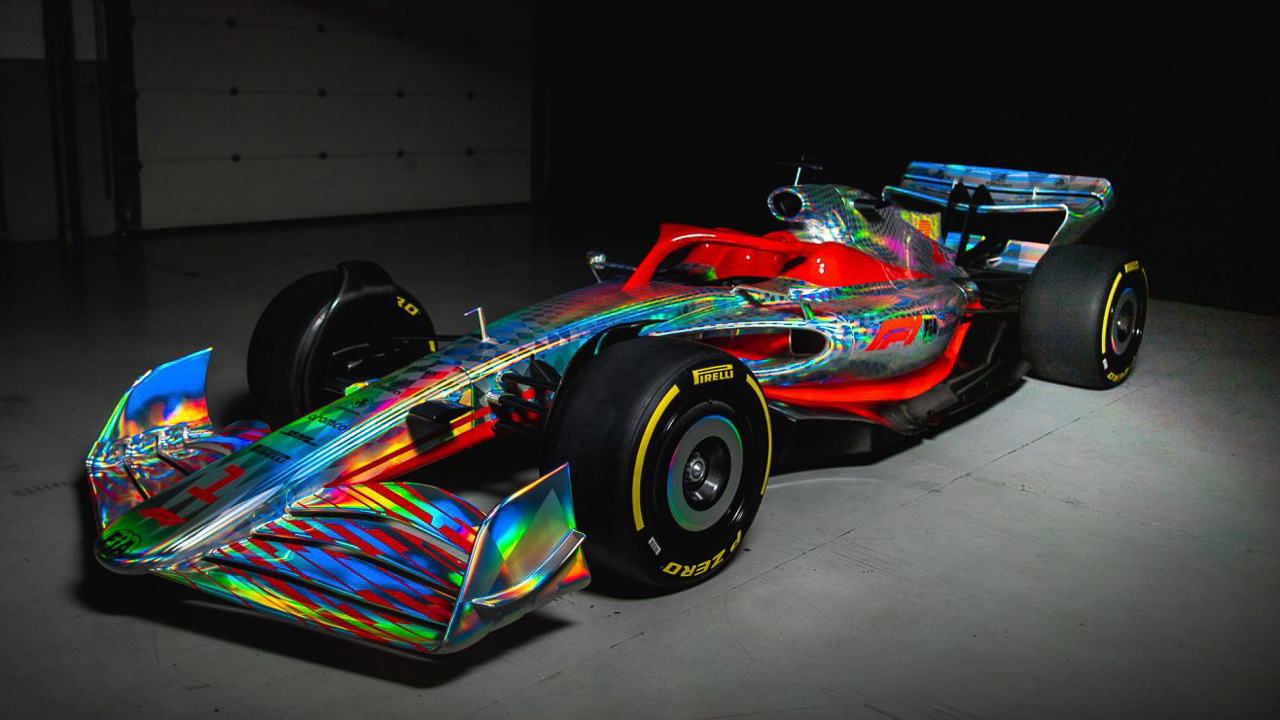
With Formula 1 looking to make the motorsport more exciting next season, will the new racecar make that a reality? Will we actually see more overtaking maneuvers from drivers? And what advantages can teams do on the new car?
The 2022 season of Formula 1 is shaping up to be one exciting season indeed.
Related Posts
Toyota PH launches T-OPT aftermarket brand at MIAS 2026
Toyota Motor Philippines officially introduces T-OPT, which is their latest premium regional aftermarket parts brand
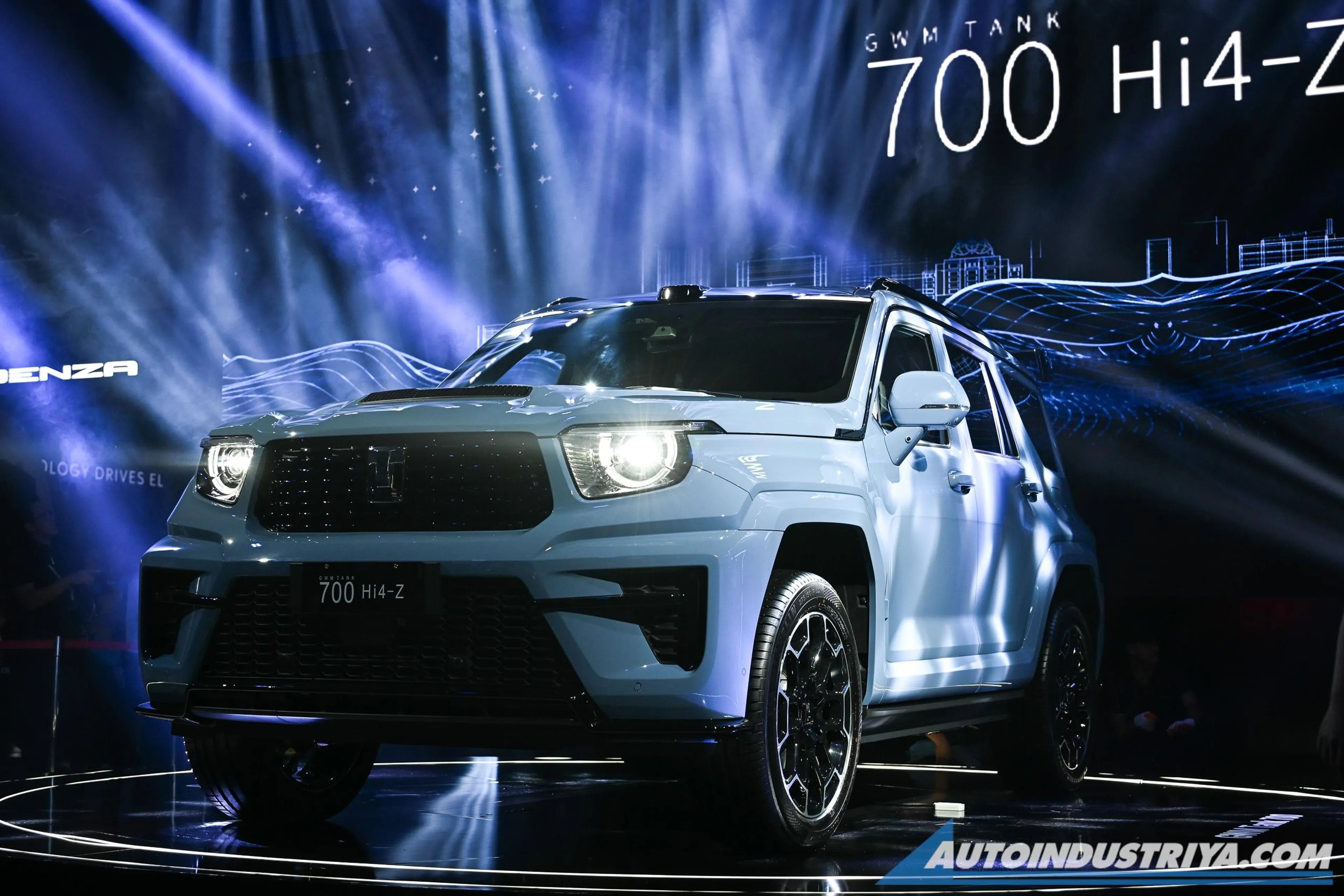
MIAS 2026: GWM Tank 700 PHEV makes first overseas market debut in PH
The GWM Tank Hi4-Z PHEV arrives in PH just weeks after it debuted in the PRC
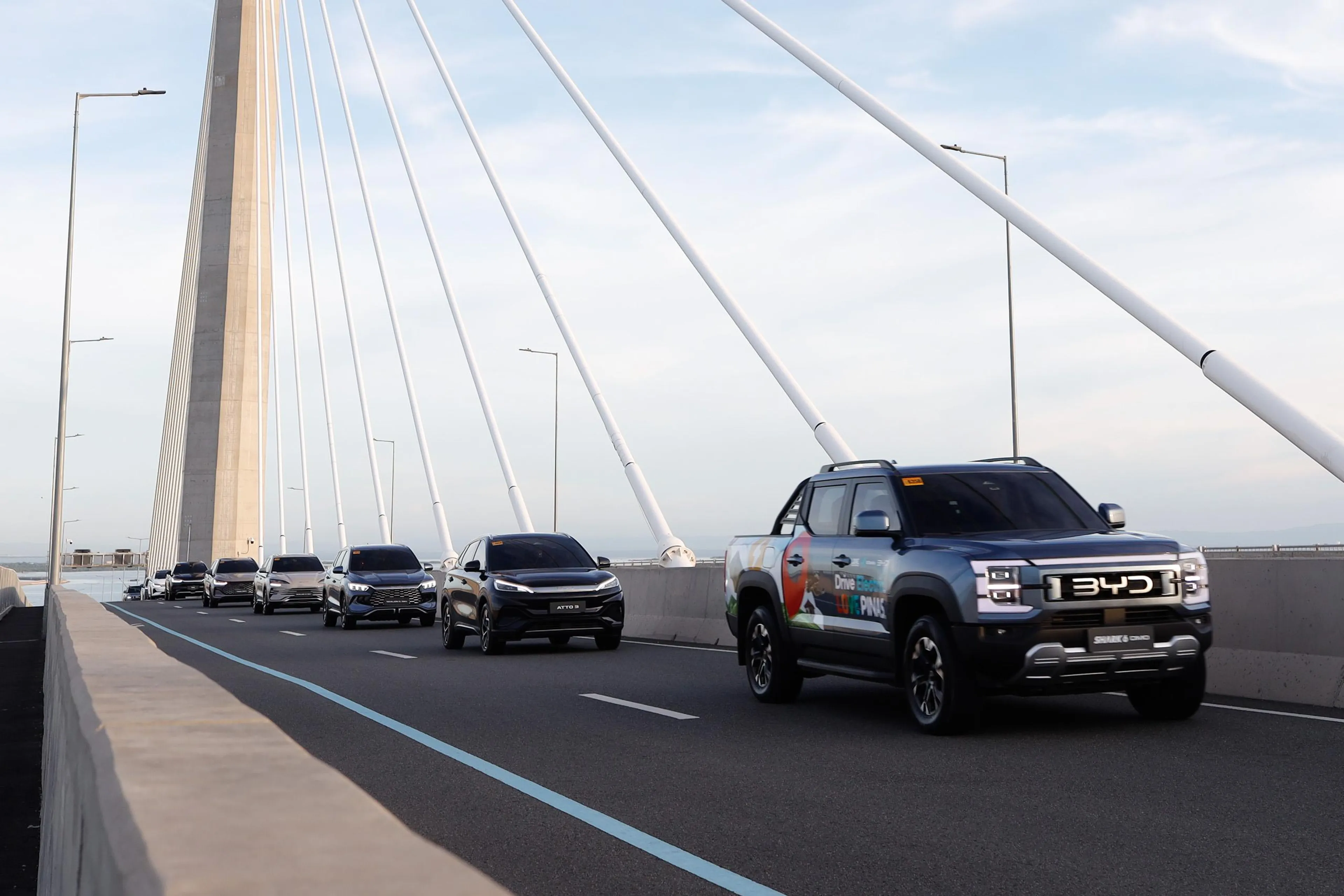
BYD “Drive Electric, Love Pinas” campaign sets two Guinness World Records
BYD and Department of Tourism’s “Drive Electric, Love Pinas” campaign makes it to Guinness World Records
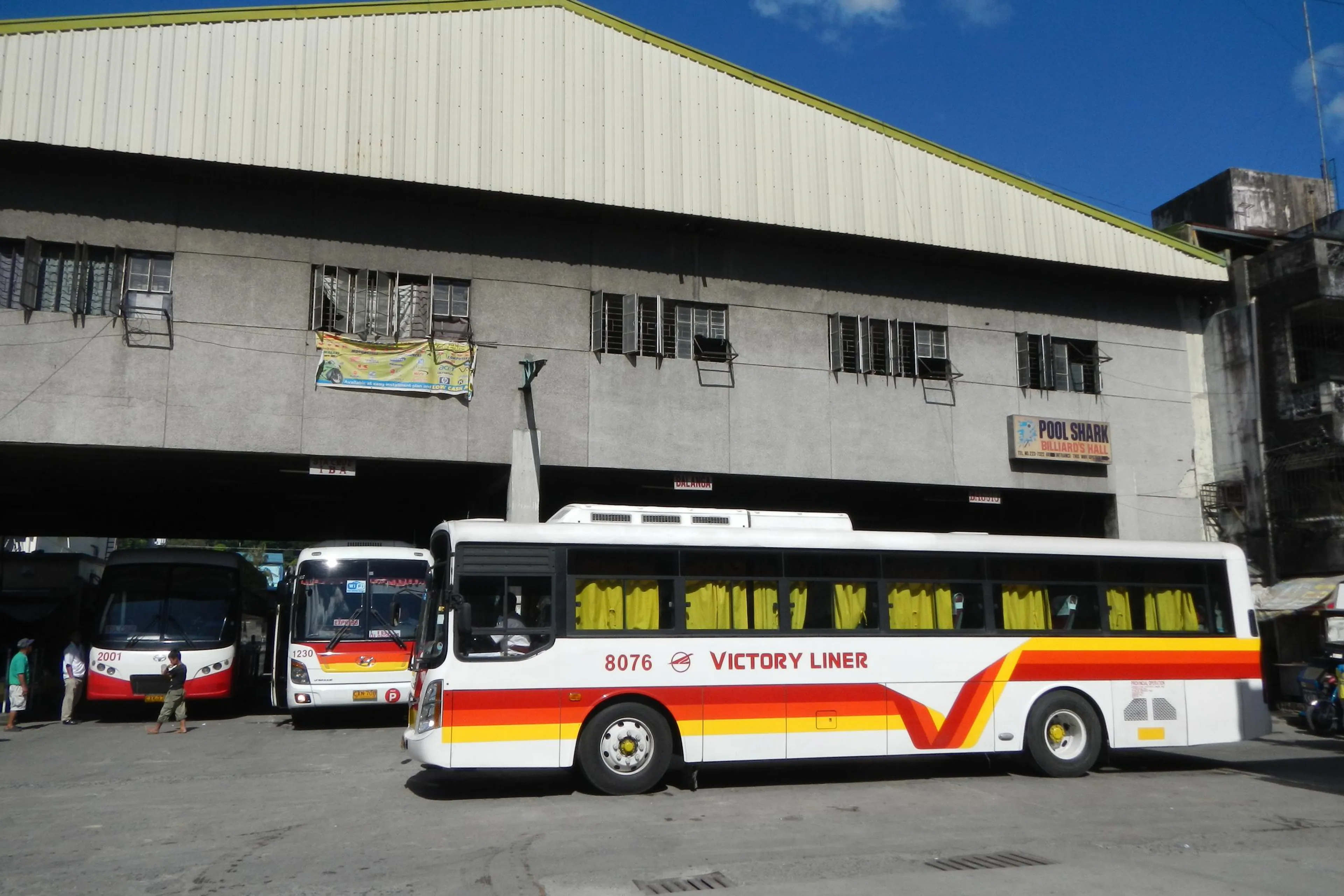
Victory Liner offers ‘free’ bus rent amid fuel crisis
You only pay for diesel, driver and conductor wages
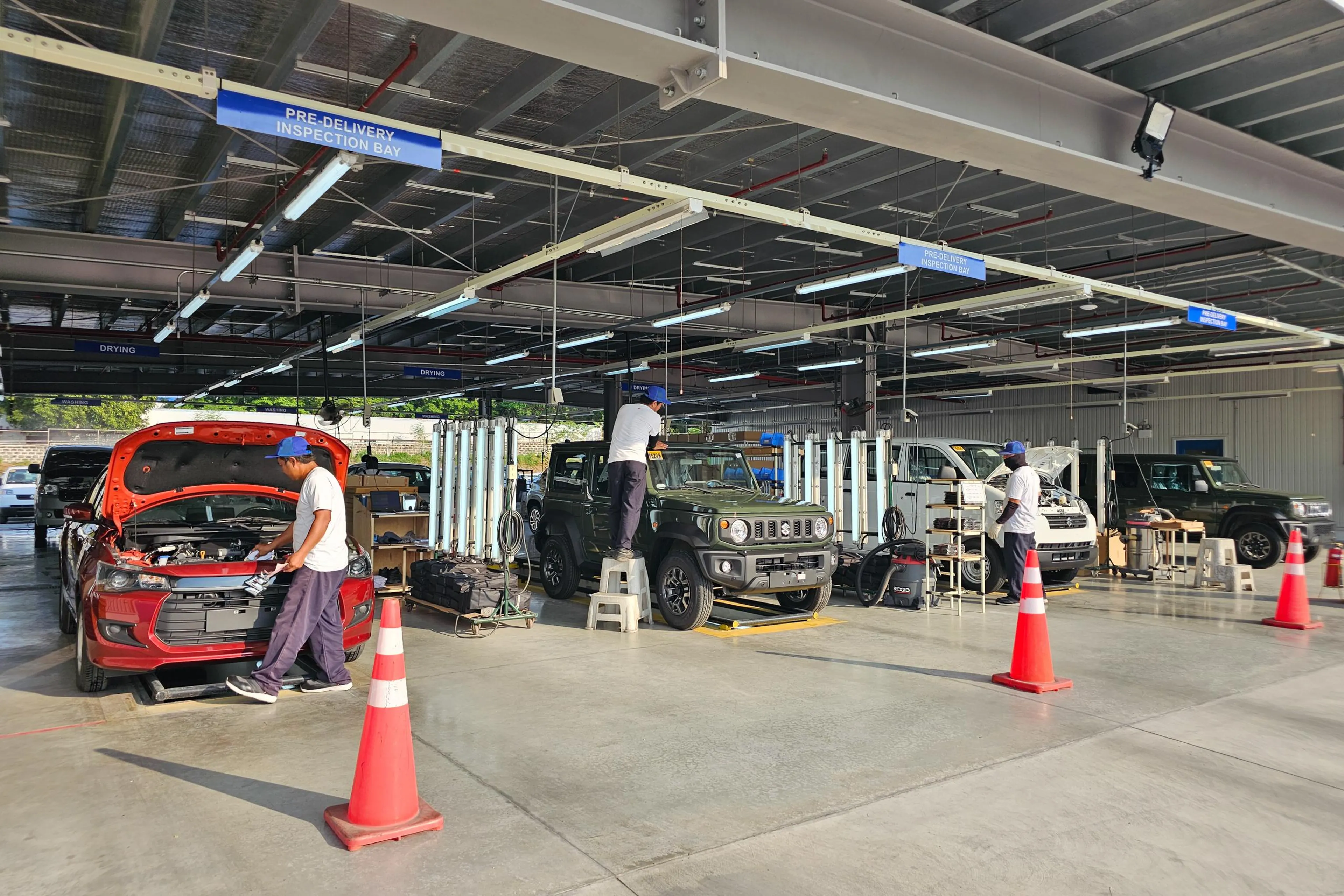
Suzuki Philippines expands Laguna pre-delivery inspection facility
The upgrade lets SPH meet demand while upholding global quality standards
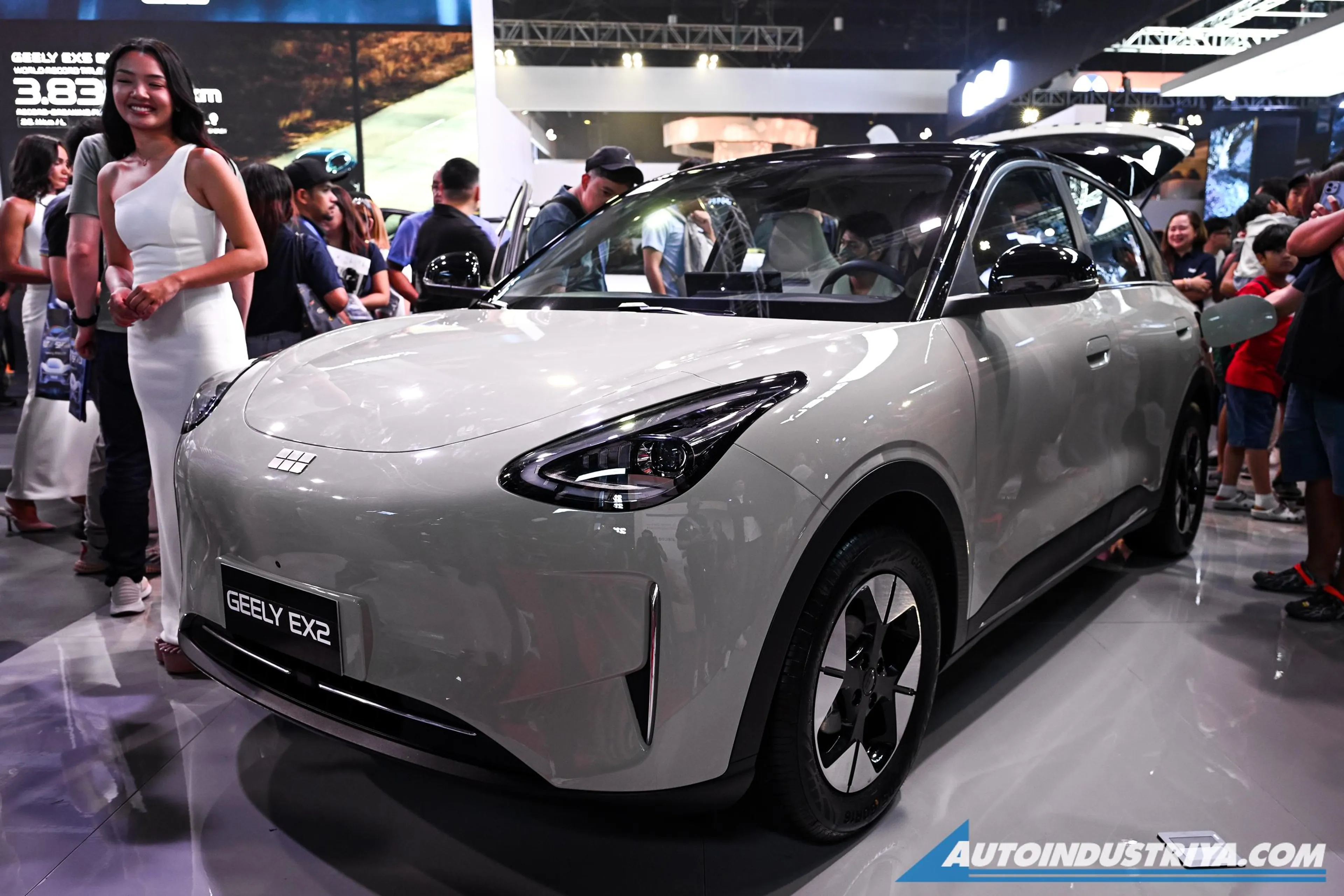
MIAS 2026: Geely PH previews EX2 EV to rival BYD Dolphin
Geely previews the EX2 at 2026 Manila International Auto Show; could start at PHP 950K