
WTCC switches to eco-friendly fuel
In 2009, the WTCC gives a further contribution to make motor sport more eco-friendly by starting the season in Brazil with the whole field powered by second generation bio-fuel.
Staff Writer
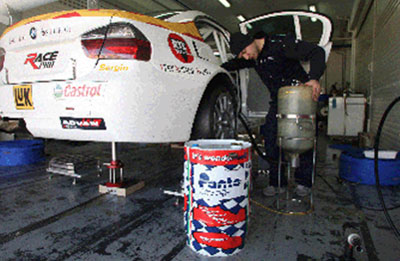
In 2009, the WTCC gives a further contribution to make motor sport more eco-friendly by starting the season in Brazil with the whole field powered by second generation bio-fuel.
During the winter tests, teams began using the new bio-fuel supplied by PANTA that, following an invitation to tender, was appointed by the FIA as the championship's official fuel supplier for 2009 and 2010. "We are pleased, because they did not encounter technical problems," said Luca Perani of PANTA Racing.
PANTA supply both petrol and diesel fuels; the petrol is composed by 10 per cent of second generation bio-ethanol and 90 per cent of unleaded fuel, while the diesel has a 10 per cent of vegetable bio-diesel produced from rape oil.
"The E10 choice was dictated by the need to find a compromise between the aims of reducing the emissions and preserving the existing cars. Bio-fuels are far more aggressive with tanks, pipes and injectors, that need to be changed when their percentage is increased; with the E10 the current cars don't need any changes," Perani explained.
PANTA's second generation bio-ethanol is made from industrial wastes of sugar processing, while the first generation bio-ethanol is made from food crops: sugar, starch, vegetable oil, or animal fats. The use of second generation bio-ethanol reduces the use of fossil fuels, greenhouse gas emissions and pollution, without interfering with the production of foods.
"Ethanol contains oxygen, which helps regular petrol to burn more cleanly and completely. The use of E10 bio-fuel reduces petroleum use by 6.3 per cent and also reduces harmful emissions of carbon monoxide, particulate matter, oxides of nitrogen, exhaust volatile organic compounds and ozone-forming pollutants," concluded Perani.
Fuel consumption during one WTCC racing season totals to 60/70,000 liters.
Among motor sport's international series, the FIA WTCC is one of the championships taking the lead in promoting eco-friendly initiatives and technologies, and proposes itself as the ideal platform to raise public awareness of bio-fuel worldwide. The Super 2000 cars that take part in the WTCC are closely derived by the production models on sale to the general public, and furthermore the championship's technical and sporting regulations have been carefully studied to limit the environmental impact in terms of air and noise pollution.
Related Posts
Hyundai adds Pokemon-themed displays for 2027 Kona update
Hyundai Kona being offered with lower SRP in Korea, and gets some interesting updates
Department of Finance: PH to lose PHP 50B if fuel excise tax is suspended
Suspension of excise tax on diesel and gasoline will result in loss of revenue, says DOF

MMDA to ‘close’ EDSA for a marathon event on June 12
Runrio Manila Marathon 2026 to occupy lanes from MOA to SM North
Isuzu Elf with Toyota hydrogen fuel cell tech set for 2027 launch
Isuzu, Toyota agree to jointly develop first mass-produced fuel cell light duty truck in Japan
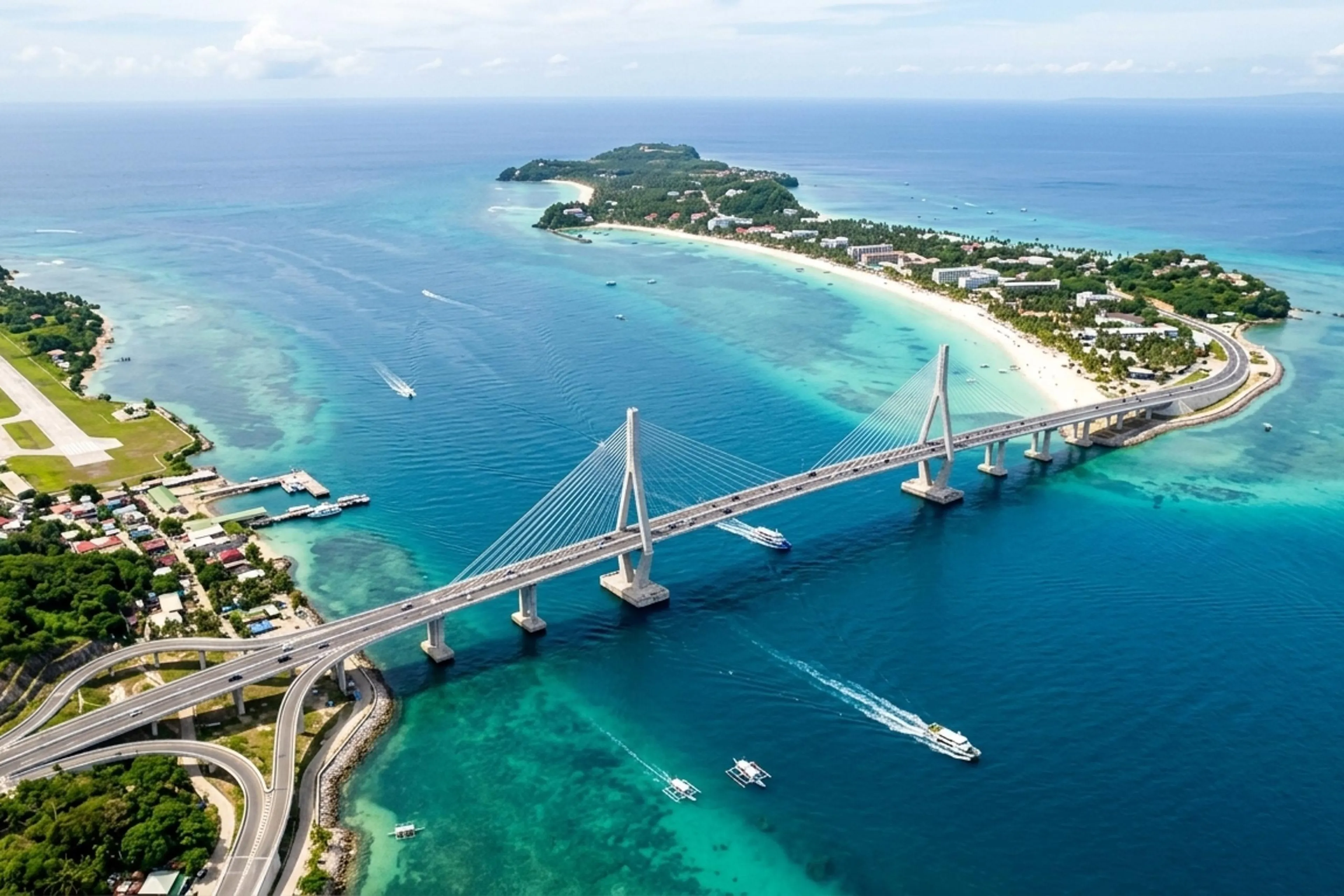
DPWH awards San Miguel Corp to build PHP 7.78B Boracay 'Skyway'
Is this good or bad for those living in Boracay?
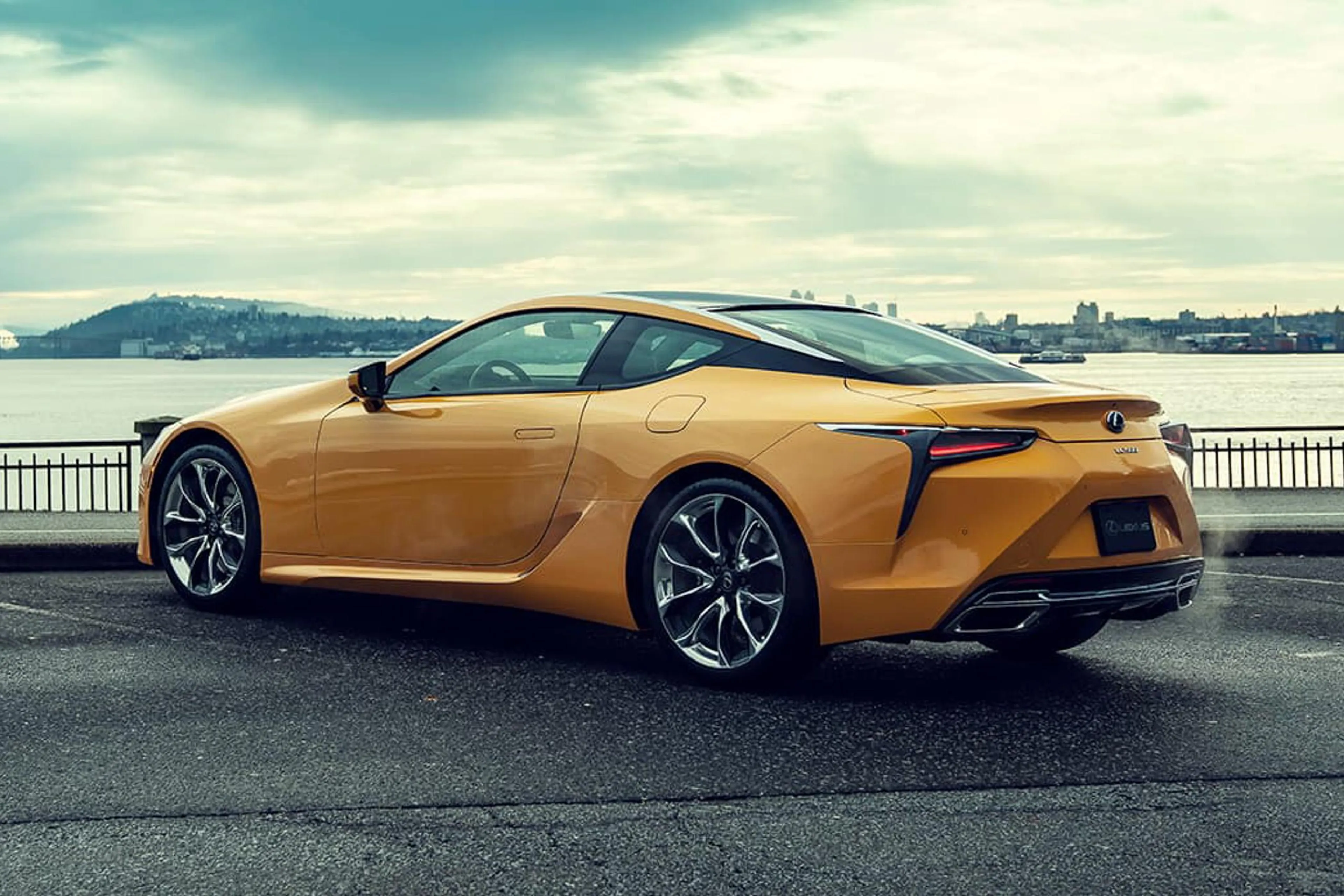
Toyota PH gets approval for a 5.0L V8; is this for Lexus LC 500 Final?
After getting approval from the LTO earlier this year, the Lexus LC 500 Final could finally be revealed