
What Commuters Deserve: The Modernized PUV Experience
Just how modern is the new-generation of PUVs? We ride one to find out.

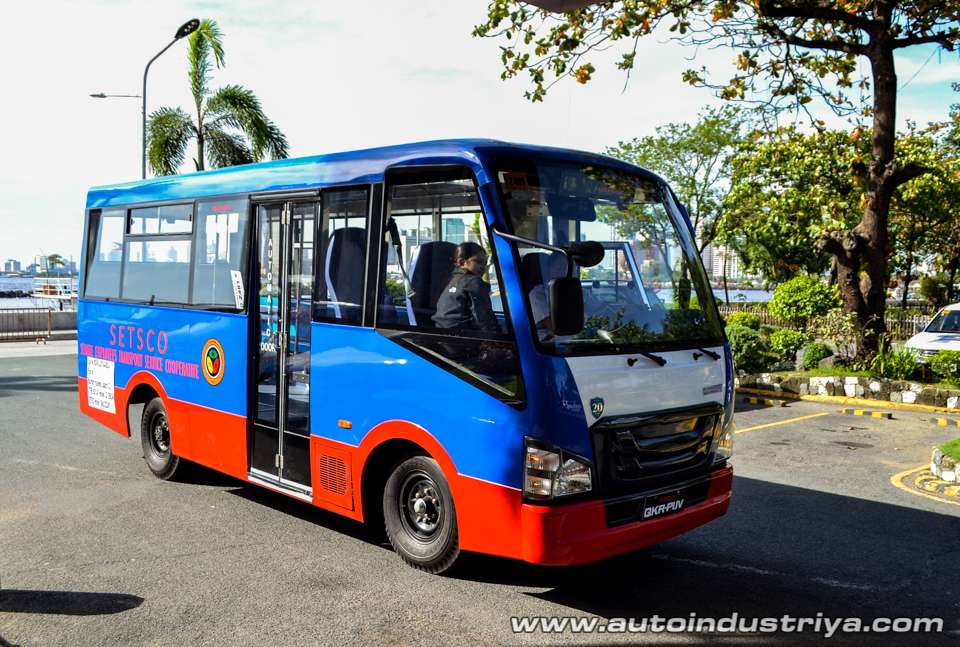
Whether you think it's ironic or iconic, the jeepney is well-engrained in the local subculture.
One could say it represents the rich culture of the country, the ingenuity and perseverance of the Filipino people. On the flip side, it does show the ills and shortcomings of local public transport as well. Underneath the vibrant, chrome-laden, and colorful exteriors lay an outdated design that stems back to the 40's. Deemed unsafe and in dire need of an overhaul by DOTr Secretary Arthur Tugade, something had to change.
That change came in the form of the PUV Modernization Program or PUVMP. When the PUVMP came into the picture, it looked like a God-send for the commuting public. With fresh and safer designs, it was quite the leap ahead of the Jeepney. A quantum leap even. However, it was met with resistance from Jeepney operators who deemed the Act as 'Anti-poor''.
After all the squabbles between the government and the transport operators, the new jeepneys, or rather, new PUVs, have started rolling out, at least for the Senate employees who get to try it out first. We've been seeing photos of it and, in our case, been in a couple of prototypes in conventions. But the true test is out in the real world. So far, first impressions look good, but how far of an improvement is it over the traditional Jeepney? There's only one way to find out: take a ride in it.
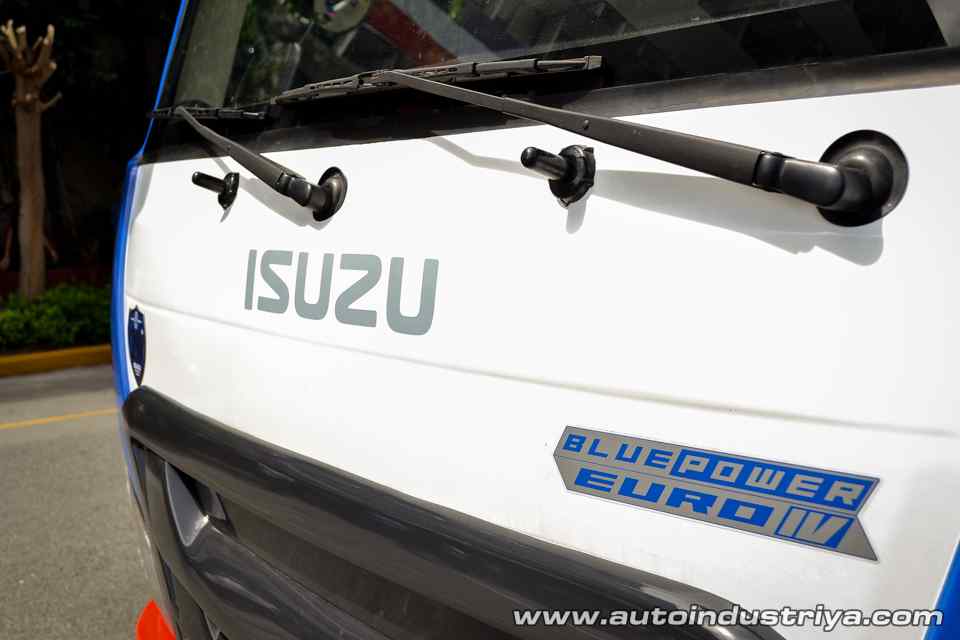
The PUV we were about to get on was made by Isuzu in collaboration with Almazora. Described as a class 2 PUV, it offers seats for 23 with available standing room, a host of cameras (more on that later), and, in this case, air-conditioning. Before getting on board, phrases such as parang sa Thailand (Just like in Thailand) and the like were heard.
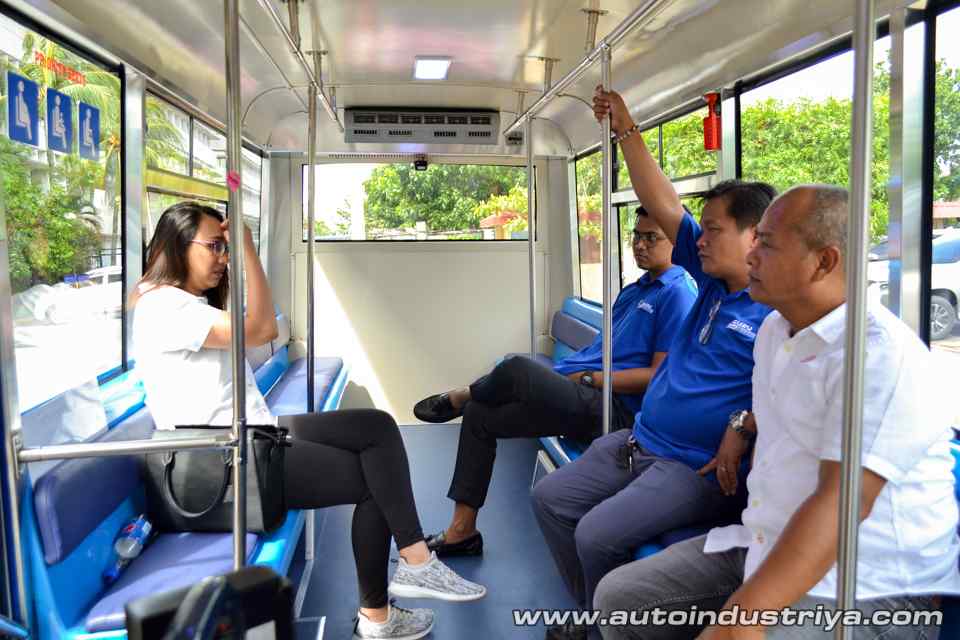
Step inside and it feels like a minibus, albeit with side facing seats rather than forward facing. They weren't kidding about the standing room part either; six-footers don't have to crouch to be comfortable. The rails and bars made it look like a proper commuter vehicle and the Beep card entry is a page from other countries. Also, the breeze from the air-conditioning was a welcome relief. Get on board and you probably wouldn't even call it a jeepney.
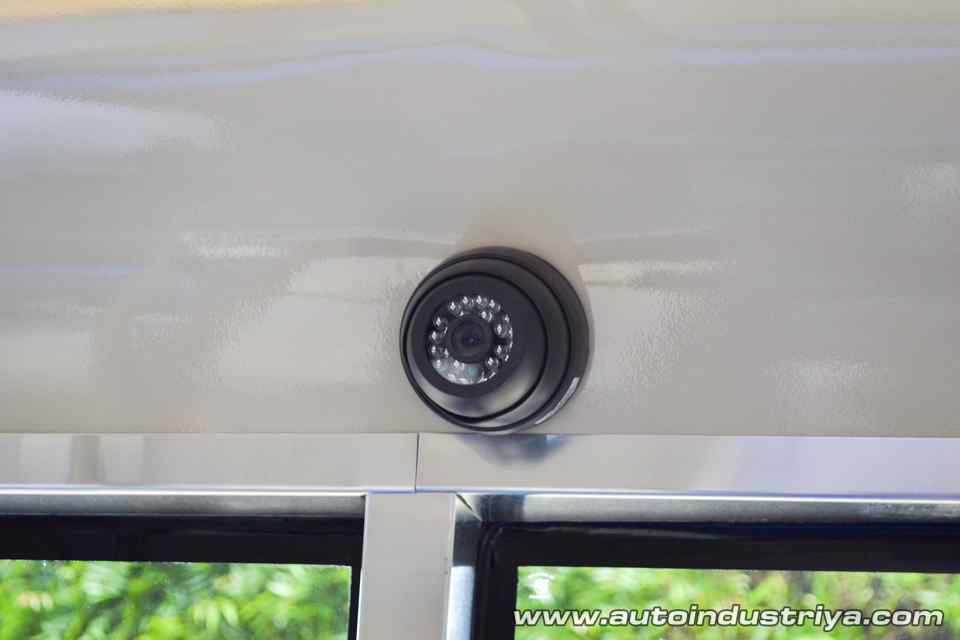
There are cameras all around the PUV with two pointed at passengers and the remainder serving as the dashcam and reverse cam. Yes, the modern PUV can be fitted with a reverse cam. It was rather reassuring to see these and, hopefully, the on-board cameras will serve as a deterrent against pickpockets and other criminal elements.
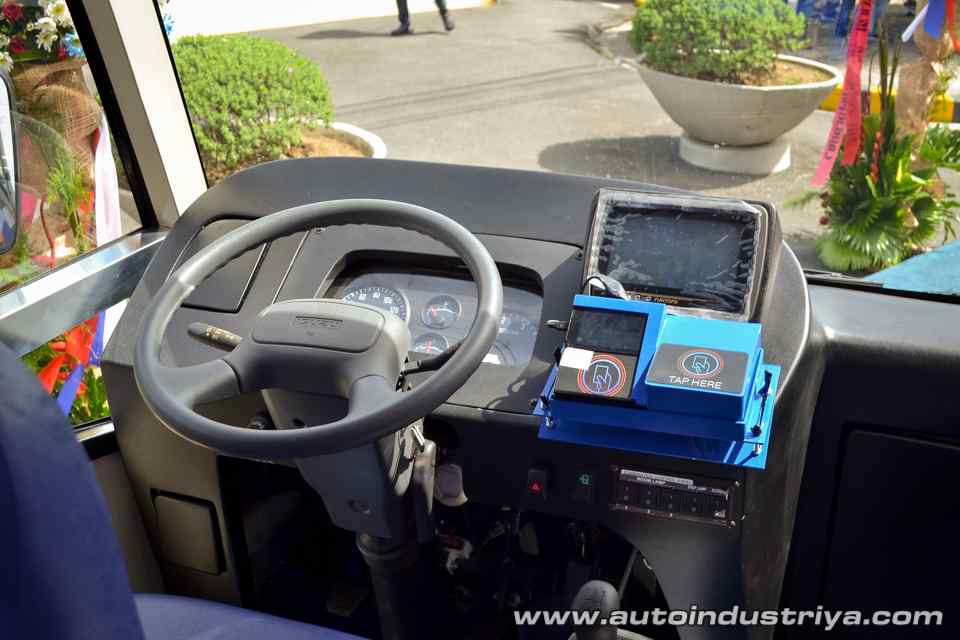
Looking at the driver's seat, it sure looks a lot more comfortable than the ones in Jeepneys. You probably wouldn't mind trying it out for yourself. Granted, it's not car-like in any way, shape or form, but you do get the impression that drivers won't be as sore or fatigued by the end of their shift like before.
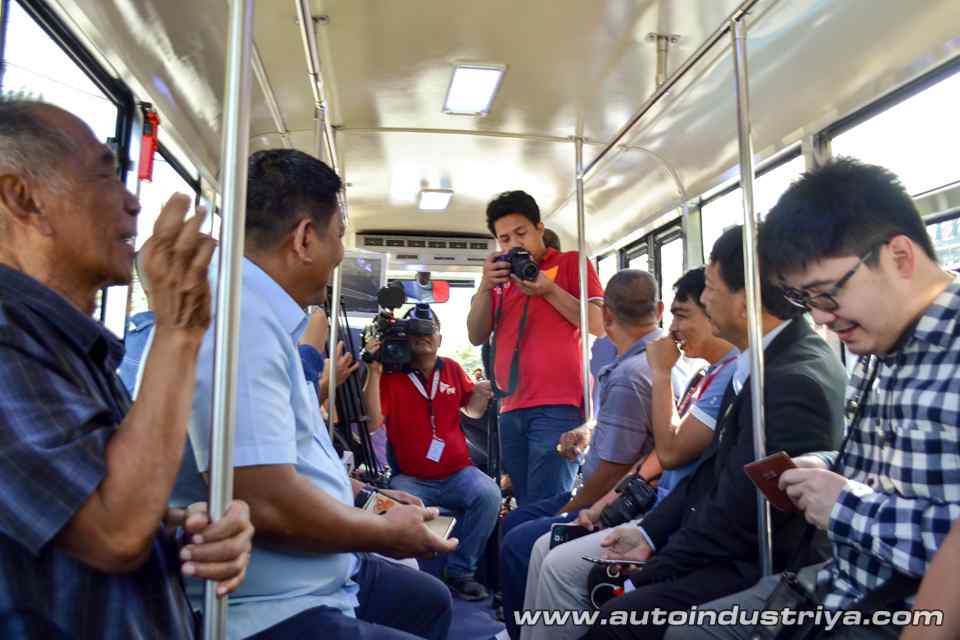
As it was a new unit, the side facing seats were comfortable enough and the large windows give out the impression of airiness. The seats themselves were mounted high, giving passengers a good view of the road. Again, it's more minibus than jeepney.
If it's one thing I did notice, the large windows did bring in a lot of heat. Also, the constant entry and exit of passengers did mean the air-conditioning had to work double time to keep the rest of the passengers cool. Perhaps a set of curtains might help keep the heat away. Then again, the fact that it has air-conditioning is worth pat on the back from the truck manufacturers. On the road, it's quiet (for a truck) and, filled to capacity, actually rode well (again, for a truck). Perhaps the new seat cushions helped a bit in the comfort factor. As a whole however, it was a good experience riding the new PUV, which should be a relief for the rest of us.
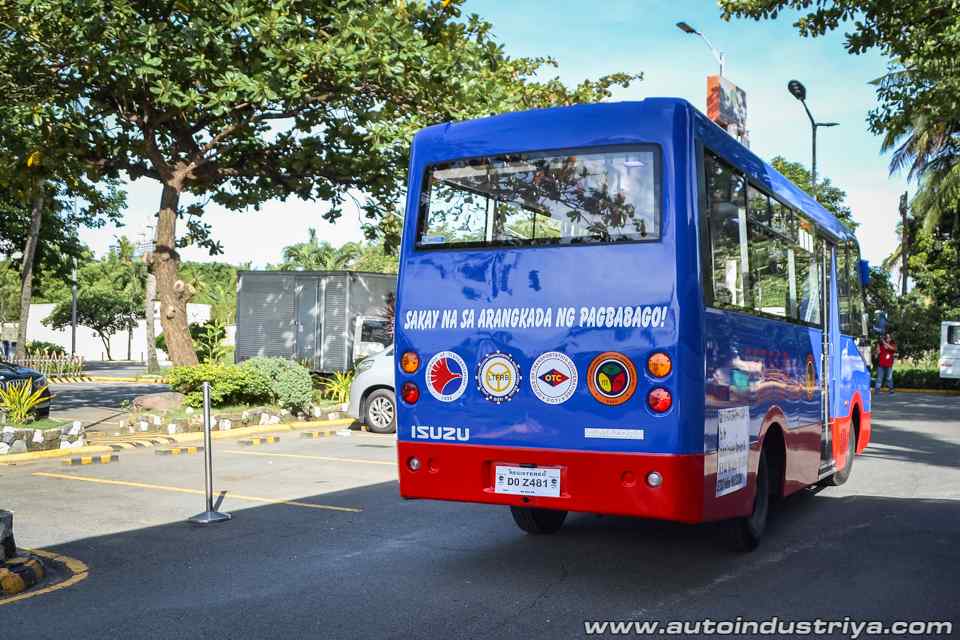
Class 2 PUVs, just like the Isuzu-Almazora effort, are intended to replace the jeepney. If this is what the future of commuting will look like in a couple of years, then perhaps it will be a smoother road ahead for commuters nationwide. Some may argue that it's essentially a minibus, and that the changes are not far enough ahead, but, given the current status quo, it's a step in the right direction.
It may have been a short trip with the new PUV but those few kilometers offered a glimpse into a few years from now. Maybe sometime in the 2020s, we might even see electric versions of these plying our roads soon. But for now, here's to more comfortable and safer commutes ahead.
Related Posts
Where durability meets dependability: Sailun Commercio Pro
The new generation Sailun Commercio Pro Tire features durability, driving comfort and safety.
Bus Review: 2023 Hyundai County New Breeze
If a full size bus is too big and a van is too small for your business, is Hyundai County New Breeze a good fit?
Light Truck Review: 2022 Isuzu N-Series Smoother 3.0L AMT
Does your growing business need wheels that you'll personally drive? Then the "automatic" version of the N-Series could be the one for you
Light Truck Review - 2021 Fuso Canter FE73 3.0L 6-wheeler
Fuso tossed us the keys to the 8th generation Canter FE73. Let's see what businesses can expect out of this leading light duty truck.
LCV Review: Isuzu Traviz L Utility Van 2.5L
Is the Isuzu Traviz UV a worthy contender for the L300's crown?
LCV Review: 2021 Foton TM300 Harabas 2.2L MPV
Can the Foton Harabas face up against the likes of the L300, H-100, and K2500?