
Changan Nevo Q06: Going from driving to driven
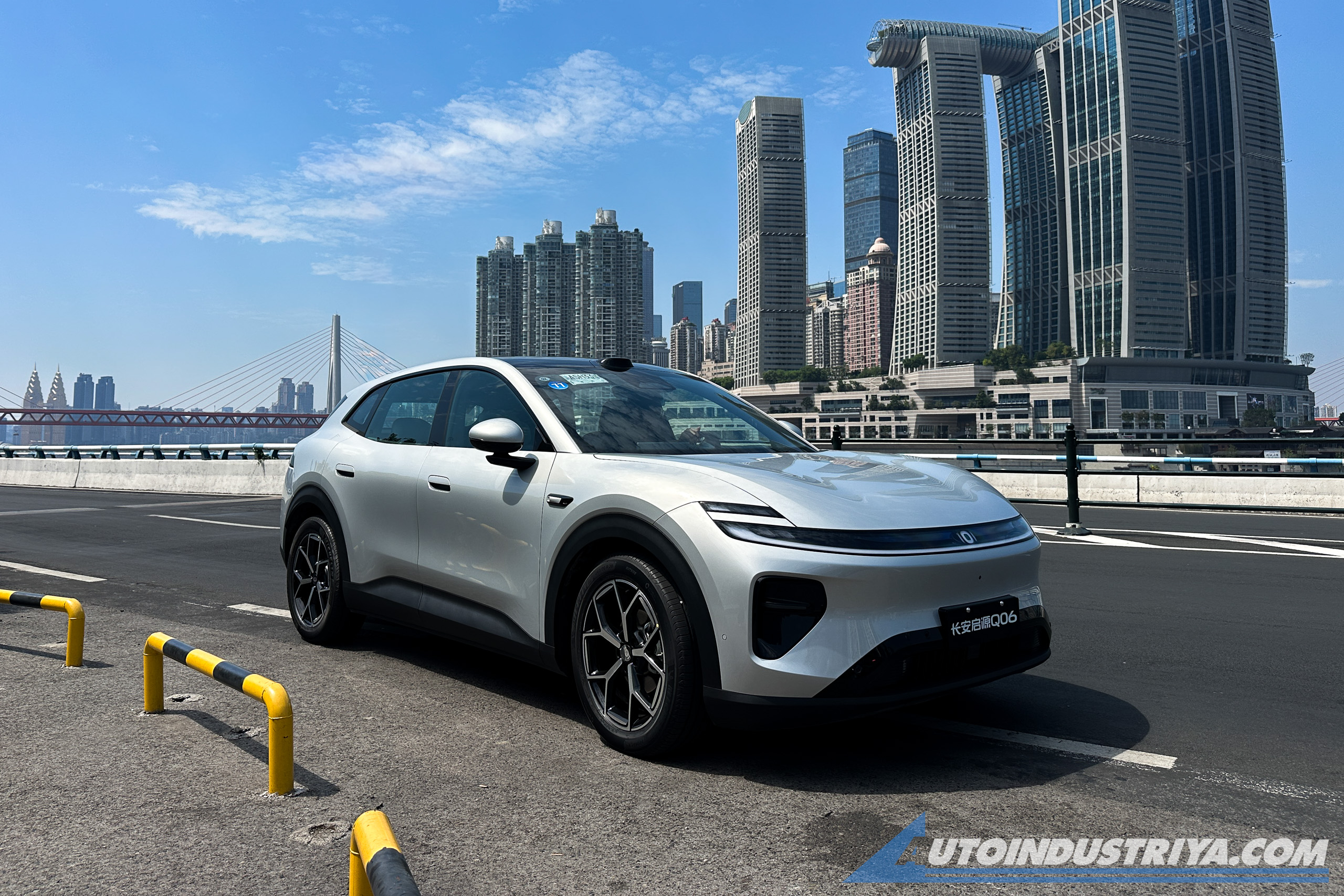
Changan Nevo Q06: Going from driving to driven
A first look at Changan’s latest intelligent SUV in the streets of Chongqing

Recently, I just made my fifth trip to China in the last three years. Every time I come back, there is always something to remember.
This time, the destination is Chongqing. And unlike my past trips, I mustered enough courage to fly solo.
Before my trip, Chongqing had that impression of a city that was pulled straight out of a futuristic movie. Towering buildings rise out of the mountains, roads stack themselves into seemingly impossible configurations, and trains disappear into buildings as if that were the most normal thing in the world.

When I finally arrived, that was indeed the case. There was Hongyadong – an 11-story stilt-building complex built directly into a cliff. Then there’s the Panlong Interchange, a seemingly endless web of elevated roads, ramps and flyovers stacked on top of one another – like Skyway having Stage 10. And there’s Liziba - the famous train station where the Chongqing Rail Transit Line 2 passes directly through a residential building.
It is perhaps fitting, then, that this is where Changan wanted me to experience its latest push into intelligent mobility.
Changan flew me over to Chongqing as the company prepares to transition its Philippine operations from a distributor-led business to a full-fledged subsidiary. With that transition taking shape, I’m getting an early look at what it has in store for the Philippine market once its local operations are fully established.
One of their main characters for that transition is the Changan Nevo Q06.
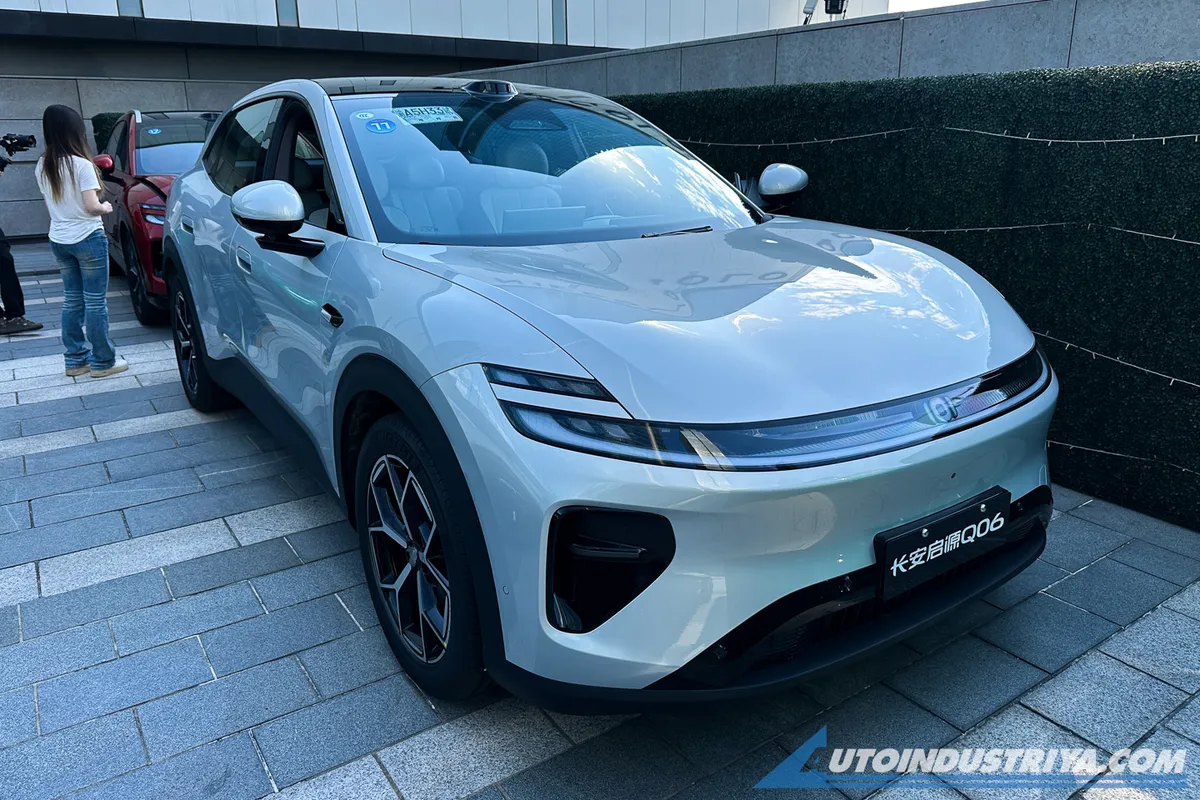
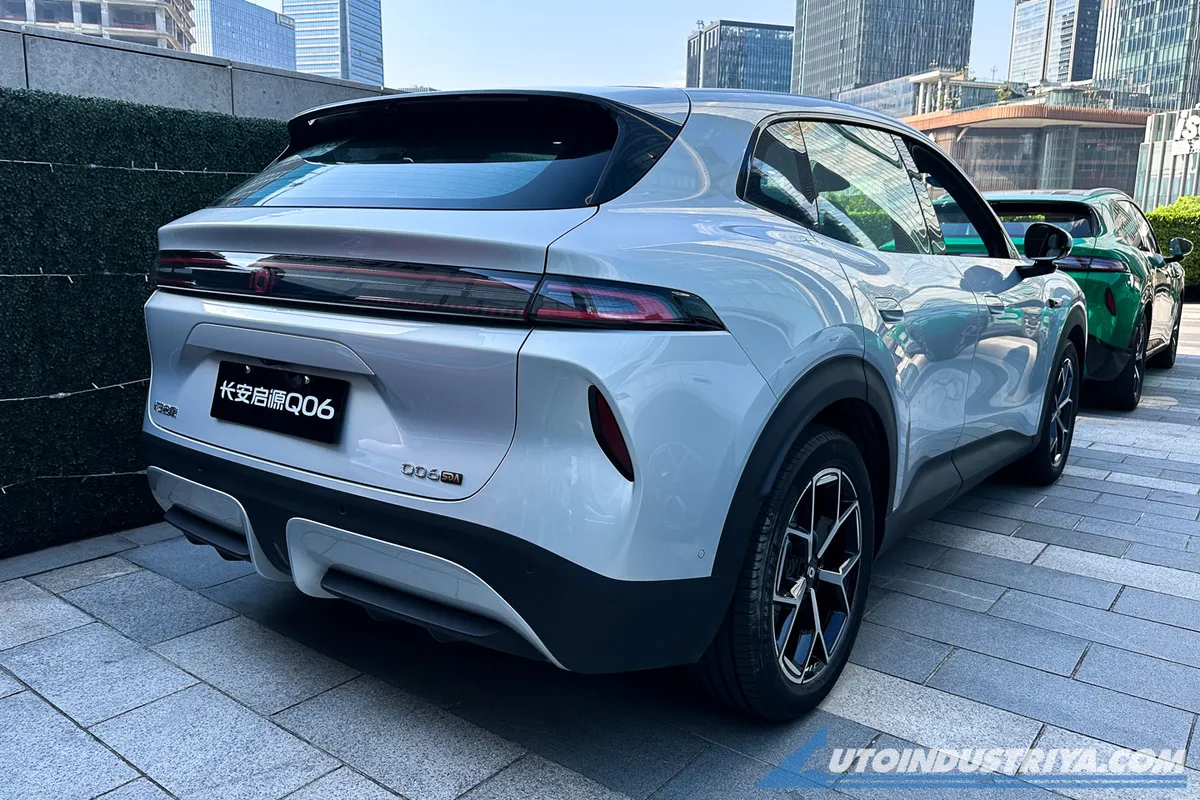
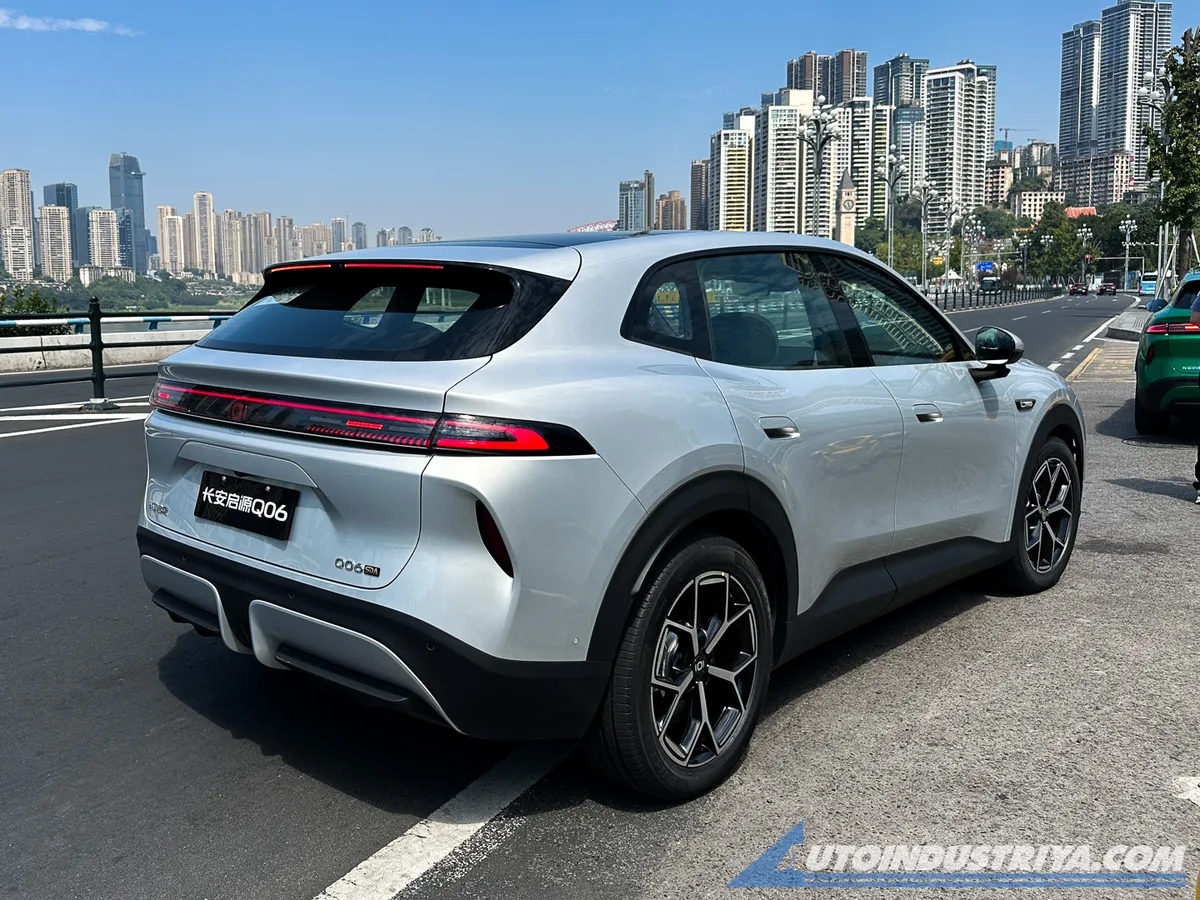
The Q06 is a midsize SUV that takes a fairly clean and futuristic approach to design. Up front is a closed-off fascia with a full-width daytime running light, while the rest of the body is characterized by smooth surfaces and a relatively minimalist treatment. Some say it has that Ferrari Purosangue-esque vibe, but what I was more curious about is something that it’s hiding underneath the skin.
During my time in Chongqing, it coincided with Changan launching the Q06 for the Chinese market. It’s available with both pure-electric and range-extended electric powertrains, and depending on the configuration, the EV version can use a rear-mounted electric motor, while higher-output versions can produce as much as 330 kW, or around 449 hp, with all-wheel drive. There is also a range-extender version that combines electric motors with a 1.5-liter gasoline engine that acts primarily as a generator.
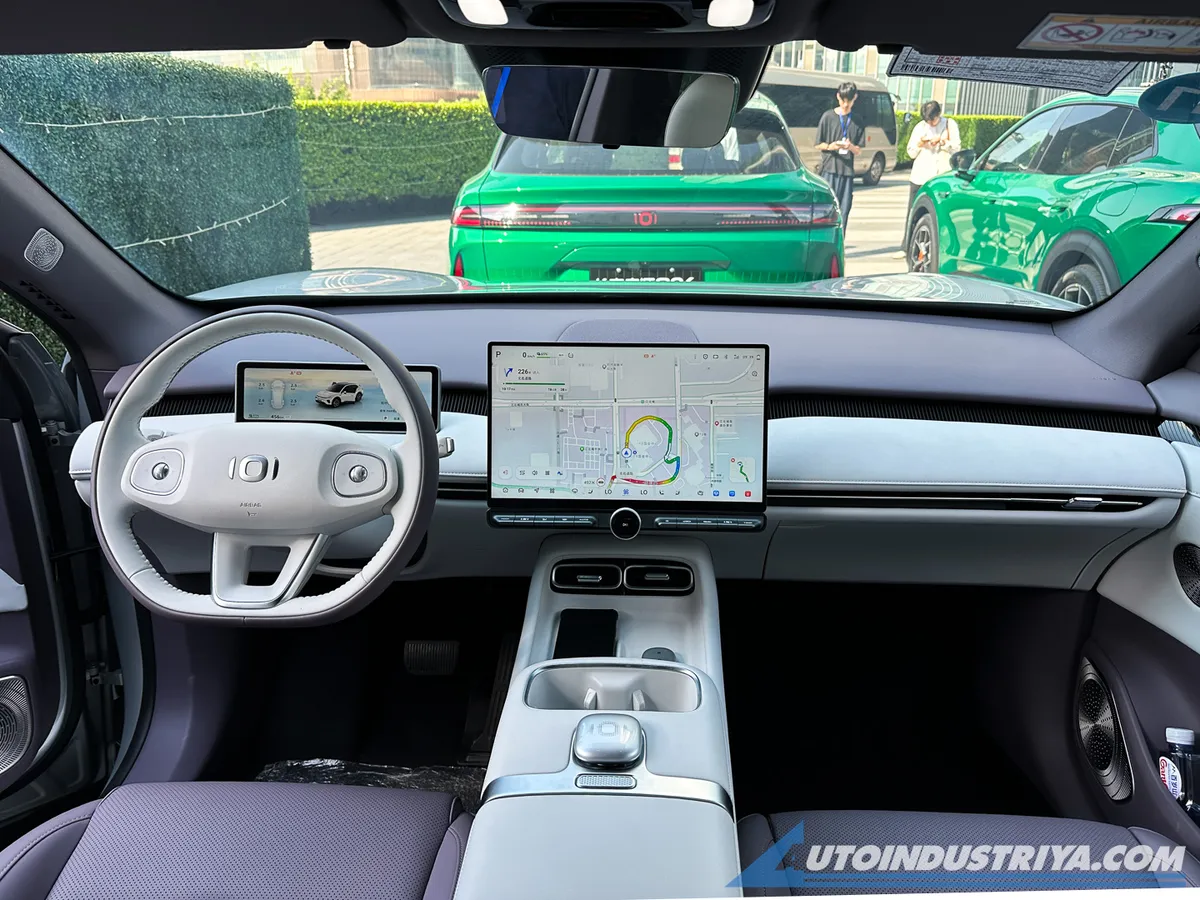
Honestly, I can share more about those things, but the powertrain wasn't the part of the Q06 that Changan was most eager for us to experience. That honor goes to Changan’s SDA Pilot.
SDA stands for “Super DNA” and serves as their core implementation plan for a software-defined vehicle architecture. Essentially, it’s the brand’s in-house developed advanced driver assistance system, and the Q06 is one of the latest production models to showcase the company's intelligent-driving technology. It's a tech developed by Changan’s intelligent driving development operation in its SDA Lab in Chongqing, which involves thousands of engineers, with extensive simulation and real-world testing behind the system.
On paper, this is where things sound like science fiction. SDA Pilot uses a combination of sensors and cameras, including LiDAR on higher-spec versions, to understand the road environment, while an AI-based system processes what is happening around the vehicle. Depending on the version, the system can handle functions such as adaptive cruise control, lane changes, obstacle detection, and navigation-related driving tasks.
Reading about it on a spec sheet and through a discussion is one thing, but experiencing it firsthand in Chongqing gave me a completely different perspective.
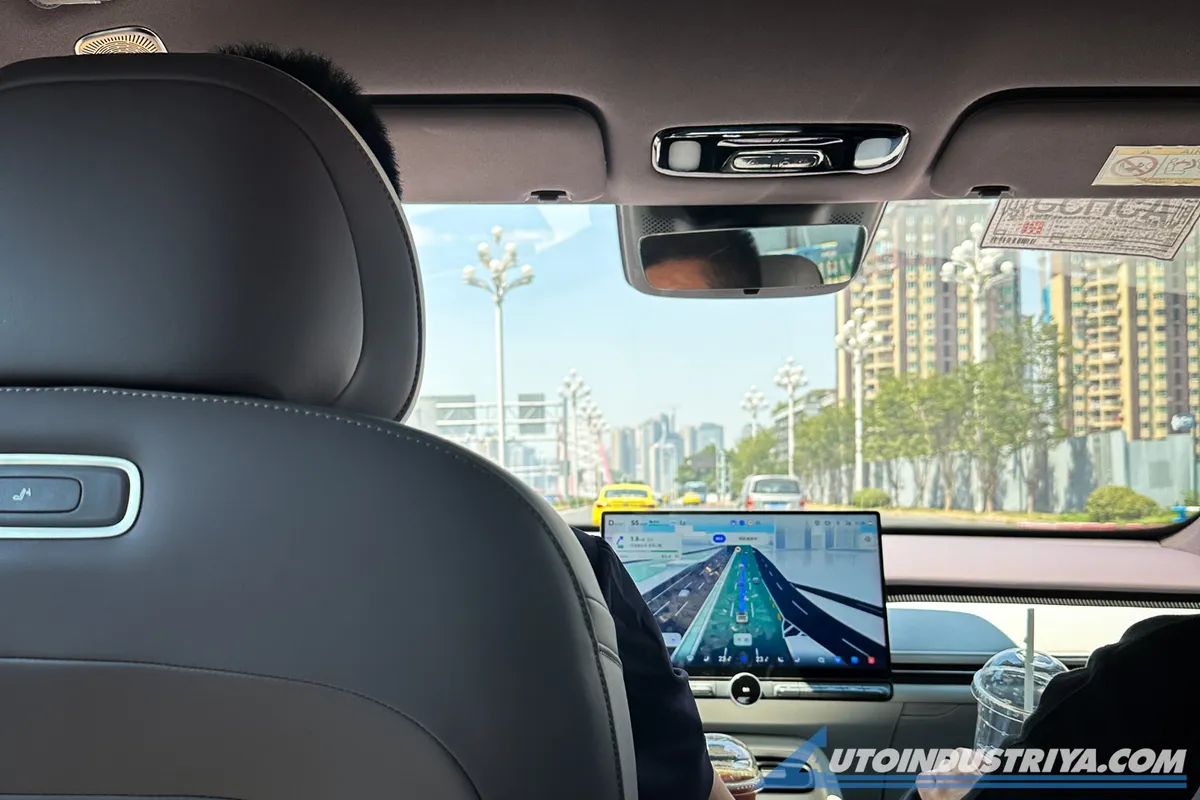
For this particular drive, much of the testing was deliberately hands-off. Yes, rather than simply driving the Q06 ourselves and sampling its acceleration, steering, and ride comfort, we spent most of the time letting the SDA Pilot do the work. In other words, it was less of the usual test drive, and more of a test ride.
Chongqing is probably one of the more interesting places to conduct that experiment, as the city threw almost everything at the system. Dense downtown traffic, multilane roads, motorcycles, buses, pedestrians, complicated intersections, tunnels, elevation changes, along with roads that seem to twist in directions that even I would have trouble navigating.
The Q06 had to constantly interpret what was happening around it while maintaining its lane, adjusting speed and responding to surrounding traffic. I’m no stranger to these semi-autonomous driving systems, so what surprised me most wasn't that the system could perform these functions, but rather how smoothly it went about doing them.
As traffic compressed ahead, the Q06 would gradually slow down, maintaining its position in the lane while making adjustments without the constant sense that you were fighting the system. Lane changes were similarly deliberate, and there was a sense that the vehicle was anticipating the traffic conditions ahead, continuously looking forward rather than simply reacting to whatever was immediately in front of it.
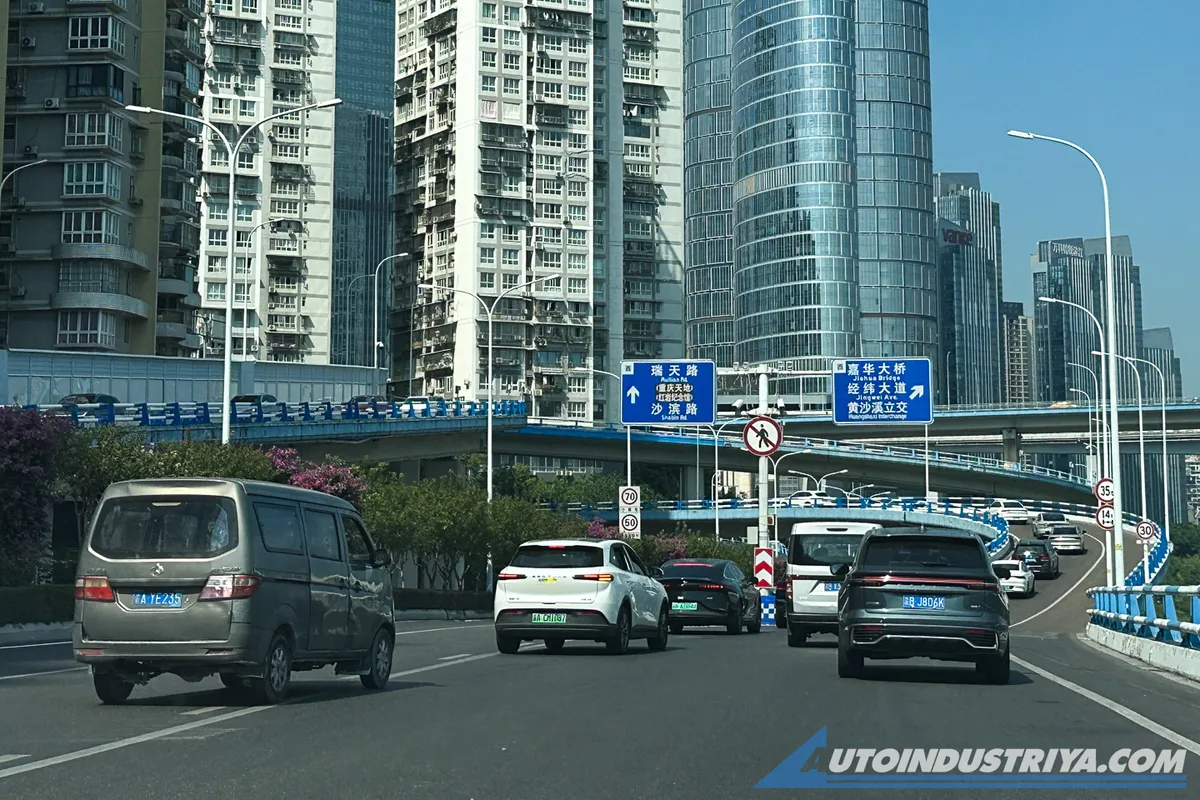
That distinction is important. For me, good driver assistance isn't necessarily about making the car do something spectacular. It is about making its intervention feel predictable enough that the driver does not constantly feel the need to override the system.
Changan wants to position SDA Pilot as precisely that kind of technology. The company describes the system as being designed to make driving safer, smoother and less stressful, while its more advanced versions, like the one in the Q06, add AI-driven interaction and navigation capabilities.
Of course, this is still far from fully autonomous driving, where you can simply climb into the passenger seat and let the car take you wherever you want. Changan says the SDA Pilot is still a driver assistance system, and that the driver remains responsible for supervising the vehicle.
Still, sitting inside the Q06 while it works its way through Chongqing's complicated urban environment did make me think about where this technology is heading. And perhaps more importantly, how accessible it could become.
It’s amazing how quickly technologies that were once reserved for expensive flagship vehicles are filtering down into more attainable segments. For Changan, however, their push into intelligent driving also suggests the company sees software and AI as an increasingly important part of its future product strategy.
Changan says they are looking at bringing the Q06 to the Philippines at a price point below PHP 2 million. Should that price target materialize, it puts a vehicle with this level of driver assistance technology in a part of the market where more people could get to experience it. The question now is: are we ready to embrace the idea of being driven rather than driving?
Related Posts
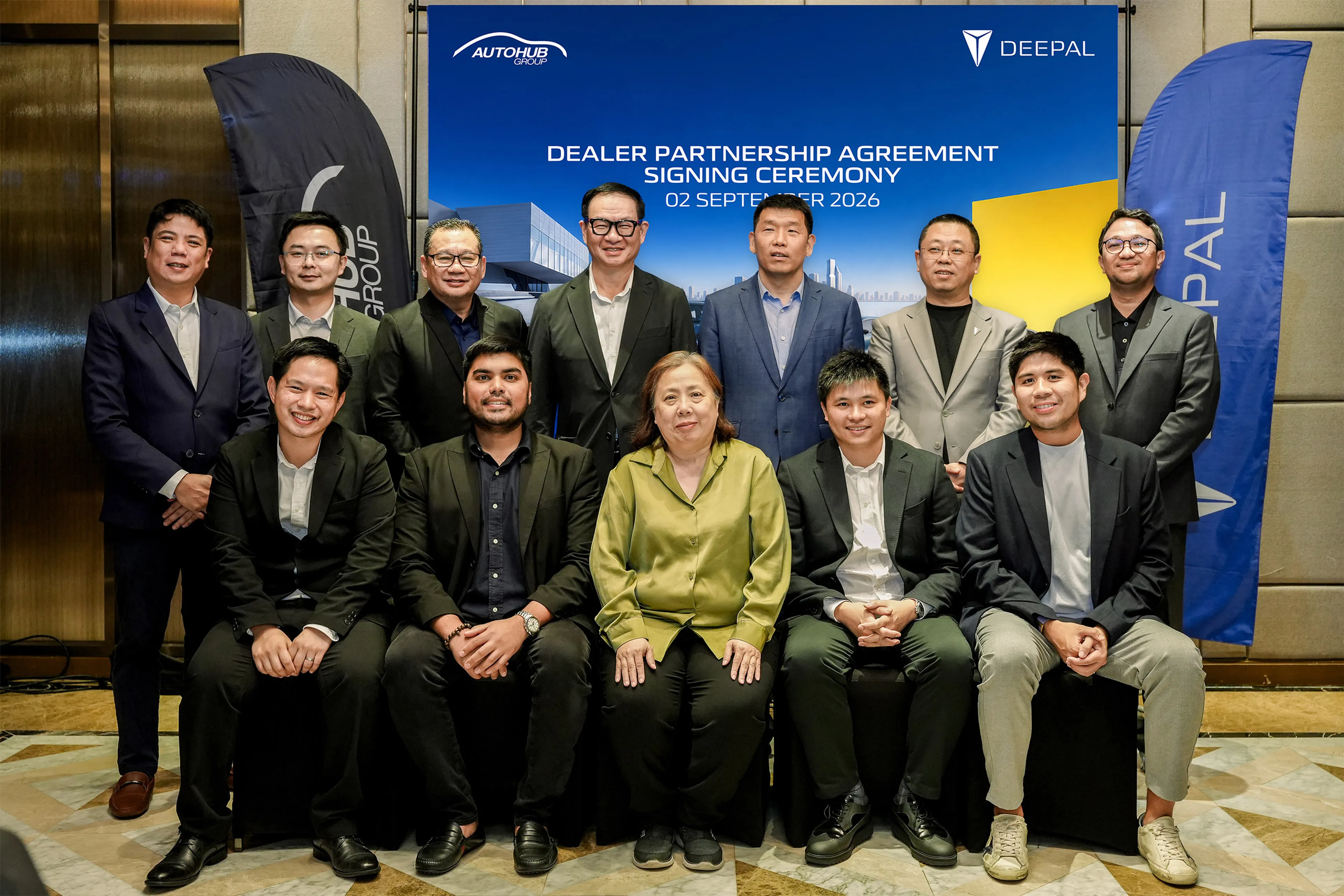
Deepal expands Philippine footprint with five new dealer partnerships
Distributed exclusively by Autohub Group, EV brand Deepal is growing its local presence by signing five new dealer partnerships while slating four more showroom locations across the Philippines.
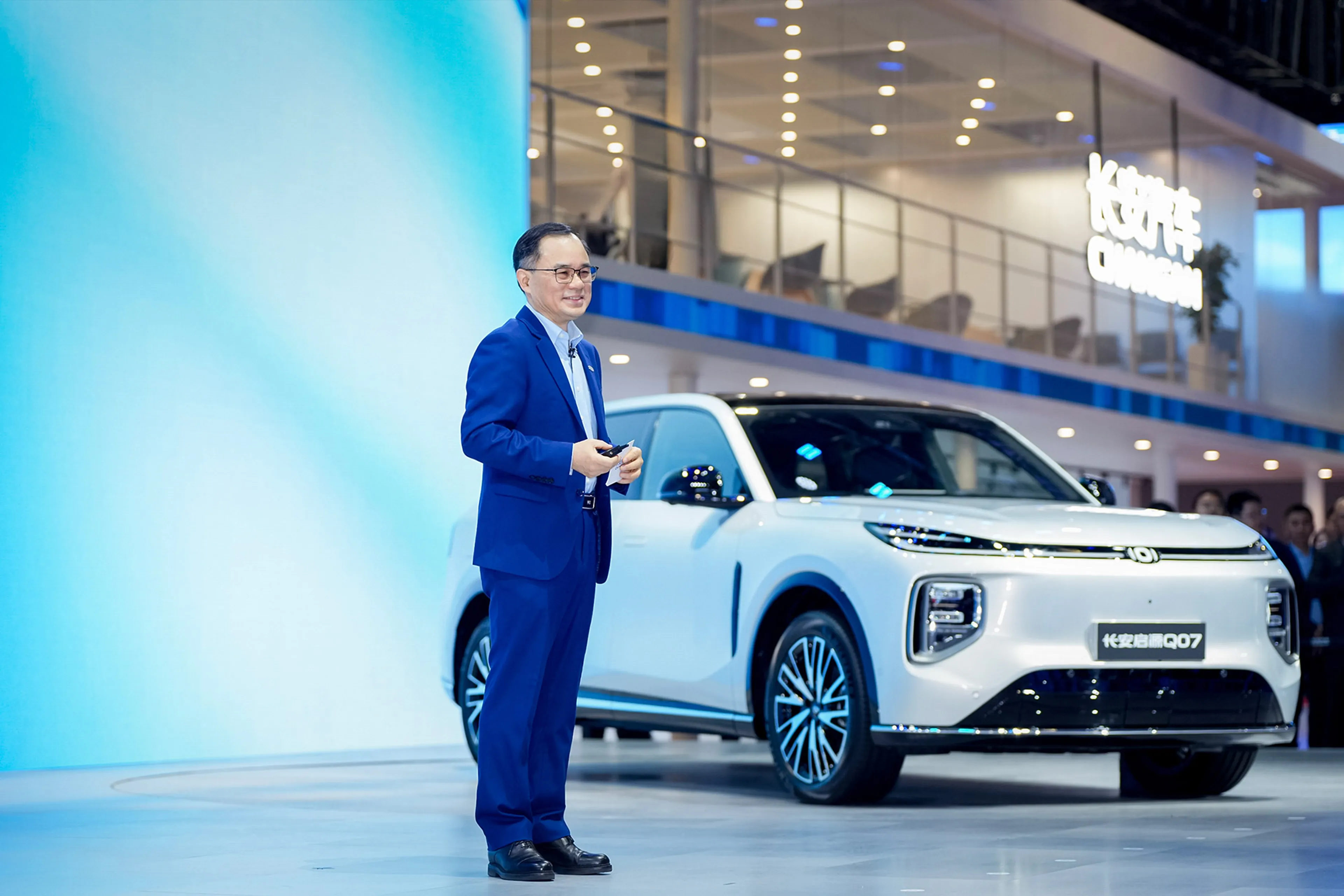
Changan takes the wheel from Inchcape for Philippine operations
Changan Auto is establishing its own local subsidiary in the Philippines to take direct control over its sales, aftersales, marketing, and dealer network operations.
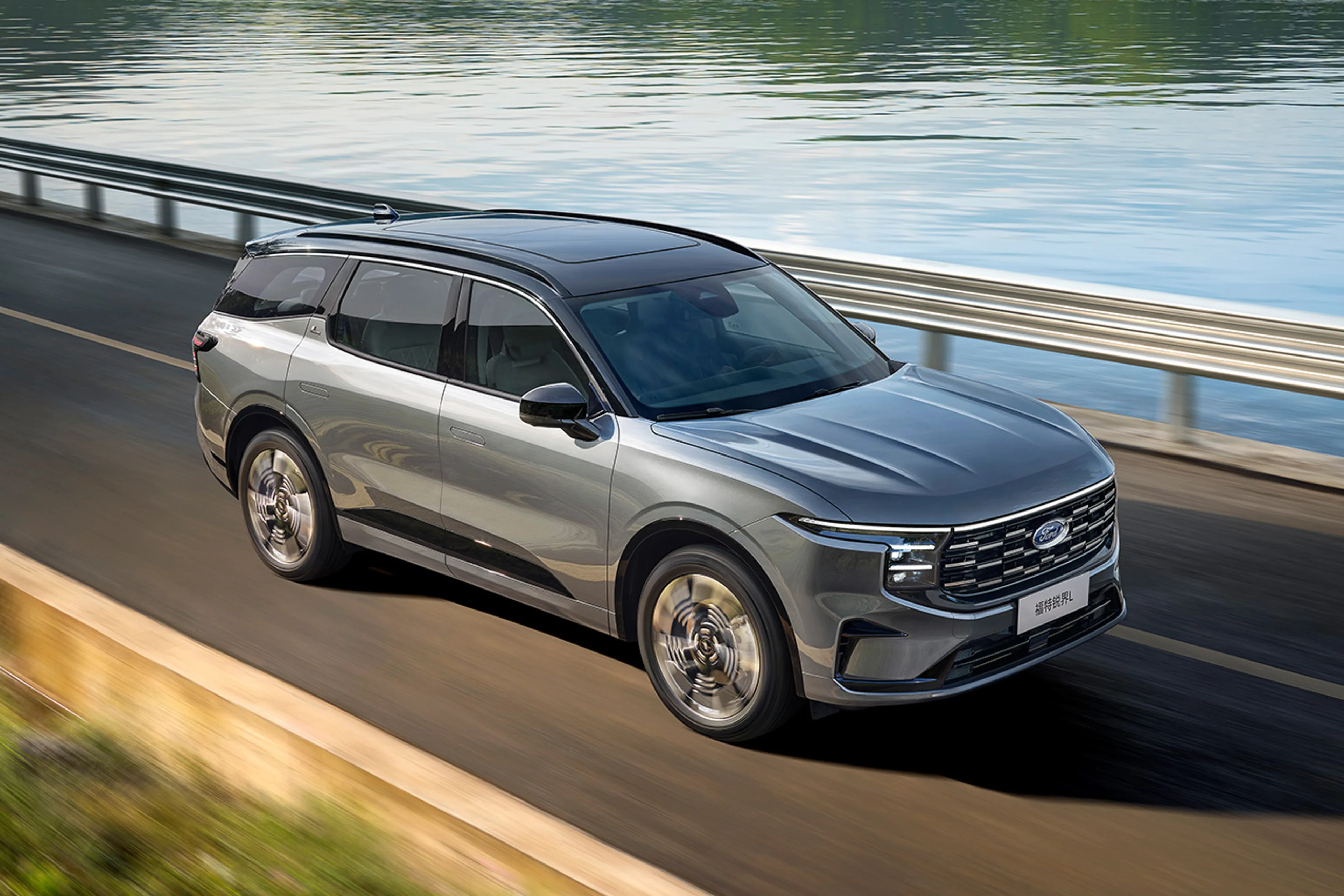
Ford PH to get HEV, PHEV models from Changan joint venture?
It looks like Ford is banking on bringing more electrified vehicles via the Changan joint venture
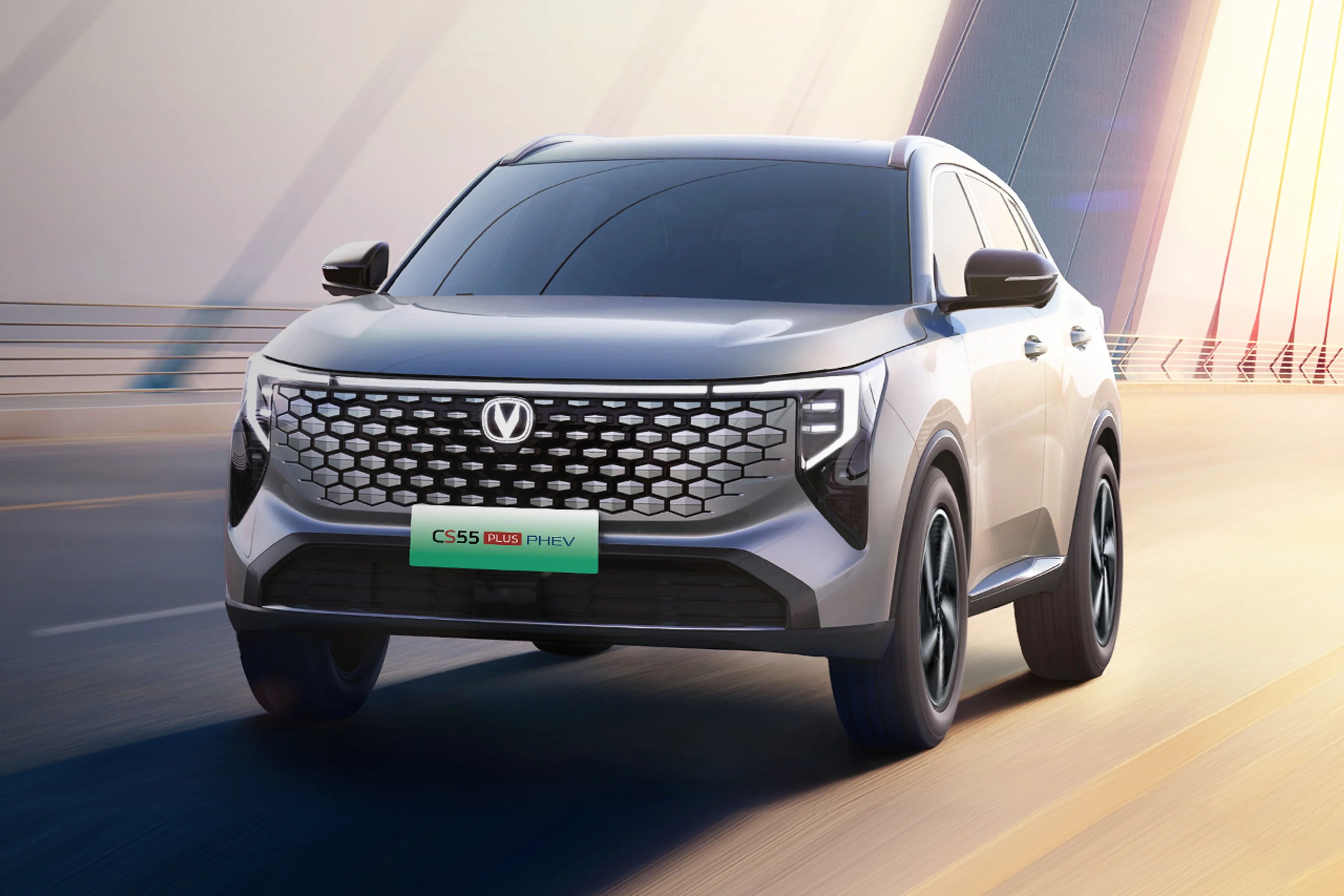
Refreshed Changan CS55 to get HEV & PHEV variants in PH?
It looks like Changan is set to launch more electrified models as it moves away from the Changan partnership
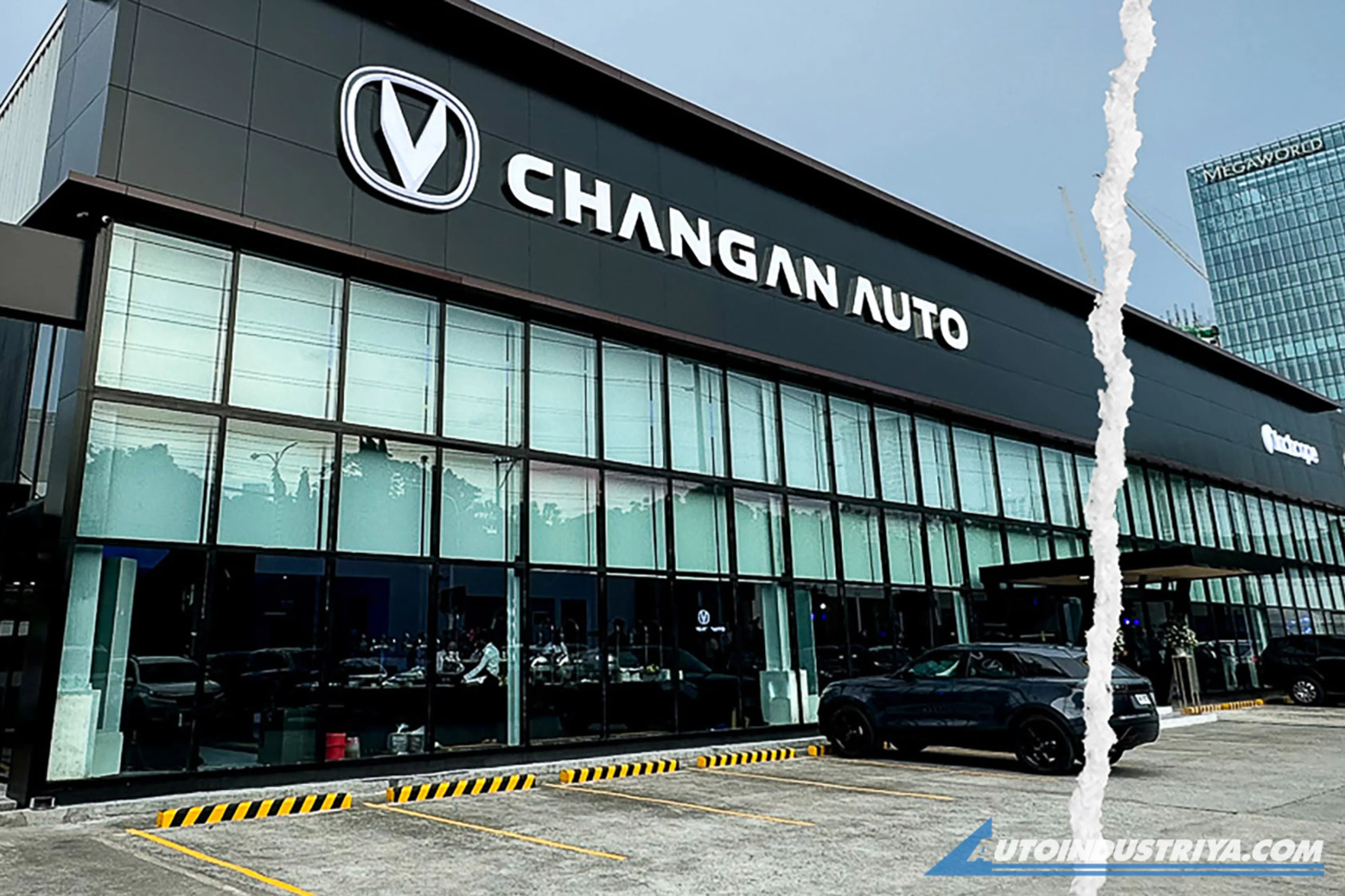
Divorce papers served: Changan terminates distributor agreement with Inchcape
Amidst lackluster sales, Changan to take over as distributor from Inchcape
Changan opens four new dealerships in PH
Inchcape PH expands Changan's presence with new dealerships in Alabang, Butuan, Surigao, and QC