
More PH shipping lines are refusing to load EVs, hybrids after MV June Aster fire
More PH shipping lines are refusing to load EVs, hybrids after MV June Aster fire
More ferry operators join EV, hybrid transport restrictions

Several Philippine shipping lines have stopped accepting electric and hybrid vehicles onboard their vessels following the September 9 fire aboard MV June Aster, raising fresh questions over how battery-powered vehicles should be handled on domestic ferries.
Montenegro Shipping Lines was the first to announce a new restriction after the incident. In a September 16 memorandum, the company ordered its vessels not to accept electric vehicles (EVs) or hybrid electric vehicles (HEVs) for passenger or cargo transport.
The company said the measure was a preventive safety precaution intended to reduce the risks of fire, explosion and thermal runaway associated with high-capacity vehicle batteries. The restriction applies across its routes and remains in effect until further notice.
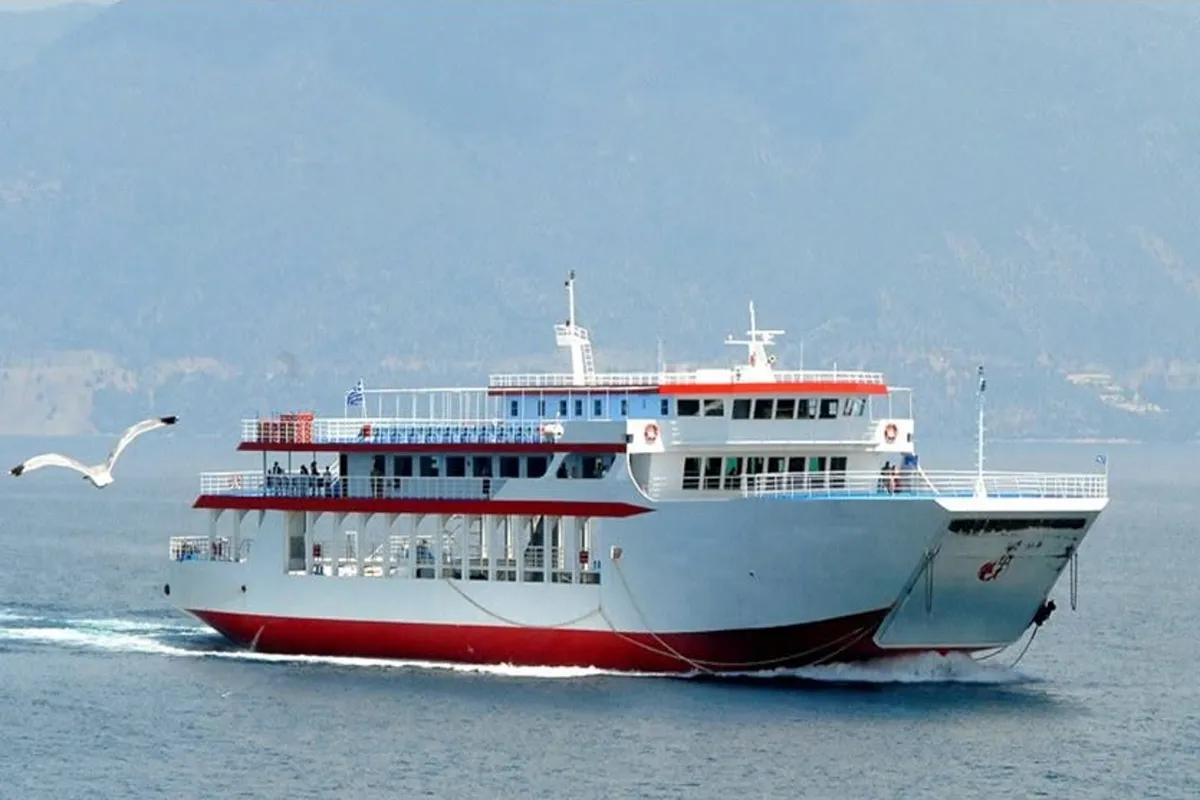
Photo courtesy of Starhorse Shipping Lines
Starhorse Shipping Lines followed with a fleet-wide restriction covering fully electric, hybrid and plug-in hybrid cars, SUVs, vans and trucks. In its September 18 advisory, the company said domestic roll-on, roll-off (RoRo) vessels are not yet adequately equipped to handle some of the risks associated with lithium-ion battery fires.
Starhorse also pointed to the difficulty of controlling a battery fire once thermal runaway begins, including the possibility of reignition after a fire appears to have been extinguished.
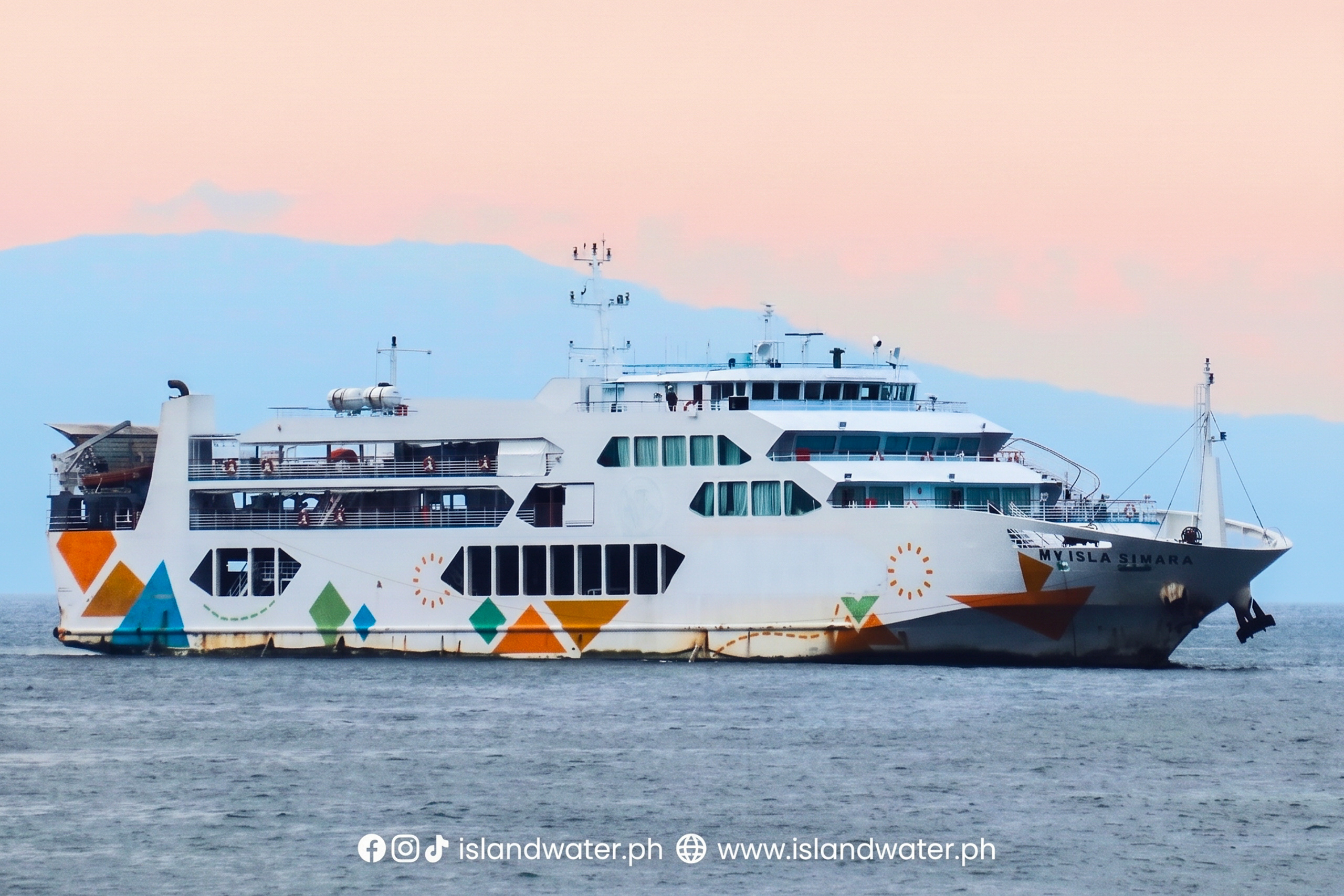
Island Water has likewise restricted EVs and hybrids aboard its passenger vessels, citing marine safety and risk-management concerns involving alternative powertrains and high-capacity battery systems.
The restrictions come as investigators continue looking into the cause of the June Aster fire off Coron, Palawan. The vessel was carrying an EV along with motorcycles, a forklift, a pickup truck and other cargo when the fire broke out.
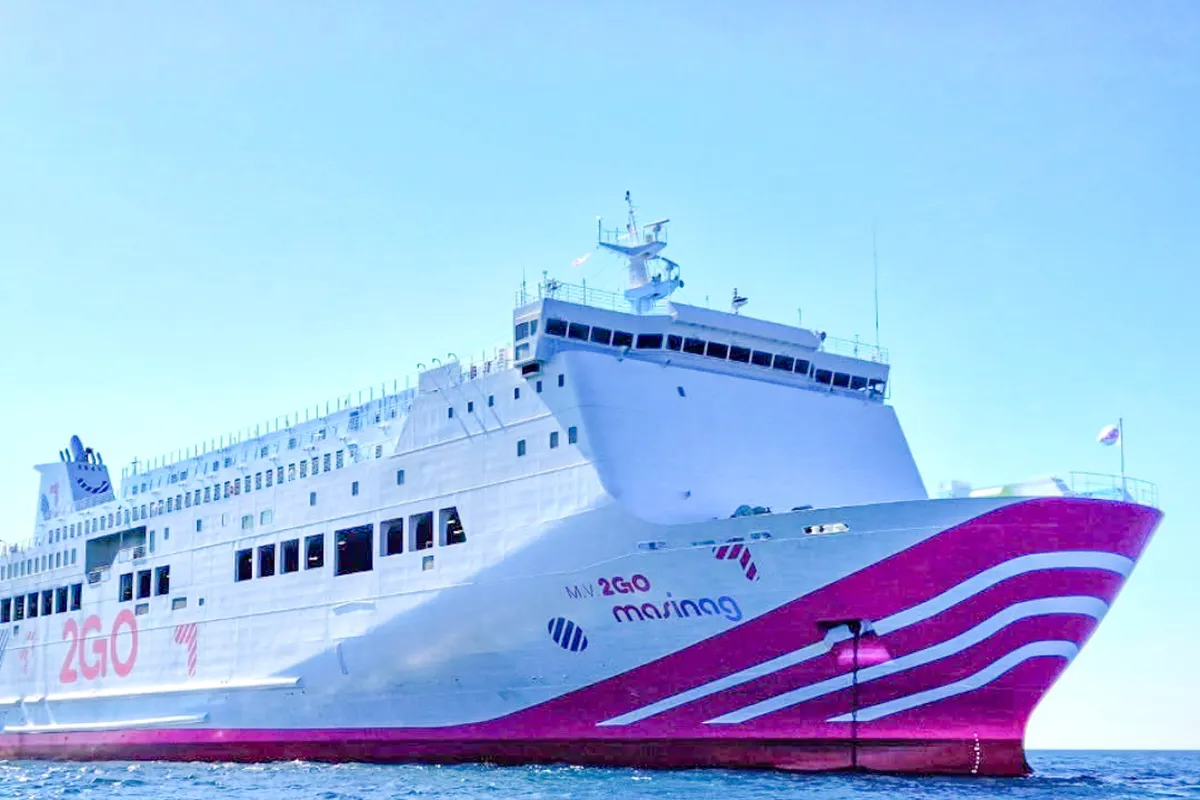
Photo courtesy of 2GO Travel
Authorities have yet to establish that the EV caused the incident. The Department of Energy (DOE) has said it is coordinating with the Maritime Industry Authority (MARINA) and other agencies on safety protocols for transporting EVs and hybrids by sea.
The latest restrictions, however, are not the first time a Philippine shipping company has stopped accepting EVs and hybrids.
2GO had already stopped accepting EVs and HEVs on all its vessels in June 2025. The company described the move as a precautionary response to safety concerns involving EV and hybrid batteries.
That puts 2GO's policy more than a year ahead of the restrictions announced by Montenegro, Starhorse and Island Water following the June Aster fire.
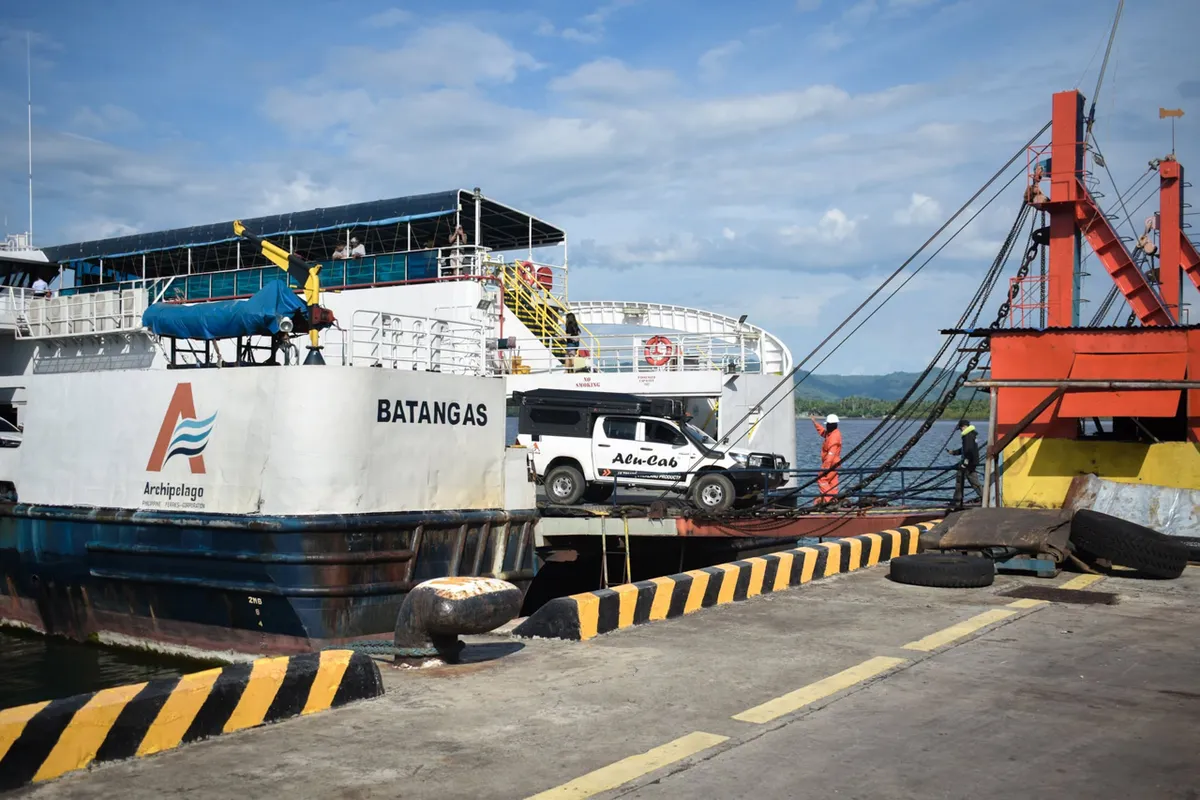
Photo courtesy of FastCat
Other shipping lines, meanwhile, are continuing to accept EVs and hybrids on their inter-island routes.
FastCat, which operates nine routes across Luzon, Visayas and Mindanao, confirmed on Wednesday that it continues to accept these vehicles. The company made the announcement through its social media channels following questions from customers about its policy.
“For everyone asking and sharing the news—yes, FastCat officially carries your e-cars, hybrids, and EVs!”
The Department of Energy, on the other hand, says they are working to draft clear, science-based standards for the safe carriage of electric and hybrid vehicles onboard domestic passenger vessels.
Up to this point, there are still no international regulations specifically dedicated to the safe carriage of electric vehicles. While some national and regional governmental organizations have issued their own guidelines, the IMO or International Maritime Organization is still in the process of developing mandatory regulations for the transportation of new energy vehicles, including EVs, with a target completion year of 2027.
Related Posts
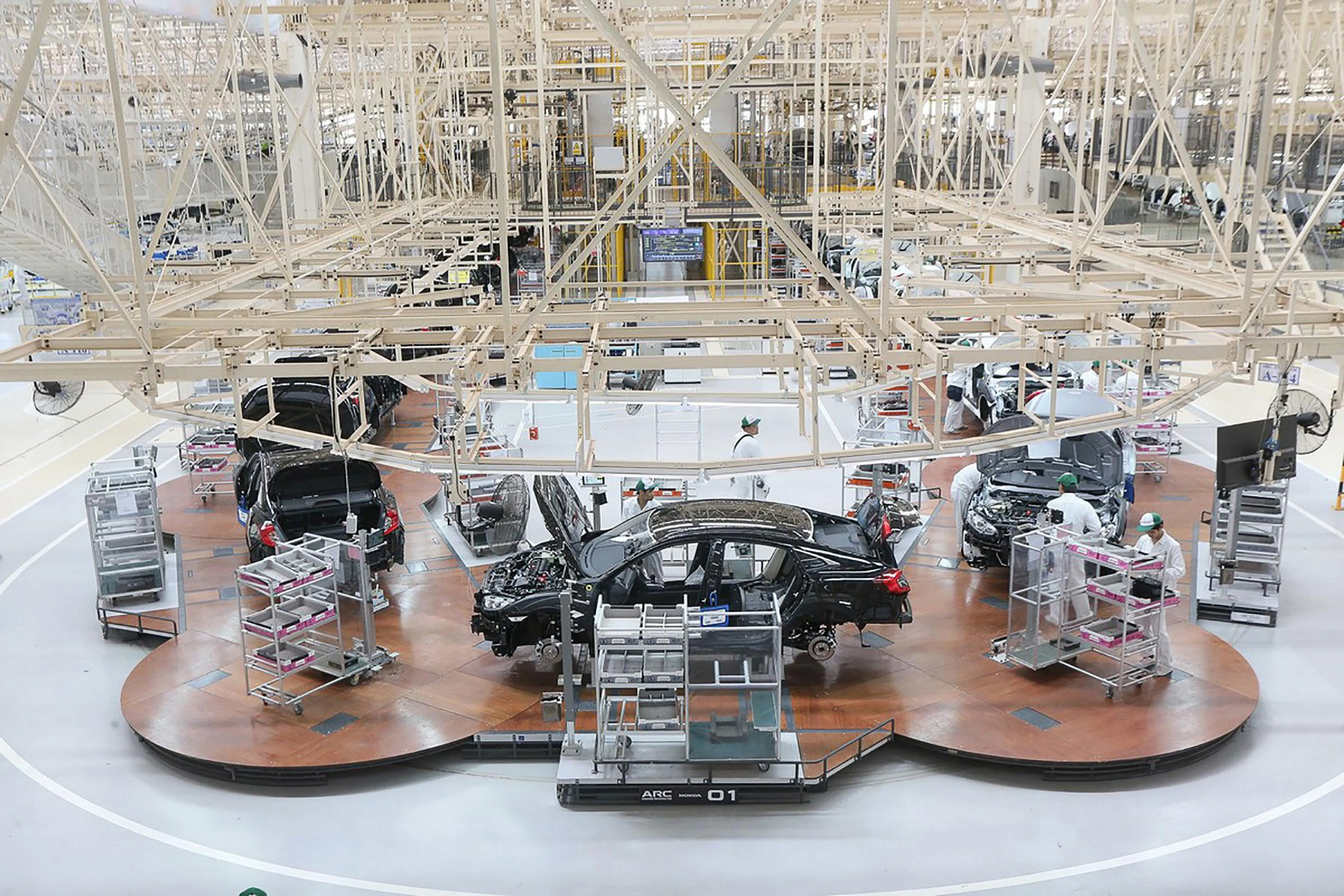
Honda wants to use more Chinese parts to save up to USD 9.4-B in costs
Will Honda's quality be affected in a bid to greatly reduce costs against Chinese brands?
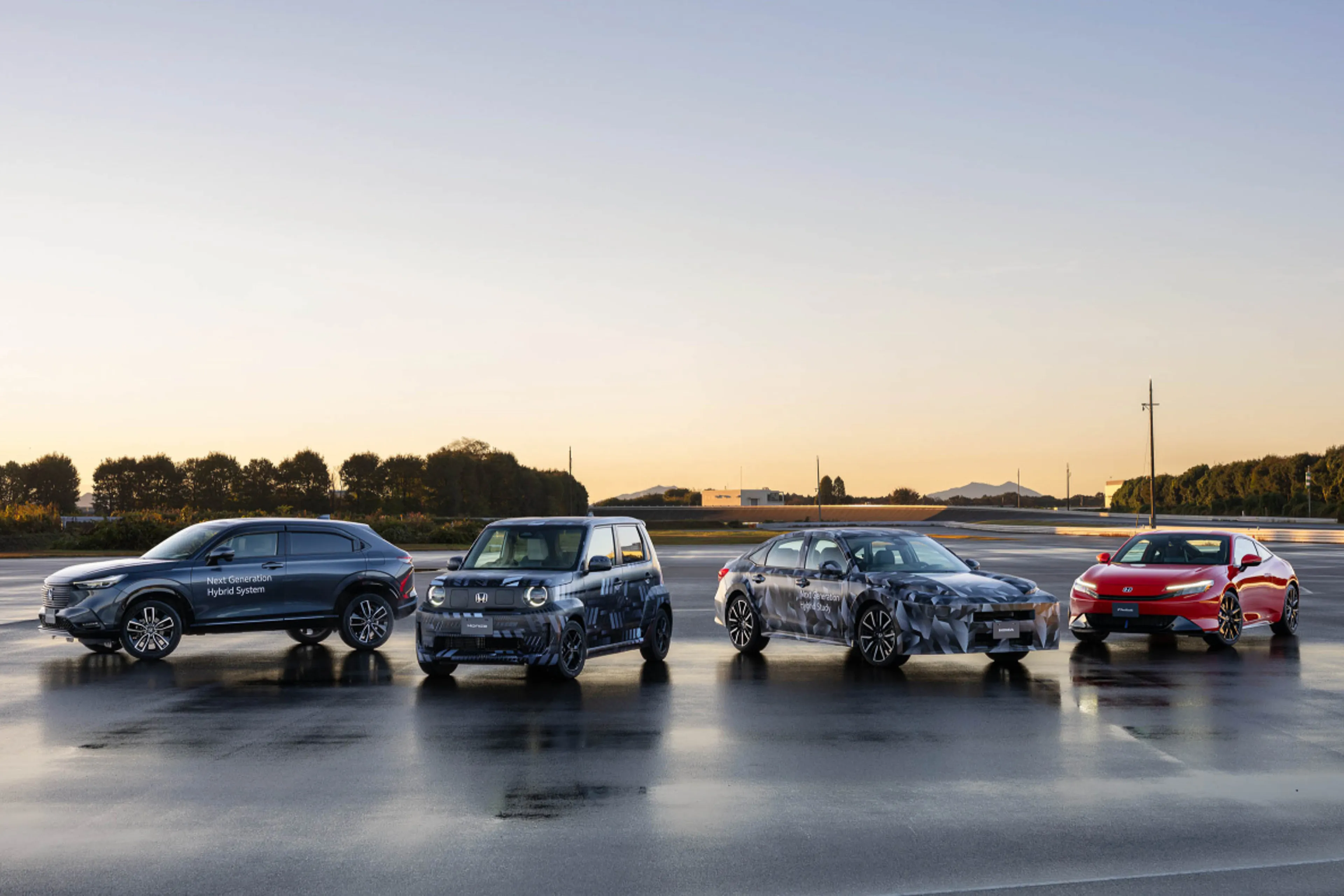
Honda drops plans to go full EV by 2040; will focus more on hybrids
Honda plans to launch 15 next-gen hybrid models globally by March 2030
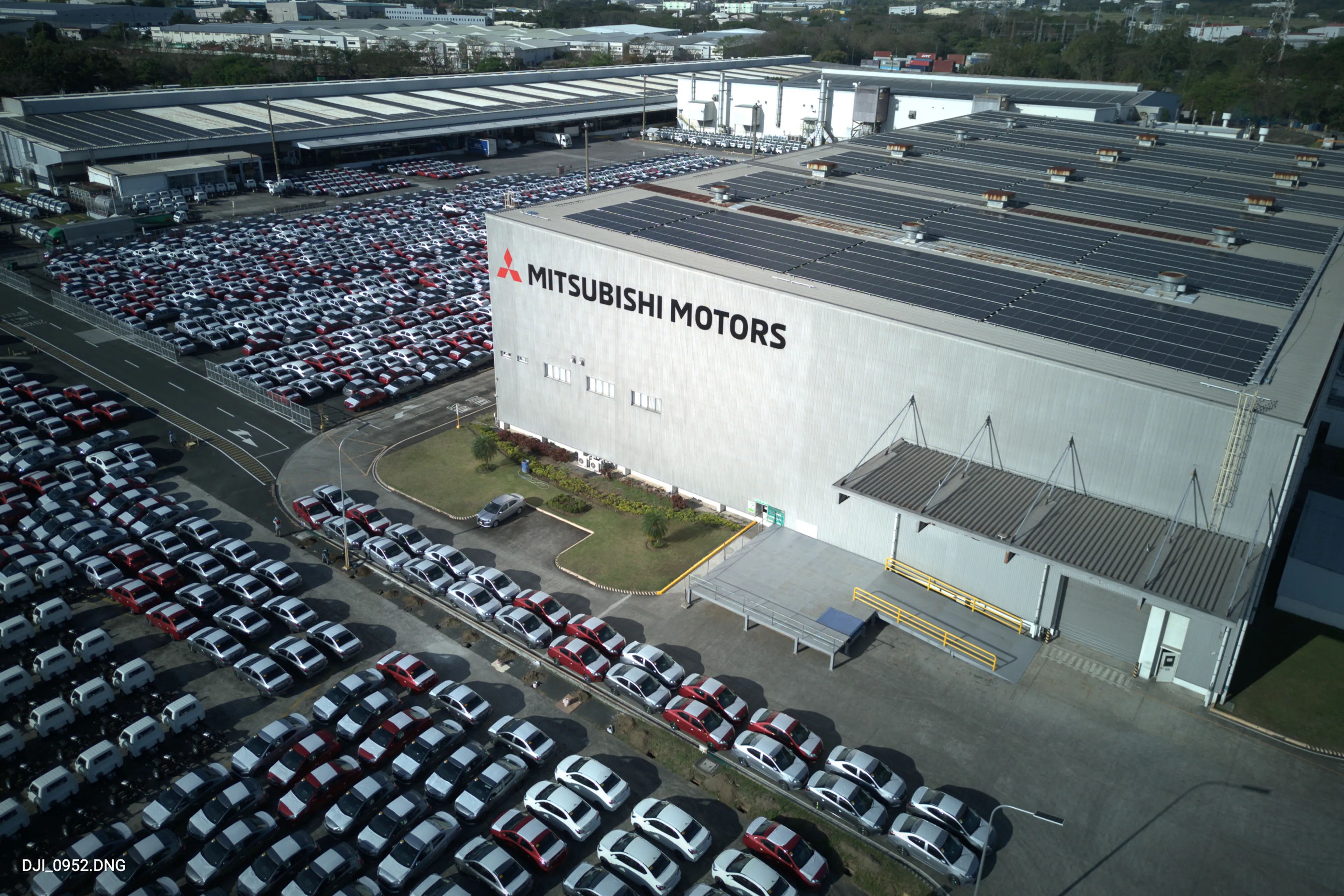
Mitsubishi PH welcomes EVIS program, reaffirms commitment to build hybrids
MMPC says production of hybrids in PH will mark a new chapter in the brand's history
Easy Numbers: The math of owning a hybrid
Here's how fuel savings, technology, and financing come together to help you assess the long-term value of a hybrid vehicle
First Look: Geely gets PHEV timing right with EX5 EM-i
As driving realities in the market evolve, Geely Motor Philippines timed it right to introduce EX5 EM-i
Subaru patents simulated manual transmission for EVs, hybrids
Subaru is looking to put dummy clutch pedals and H shifters to its future EVs and hybrids