
Curb your (Car) Enthusiasm: Are we losing our passion for automobiles?
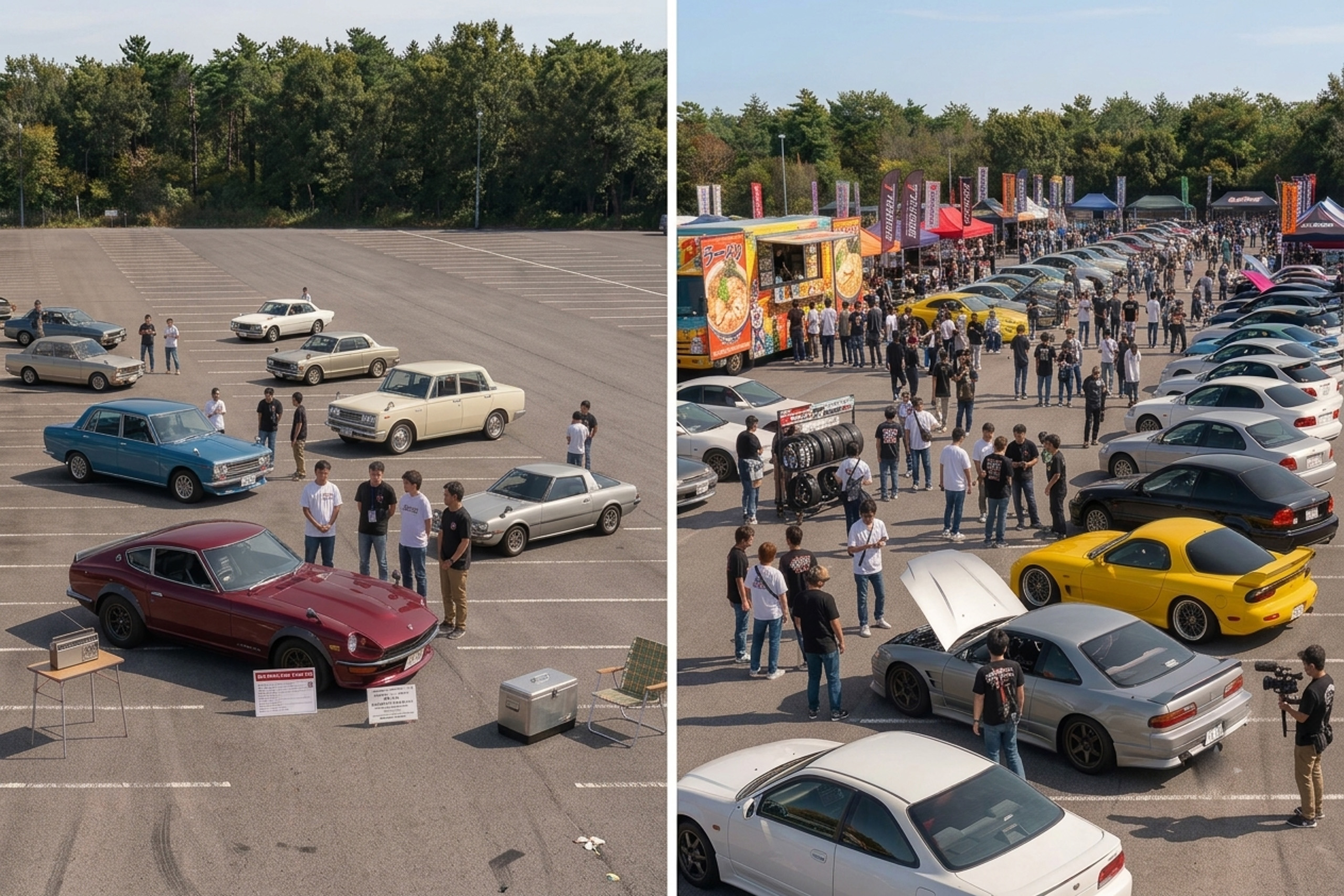
Curb your (Car) Enthusiasm: Are we losing our passion for automobiles?
Faced with modern mobility options and shifting lifestyles, is the enthusiasm for cars fading or simply evolving?

Being a car enthusiast has always been about more than horsepower. It was about building a connection with a project car, fixing what was broken, improving what worked, planning the next performance upgrade, and connecting with fellow enthusiasts. More than a hobby, it’s a constant work in progress, a chance to learn, and a reason to spend weekends at car meets, track days, and fun runs with like-minded people.
Today, however, that culture is beginning to look very different.
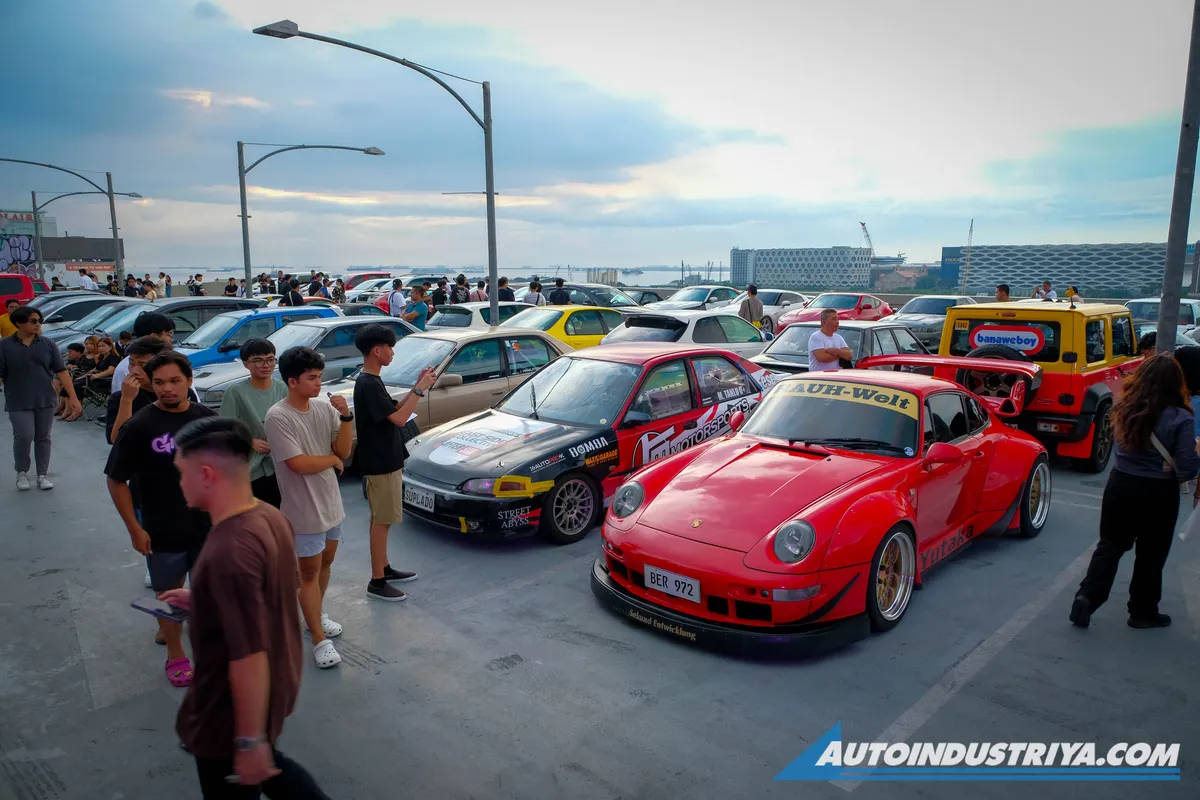
As manual transmissions continue to disappear from mainstream models and alternative powerplant options gain popularity, cars are viewed as mere appliances, designed primarily for transportation rather than exciting platforms that should inspire enthusiasts to modify and personalize.
Compared to previous generations, today’s youth seem less interested in building and modifying cars, leading many to ask the question: Is automotive enthusiasm declining or simply evolving? Let’s go over some of the possible reasons.
Rising costs
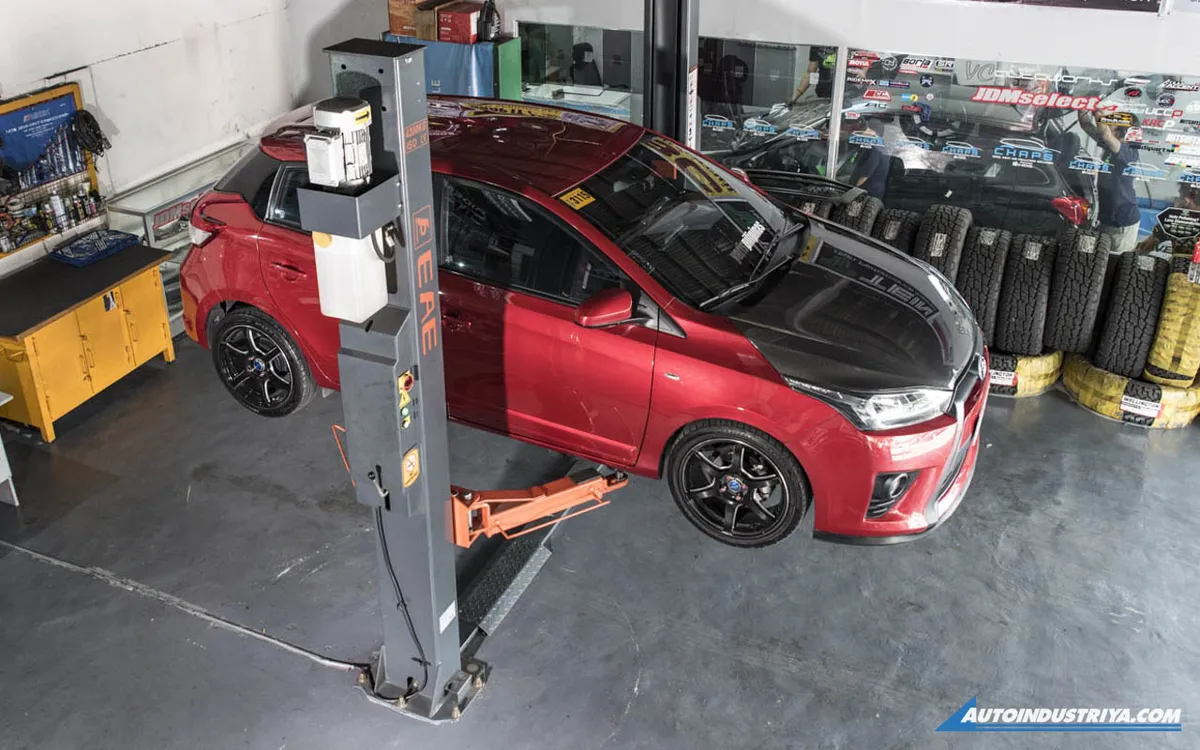
One of the main reasons why it feels like there are fewer enthusiasts today is the rising cost of the hobby. New cars have become increasingly expensive, while once affordable tuner favorites from the 1990s and early 2000s have become collectible assets with prices to match. The majority of which are now bought as investments, only to be sold for profit rather than modified and driven.
Rising fuel prices, increasing costs of aftermarket components, and higher prices for routine maintenance and replacement parts have made the hobby more challenging to sustain. And as every enthusiast knows, a project car is never truly finished. There’s always another repair, upgrade, or modification that’s either needed or waiting, making it a never-ending financial rabbit hole.
Lack of aftermarket support
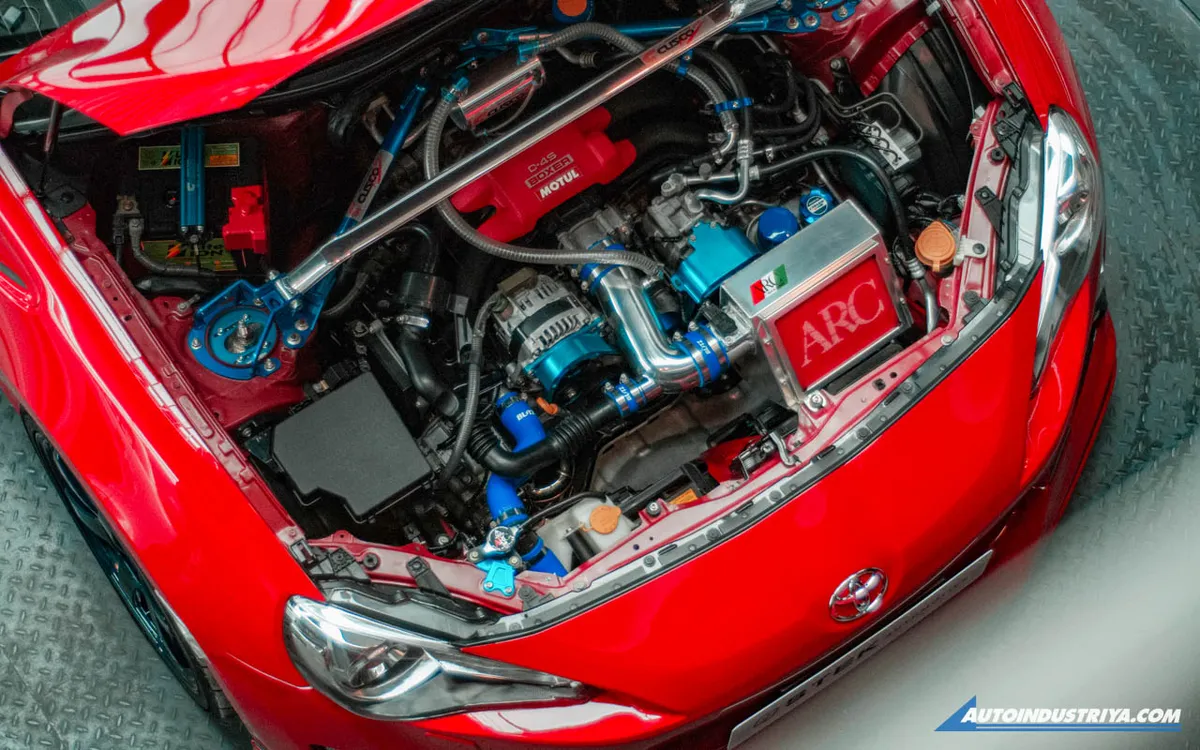
Many newer vehicles also lack the vibrant aftermarket ecosystem that made earlier enthusiast cars so appealing. Established performance platforms offered a vast selection of suspension upgrades, internal engine components, turbo kits, ECU tuning solutions, and a whole lot more. In contrast, the majority of modern mainstream vehicles have little to no aftermarket support beyond cosmetic accessories and the requisite wheel and tire upgrade.
For enthusiasts who enjoy modifying and tuning their own cars, those limited options make the newer models feel less engaging. Without readily available performance parts or tuning solutions, many of today's vehicles become less feasible as long-term project cars, reducing one of the key ingredients that has traditionally drawn people into automotive enthusiasm.
Modern technology = Less involvement?
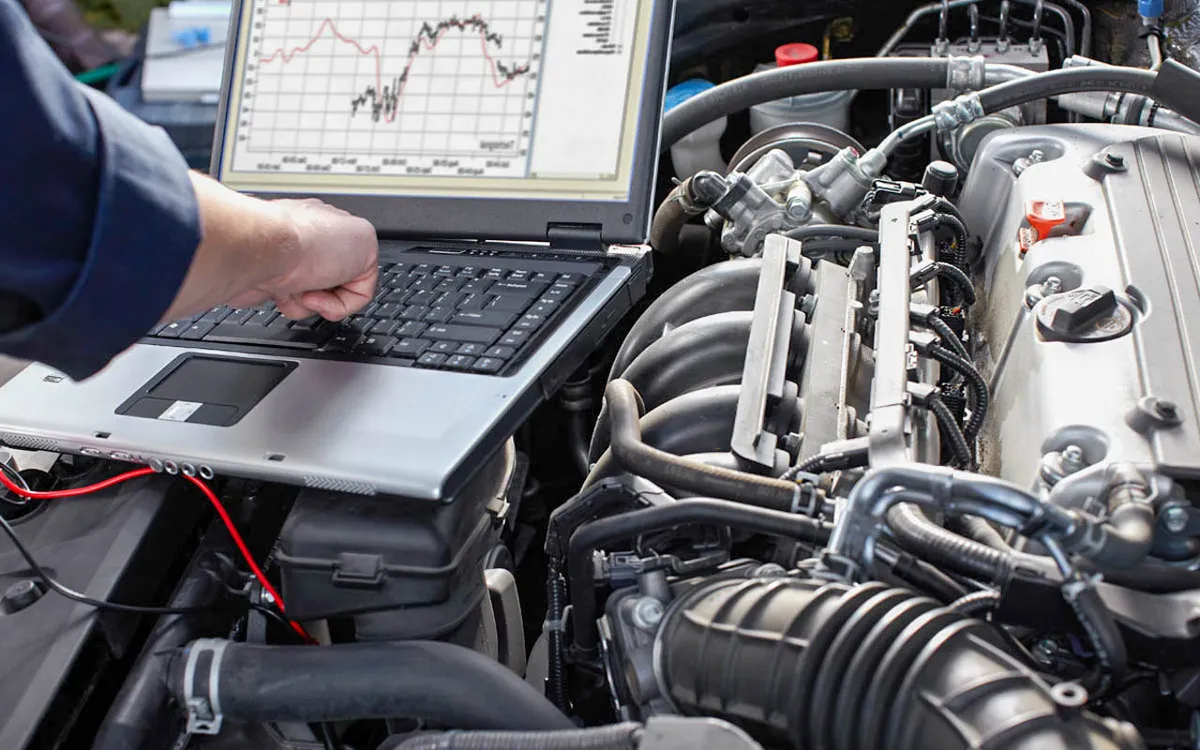
Modern vehicles are undeniably faster, safer, more efficient, and more reliable. However, these advances in electronics, software, driver assistance systems, sensors, and control modules have also made modern vehicles far more complex to repair and modify without triggering a dashboard warning light to turn on.
Compared to the days of simple OBD1 systems, basic fuel injection, and readily available surplus parts, DIY tuning, upgrades, and repairs have now become more challenging. Coupled with fast-paced urban living and changing lifestyles, this explains why there are fewer vehicle owners who aren’t willing to spend time and resources just to build project cars.
Curbed enthusiasm
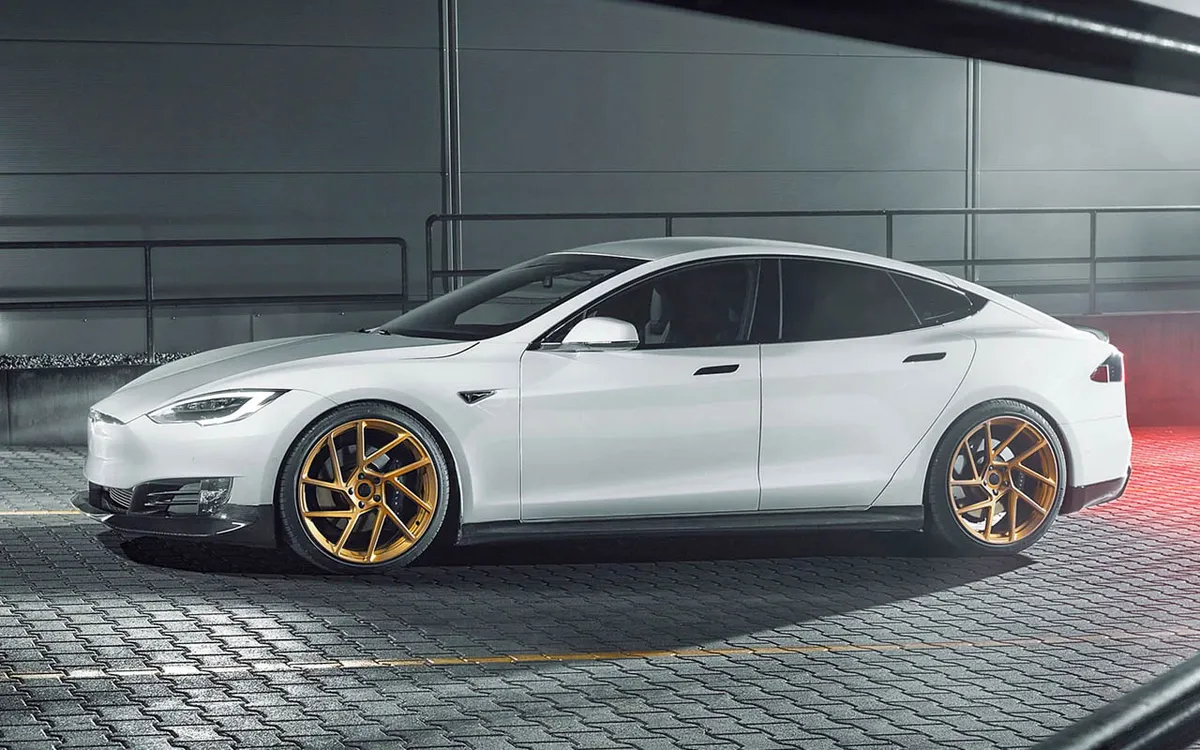
Changing mobility trends have also broadened what enthusiasts appreciate. While many still find the sound and mechanical engagement of a manual transmission and a modified internal combustion engine to be irreplaceable, younger enthusiasts are increasingly embracing hybrids and electric vehicles.
Such vehicles deliver impressive performance straight from the factory, reducing the need to pursue additional power through aftermarket modifications. For enthusiasts who still want to personalize or enhance their vehicles, however, the limited availability of aftermarket parts and tuning solutions poses a significant obstacle. Together, these factors have reshaped how younger enthusiasts perceive vehicle modification, diminishing the appeal of having a project car.
The changing car show scene
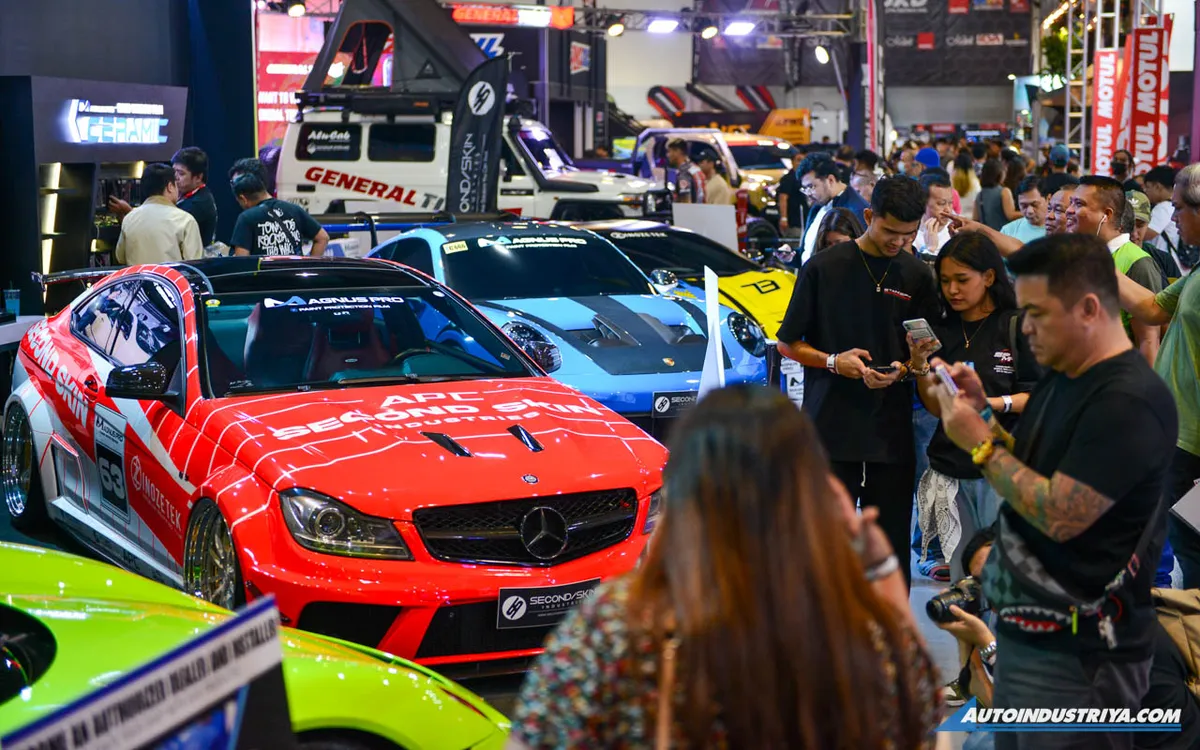
One trend I've noticed over the years as a car show judge is the steady decline in vintage and classic project cars being entered into competitions. There are also fewer truly groundbreaking custom builds that push the limits of creativity. Instead, many of today's modifications rely on readily available aftermarket parts that anyone can order abroad and install without elaborate work.
What has grown significantly, however, is the number of competing supercars and overlanding builds, categories that were far less common a decade ago. That shift greatly reflects how enthusiast interests have evolved, as well as what resonates with today's generation of car builders.
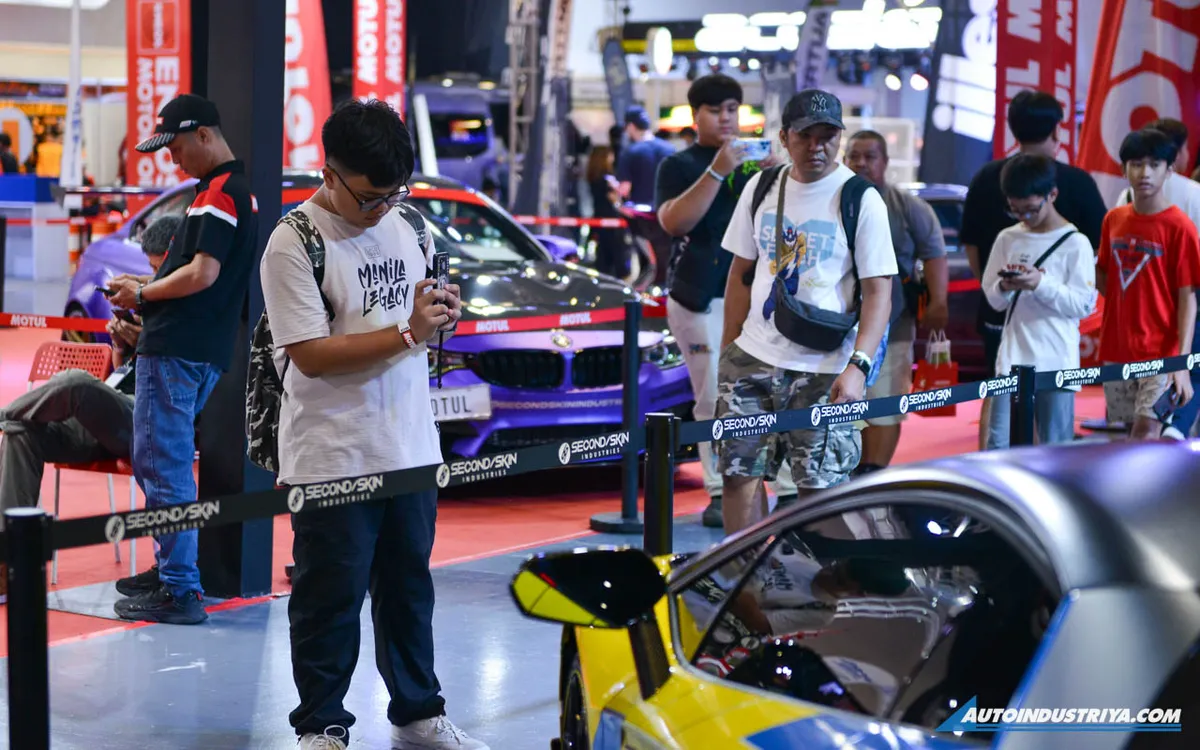
The audience has changed, too. More attendees seem to be focused on taking selfies with the cars, while the number of photographers whose primary objective is to photograph the promotional models continues to grow. No offense meant, but if you're attending a car show, shouldn't the cars be the main attraction? It raises an interesting question about whether the experience has become more about creating content for social media than appreciating the craftsmanship and engineering on display.
The rise of social media
The car community has evolved as well. Instead of relying on internet forums and weekend meets, enthusiasts now connect in real time anywhere and anytime through YouTube, Instagram, TikTok, and Facebook groups. Social media has made car culture more accessible than ever, allowing builders to share ideas, document projects, and learn from enthusiasts around the world.
The global reach that comes from social media has also changed what attracts attention. In many cases, the spotlight has shifted from build quality and originality to focusing on what generates more likes, views, and followers.
Viral video moments and eye-catching visuals overshadow the countless hours of installation work, tuning, and problem-solving behind a truly well-built project car. Recognition for one’s build is now gauged by the number of online engagement figures and likes rather than personal satisfaction and impeccable build quality. More often than not, the younger generation would rather hold a 4K video camera than a trusty old-fashioned socket wrench.
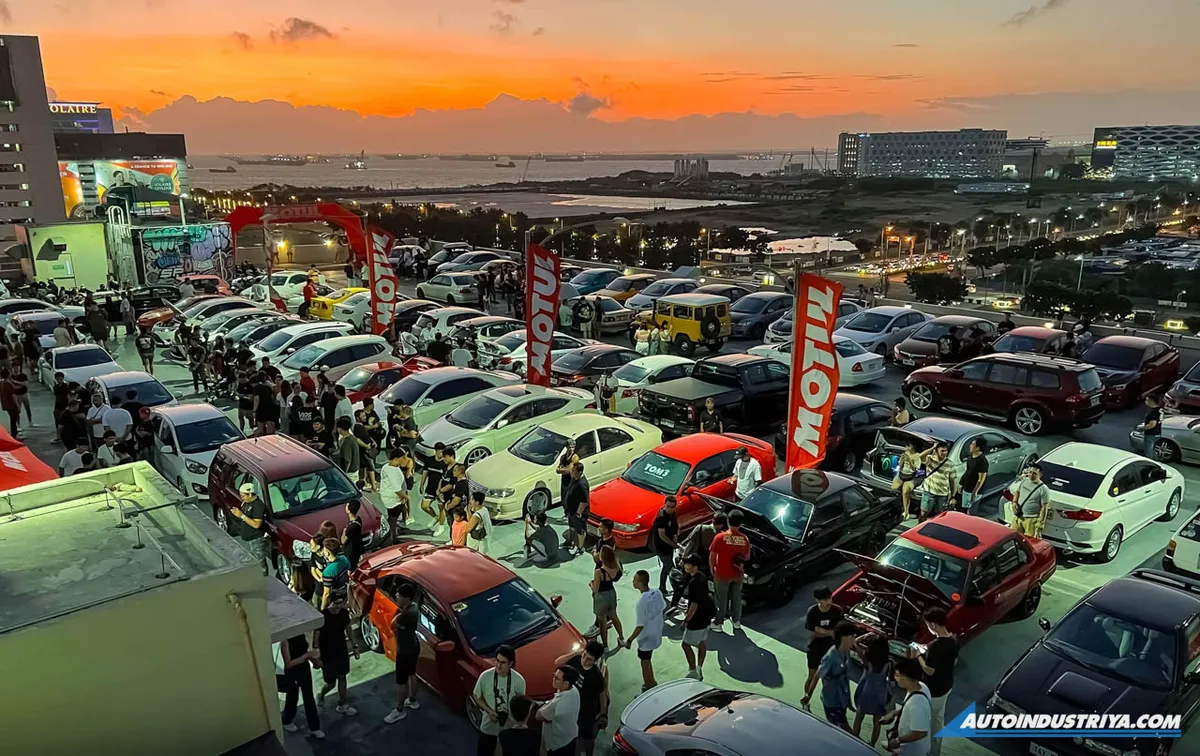
Redefining car enthusiasm
Despite all these challenges and changes, the passion remains very much alive in our local car scene. Rather than declining, the car enthusiast community is evolving. Some modify conventional platforms, while others are exploring new ways to express their passion beyond traditional project builds.
At the same time, car club meets, motorsport events, overlanding communities, and weekend gatherings continue to unite enthusiasts. Social media has simply made it easier to connect, organize events, and share builds with a much wider audience. Car enthusiasm isn't disappearing; it's merely adapting. The tools are different, the platforms are more diverse, and the communities exist online, but the passion remains unchanged.
Perhaps the real question isn't about whether car enthusiasts are declining in number, but about where they are gathering now.
Related Posts
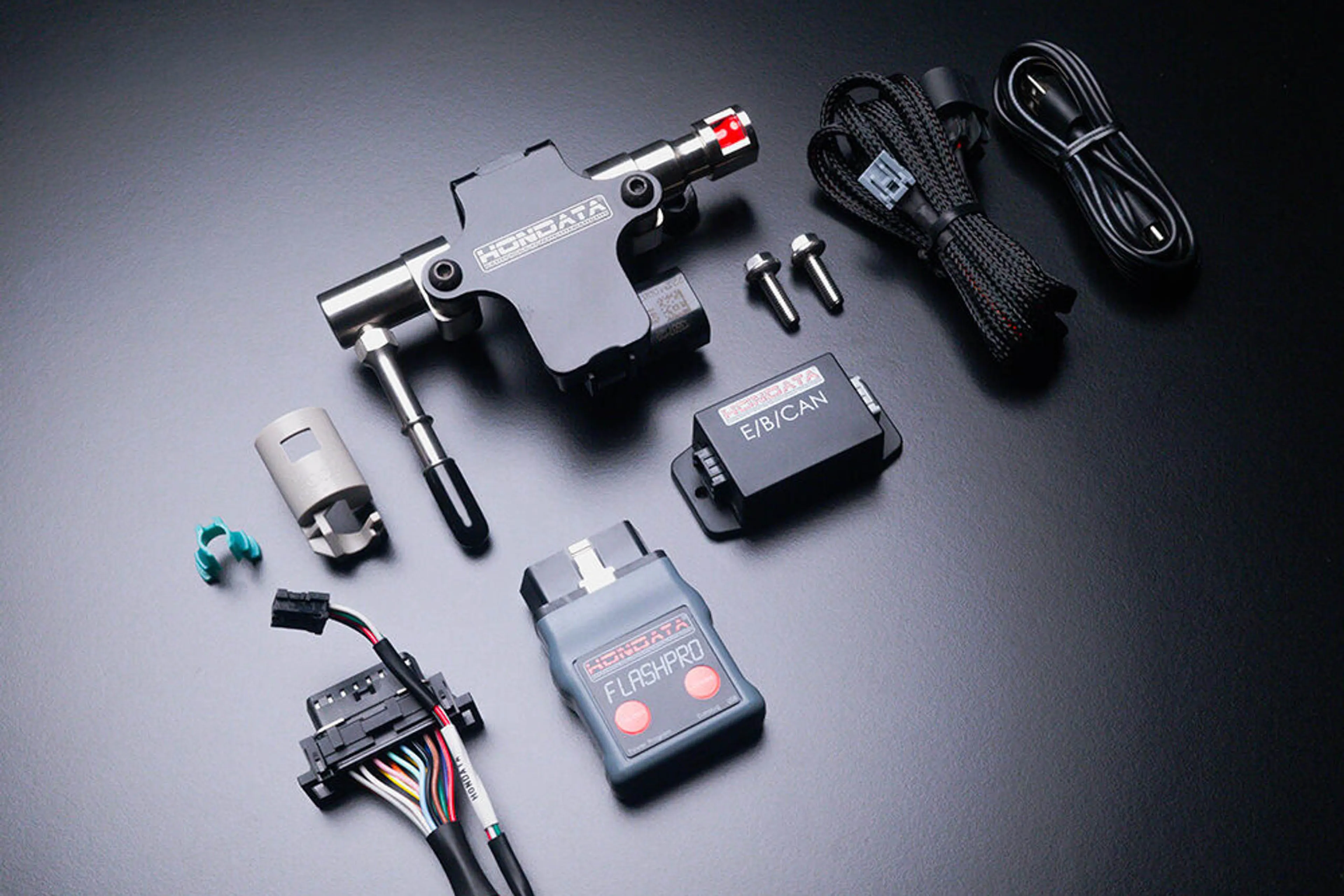
Hondata has been acquired by Engineered Performance Technologies
Hondata, one of the most respected names in Honda and Acura engine management, has been acquired by Engineered Performance Technologies (EPT), expanding the performance group's growing portfolio of enthusiast-focused aftermarket brands.
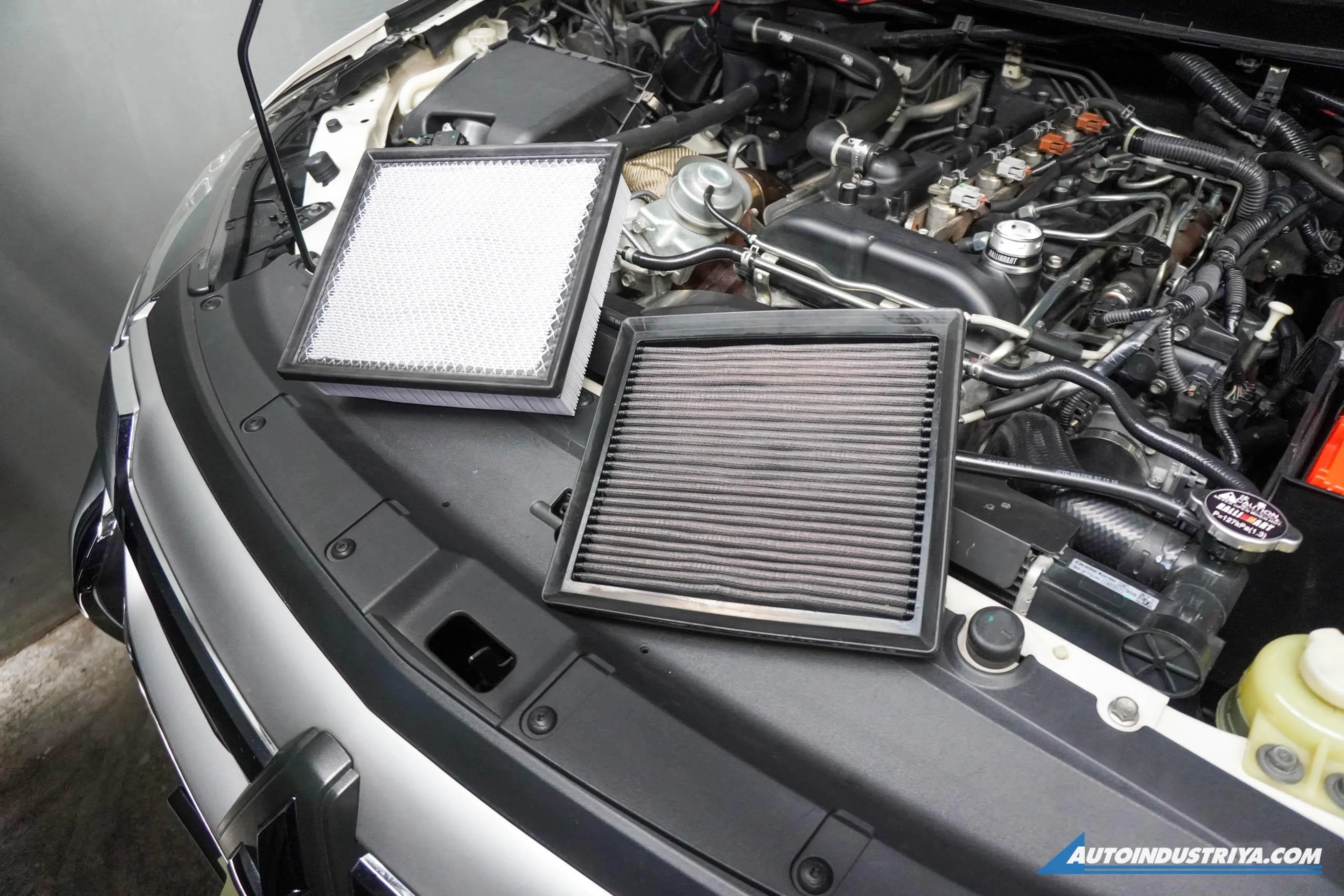
Air Filters - Dry vs. Oiled: Which works better?
Pros and cons between using dry OEM-style filters or aftermarket oiled filters.
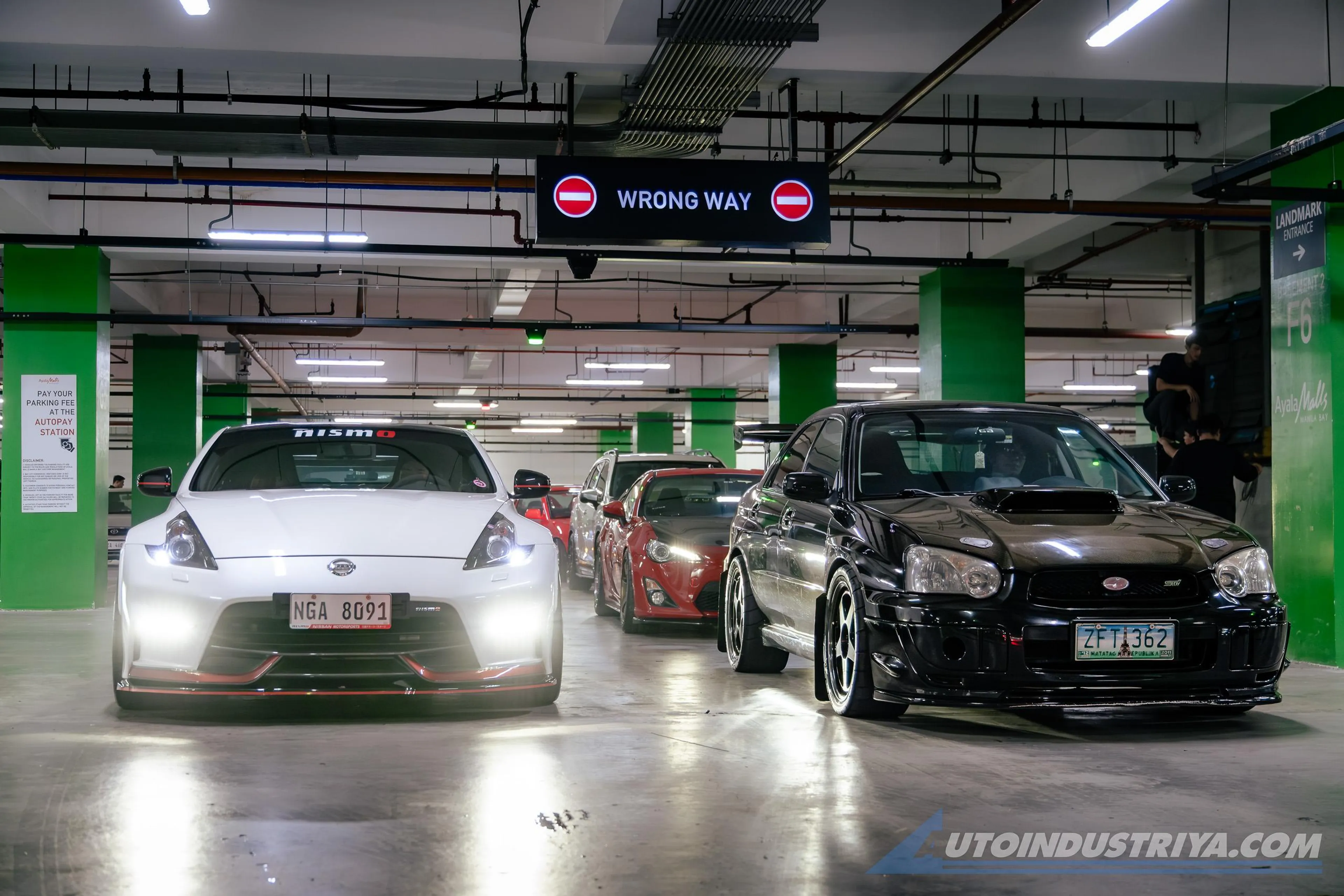
Hardcore MNL: Elevating the local car scene
Here's a brief background about Harcore Manila that's more than just a community for car enthusiasts.
Palace: Still no fuel subsidy program for private motorists
Private motorists are left out as the government continues to roll out fuel assistance program for PUVs only
Auto 101: What parts break when you add more HP and torque?
Adding more horsepower means upgrading these parts
Motorsport-proven Landsail Tires now available in PH for value-driven motorists
Manufactured by Sentury Tire using 4.0 Smart Factory technology, Landsail Tires makes its Philippine debut through exclusive distributor Tiara Commercial and Industrial Corporation.