
Cheap Gas: Six simple tips to get good deals on fuel
Some tips to help you save a few Pesos per liter of gas or diesel at the pump.

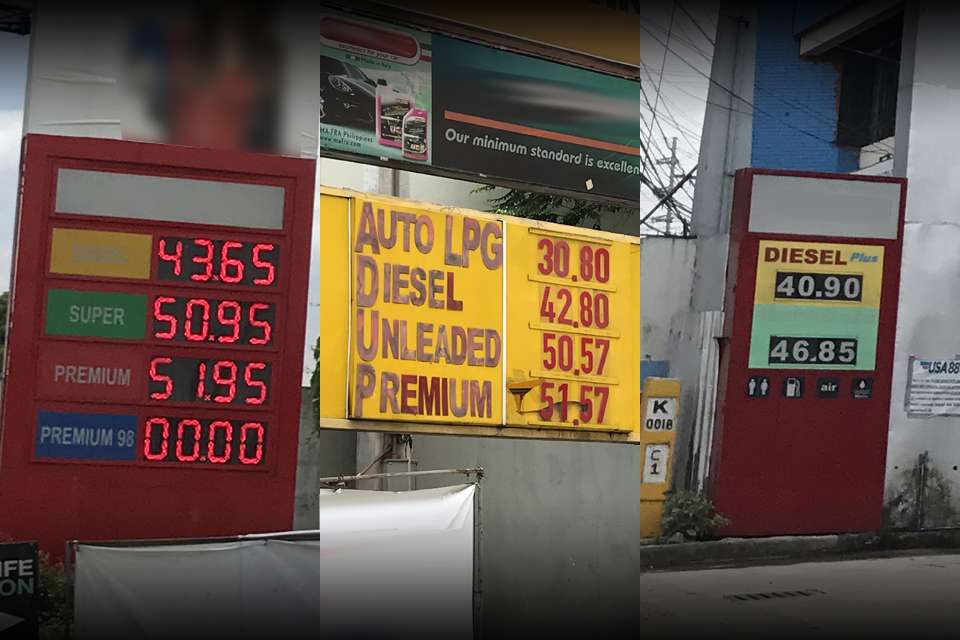
If you're anything like us, you cringe every single time you see the price board as you pass by a fuel station.
Current pump prices are painful. World oil prices, excise taxes, inflation, transportation costs and everything else in between are raising the cost of that precious juice our cars need to get us to and from where ever it is we need to be.
You can save the fuel you already have by making a few adjustments to your driving habits. You could even trade in your car for a more efficient model. But what about finding a way to get the best prices available?
As you may know, not all fuel stations are priced equally. And with a little research, a bit of experience, and some observation, you can get really good deals whenever you fill up your car with fuel.
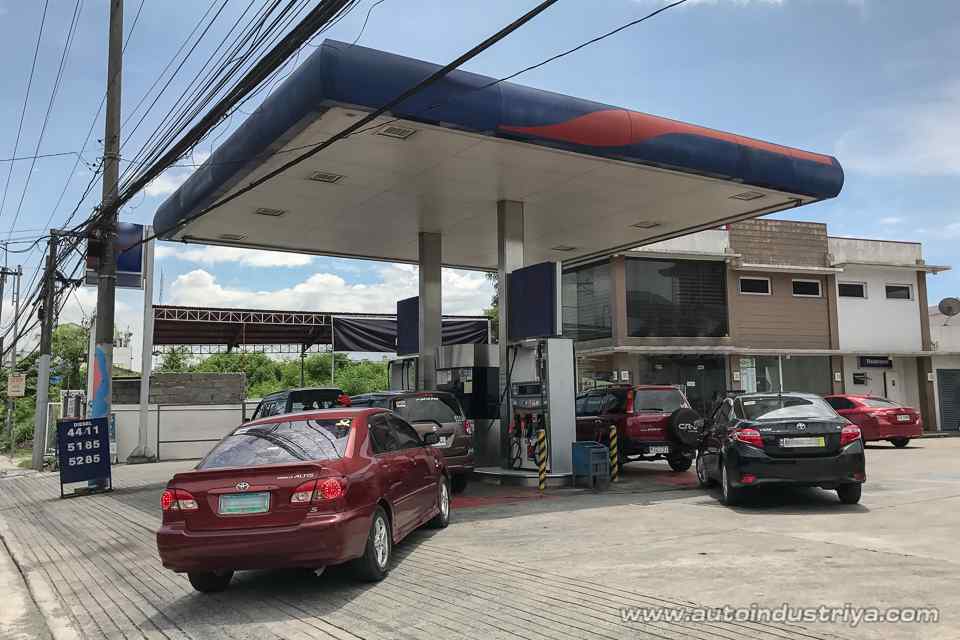
1. Do a little windshield shopping
As you may well know, not all fuel stations are priced equally.
We need to be aware that each fuel company, each retailer, and each location has different pricing strategies, and getting a good deal depends on how observant you are.
One thing the savvy motorist should do is to log on to the Department of Energy's website as they publish the prevalent retail fuel prices at the pump every week (https://www.doe.gov.ph/retail-pump-prices-metro-manila) for the National Capital Region. This alone will give you an idea whether the place where you regularly fuel up is below the price.
But perhaps the most important technique is to just pay attention at the at the fuel price boards of every station on your way to and from the office, school, mall, supermarket, what have you. That alone will give you an idea of which stations have the best prices for fuel. All you have to do is pay attention.
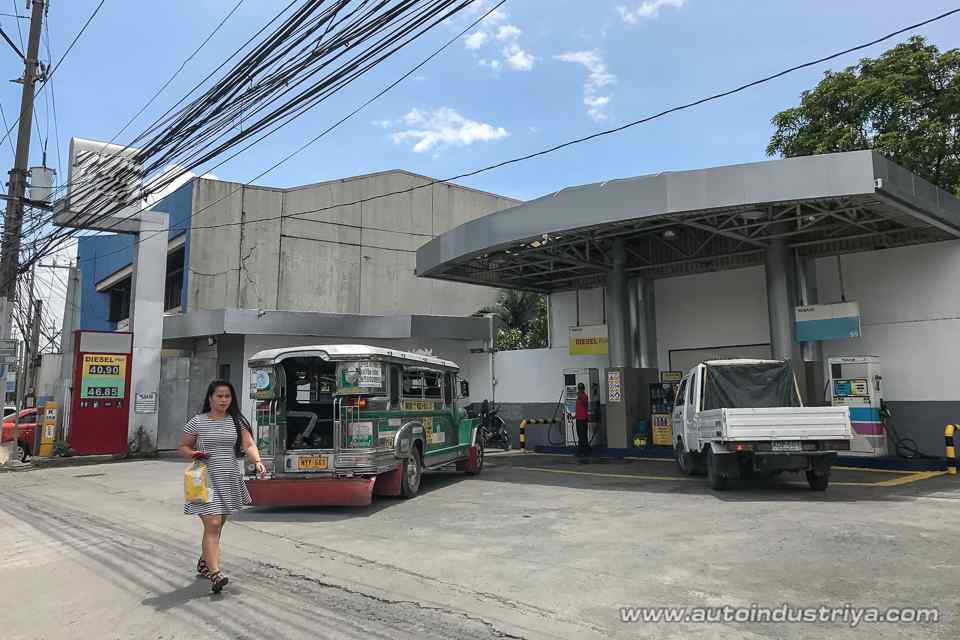
2. The presence of independent players brings prices down
Location, location, location. As with real estate, getting a good deal on fuel depends on where you are.
While many of us swear by the fuel of the big three, their prices tend to follow a rather premium strategy. Being the biggest three retailers of fuel, they have the ability to set their prices as the market standard.
But the presence of independent retailers that compete on the basis of lower prices does have an effect on how individual retailers -including stations from the big three- price their fuel. And that's why you should look for an area that has a lot of fuel stations clustered close together, particularly one with a mix of independent and big three stations. All the players in that area will adjust their pricing strategies to be competitive.
Think of these areas with many fuel stations like a public market. Would you buy meat, fish, or rice from a stall if their advertised price for a kilo of premium rice is 48 pesos, all while the stall behind or beside him is selling the same or similar for 46? The same applies to fuel.
To illustrate, if the typical price per liter of 93 octane was 55 pesos per liter from a big player, the independent players would price significantly lower; say, 50 to 51. The big players will have little choice but to lower their prices not so much to match the competition, but get close to them so as to justify the premium.
That trend gives the power of choice to the consumer; the motorist in this case. These locations are not hard to find; you'll usually see cars queued up (often blocking a lane) to fill up their tanks.
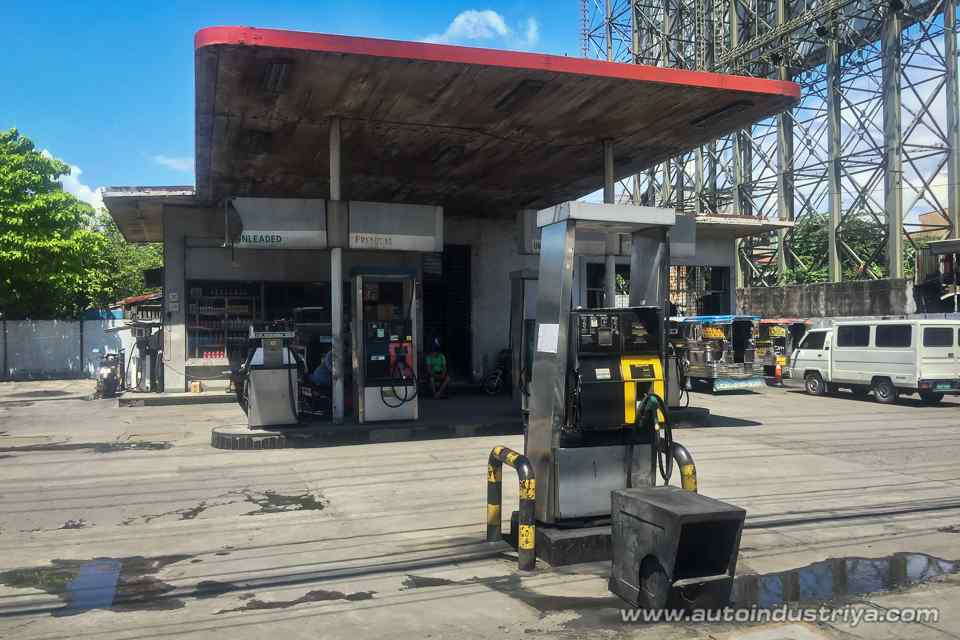
3. Avoid dilapidated fuel stations
Buyer beware: while getting fuel from independent players can save you quite a bit of money at the pump, you also have to evaluate whether the cheap fuel station you've chosen to gas up at is actually well maintained. You have to weigh whether the station is in good order because, quite frankly, any savings you get at the pump will be for naught if you get a tankful of contaminated gasoline or diesel.
Take a look around before pulling in. Is the paint faded or peeling off from the walls? Are the pumps rusted out on their last breaths of life? Is the station located in a flood-prone area? Are there fire extinguishers nearby? Do the pump staff seem competent? Do they even wear uniforms?
Asking yourself these questions before pulling into a fuel station will tell you whether or not you're actually saving money by getting cheap gas, or giving yourself an expensive headache later on.
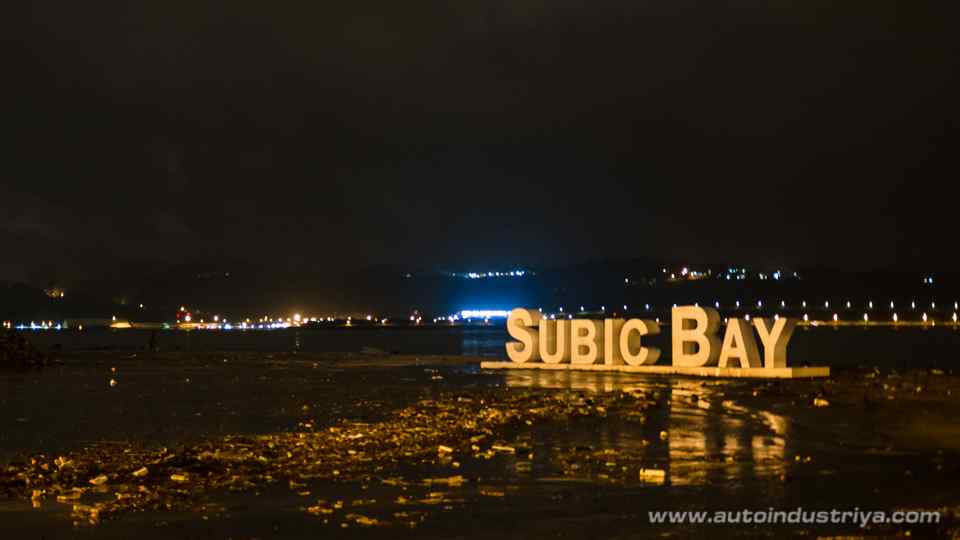
4. Get full tanks at free port zones
If by any chance you're passing through or dropping by the free port zones of Clark in Angeles and Subic in Zambales, it's a good idea to get a full tank when you get there.
The free port status of these areas means that they're exempted from Value Added Tax (VAT) and operate under different economic conditions than the rest of the country. What that means is that players can price fuel to be slightly cheaper than they would normally be elsewhere.
So if your road trip allows you to pass through these free port zones, it's a good idea to fill up your tanks.
The downside is you won't get to use the receipt as VAT input for your business.
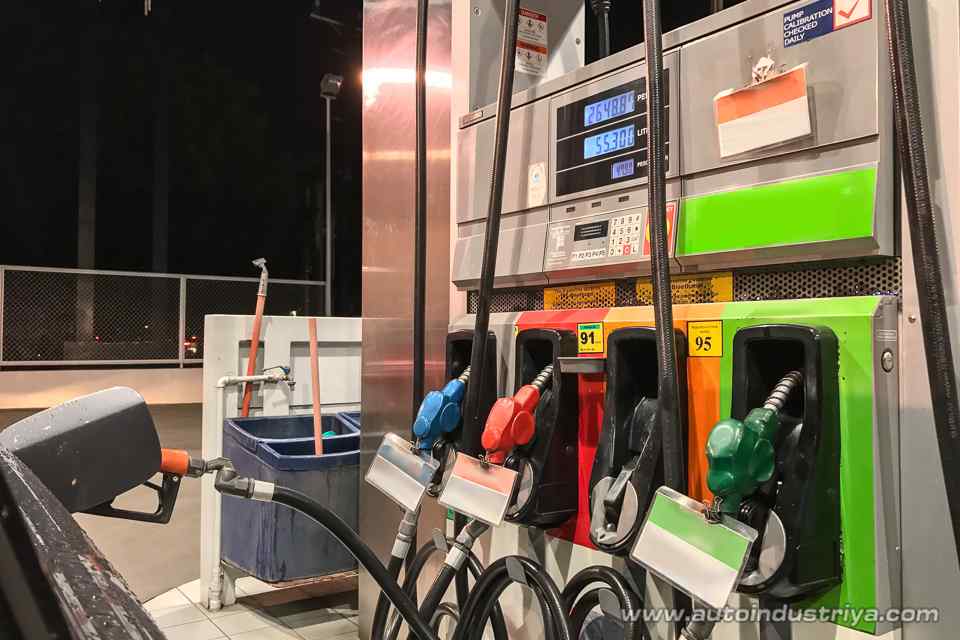
5. Downgrade to the recommended fuel rating
One of the biggest ways you can save on fuel costs is perhaps the simplest: avoid the premium high-octane gasoline or premium diesel if you can.
It's tempting to get the more premium gasoline or diesel for your car. Much like children, we all like to give our cars the very best, and many are willing to pay for a higher grade fuel to scratch that itch.
But here's where the savings would be: there's actually a good chance you're literally just burning up extra cash on premium gas because our cars aren't actually rated to maximize it, particularly the higher octane ratings for gasoline.
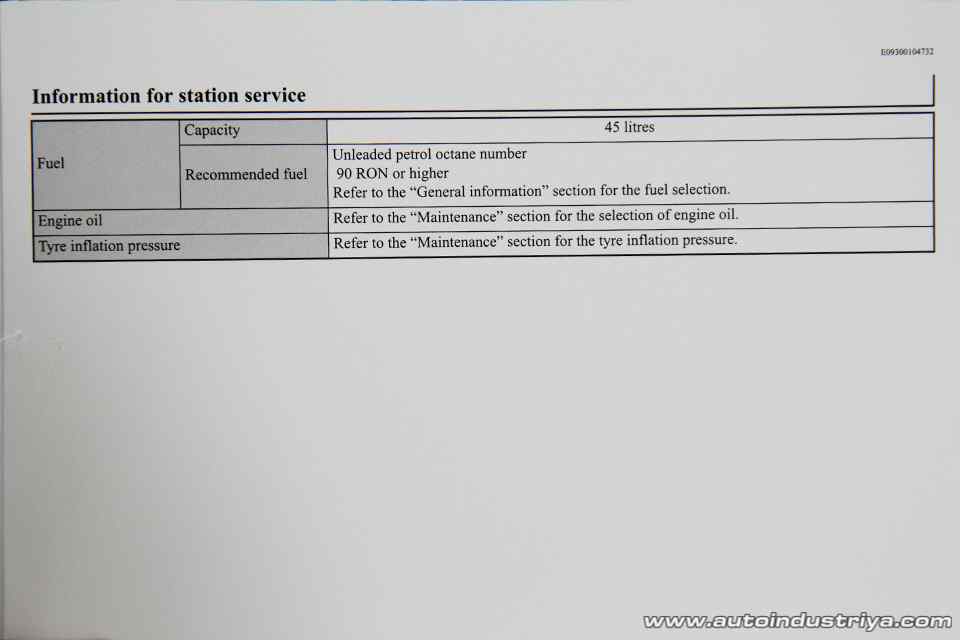
It all really boils down to what the manufacturer of your car recommends, and it's probably lower than what many of us think it would be. All you have to do is check your owner's manual; you know, that thick book in the glovebox many of us rarely read, if at all.
Manufacturers typically recommend 91 RON regular gasoline for many small engines (1.3 to 1.6 liters in displacement), meaning there's a good chance that 95 or 97 RON premium fuel that you've been putting is just going to waste. Based on current prices, you could end up saving 2 to 4 pesos per liter by switching from premium to the recommended regular fuel.
Check your manual. You may end up saving a lot.
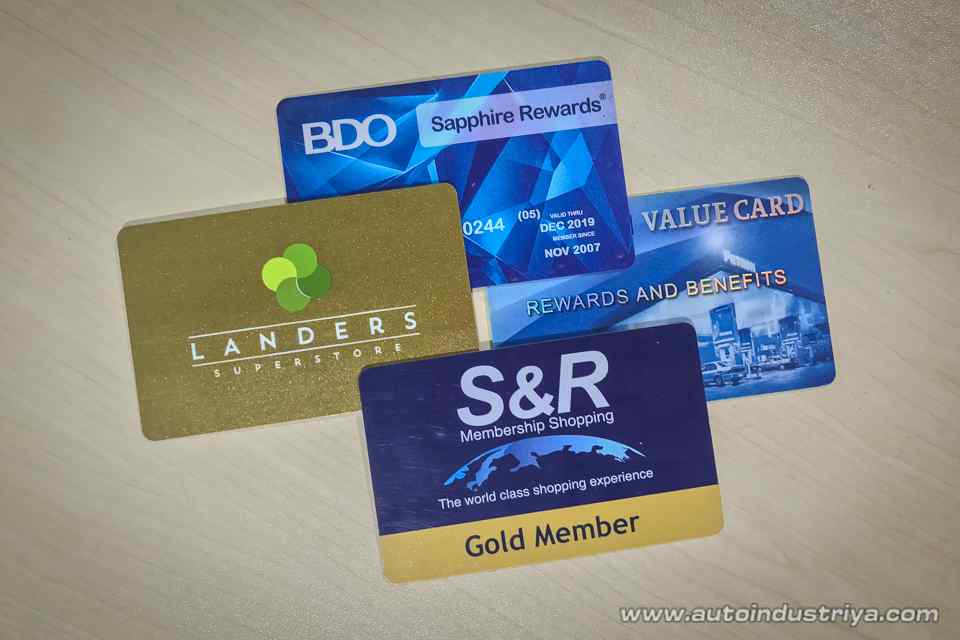
6. Make use of points, special offers, promos
Fuel companies now have their own “frequent fueler” programs or have struck up partnerships with other loyalty cards. These programs are actually quite good, earning you points every time you gas up at their stations; accumulate enough and you can convert the points to fuel.
There are also partnerships with other retailers, particularly with membership shopping. A lot of these partnerships are very useful; get a membership and get anywhere between 2 to 3 pesos off per liter at their partner fuel stations. These may be very well worth the price of admission.
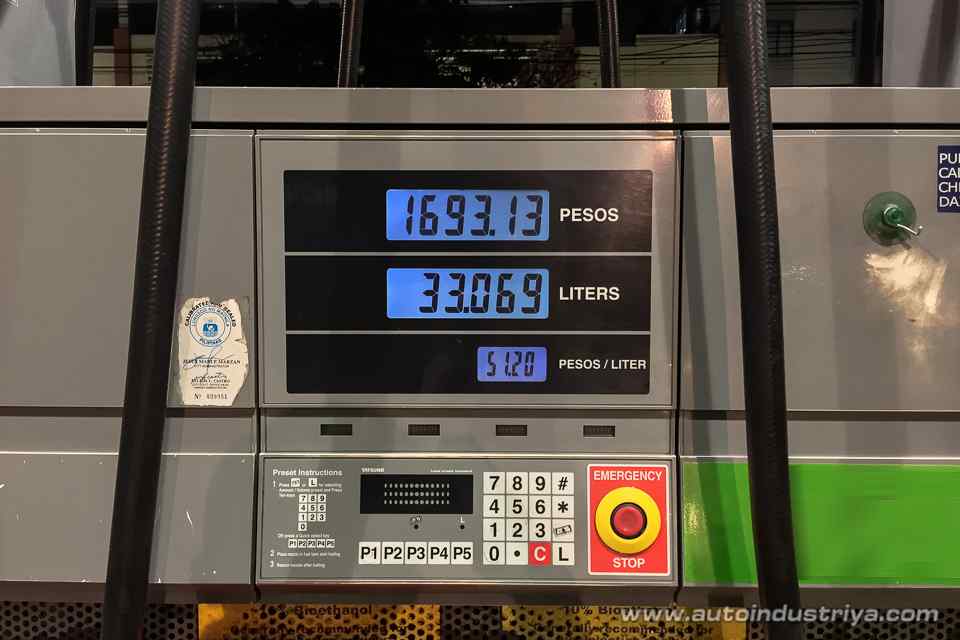
Got any tips to share? Don't hesitate to send them over.
Related Posts

Barely Legal Speed: The Ariel Atom 4RR and its insane power-to-weight ratio
Built to celebrate 25 years of the Atom, the 4RR is the quickest and most powerful production Atom in the model’s history.

MIAS 2026: A shopper's delight for parts, accessories, and tools
The aftermarket section at MIAS showcases options for car enthusiasts to personalize, enhance, and maintain their vehicles

MIAS 2026: What we saw at the Classic and Custom Car Competition
We take a look at some of the entries at this year's MIAS Classic and Custom Car Competition

Six things to plan ahead for 2026 Manila International Auto Show
Heading to the 2026 Manila International Auto Show? Here are some tips to make sure you maximize the experience at World Trade Center

First Impressions: Did 2026 Nissan Kicks e-Power get the right updates?
Did Nissan do enough to keep the Kicks e-Power competitive in the hybrid crossover segment with its new update?

2026 Toyota RAV4 HEV: The promised hybrid?
Is the all-new sixth-generation Toyota RAV4 HEV worth it at a starting price of PHP 2.183M?