
Can Honda CR-V e:PHEV match the diesel version?
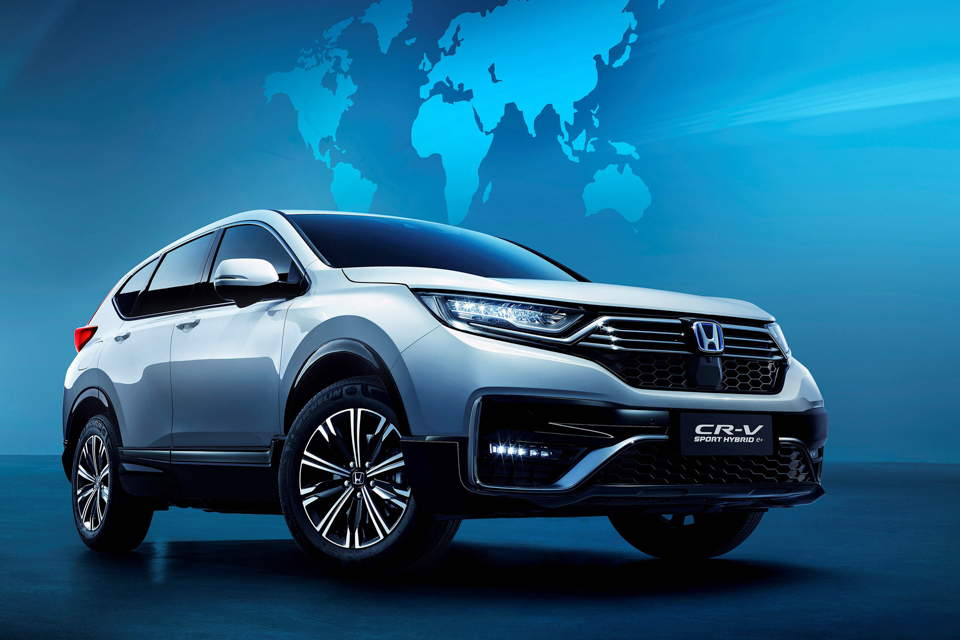
Can Honda CR-V e:PHEV match the diesel version?
Honda CR-V gets plug-in hybrid option for 2021

Plug-in hybrids are rather interesting. You get the benefits of electric power without having to worry about losing charge because of the engine. Not only that, plug-in hybrids can be charged with the vehicle's brakes, or you can charge it yourself by, well, plugging it in. It's a flexible platform too, which is why we're seeing more automakers take this approach.
Honda is one of the many automakers dipping their toes in the PHEV market, and they're doing it with one of their best-sellers, the CR-V. With crossover and SUVs soaring every year, perhaps it's no surprise Honda put this piece of technology in the popular model. It also means that the CR-V has the distinction of having five different powertrain options in its class, namely gas, turbo gas, turbodiesel, hybrid, and plug-in hybrid. But what does this CR-V, dubbed the e:PHEV, have to offer? And, can it match the diesel model?
But first, the stats. The CR-V e:PHEV uses a 2.0-liter engine paired to a 67.5 kW electric motor whereas the CR-V i-DTEC has a 1.6-liter turbodiesel. The combined output of the CR-V e:PHEV is rated at 184 PS, which is significantly higher than the diesel's 120 PS rating. The plug-in hybrid even outmatches the diesel for torque with the e:PHEV pulling 315 Nm, 15 Nm more than the diesel. Of course, it doesn't mean that the e:PHEV will be faster than the diesel since electric motors and battery packs do weigh a lot. On the flip side, the additional torque could help the PHEV version get off the line quicker than the diesel.
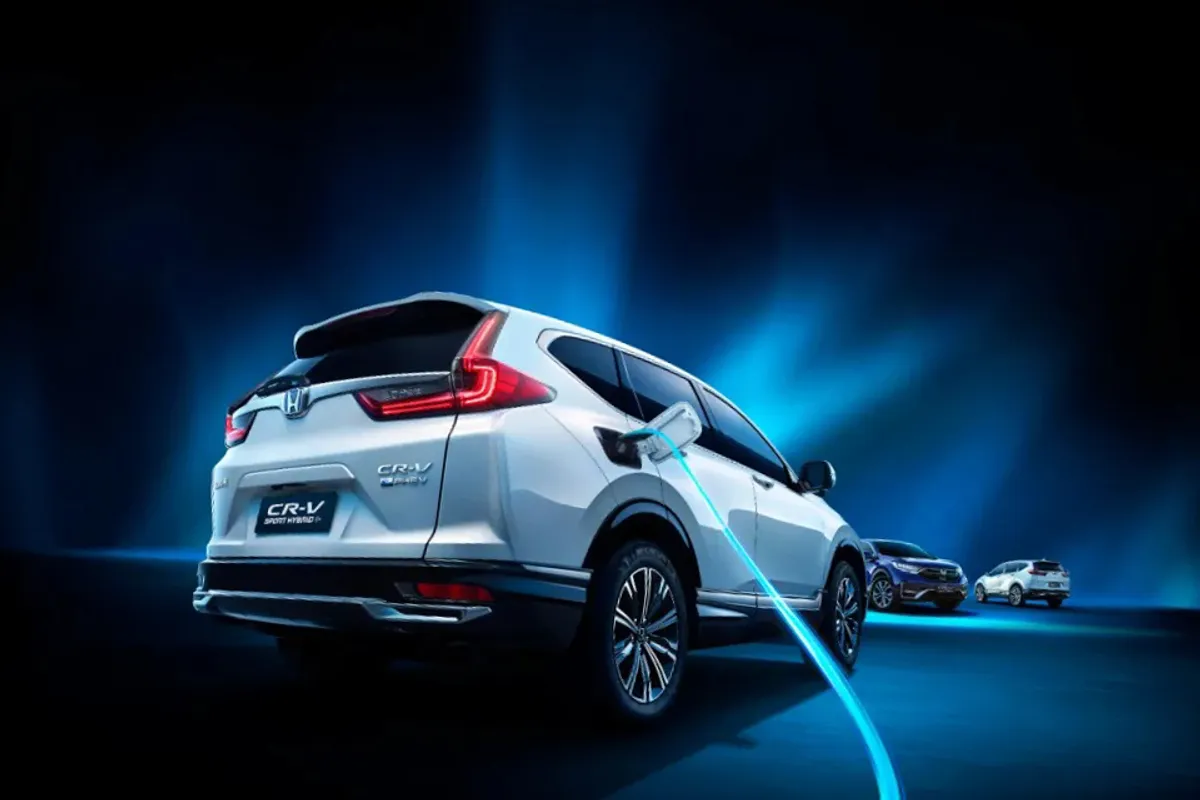
Of course, hybrids and diesels have fuel economy in mind over outright performance, so how do the two compare? In our testing, the diesel CR-V managed 20.1 kilometers per liter on the highway and 10.5 kilometers per liter around the city. As for the e:PHEV, Honda hasn't declared economy ratings just yet, but it does have the same mechanicals as the CR-V Hybrid. According to Honda, that model does 20.4 kilometers per liter, which doesn't sound like a big advantage over the diesel. However, that claim is for mixed driving conditions which includes both city and highway driving. With the plug-in system, that figure might be slightly higher than the standard hybrid model. But the e:PHEV's trump card is its ability to drive in pure electric mode. The electric-assisted CR-V can drive up to 80 kilometers without the engine turning on, which should extend the range even further.
So yes, the e:PHEV can match the diesel in terms of performance and economy, but is it worth the trade-off? Perhaps if you spend more time in the city, the pure EV mode of the e:PHEV will work in your favor. But for longer drives, it seems that the diesel still has its advantages. But until Honda releases the official fuel economy figures for the e:PHEV, the plug-in and the diesel are about on par with each other.
Related Posts
1200 HP Ferrari F80 flagship gets hybrid recognition from DOE
Ferrari F80 has officially been recognized as a hybrid electric vehicle
This is the all-new 2026 Toyota RAV4
The most powerful version of the all-new RAV4 makes 324 PS

This is your first look at all-new Toyota RAV4
The latest generation Toyota RAV4 is all set for its global debut
Should Geely PH bring the Emgrand i-HEV?
Geely's stylish sedan is all-new and gets a hybrid upgrade
Toyota Corolla Altis to go full hybrid in PH this 2026?
It looks like the Toyota Corolla Altis will soon be offered only as a hybrid electric vehicle
Geely Monjaro EM-i flagship PHEV to make PH debut in Oct 2026
After the EX5 EM-i, Geely Motor PH to reveal Monjaro EM-i PHEV next