
JPEPA: PH proposes scrapping Japan 3.0L rule for duty-free bananas
JPEPA: PH proposes scrapping Japan 3.0L rule for duty-free bananas
DTI seeking to eliminate tariffs on PH bananas exported to Japan

A few days ago, the Philippines and the European Union reached a substantial deal on creating a Free Trade Agreement, which aims to open new opportunities for trade and investment between the two parties, potentially benefitting the automotive industry as well.
Little did we know, however, that the Department of Trade and Industry (DTI) was actually also working out another deal in lowering trade barriers with another country. Based on a report by the Philippine Daily Inquirer, the country is seeking to eliminate tariffs imposed on Philippine bananas being exported to Japan.
Specifically, the negotiations are about amending the Japan-Philippines Economic Partnership Agreement – the country’s first bilateral FTA that was signed in 2006 and implemented in 2008. This covers trade agreements in goods and services, investments, movement of people, economic cooperation, including the automotive industry.
Based on the existing JPEPA, Philippine bananas face duties of as much as 18%. But despite that, Philippines holds a dominant share of banana imports, supplying about 80% of Japan’s annual shipments. The country wants to lower import duties to keep Philippine bananas competitive in the global market, as other exporters such as Thailand and Vietnam are already experiencing lower or even zero tariffs in sending their produce to Japan.
In exchange for lowering or removing tariffs on bananas, DTI Secretary Cristina Roque says the Philippines will be willing to slash tariffs on Japanese car imports. Under the current JPEPA, only vehicles with engine displacements exceeding 3000cc qualify for tariff exemptions, while pure combustion engines with lower displacements are subject to a 20% tariff.
This is not the first time that Philippines offered bananas in exchange for cars, as the country made the same deal with South Korea when the two countries signed a new FTA in 2024.
Most Japanese cars are already exempt from import duties, especially those made from the ASEAN region such as Malaysia, Indonesia, and Thailand. Electrified vehicles from Japanese brands made outside the ASEAN region are also exempt from import duties thanks to the EO that amended the clauses in the EVIDA law. That said, brands like Subaru and Mazda source out their vehicles directly from Japan, and most of their models are still subject to the 20% tariff.
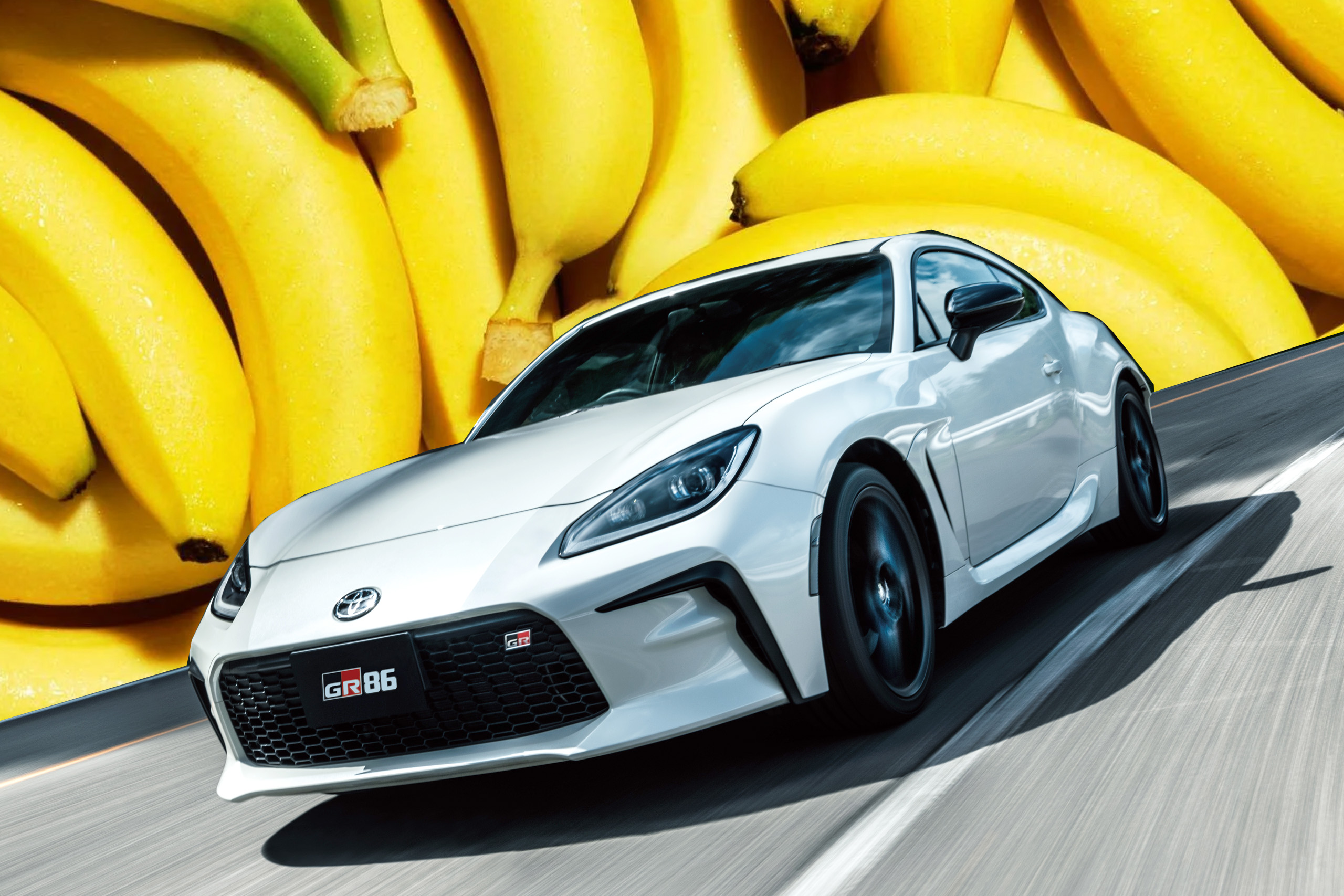
Should the deal push through, Subaru and Mazda should be able to price their cars more competitively in the market. That also includes some Toyotas such as the Land Cruiser Prado, the GR Yaris, GR Corolla, and GR 86.
On the other hand, the duty-free access of bananas to Japan could further strengthen the Philippines’ position in the global banana market. Currently, the country is ranked as the second-largest banana exporter behind Ecuador.
According to Secretary Roque, if everything goes as planned, the revised JPEPA could be signed in November.
Related Posts

Bike, then commute: DOTr, Muntinlupa LGU open bicycle parking facility in Alabang terminal
DOTr, Muntinlupa LGU open PHP 16.1M end-of-trip bike facility in Alabang
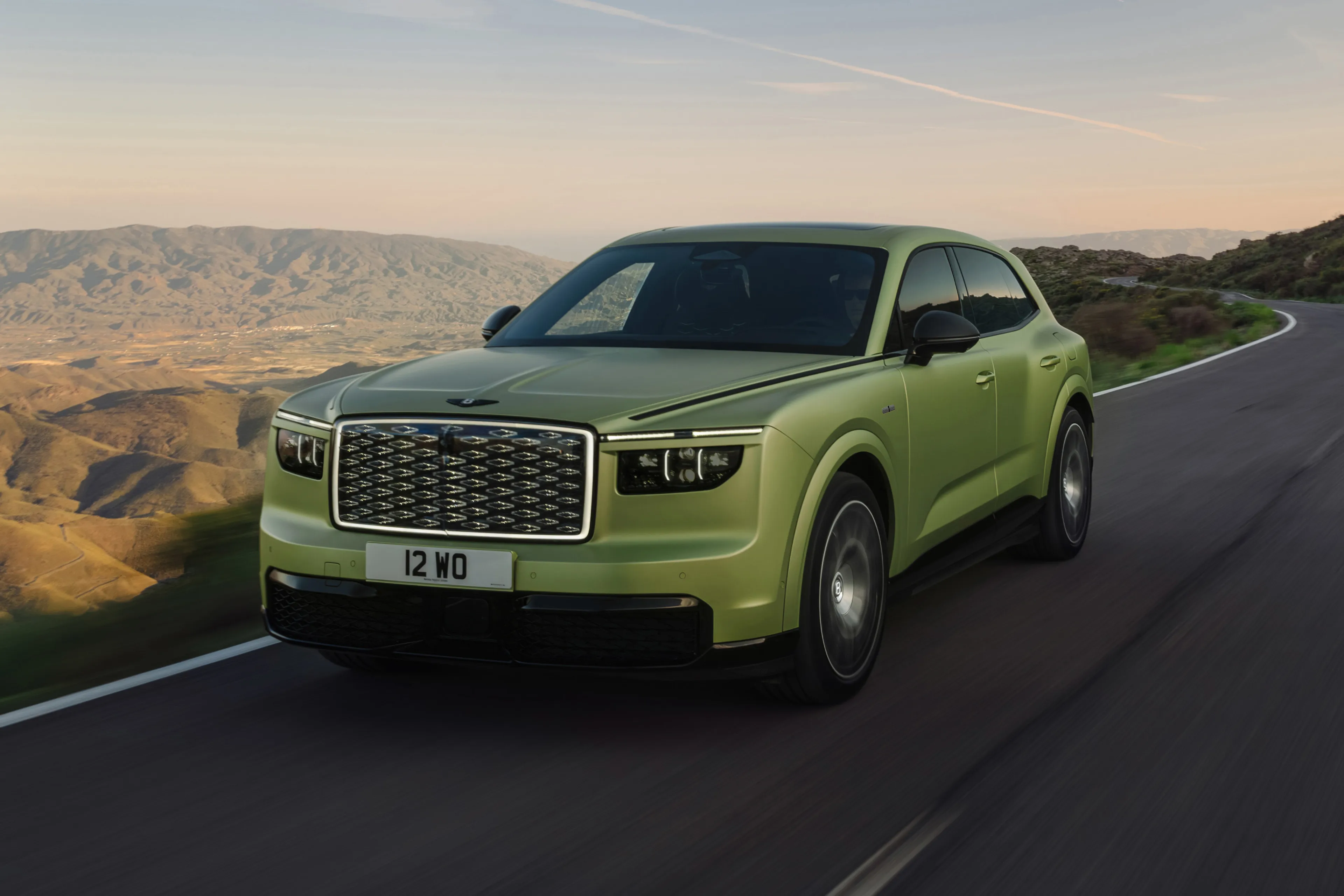
2028 Bentley Torcal makes grand entrance to ultra luxury BEV segment
Bentley Torcal offers up to 888 PS, 1,350 Nm of torque, and range of up to 600 kilometers
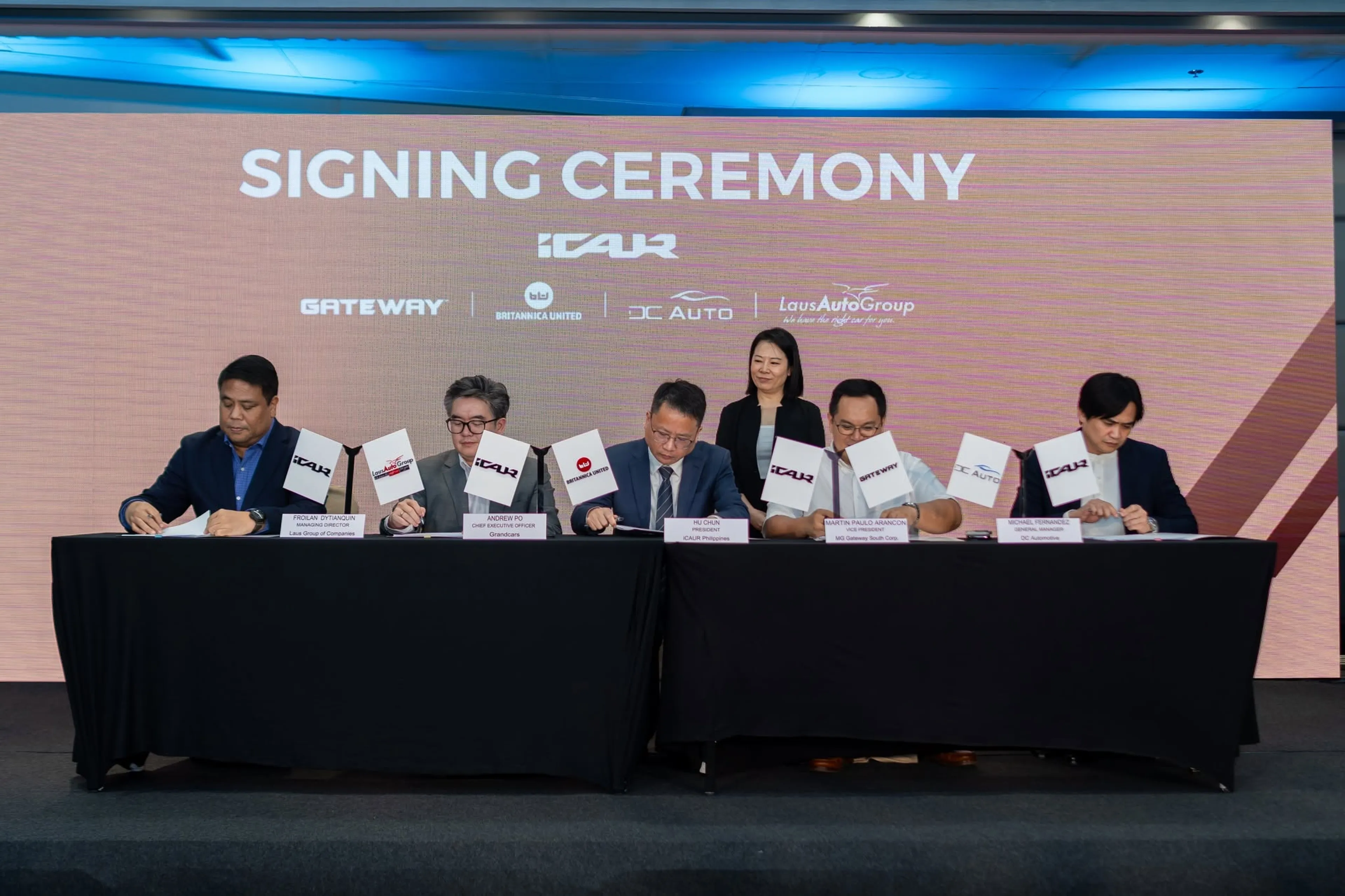
iCAUR Philippines signs four founding dealer groups ahead of local debut
iCAUR Philippines has formally signed MG Gateway Group, Brittanica United Laus Auto Group, and DC Automotive as its founding dealer partners ahead of its official market entry.
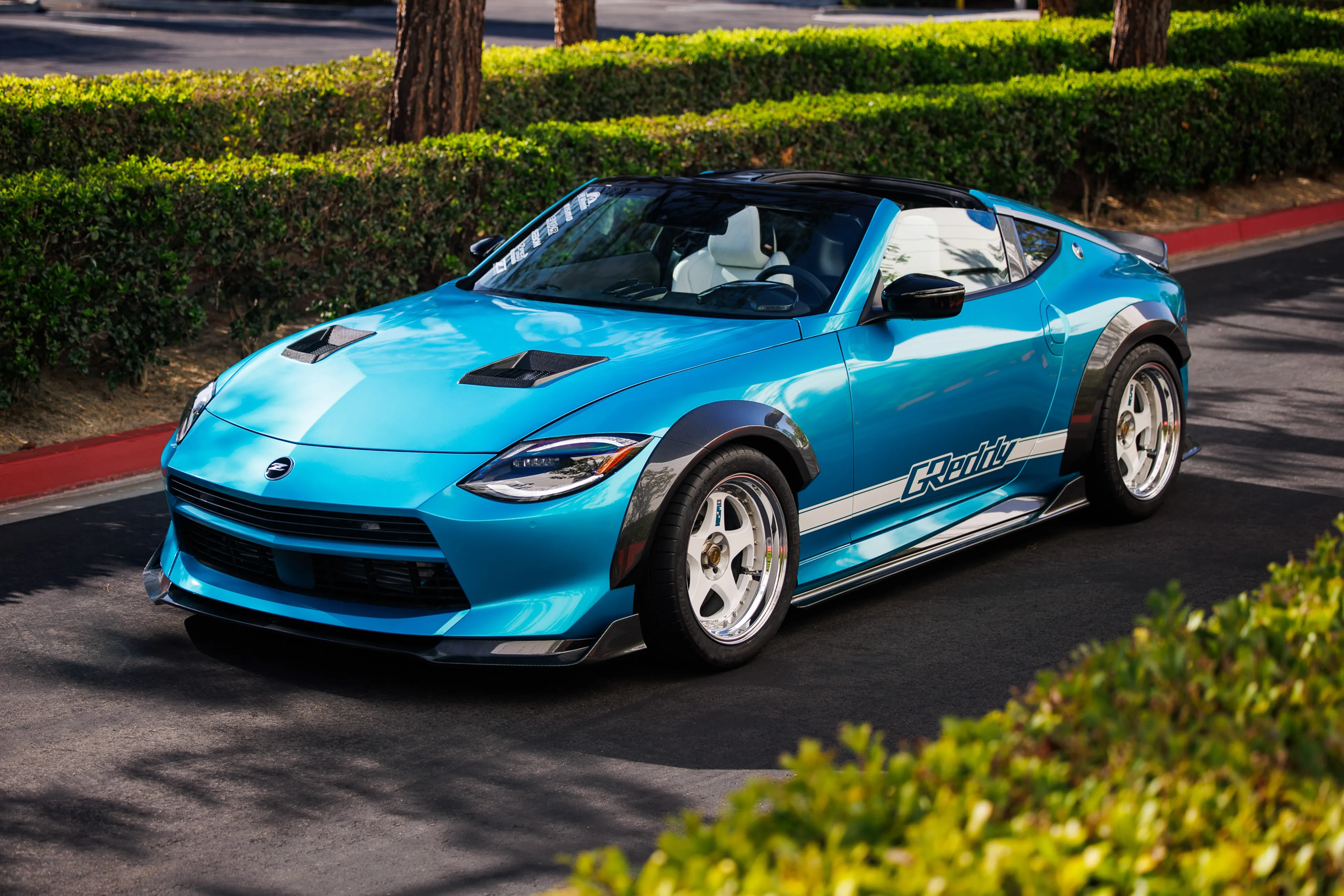
T-Top Beauty: Nissan Z Kaze Concept revealed
Would a T-Top roof work for the Nissan 400Z?
DOF OKs LPG, kerosene excise tax cuts, but not gas, diesel
DOF says PH to lose PHP 12B per month revenue loss if gas, diesel excise tax is suspended
Geely launching its own flash charging tech; 10 to 70% in 4 minutes
Geely looking to one-up BYD with its 2.2MW charger that allows 4-minute EV charges