
Automotive trade between PH, EU set to benefit from new FTA
Automotive trade between PH, EU set to benefit from new FTA
Philippines, EU secure free trade agreement

Vietnam and Singapore are currently the only Southeast Asian countries that have a free trade agreement with the European Union. But soon, the number will go from two to three.
The Philippines and the European Union have reached a substantial agreement on a free trade deal, opening new opportunities for trade and investment between the two sides. The agreement was announced by EU Commissioner for Trade and Economic Security Maroš Šefčovič and Trade Secretary Ma. Cristina Roque following a conference call, with negotiating teams on both sides set to finalize the fine print of the deal.
The agreement is expected to mutually benefit both markets, as the deal could reduce trade barriers and improve market access for businesses on both sides, including micro, small and medium enterprises (MSMEs), farmers, manufacturers and consumers. For the Philippines, that means greater access to the EU market for locally produced goods and services, while European companies gain improved access to one of Southeast Asia's larger consumer markets.
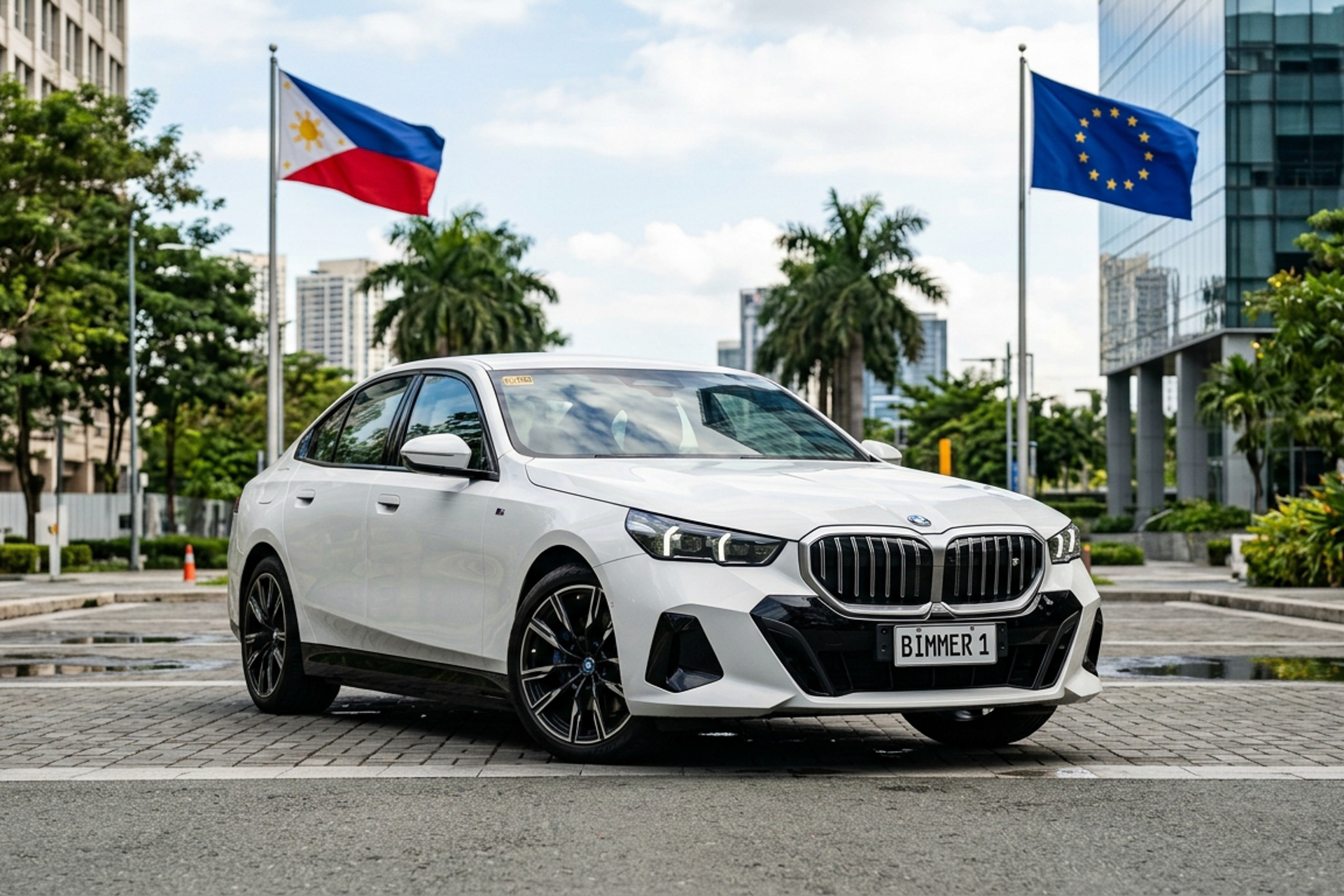
For the automotive industry, the potential impact is particularly interesting as European-made vehicles currently face a different tariff environment from brands benefitting from existing Philippine trade agreements. Depending on the final tariff schedules agreed upon by both parties, the automotive provisions could have a direct effect on the price and competitiveness of European cars in the Philippines.
Likewise, the benefits could also extend beyond completely built-up (CBUs) vehicles. Lower trade barriers for automotive components could make it easier for European suppliers to do business with Philippine manufacturers and distributors, while potentially opening opportunities for local suppliers to become part of European-linked supply chains.
For car buyers, the most visible effect of this FTA could eventually be greater competition in the market. If tariffs on European vehicles and parts are reduced, European brands could have more room to compete on pricing, specifications and model availability.
However, that does not automatically mean every European car will become cheaper, since final retail prices will still depend on the agreement's tariff schedules, excise taxes, VAT, logistics costs, exchange rates and manufacturers' pricing strategies.
European Commission President Ursula von der Leyen says she is looking forward to returning to the Philippines in 2027 to sign the FTA.
Related Posts
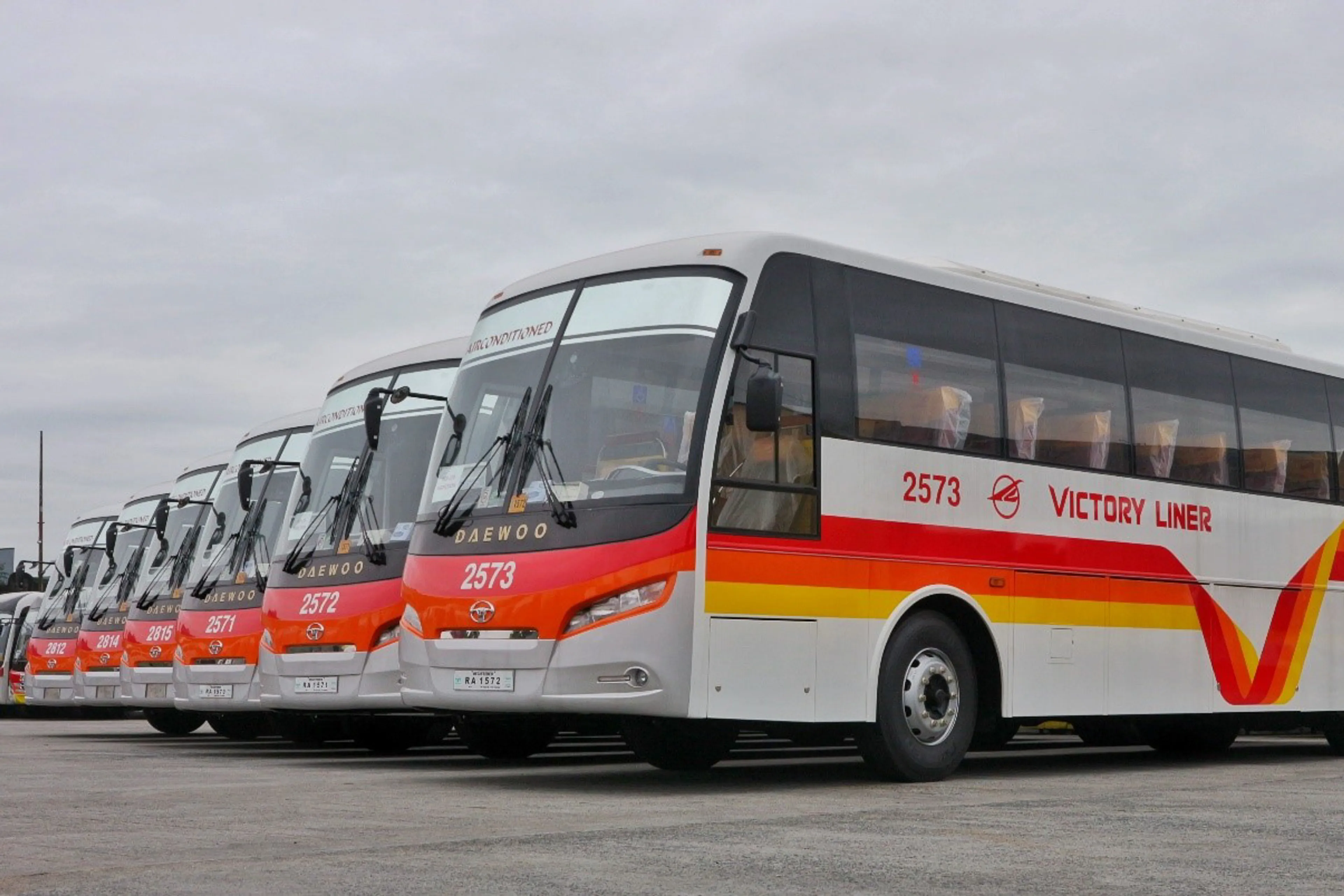
Bus operators urge gov’t to lift fare hike suspension amid rising fuel costs
Bus operators under increasing financial pressure as fuel costs continue to rise

Toyota GR Yaris Rally1 is now the winningest car in WRC history
The GR Yaris Rally1 has now amassed 47 WRC rally victories, edging past the legendary Lancia Delta Group A, which recorded 46 wins during its dominant era in the championship.
Volkswagen restructure could slash another 4,100 Porsche jobs
Porsche could face another 4,100 job cuts as parent company Volkswagen pushes ahead with its massive restructuring plan, according to German business daily Handelsblatt.
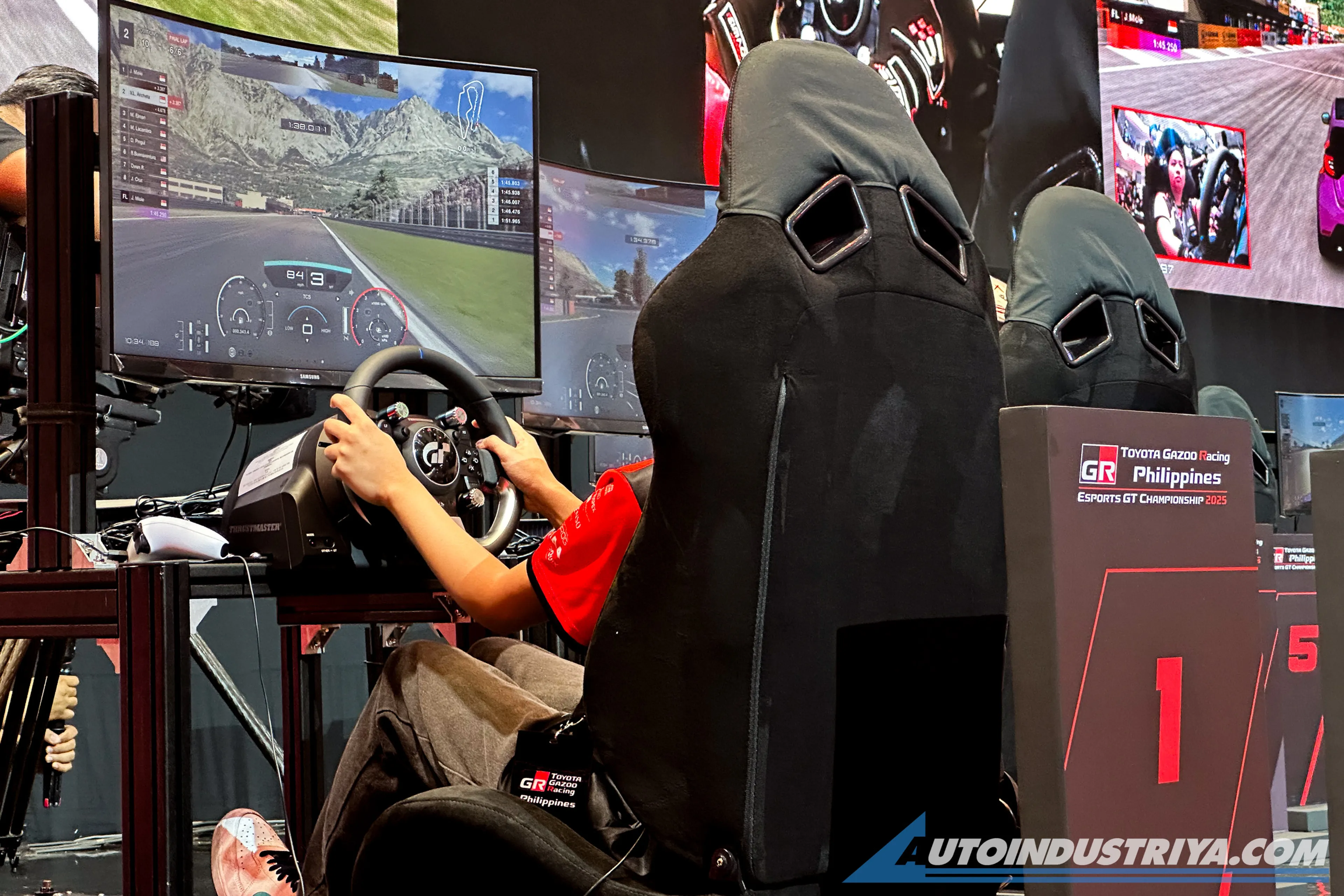
Toyota PH announces Top 20 finalists of 2026 TGR Esports GT Championship
Toyota Motor PH names the 20 players participating in 2026 TGR Esports GT Championship National Finals

Vingroup jumps 477 spots to No. 340 in TIME World’s Best Companies 2026
The Vietnamese conglomerate improved across key ranking measures.
Kia EV3 debuts with over 500 km of range, intro price of PHP 1.868M
After launching the EV9 and EV5, Kia Philippines reveals the EV3 as its smallest EV yet