

When it comes to B-SUVs, Mitsubishi has had to contend with its own product and pricing strategies in the Philippines. Sure, they had the ASX, but it was quite expensive because it was at the smaller end of the C-SUV market and came all the way from Japan. PHP 1.3 million for an ASX in 2010 was a tough ask, and if you wanted the AWD SE variant, you had to cough up PHP 1.548 million in 2011. They revised their strategy with lower prices in 2015-2016, but buyers had other, more affordable choices to choose from that came from Southeast Asia.
They found better (albeit measured) success with the XForce. It was initially launched in GLS and GT variants, and while it had sleek looks, impressive refinement, and a feature-packed cabin, it was also quite pricey despite being built and sourced from Indonesia. In fact, the GLS is now selling for PHP 1.299M, while the range-topping GT has a sticker price of PHP 1.661M.
Mitsubishi had a predicament on their hands with the XForce. So what to do? Introduce a new base variant called the GLX. With a retail price of less than PHP 1.120M, the XForce GLS is now more attainable to interested buyers who want an affordable B-SUV. But is it enough to attract loyal Mitsubishi customers from the new wave of affordable Chinese hybrids and EVs, or has the ship sailed?
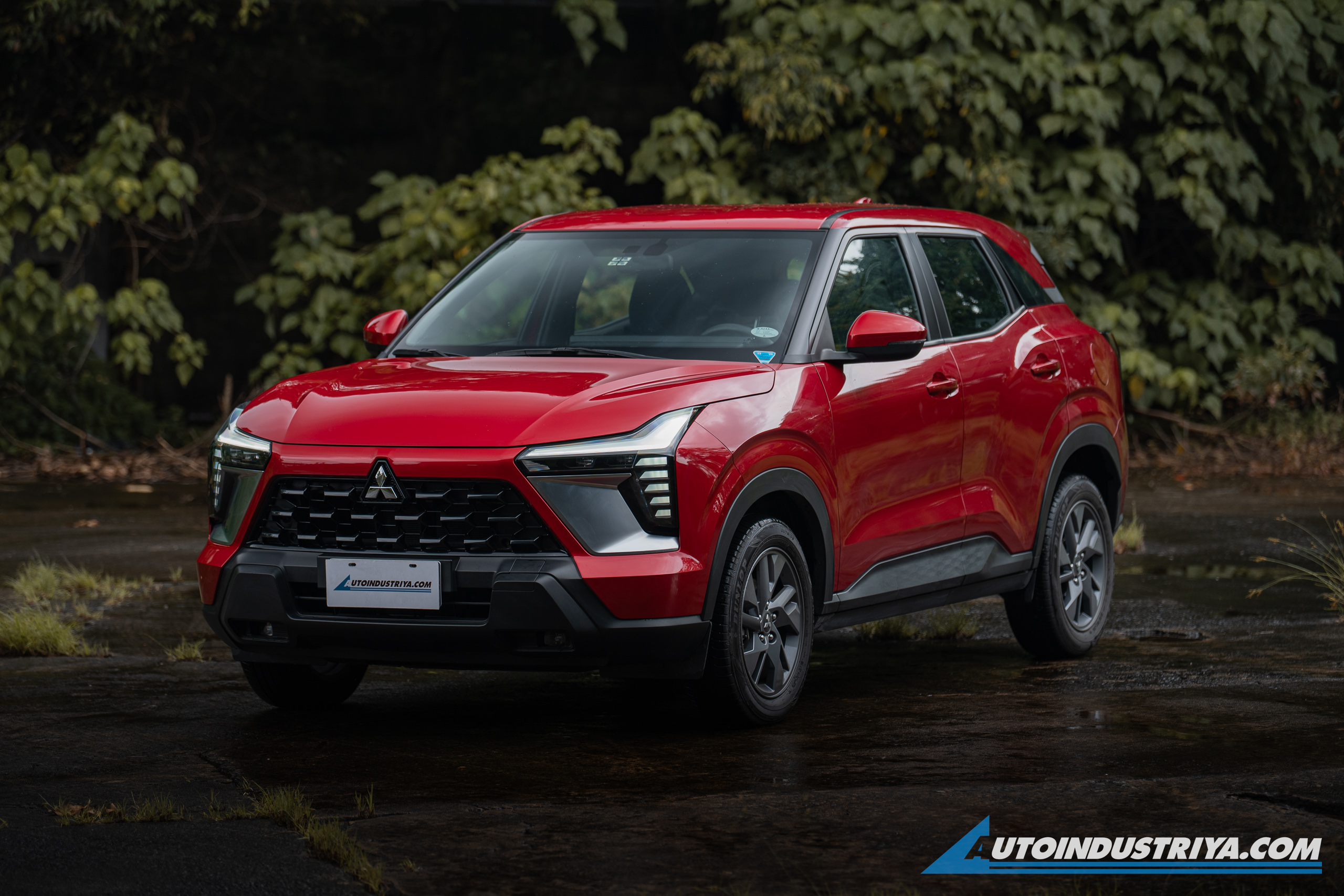
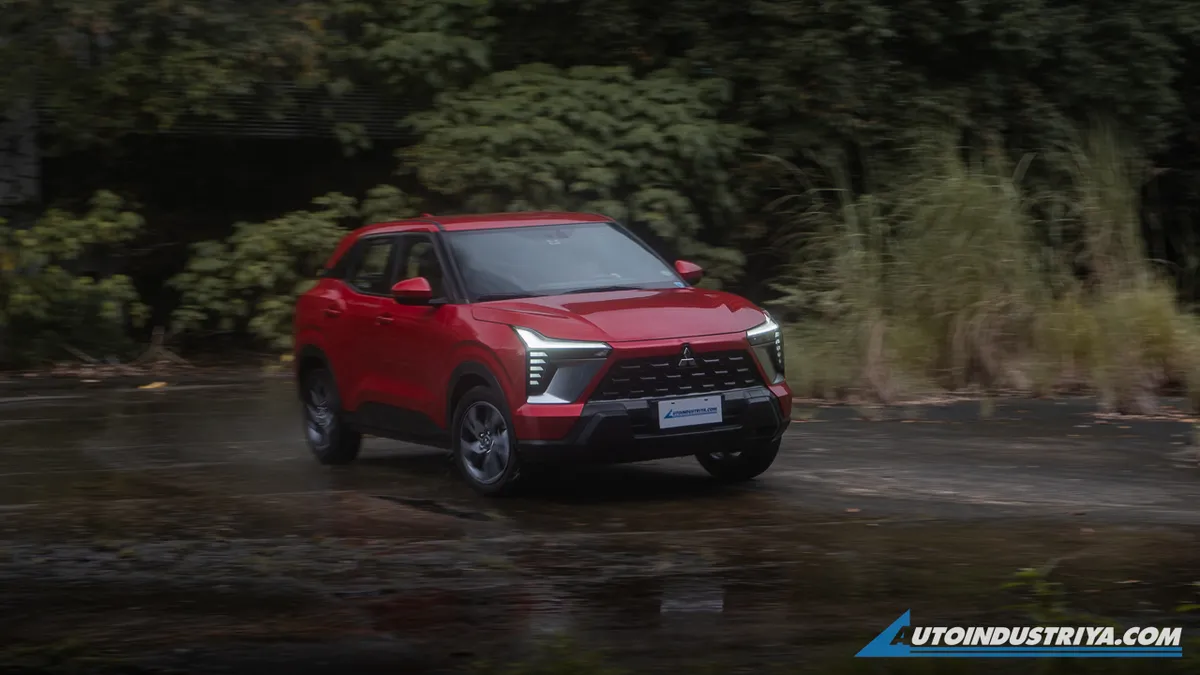
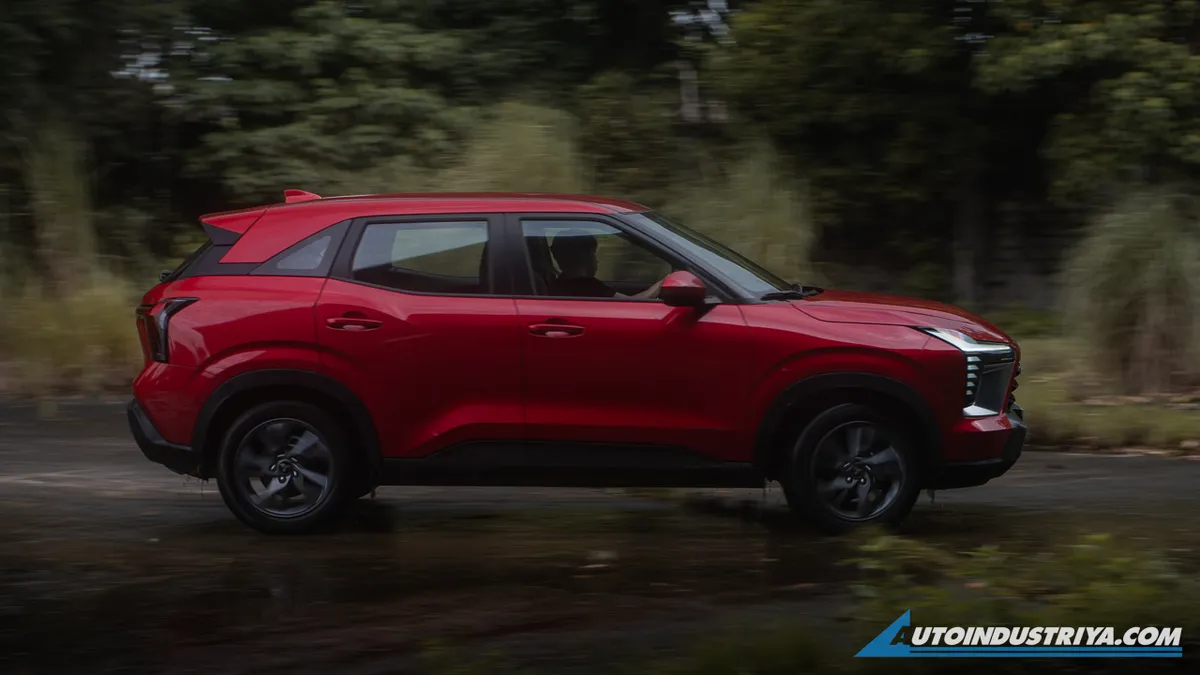
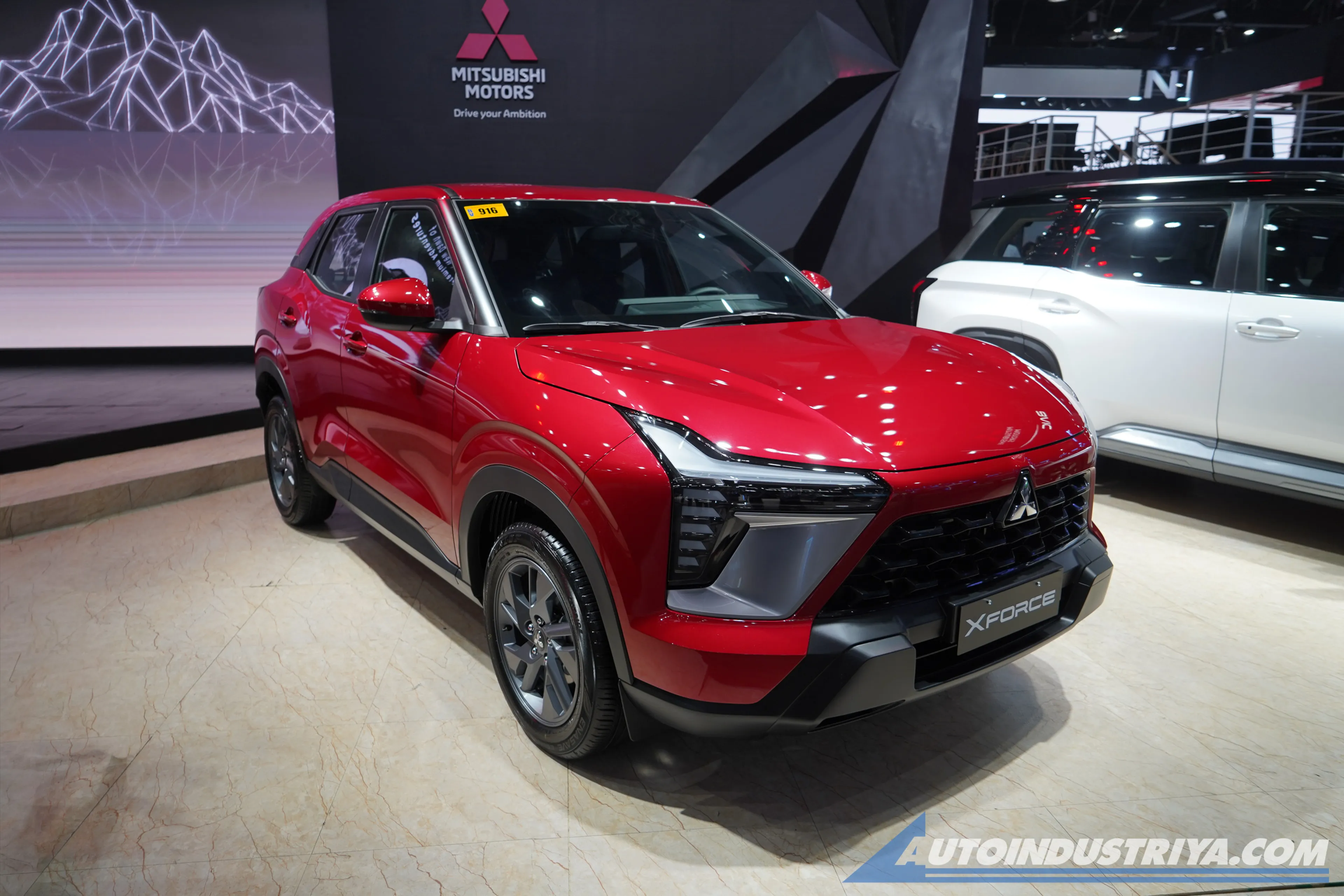
The design remains as sleek and suave as ever, especially in this eye-catching shade of Red Metallic exclusive to the GLX. Combined with the black body cladding on the bumpers, wheel arches, and rear bumpers, the new Red Metallic paint gives the GLX a more dynamic look.
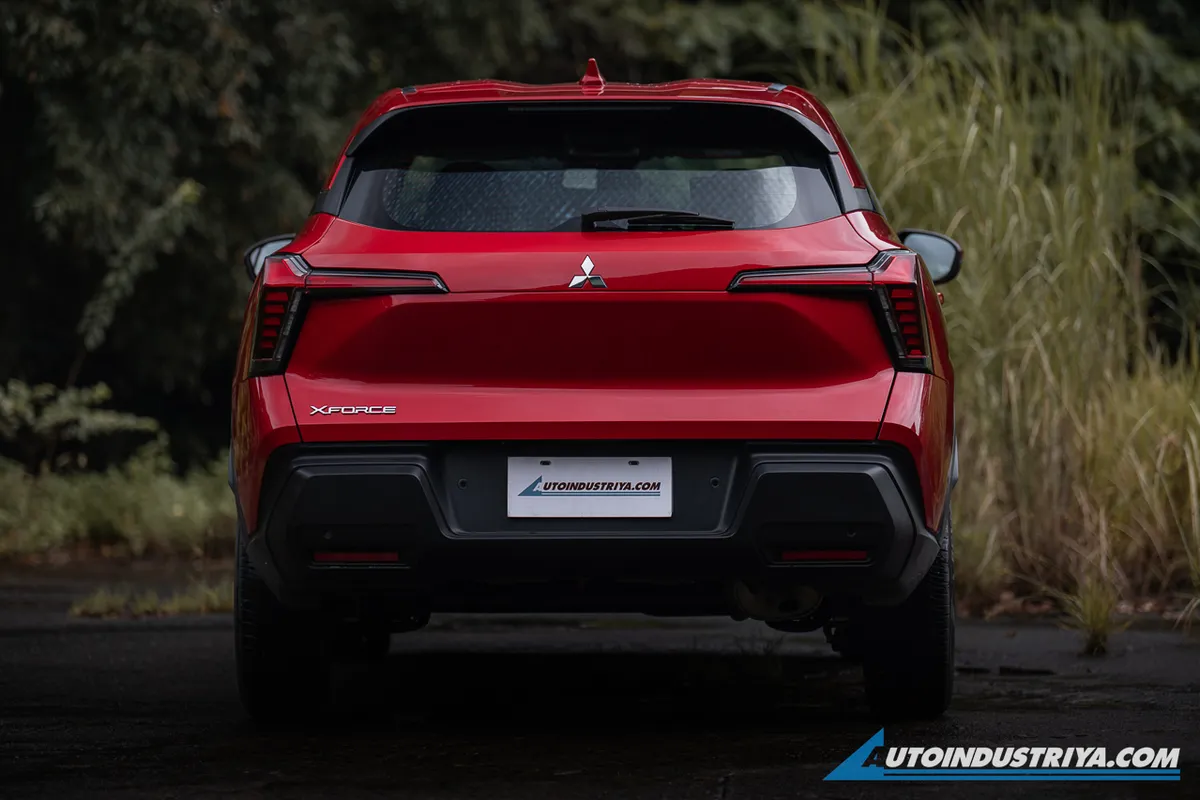
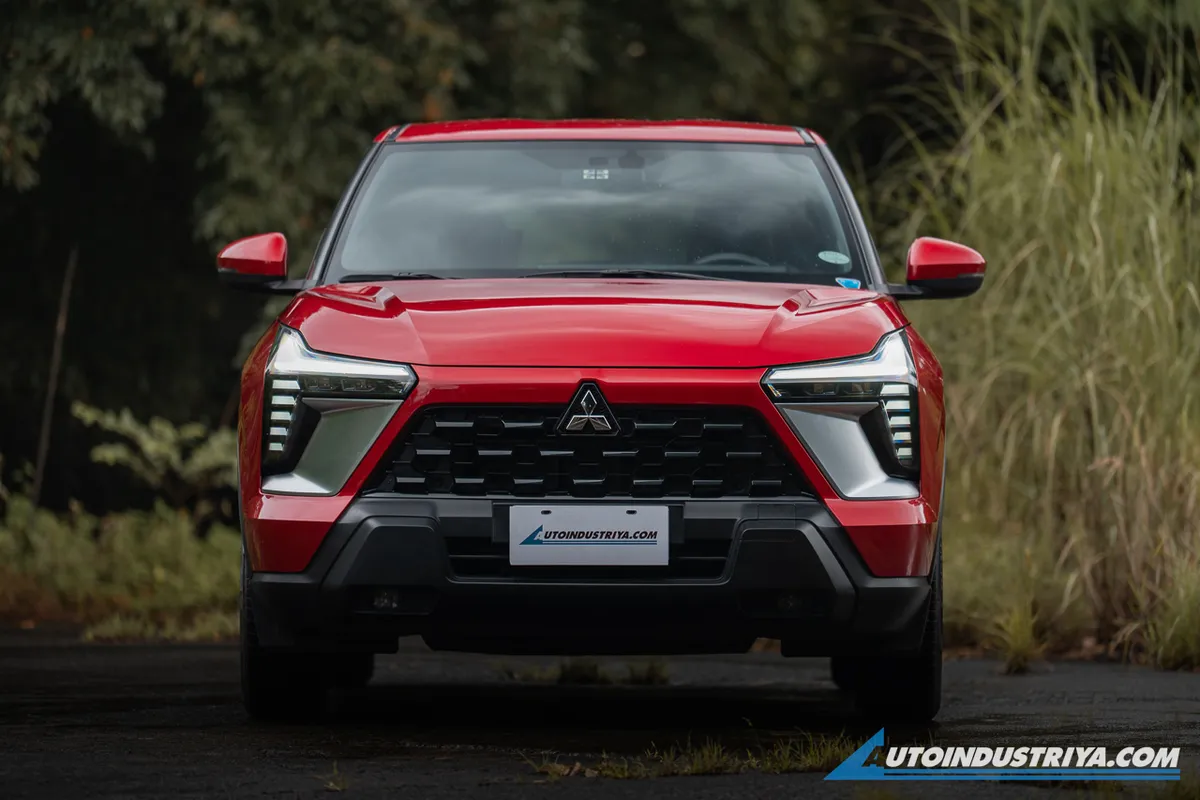
Speaking of dynamic, the GLX still comes with the "Thor" LED headlights, daytime running lights, and a gloss black grille, which serves as a striking contrast against the predominantly red exterior. Even the stylish LED taillights and tailgate spoiler were carried over to the GLX, despite being an entry-level version, which helps preserve its upmarket look.
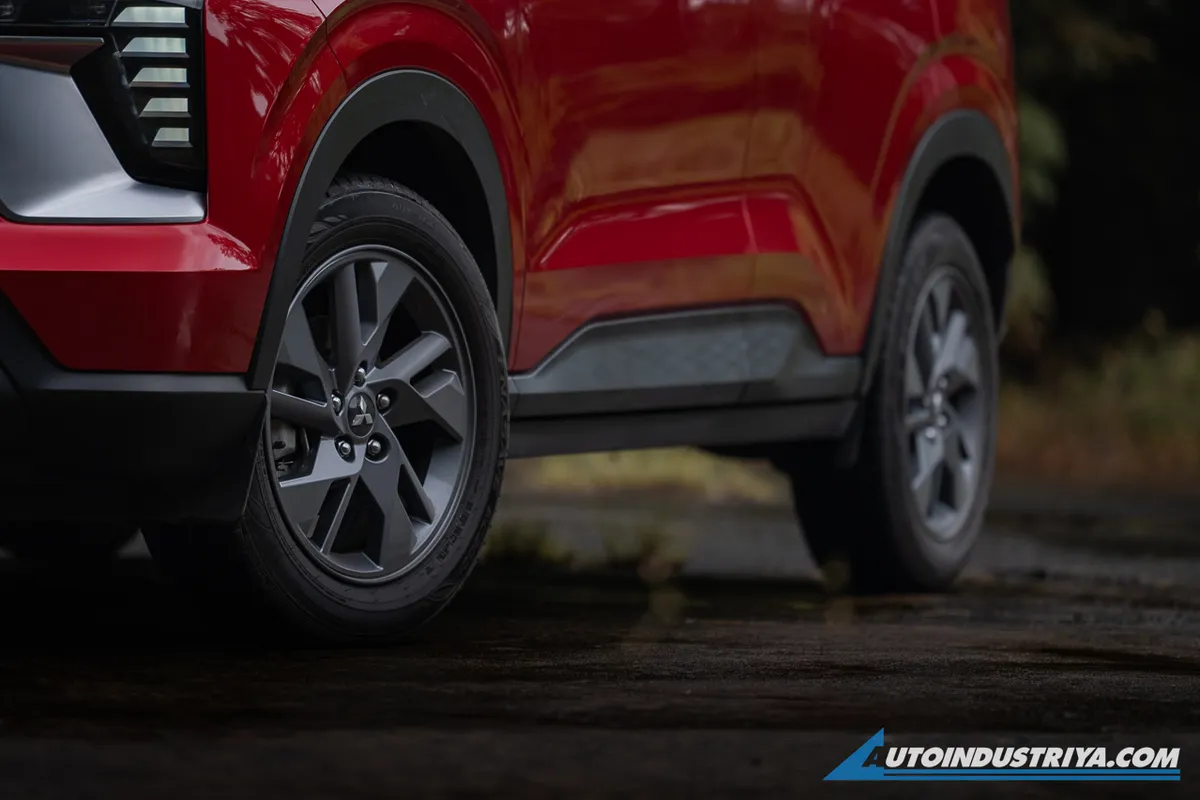
Since the GLX serves as the base model of the lineup, Mitsubishi had to change some aspects of the exterior. It only comes with 17-inch alloy wheels finished in gray and wrapped in 205/50 series tires. In comparison, the GLS and GT models get bigger 18-inch alloys with wider 225/50 series tires.
Also gone is the smart keyless entry & locking, which is standard on the GLS and GT models. This means that every time you need to enter or lock the XForce GLX, you have to use the key fob instead of just pressing the button on the door handle. It’s the unfortunate caveat of going with the base model in the likes of the XForce GLX.
6 photos
Inside is where the changes are more apparent. Gone is the digital instrument panel, and in its place are traditional dual analog gauges that show the tachometer and speedometer. Sitting between the two gauges is a digital multi-info display that can show the tripmeter, fuel economy meter, and other key driving information. Call me old school, but nothing beats traditional analog gauges, and them being present in the XForce gives the GLX a special charm.
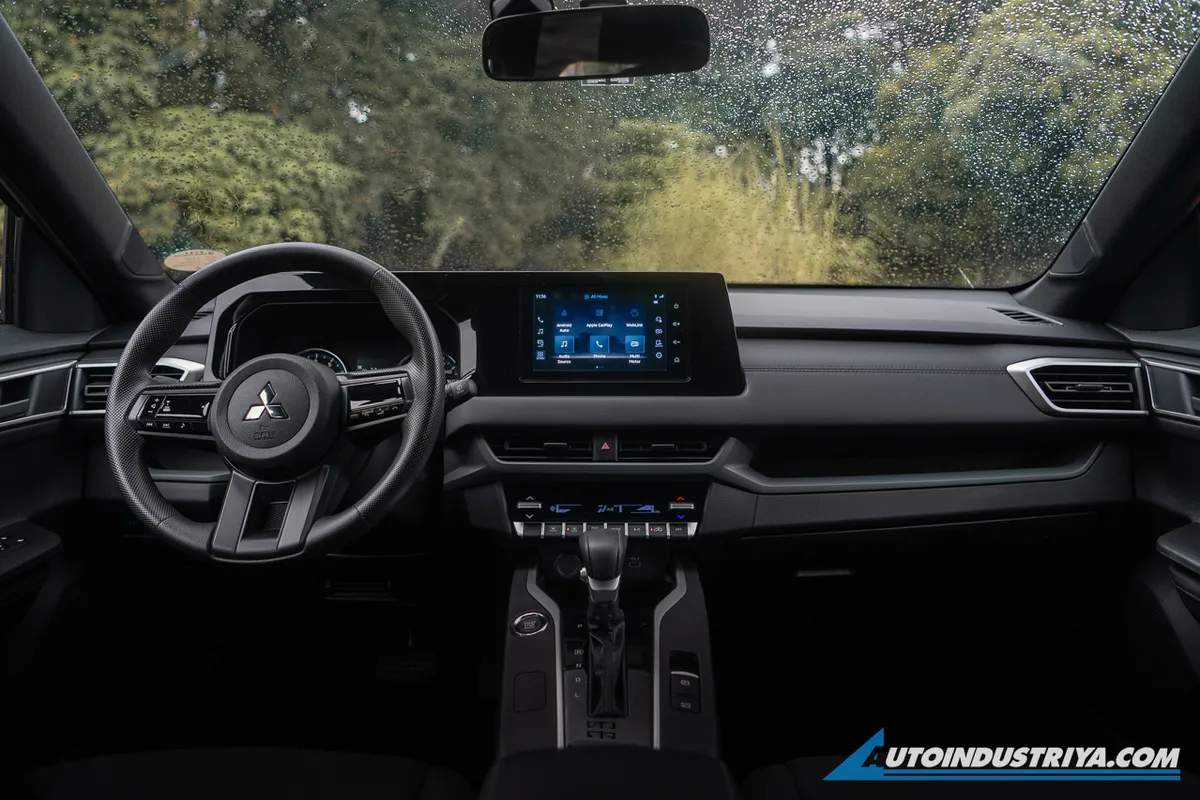
The GLX also gets a smaller touchscreen infotainment display. But despite having a smaller screen, it still comes with Android Auto and Apple CarPlay connectivity. Unfortunately, the Yamaha sound system is not available in the GLX and instead only gets a six-speaker sound system. But despite not having the branded audio system, the standard six-speaker system still pushes above its weight in terms of sound quality, especially when using Android Auto or Apple CarPlay instead of just relying on Bluetooth audio.
Fabric seats are equipped as standard in the XForce GLX, while the rest of the cabin loses some of the piano black accents to bring its price down even further. Even the wireless charging pad was removed to further save on costs. However, the GLX still comes with USB-C and USB Type A charging ports for the front & rear passengers. But if you prefer to charge with something faster, it still has a 12V power socket.
6 photos
When it comes to creature comforts, the XForce GLX only gets manual air-conditioning derived from the Xpander. But don’t mistake it for being a downgrade since it can quickly cool the cabin in just a few minutes. Heck, there were times that I had to turn it off at night because the aircon was doing such a good job of cooling the cabin despite not being set to its lowest temperature.
Those who like center armrests need not be disappointed, as Mitsubishi kept them for both the driver & front passenger, as well as for the rear passengers. And if you do need to store long items in the back, the 40:20:40 split rear seats have been carried over. The power tailgate may be gone, but that doesn’t mean storing items in the XForce will be difficult.
6 photos
All in all, the omission of several features in the XForce GLX may disappoint some buyers. But for budget-conscious customers who just want a simple and reliable crossover, the XForce GLX will do. It also lacks advanced driver assist systems (ADAS) and cruise control, which means those who will take it on long drives should take note. Personally, I actually prefer vehicles without ADAS since they tend to be nanny devices that get in the way of my driving.
Under the hood, the XForce GLX gets the same 1.5L 4A91 naturally aspirated inline-four with MIVEC. It continues to make 105 PS at 6000 rpm with 141 Nm of torque at 4000 rpm and is paired to an Aisin-developed CVT that drives the front wheels. Unfortunately, the drive mode selector has been removed in the GLX, which means it only comes with a Normal drive mode (Wet, Gravel, Tarmac, and Mud modes are not available).
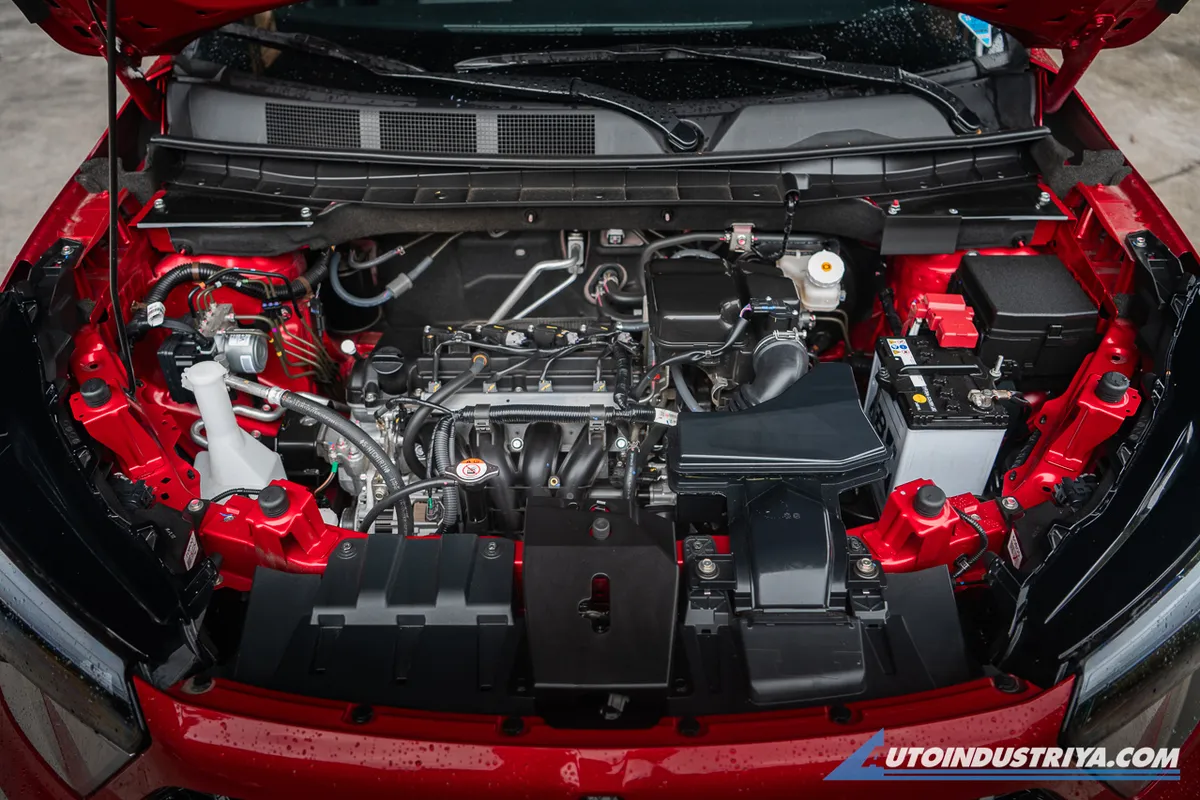
Despite being the same engine found in the Xpander and Xpander Cross, the 1.5L engine gets a more dynamic character thanks to the CVT. The result is slightly better acceleration off the line and improved throttle response over the traditional 4-speed automatic. The CVT can also be switched to “Sport Mode” via a button on the gear selector, which further makes throttle response more aggressive, while also making the powertrain linger near the powerband.
It might not have a turbo under the hood, but what it lacks in forced induction, it makes up for in acceleration. It may be a commuter car, but it’s fun to wring out the 1.5L engine while driving spiritedly. Speaking of driving spiritedly, the XForce is surprisingly agile when taking on corners. It’s no performance vehicle, but thanks to its light yet communicative steering, it’s easy to handle. However, the suspension is geared towards comfort, which translates to a comfy ride, but body roll is quite prominent due to the soft springs and comfort-tuned shock absorbers.
When you’re done having fun with the XForce, the B-SUV is a comfy and relaxed SUV. With a CVT driving the front wheels, engine RPM remains low even when you’re tooling around town or cruising on the open road. In light city driving, I was easily able to average between 10 and 11 km/L. In even lighter traffic conditions, the XForce can do up to 12 km/L or more if you keep a light foot while driving in the city. Take it out on the highway, and you’ll be able to reach up to 18 km/L without a sweat at an average speed of 90 km/h. Drop it down to 80 km/h, and the B-SUV can sip fuel up to 19 km/L or more if you can keep your right foot from mashing the throttle.
With a price tag of PHP 1.119 million, the base model XForce GLX offers quite the bargain over the GLS and GT variants. Yes, it loses some creature comforts and ADAS, but that doesn’t mean it’s bare-bones. In fact, I like to call it just right since it can suit buyers who just want a good ol’ crossover SUV that’s comfy, easy on the gas bills, and not overly complicated.
But despite being priced to compete, it’s already competing with affordable plug-in hybrids (PHEVs) like the BYD Sealion 5 and the Toyota Yaris Cross S HEV. And with more competitively priced EVs and electrified vehicles on their way to the country, Mitsubishi will need to have more hybrids on offer in the not-so-distant future.
For those who still value simplicity, reliability, and no-nonsense vehicles, I highly recommend the Mitsubishi XForce GLX if you're after an ICE. Unfortunately, given fuel prices and the long term effects of conflicts beyond Mitsubishi's (or the country's) control, the number of people buying a new car will shy away from just ICE.
Related Posts
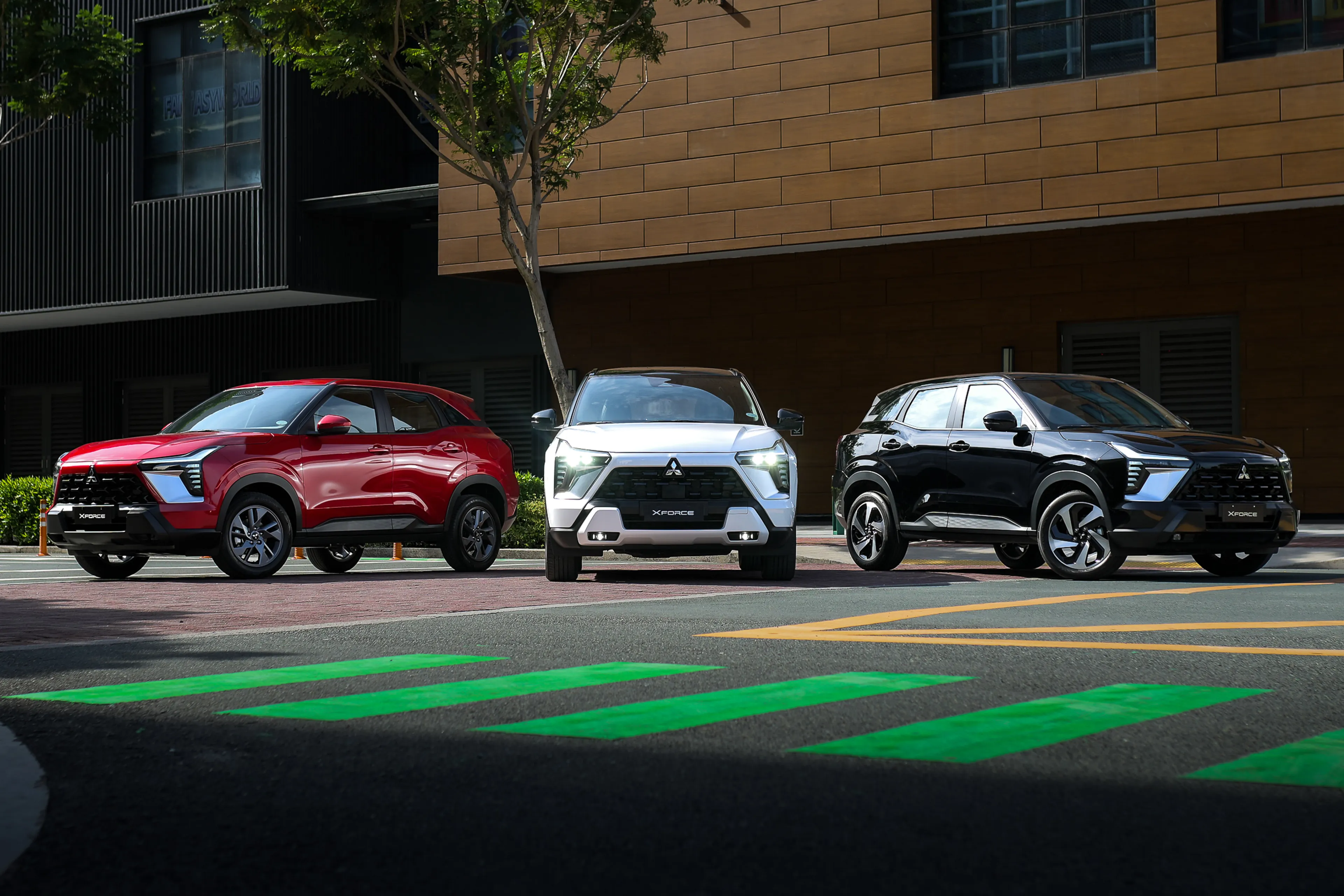
Mitsubishi upgrades XForce for 2026; starts at PHP 1.049M
Mitsubishi gives the XForce B-SUV a new base model and several new features
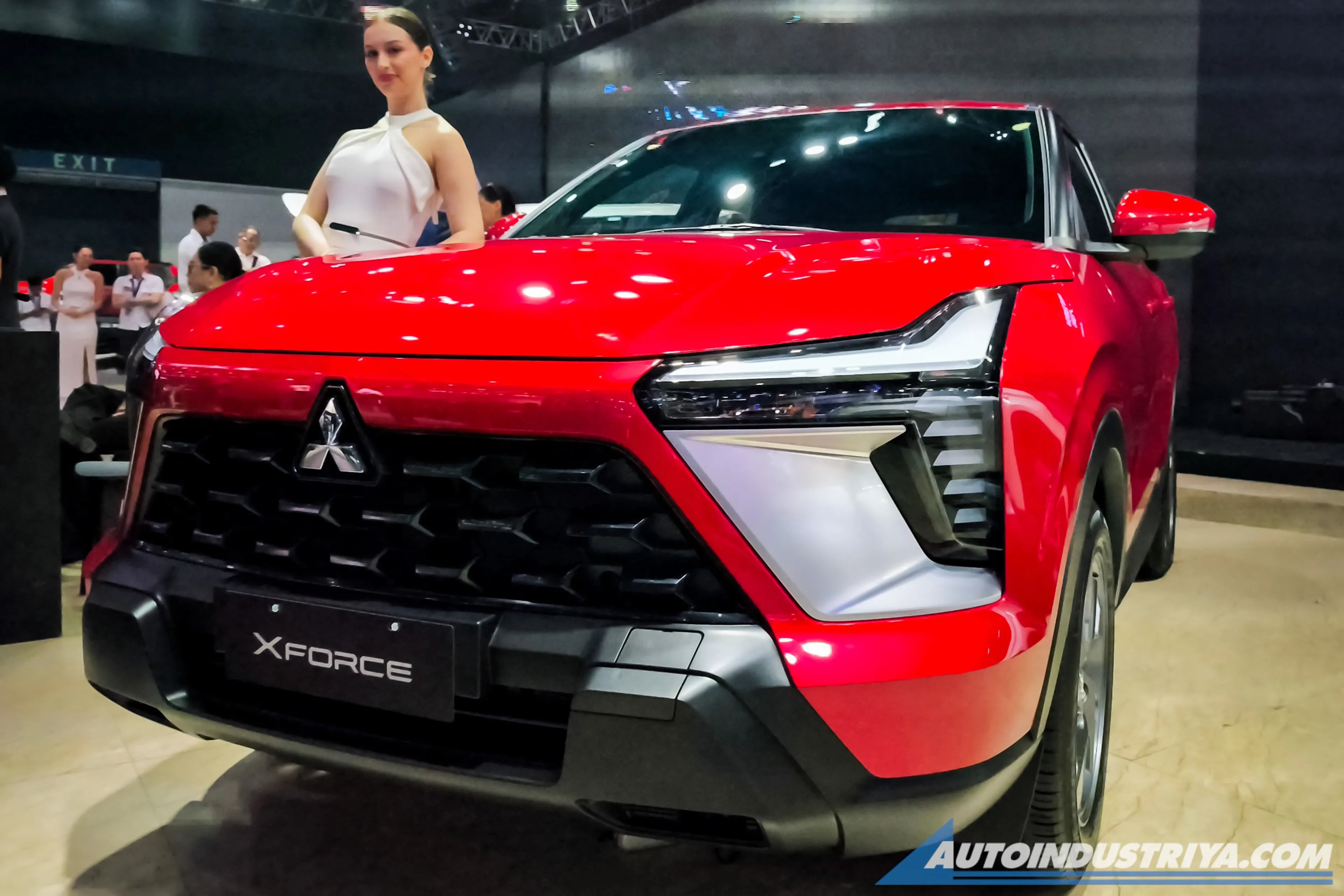
XForce GLX: Which features did Mitsubishi PH remove (and retain)?
With a price tag of PHP 1.119M, the GLX is now the most affordable XForce variant
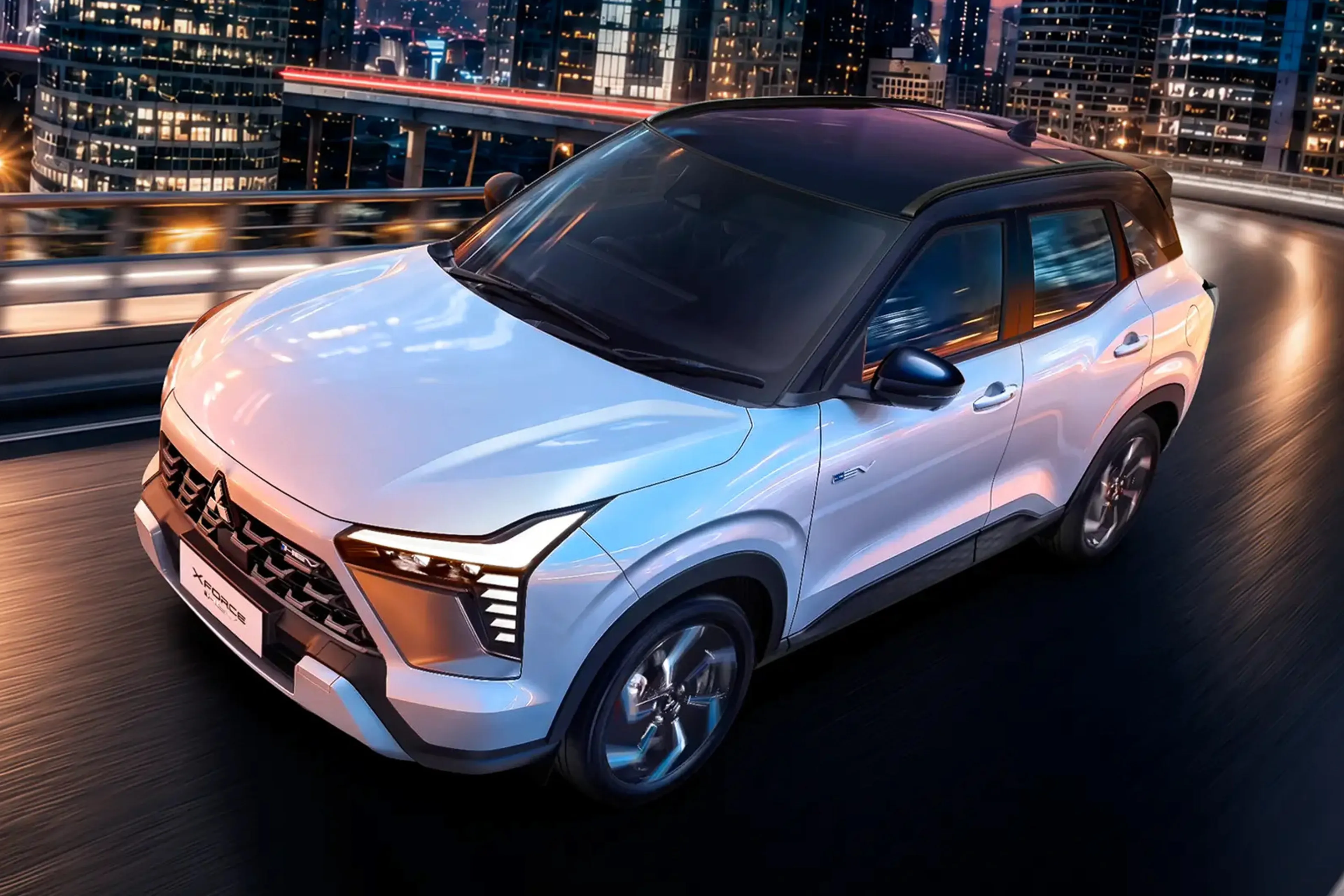
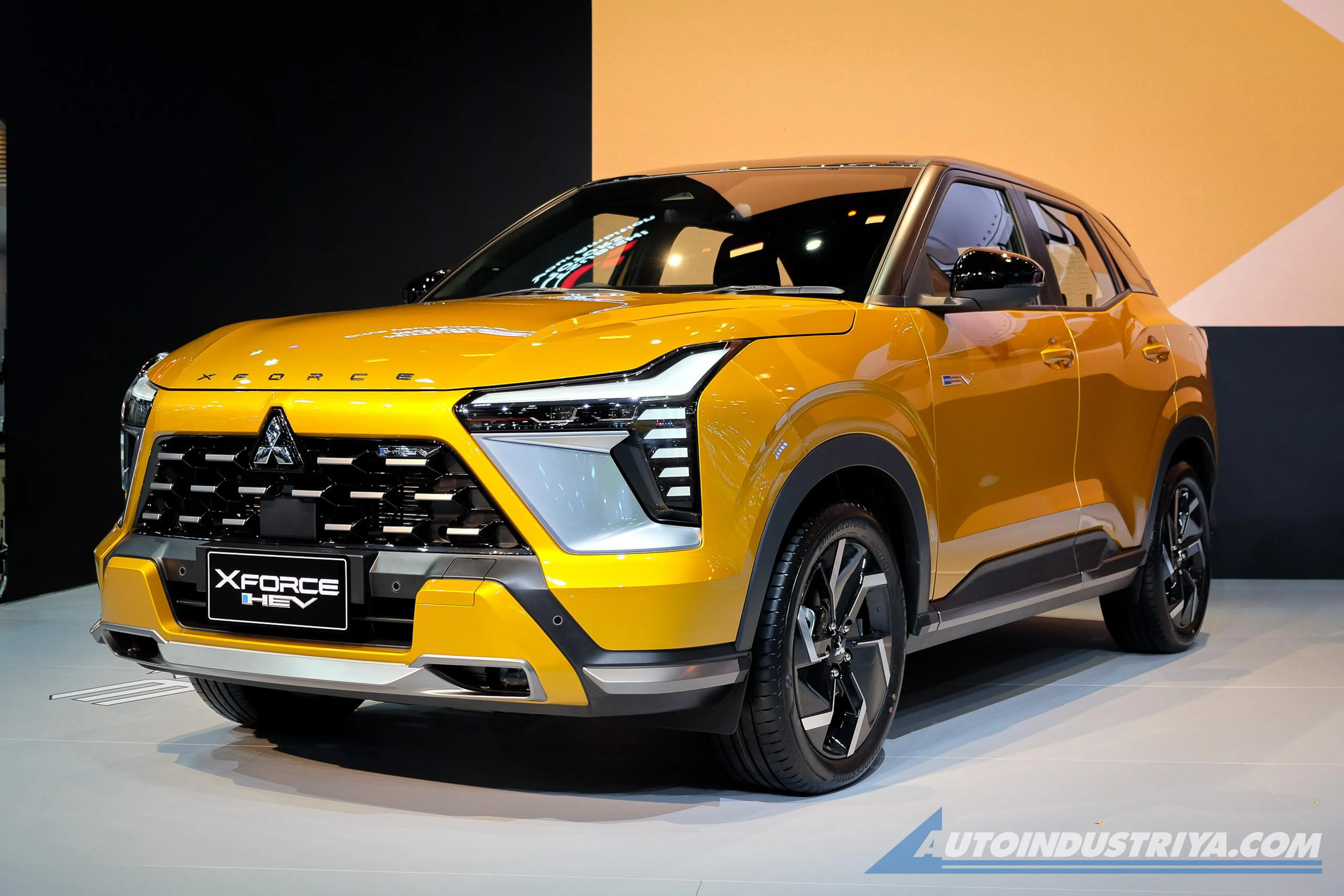
Could PH get Mitsubishi XForce HEV from Indonesia?
Will MMPC get the XForce HEV from Indonesia, or will they produce the hybrid at Sta. Rosa, Laguna?
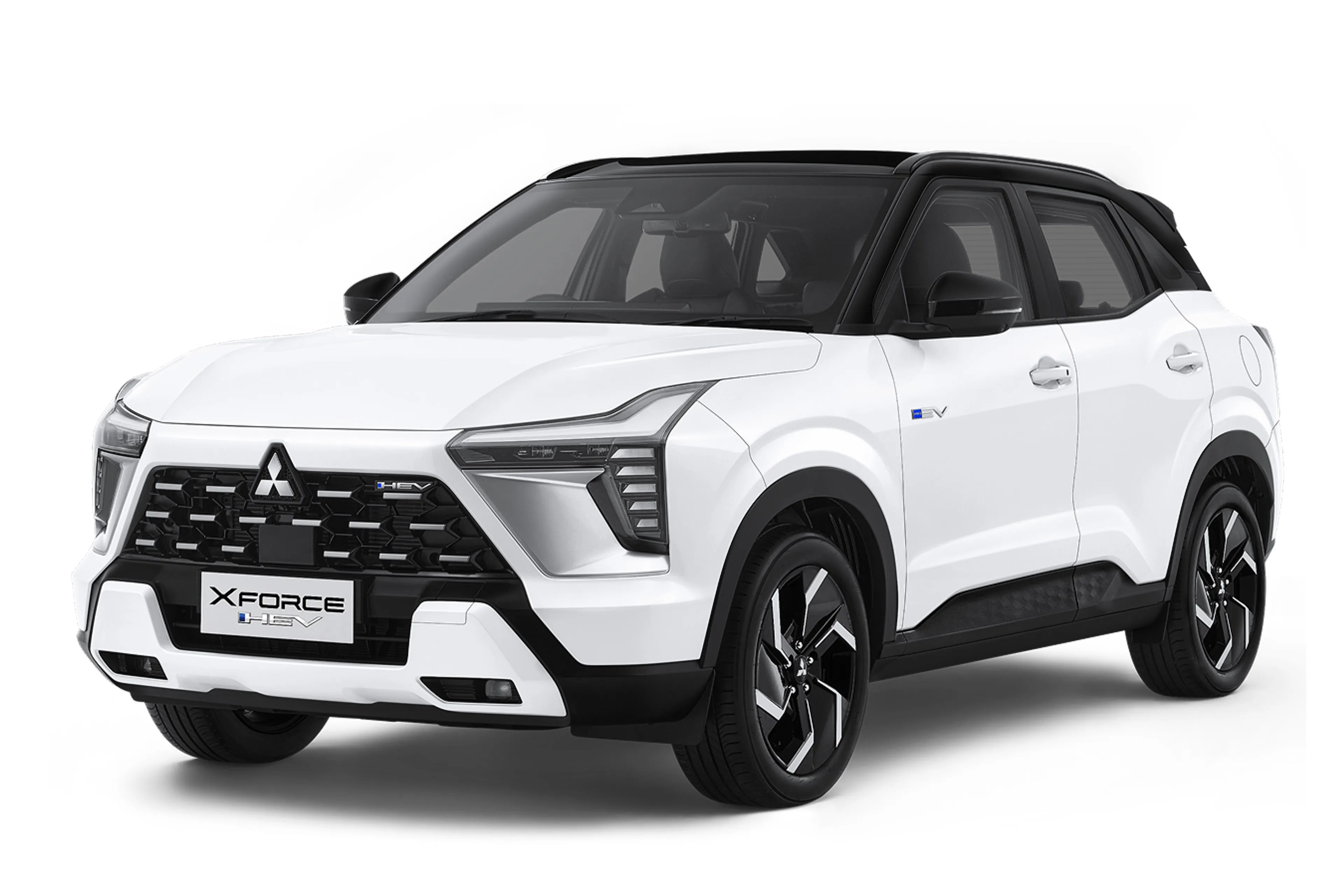
Mitsubishi XForce HEV officially debuts in Indonesia; PH to follow?
Mitsubishi Motor Indonesia reveals XForce HEV, marking the hybrid crossover's first venture outside of Thailand
Mitsubishi XForce HEV: Indonesia launch to pave way for PH arrival?
Mitsubishi Indonesia set to launch the XForce HEV, but will PH market get it or build it locally?
PIMS 2026: Mitsubishi PH expands XForce lineup with new entry variant
Mitsubishi Motors PH reveals XForce GLX at 2026 Philippine International Motor Show